
Deck & Commander Strategies
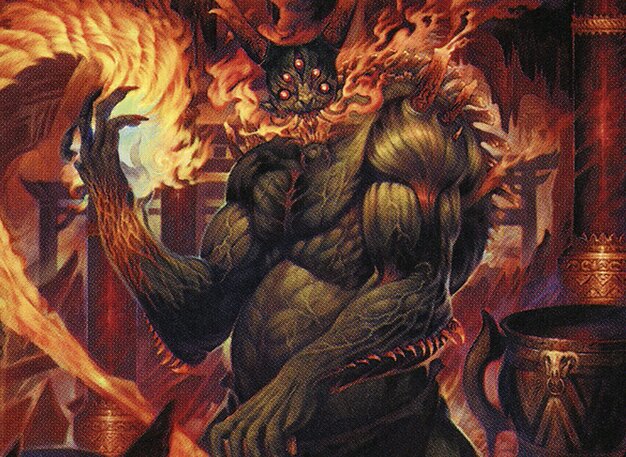
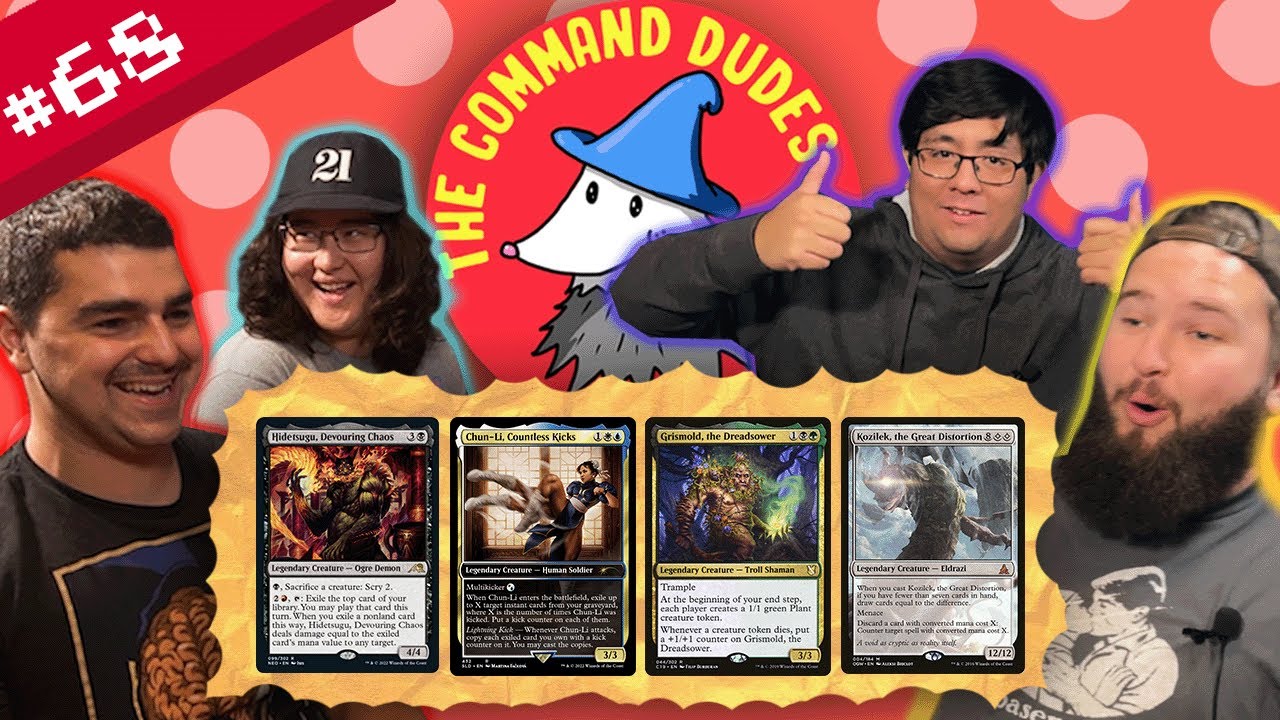
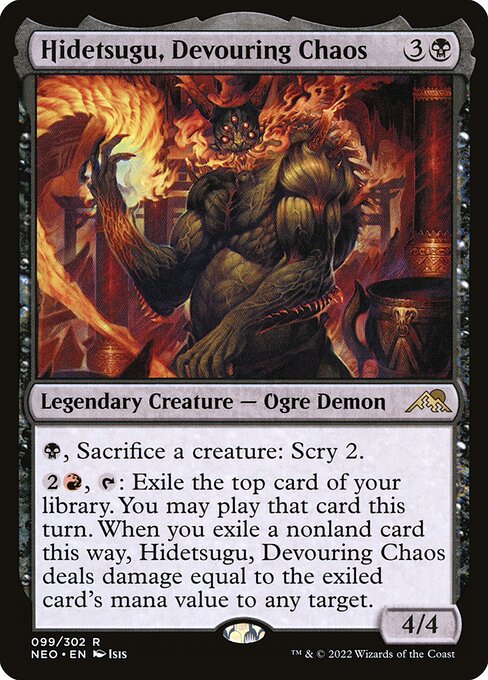
Hidetsugu, Devouring Chaos
Manipulate the top of the deck to cast high-cost spells that deal damage to opponents while leveraging Hidetsugu's ability to amplify damage output, focusing on aggressive burn and board control.
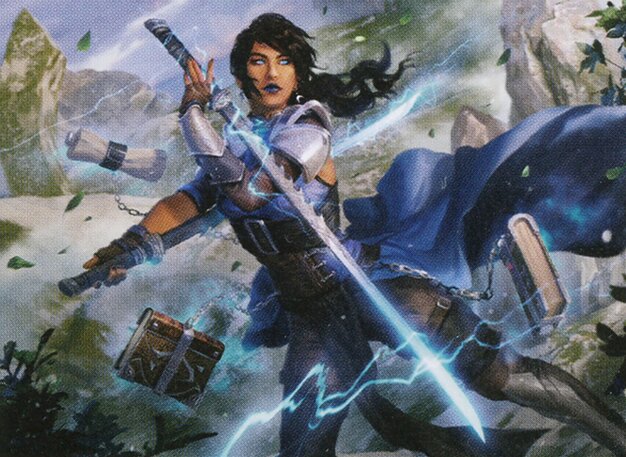
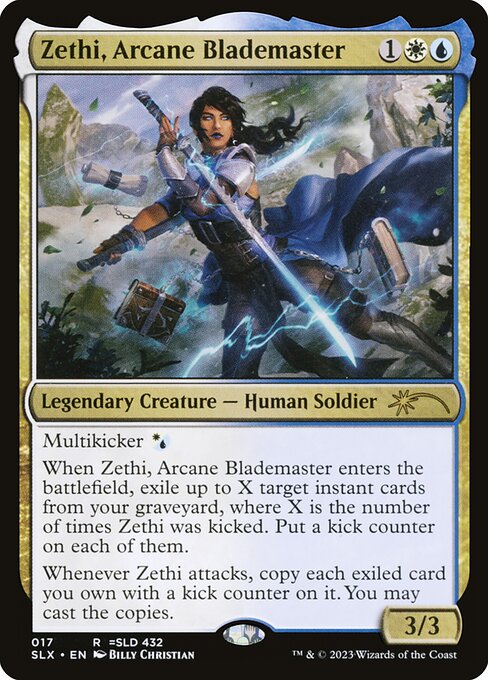
Chun Li
Control the game using a heavy suite of instant and sorcery spells to disrupt opponents' plays, counter spells, and maintain board presence with reactive tactics.
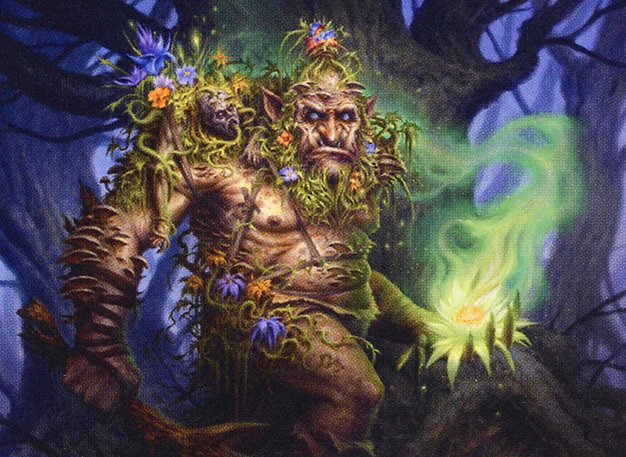
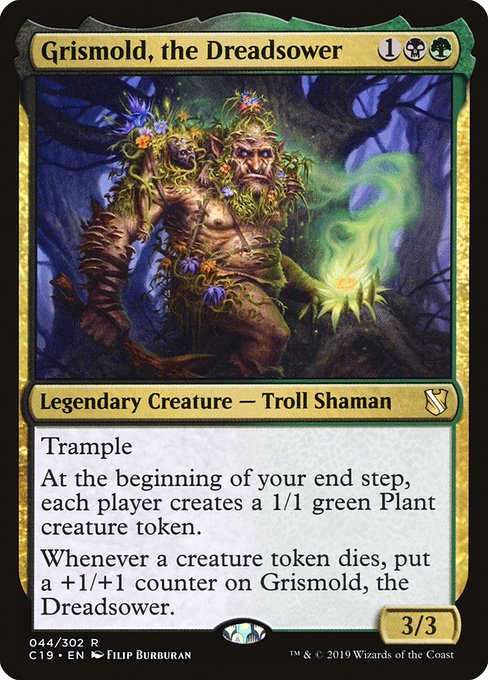
Grismold, the Dreadsower
Generate numerous plant tokens each turn to overwhelm opponents, using synergy with token counters and enhancing token creatures for incremental board dominance.
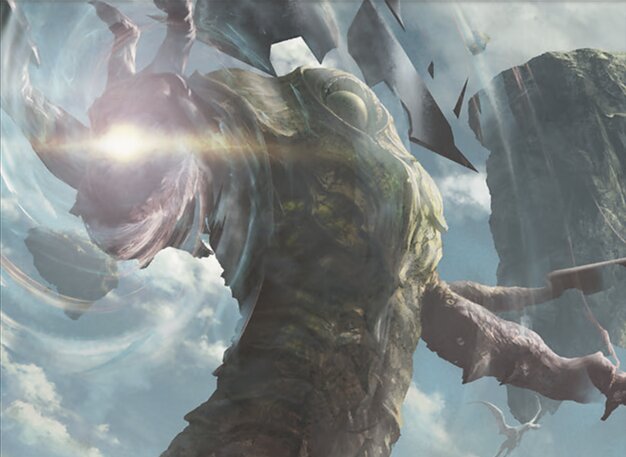
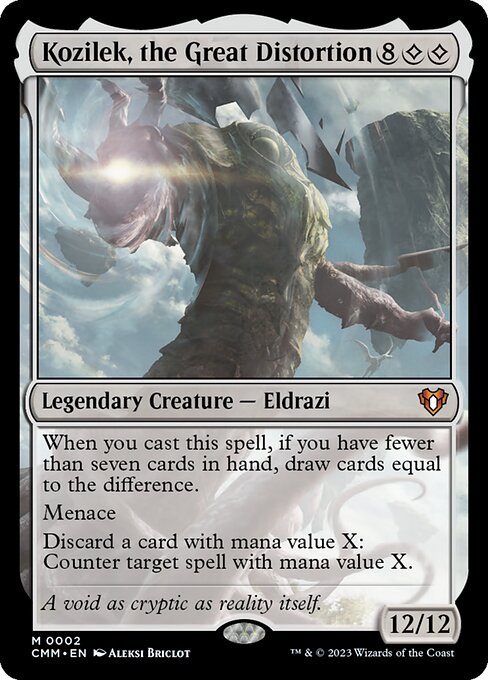
Kozilek, the Great Distortion
Ramp quickly with artifacts and colorless mana sources to cast big Eldrazi threats and control the board with powerful spells and disruption, aiming to outvalue opponents through raw power and recursion.
Gameplay Insights
- 1
Using Illusionist's Bracers to double triggered abilities on key creatures amplified value generation and board presence.
- 2
The interplay of Expropriate stealing permanents created significant disruption and tempo shifts.
- 3
Clock of Omens producing goat tokens each turn provided a steady stream of blockers and chump blockers, pressuring attackers.
- 4
Primal Amulet was leveraged to reduce the cost of instants and sorceries, enabling more frequent spellcasting and triggering of additional effects.
- 5
Players carefully managed their resources in response to opponents' threats, including blowing up artifacts in key moments to prevent combos or ramp.
- 6
Token generation from Grismold synergized with counters and provided multiple layers of defense and offense.
- 7
Combat phases became critical as creatures with trample and haste threatened to push through damage, forcing opponents to decide between sacrificing creatures or taking hits.
Notable Cards
-
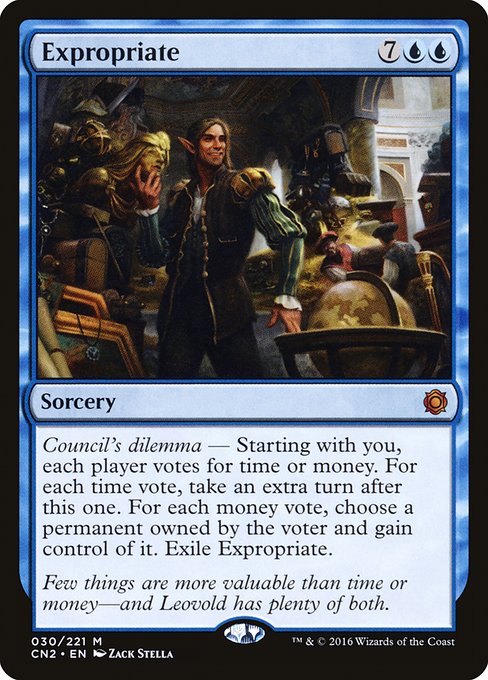
Expropriate
-
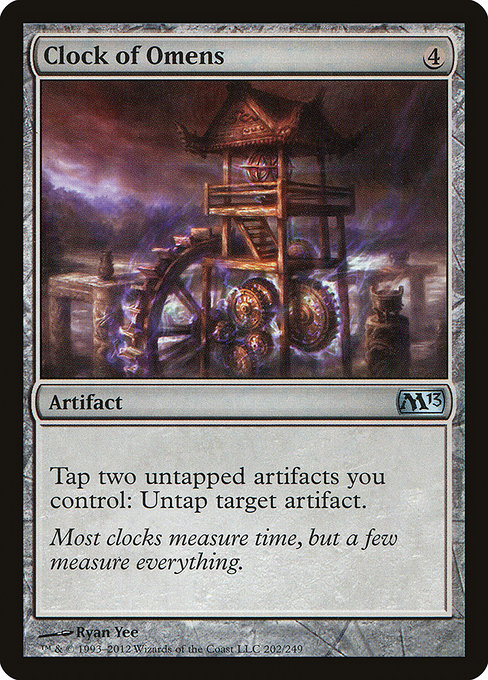
Clock of Omens
-
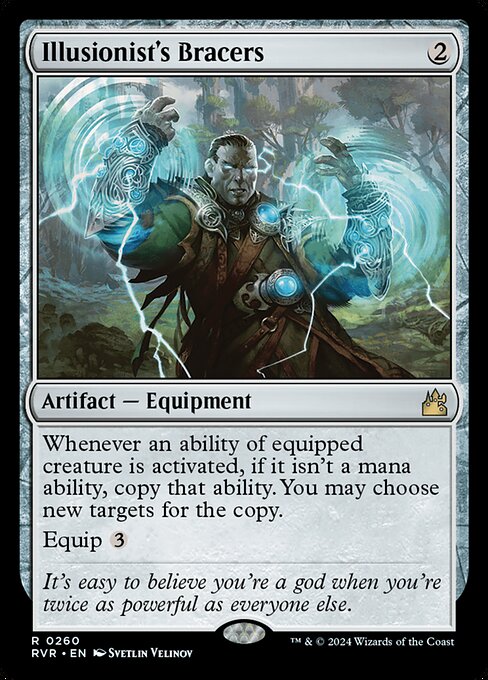
Illusionist's Bracers
-
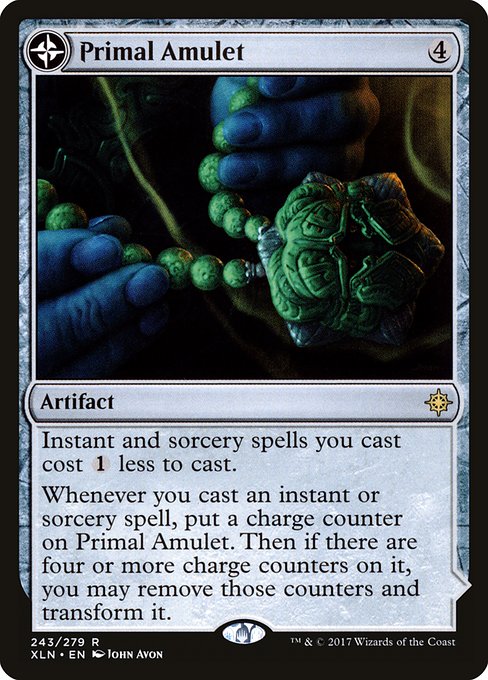
Primal Amulet // Primal Wellspring
-
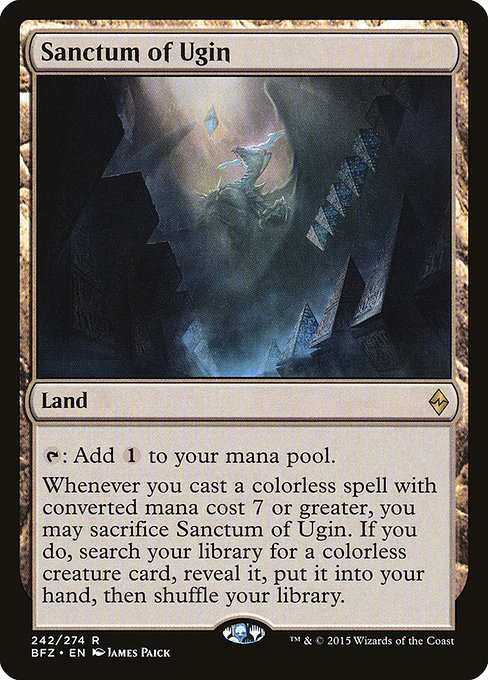
Sanctum of Ugin
-
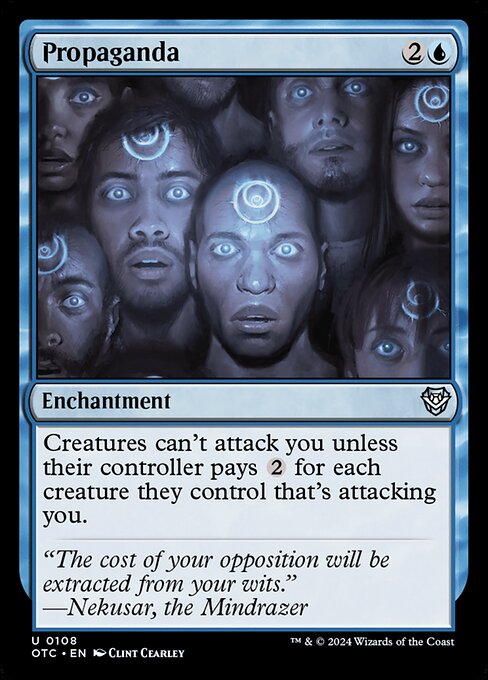
Propaganda
-
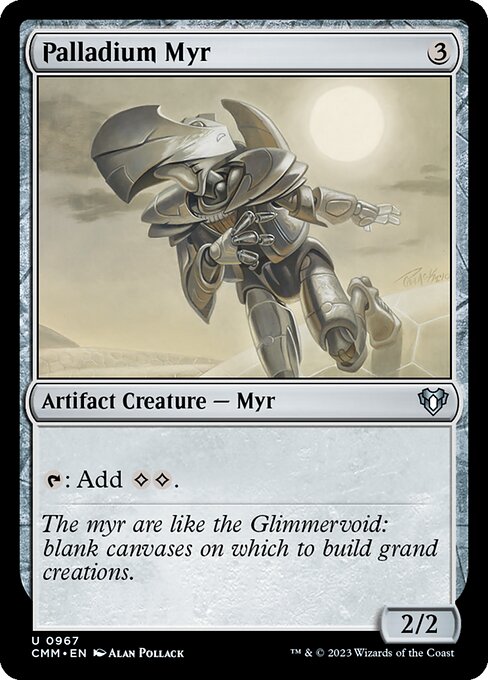
Palladium Myr
Gameplay Summary
The game featured four distinct Commander decks battling for control and board presence.
Early turns saw players developing mana bases and establishing defensive positions, with Grismold creating plant tokens and Kozilek ramping with mana rocks like Palladium Myr and Soul Ring.
Hidetsugu's deck focused on manipulating the top of the deck and casting high-cost spells to leverage his damage-dealing ability.
Chun Li's deck relied heavily on instants and sorceries to disrupt opponents and control the board.
A pivotal moment occurred when players began deploying key enchantments and utility creatures, such as Clock of Omens generating goat tokens and Illusionist's Bracers doubling triggered abilities, increasing board complexity and interaction. As the game progressed, players used various spells to steal cards, destroy artifacts, and generate additional value.
There was significant interaction around combat, with Grismold producing tokens and tokens triggering counters, while Hidetsugu's aggressive damage output pressured opponents.
The interplay of abilities like Expropriate (stealing permanents) and strategies to copy spells or abilities created dynamic board states.
Although the transcript cuts off before a clear victor emerges, the game clearly revolved around leveraging unique synergies, controlling the pace through targeted removal and enchantments, and building incremental advantages through token generation and spell recursion.


![Commander Vs S2E3: Ayli vs Kozilek vs Tazri vs Mina and Denn [MtG: Multiplayer] thumbnail](https://i.ytimg.com/vi/bGHd9YWbpCM/sddefault.jpg)





![Favorite Commanders Of 2022 [Commander VS 323] | Magic: the Gathering Commander Gameplay thumbnail](https://i.ytimg.com/vi/kL93XxXdn28/sddefault.jpg)


