Deck & Commander Strategies
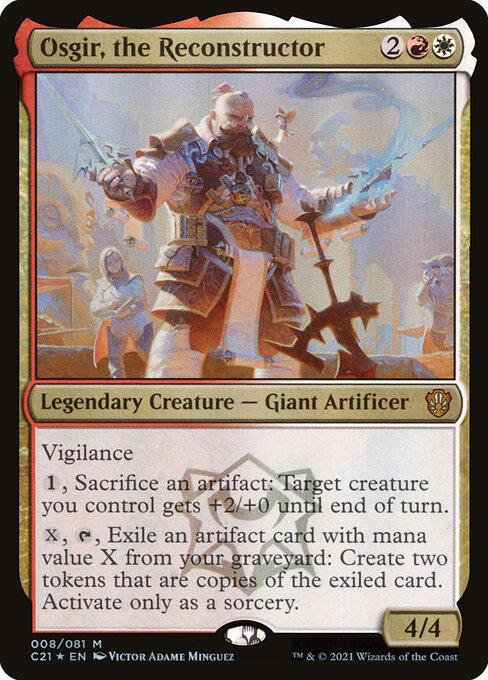
Osgir, the Reconstructor
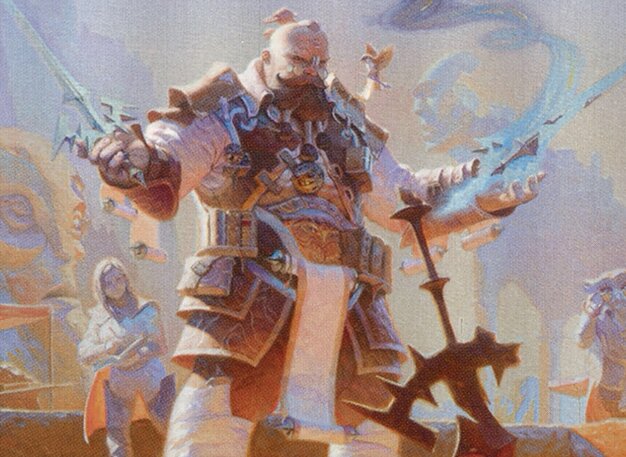
Utilizes artifact recursion to create token copies of powerful artifacts from the graveyard, winning through artifact synergy and value generation.
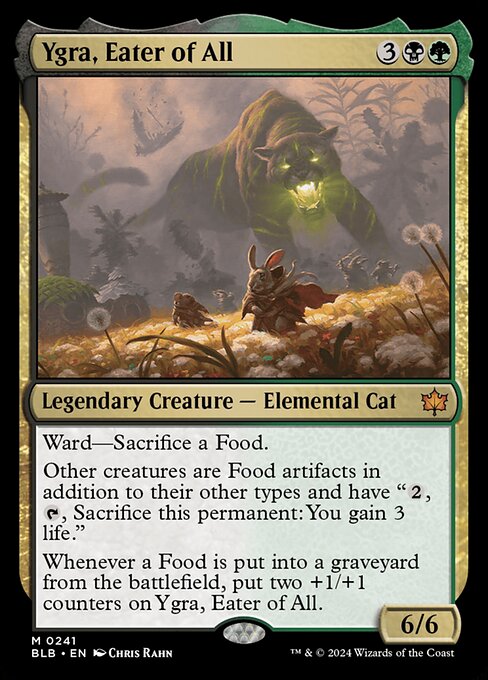
Ygra, Eater of All
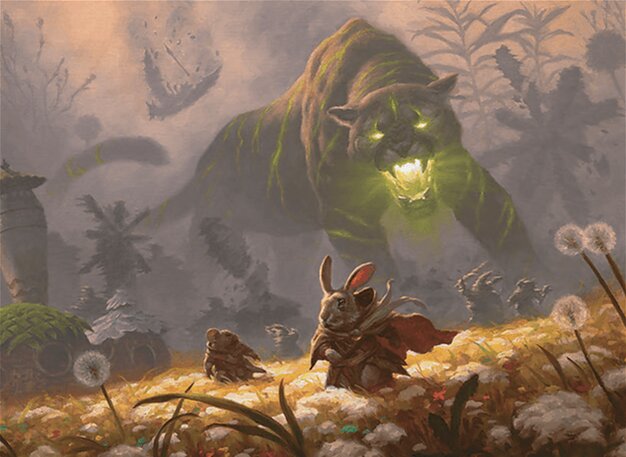
Sacrifices food tokens to grow in size while gaining life, aiming to dominate combat with a large, resilient creature.

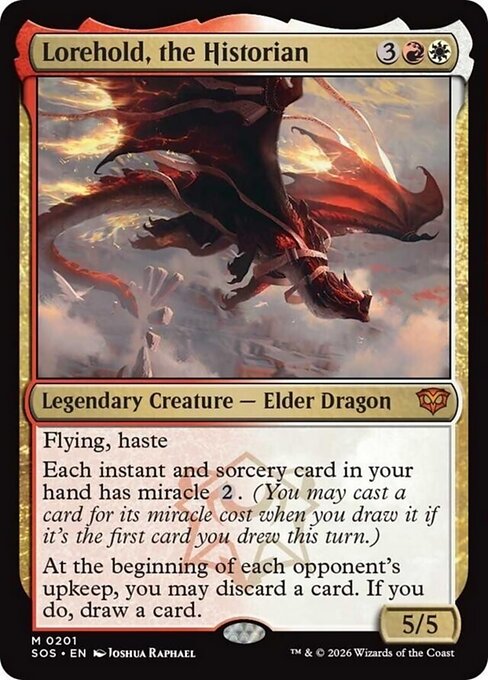
Lorehold, the Historian
Leverages cheap miracle spells to draw cards and maintain consistent pressure, accelerating through spells with reduced costs and card advantage.

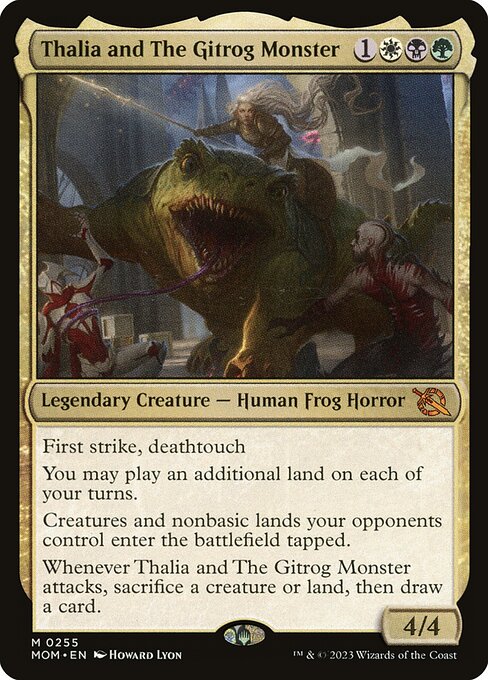
Thalia and The Gitrog Monster
Combines additional land drops and non-basic land disruption with life gain and card draw, aiming to control the game tempo and win through resource advantage and a big swing enabled by Bolas's Citadel.
Gameplay Insights
- 1
Osgir’s ability to create token copies of artifacts from the graveyard set up powerful board states and allowed for explosive turns when combined with the graveyard and artifact synergies.
- 2
Ygra’s food sacrifice mechanic quickly scaled its size, pressuring opponents to manage token resources carefully or face a growing threat.
- 3
Lorehold's use of miracle spells created continuous card advantage, enabling strong mid-game plays and maintaining momentum despite occasional whiffs.
- 4
Thalia and The Gitrog Monster's strategy of ramping lands and controlling opponent non-basic lands slowed the game pace, allowing time to build life resources and set up a decisive attack with Bolas's Citadel.
- 5
The interaction between Osgir’s artifact recursion and Ygra’s food token generation hinted at potential synergies and strategic conflicts, making resource management critical.
- 6
Early plays like casting Dark Confidant and Mother of Runes helped stabilize and generate incremental advantage, shaping the early game tempo.
Notable Cards
-
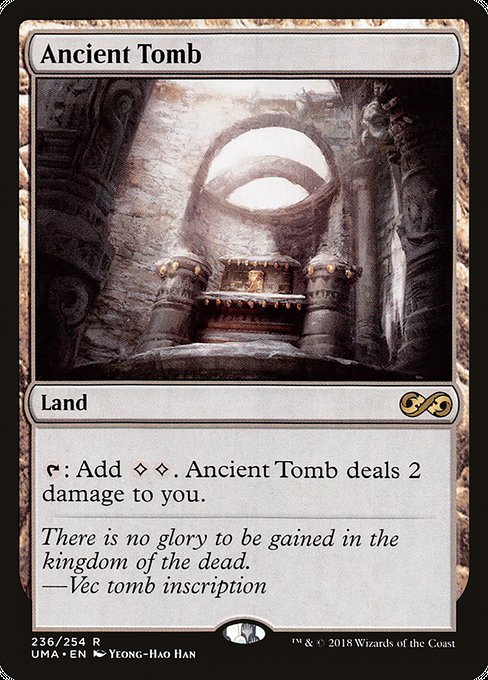
Ancient Tomb
-
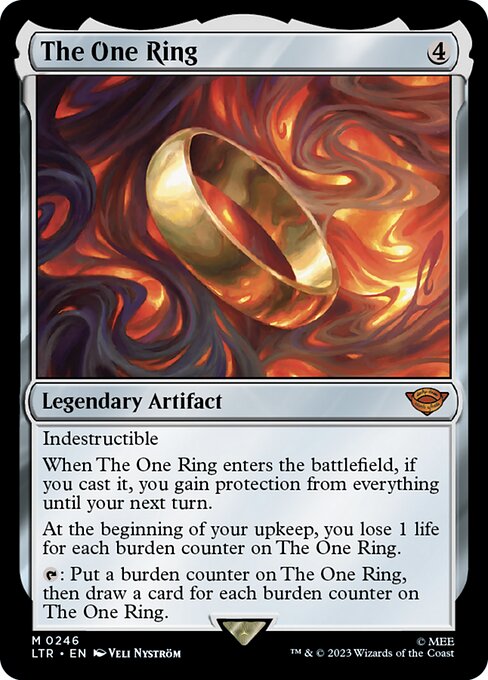
The One Ring
-
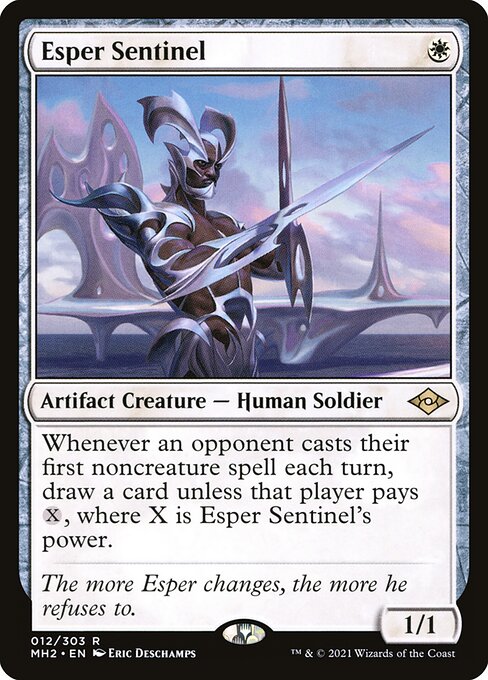
Esper Sentinel
-
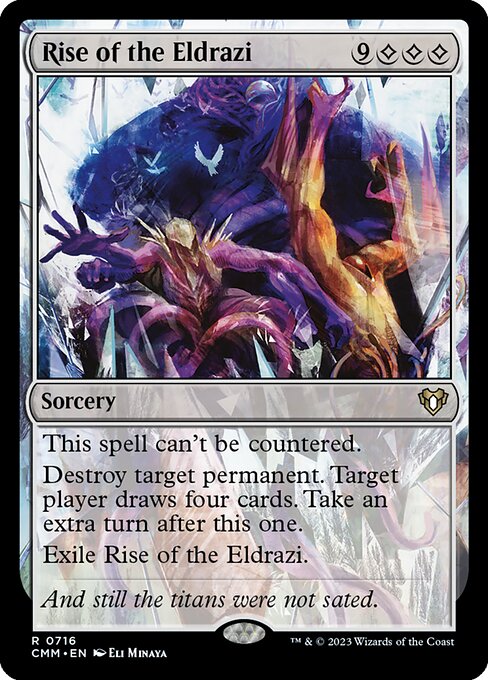
Rise of the Eldrazi
-
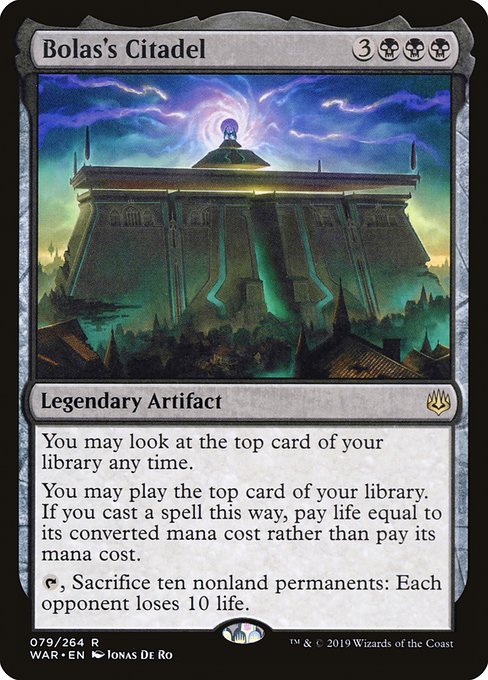
Bolas's Citadel
-
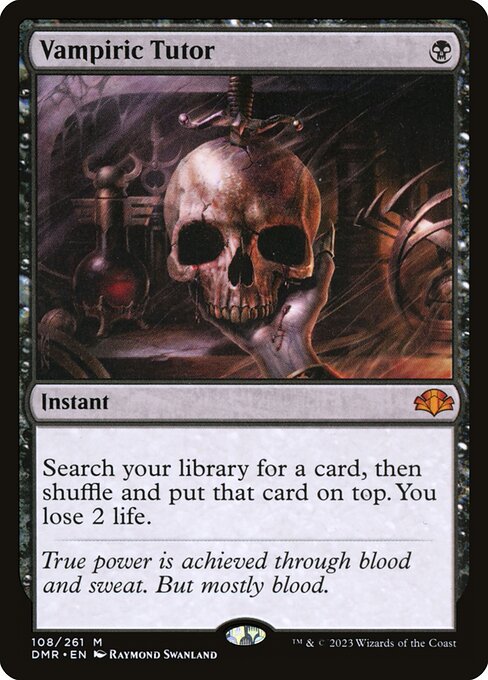
Vampiric Tutor
-
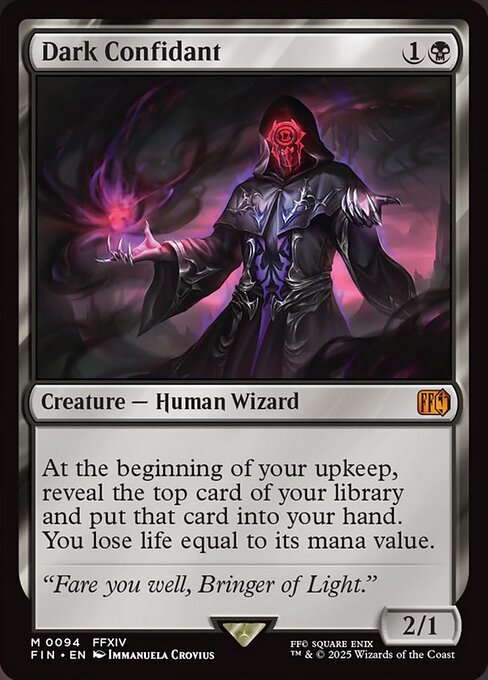
Dark Confidant
-
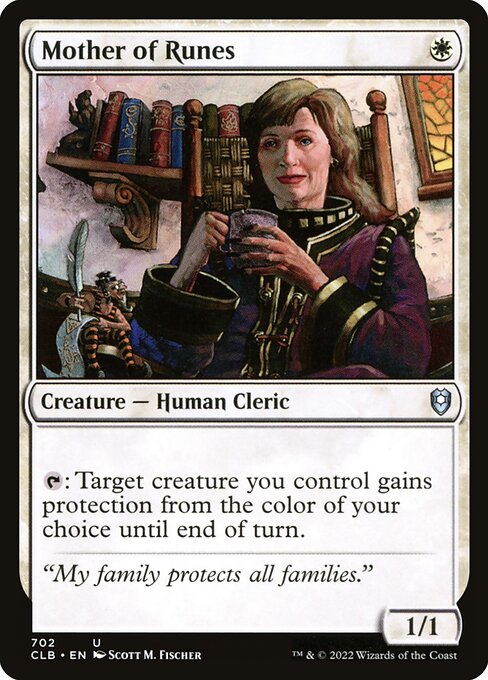
Mother of Runes
-
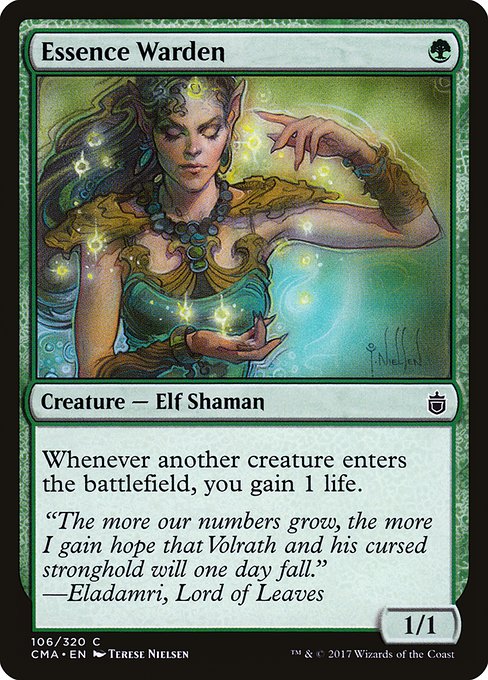
Essence Warden
-
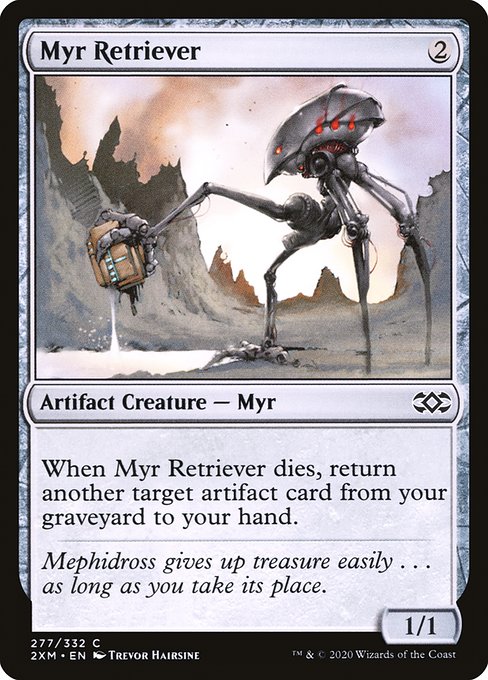
Myr Retriever
-

Sol Ring
-
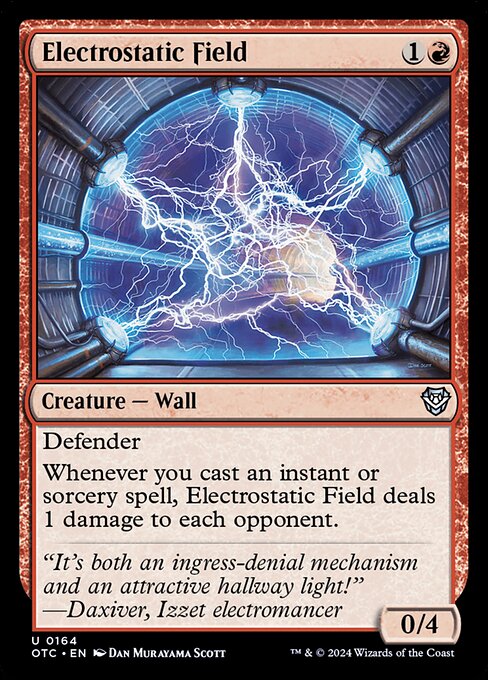
Electrostatic Field
-
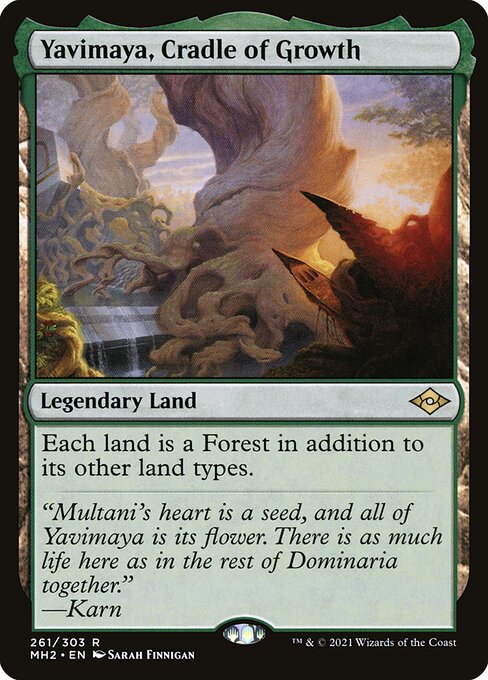
Yavimaya, Cradle of Growth
Gameplay Summary
The game began with players ramping and setting up their board states cautiously, each focusing on their commanders' unique strengths.
Lorehold, the Historian aimed to leverage cheap miracle spells to draw cards and maintain momentum, while Osgir, the Reconstructor focused on artifact recursion and generating token copies with powerful artifacts like Ancient Tomb and The One Ring.
Ygra, Eater of All quickly developed a board presence by sacrificing food tokens to grow larger, capitalizing on its ability to gain life and accumulate +1/+1 counters.
Meanwhile, Thalia and The Gitrog Monster adopted a more controlling and life-gain oriented approach, ramping through additional land drops and using non-basic land interaction to slow opponents, seeking to leverage life as a resource for a big finish with Bolas's Citadel.