Deck & Commander Strategies
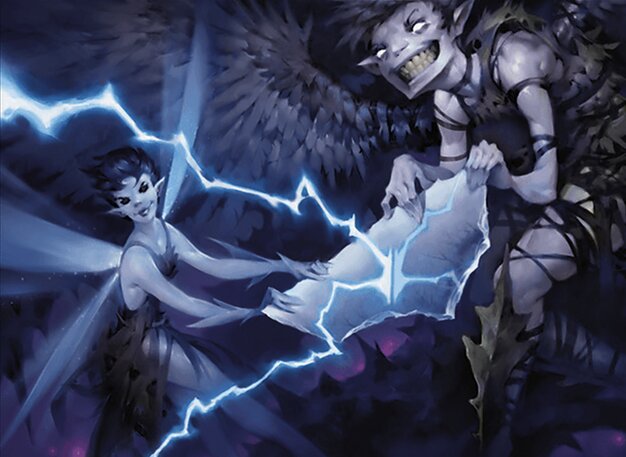
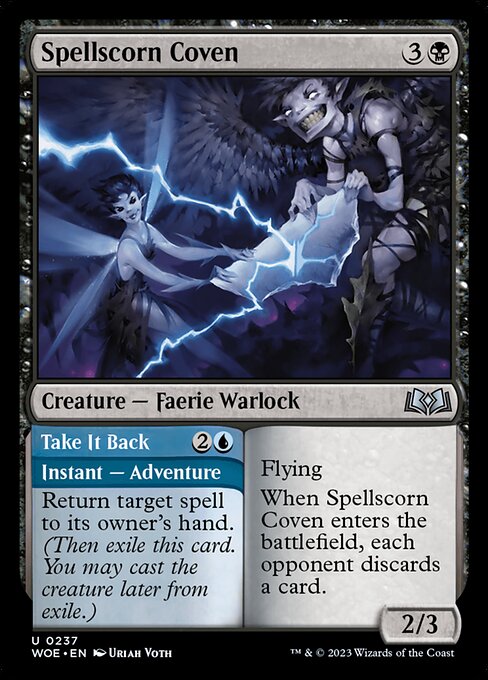
Spellscorn Coven
Control-oriented deck focusing on disrupting opponents' spells and hands through bounce and discard effects, leveraging punk rock goth fairy synergy to maintain tempo and deny resources.
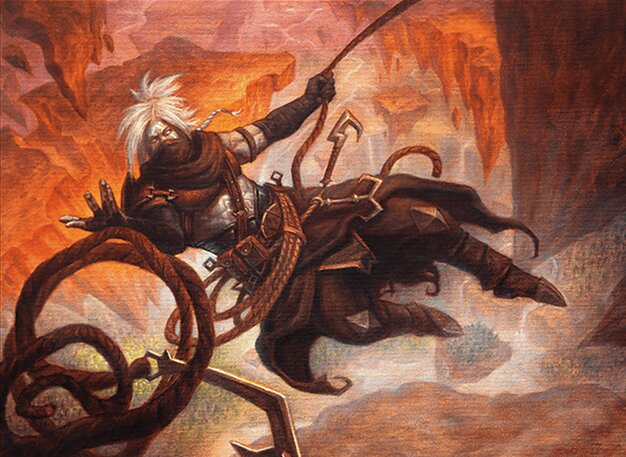
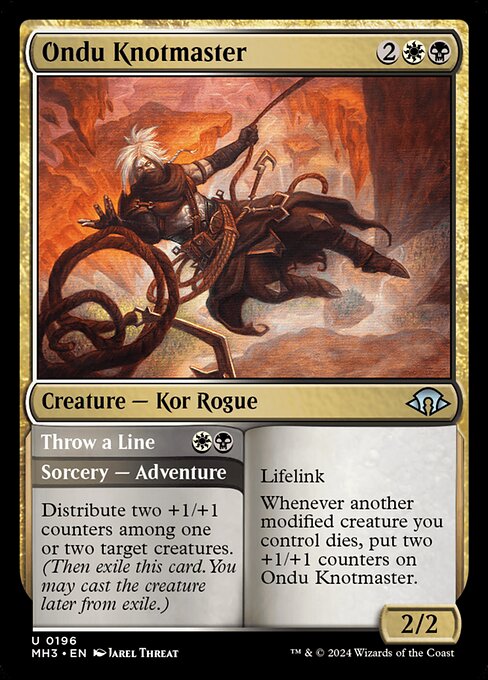
Ondu Knotmaster
A modified creature tribal deck that grows the commander by sacrificing other modified creatures, using lifelink and +1/+1 counter distribution to maintain a resilient and increasing threat on the board.

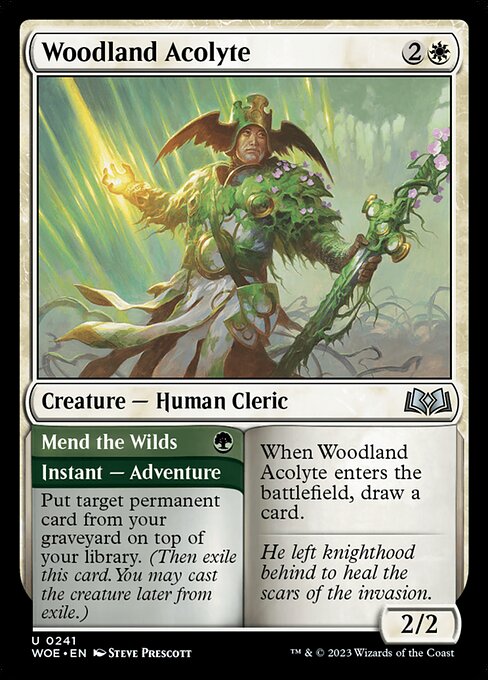
Woodland Acolyte
Graveyard recursion and value engine deck that reuses permanents by placing them on top of the library, drawing cards and generating card advantage through repeated resource loops.
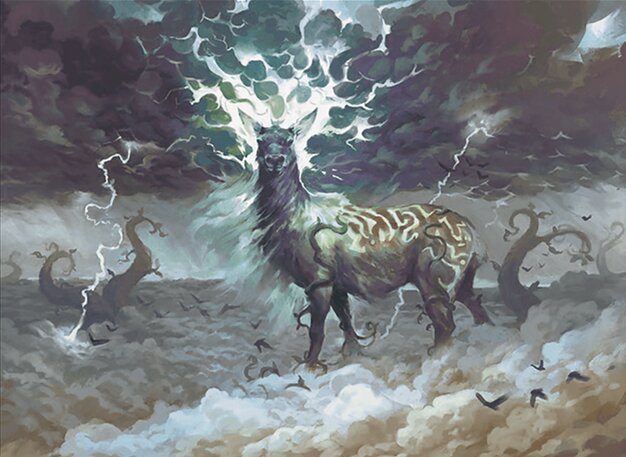
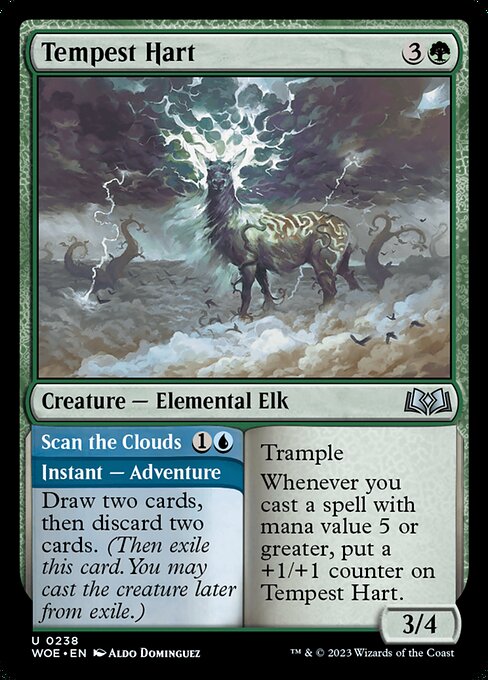
Tempest Hart
Simic stompy deck focused on ramping into large trampling creatures that grow through casting high mana value spells, with filtering and discard to sculpt the hand for efficient threats.
Gameplay Insights
- 1
Using adventure sides to generate incremental advantages like extra land drops and card draw was critical in maintaining momentum and resource flow.
- 2
The interplay between modified creatures dying and Ondu Knotmaster gaining counters created a resilient threat that pressured opponents to respond.
- 3
Spellscorn Coven's ability to return key spells to opponents' hands disrupted timing and curtailed big plays, effectively controlling the pace.
- 4
Proliferate mechanics combined with +1/+1 counter distribution amplified board development and allowed for explosive growth on creatures.
- 5
Discard and filtering effects helped streamline hands, enabling efficient deployment of threats and ensuring access to pivotal cards.
Notable Cards
-
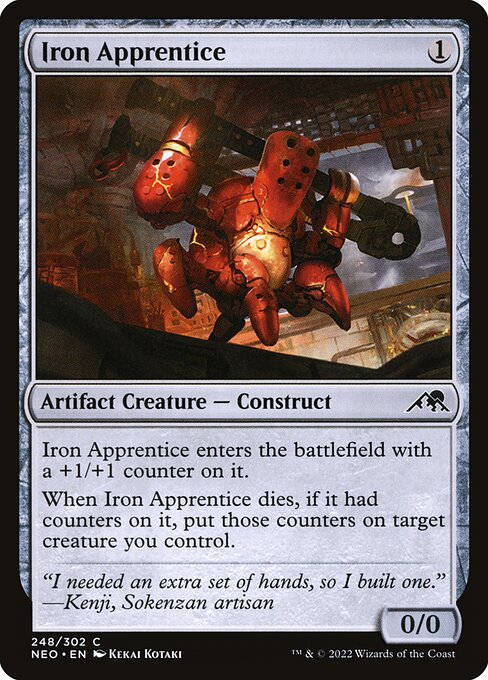
Iron Apprentice
-

Everflowing Chalice
-
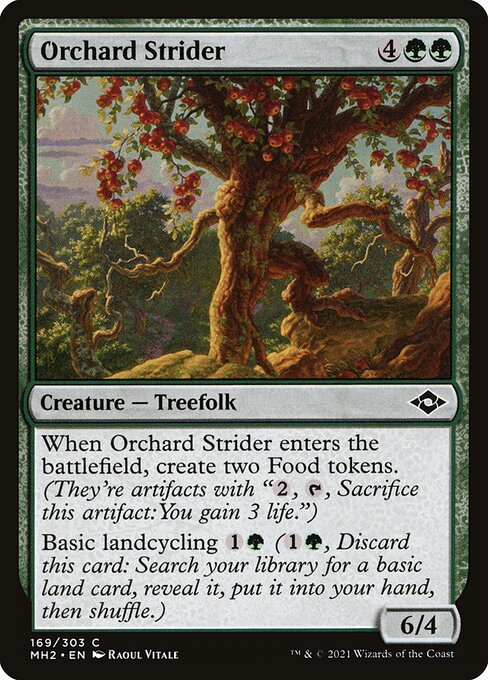
Orchard Strider
-
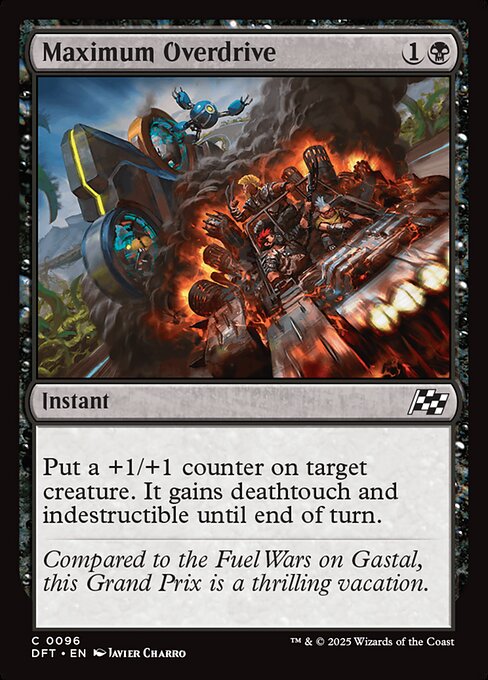
Maximum Overdrive
-

Opal Palace
Gameplay Summary
The game featured an exciting four-player Pauper Commander match centered around Adventure-themed commanders.
Early turns focused on setting up board presence and value engines, with players developing their mana bases and deploying creatures that synergize with their commanders’ adventure abilities.
Key moments included disruption via spell bounce and discard effects from Spellscorn Coven, while Ondu Knotmaster grew in strength through modified creature sacrifices and counter distribution.
Woodland Acolyte leveraged graveyard recursion to maintain card advantage, and Tempest Hart aimed to ramp into large trampling creatures supported by card filtering and counters. As the game progressed, players began leveraging their adventure sides to generate incremental advantages—such as additional land plays, card draws, and +1/+1 counters—while defending against opponents’ threats.
Notable plays included counter manipulation on creatures, proliferate effects to enhance board presence, and well-timed spell returns that disrupted tempo.
Ultimately, the match was a dynamic interplay of value generation, board control, and incremental pressure, showcasing the diverse strategic spaces Adventure Commanders open in Pauper Commander games.