

Deck & Commander Strategies

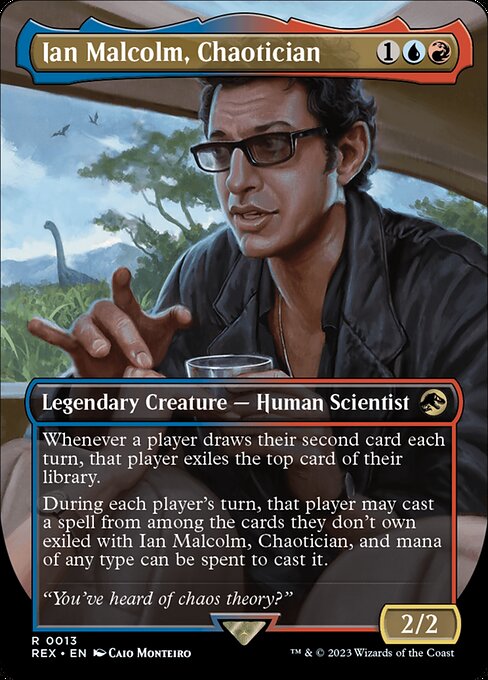
Ian Malcolm, Chaotician
Disrupts normal play by exiling cards from players' libraries as they draw and allows casting spells from the exile pile, excluding their own cards, creating chaos and unpredictable interactions.

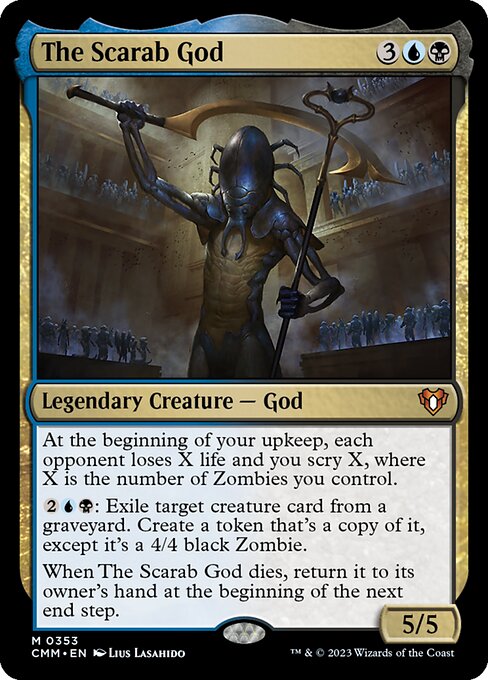
The Scarab God
Focuses on graveyard theft and reanimation, using enchantments and mana reductions to efficiently bring back creatures from opponents' graveyards and leveraging them as threats.

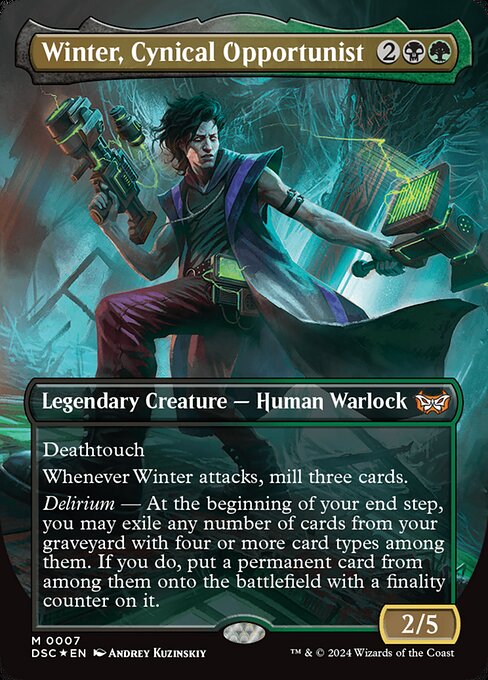
Winter, Cynical Opportunist
Primarily a Golgari graveyard reanimator deck that aims to fill the graveyard and bring back powerful creatures like Griselbrand to draw cards and maintain card advantage.

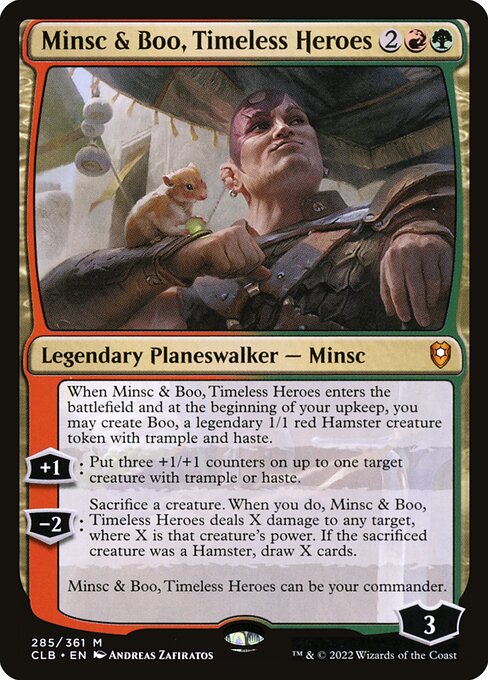
Minsc & Boo, Timeless Heroes
Builds up and pumps up a token (Boo) to fling at opponents or their permanents, dealing significant damage through repeated token throwing.
Gameplay Insights
- 1
Using Howling Mine combined with Mana Flare significantly increased card draw and mana production, accelerating players' ability to cast powerful spells early.
- 2
The Scarab God player capitalized on Training Grounds and Urborg, Tomb of Yawgmoth to reduce reanimation costs and maximize graveyard exploitation.
- 3
Minsc & Boo's strategy revolved around building counters on Boo and throwing it repeatedly, showcasing a focused damage output plan.
- 4
Ian Malcolm's exile mechanic introduced an additional layer of complexity, allowing players to cast spells from a shared exile pile, which required careful resource management.
- 5
Discarding Life from the Loam early helped fuel graveyard synergies, especially for the reanimator decks.
Notable Cards
-
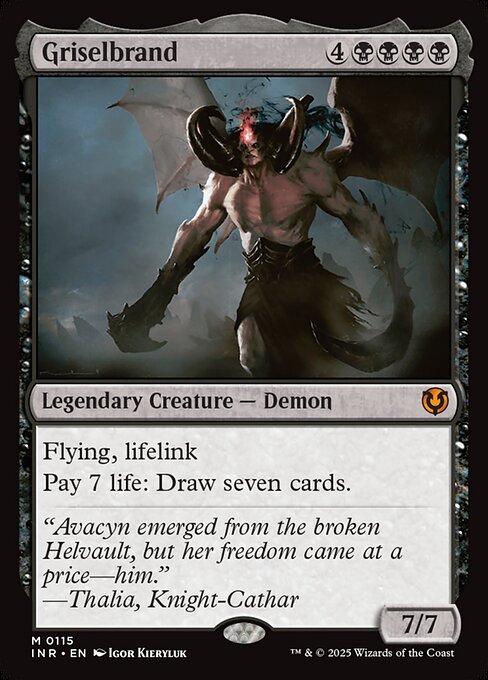
Griselbrand
-
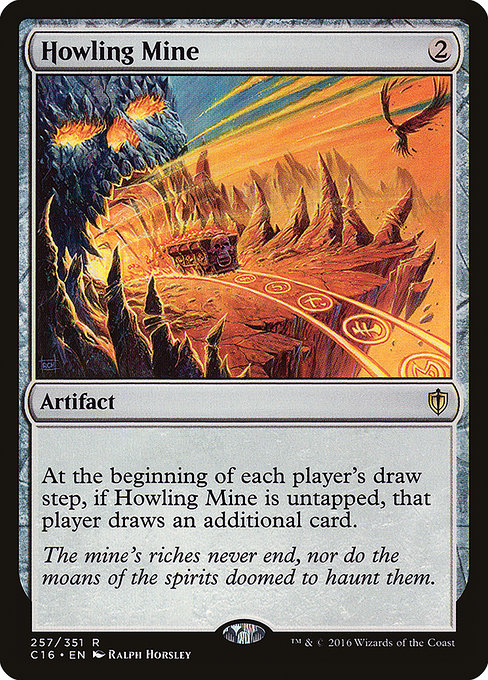
Howling Mine
-
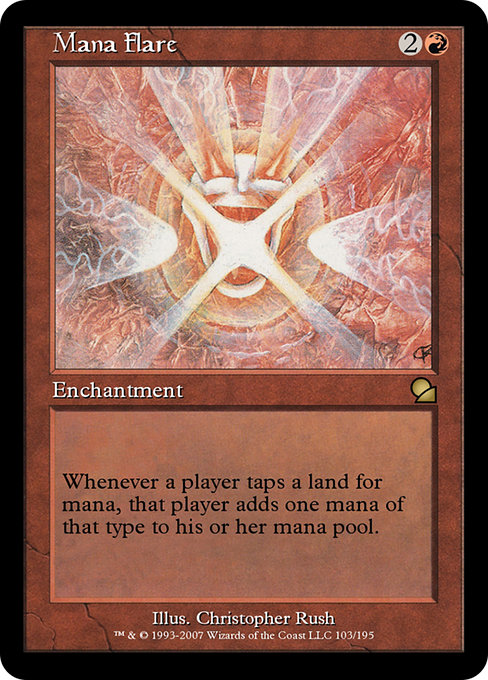
Mana Flare
-

Lightning Greaves
-
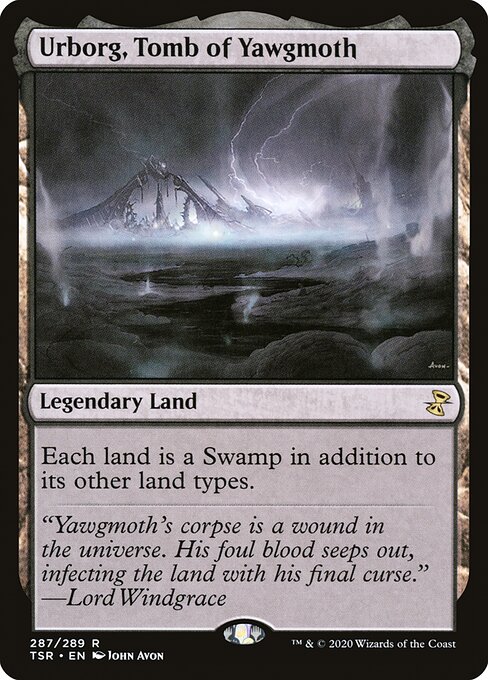
Urborg, Tomb of Yawgmoth
-
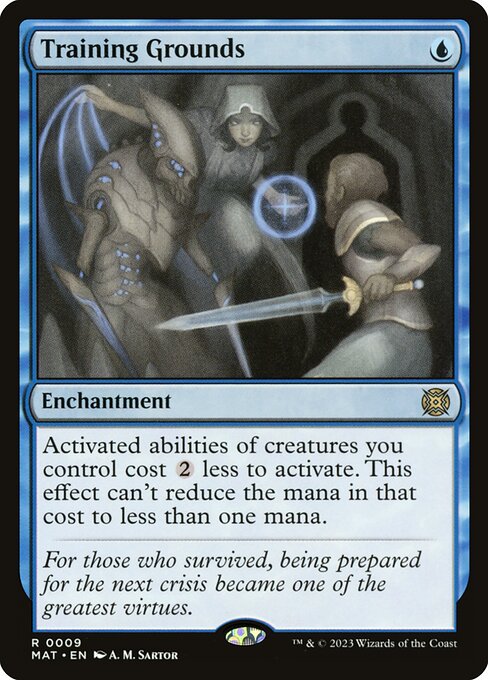
Training Grounds
-
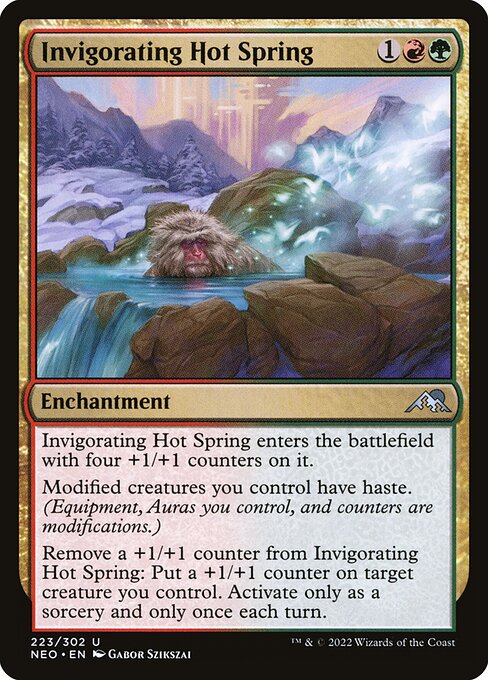
Invigorating Hot Spring
-

Life from the Loam
-

Talisman of Dominance
-

Stomping Ground
Gameplay Summary
The game began with players setting up their mana bases and early board presence, including key lands and enchantments that would boost their strategies.
One player focused on a graveyard reanimator plan with The Scarab God, leveraging cards like Urborg, Tomb of Yawgmoth to increase swamp production and training grounds to reduce reanimation costs.
Another player aimed to draw large amounts of cards using Griselbrand in a Golgari graveyard deck, while a third used Minsc & Boo to create a damage-focused strategy by pumping and throwing tokens.
Ian Malcolm, Chaotician introduced a chaotic element by exiling cards from players' libraries and allowing spells to be cast from the exile pile, adding unpredictability to the game. Early turns showcased strong synergy with enchantments like Howling Mine and Mana Flare increasing card draws and mana production, accelerating board development.
The Scarab God player quickly set up reanimation tools and graveyard manipulation to steal threats, while Minsc & Boo's player prepared to build up a lethal token damage output.
The Griselbrand player focused on drawing cards to fuel their graveyard and hand advantage, seeking to capitalize on the demon's powerful draw ability.
The chaotic exile mechanic from Ian Malcolm created additional opportunities and threats, influencing how players managed their resources and timing.
The game was marked by escalating turns involving multiple card draws, mana doublings, and board interactions, setting the stage for explosive plays from reanimation and token damage strategies.


![Commanders of Baldur's Gate Showcase [Commander VS 297] | Magic: the Gathering Commander Gameplay thumbnail](https://i.ytimg.com/vi/Z5TTX2J1LjQ/sddefault.jpg)


