

Deck & Commander Strategies

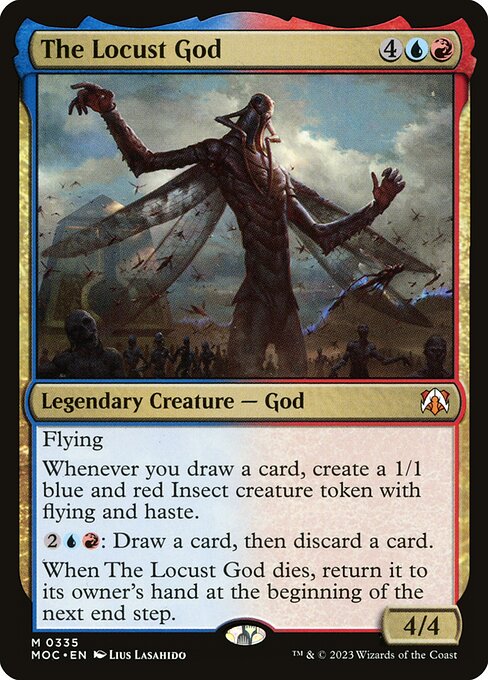
The Locust God
Draw大量 cards to create a swarm of 1/1 flying insect tokens and maintain control of the board through card advantage and potential wheels, aiming for overwhelming board presence.
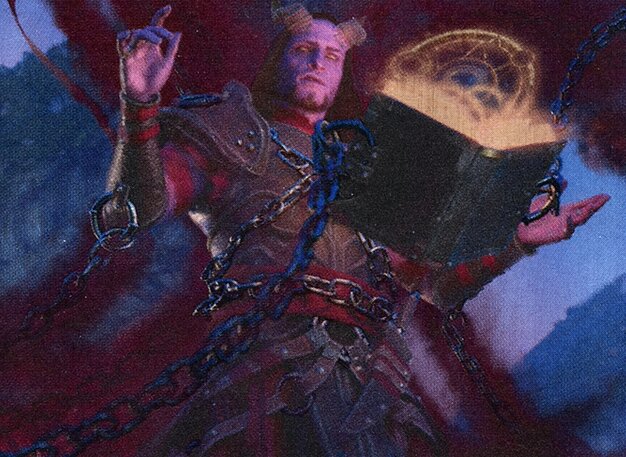
Prosper, Tome-Bound
Utilize exile-based interactions and cascade spells to play opponents' cards, generate value and incremental life drain through sacrificing permanents, focusing on resource denial and attrition.
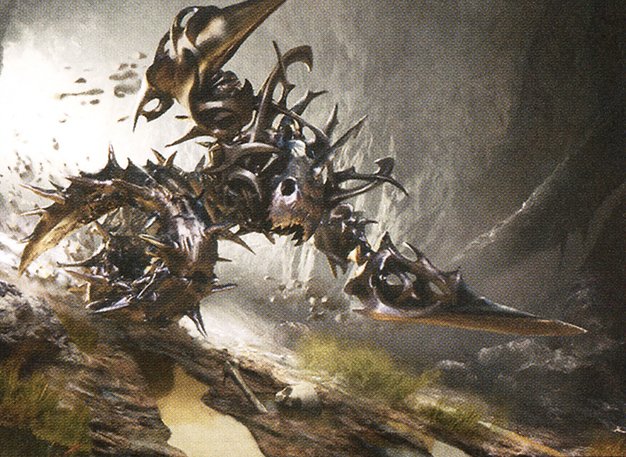

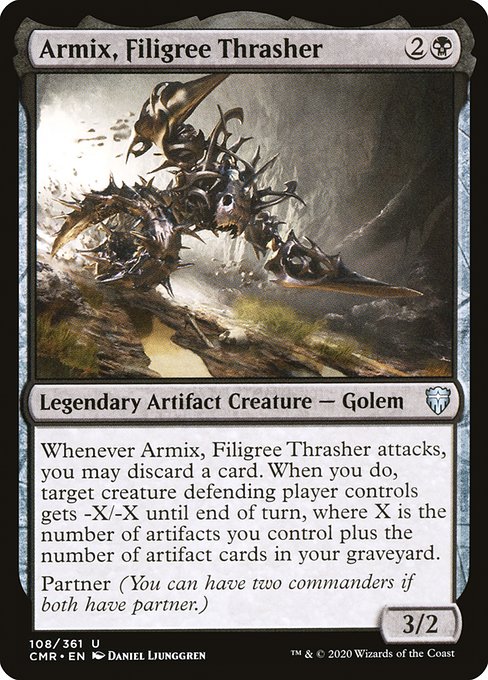
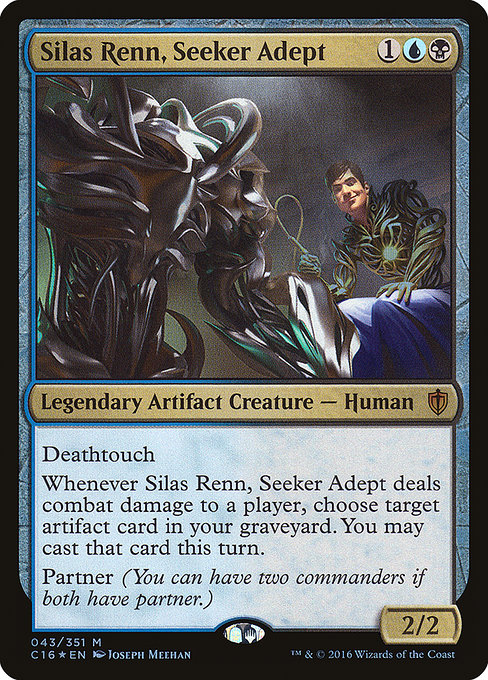
Silas Renn, Seeker Adept & Armix, Filigree Thrasher
Midrange artifact deck focused on sacrificing artifacts to fuel recursion and combos, generating infinite mana and damage outputs, leveraging synergy between artifact sacrifice and artifact-based creatures.
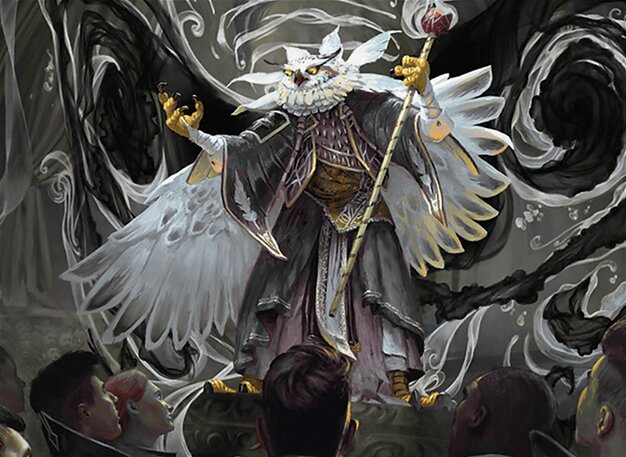
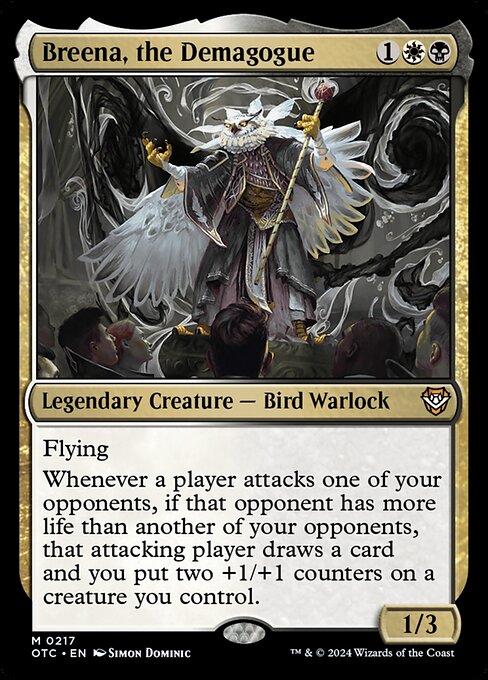
Breena, the Demagogue
A political control deck that employs land destruction, artifact and enchantment hate to disrupt opponents while manipulating combat dynamics to maintain board control and political leverage.
Gameplay Insights
- 1
Using Mystic Remora early to tax opponents' noncreature spells effectively slows down their development while providing card draw advantage.
- 2
Bloodthirsty Blade's ability to attach to opponents' creatures and force attacks creates political tension and combat manipulation.
- 3
Leveraging exile-based play with Prosper allows for stealing and playing opponents' cards, increasing resource denial and strategic options.
- 4
Artifact sacrifice synergy with Silas Renn and Armix enables recurring threats and potential infinite combos, demanding opponents prioritize artifact hate.
- 5
Cumulative upkeep management on enchantments requires players to conserve mana or sacrifice value, influencing tempo and resource decisions.
- 6
Sorcerous Spyglass is used strategically to shut down key opponent cards or abilities, demonstrating targeted disruption in multiplayer settings.
Notable Cards
-
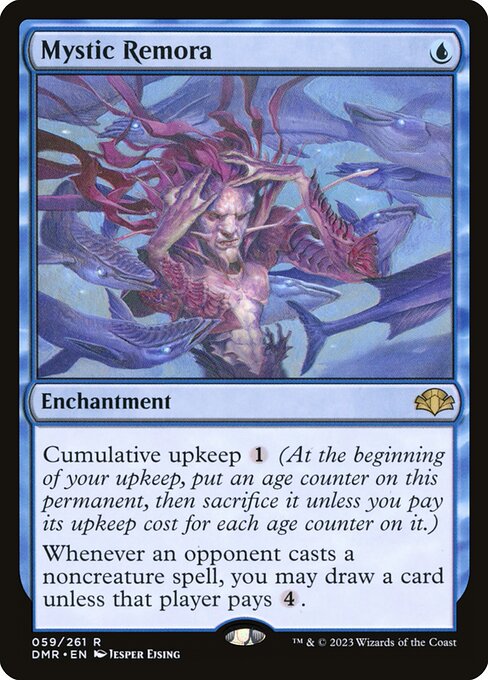
Mystic Remora
-
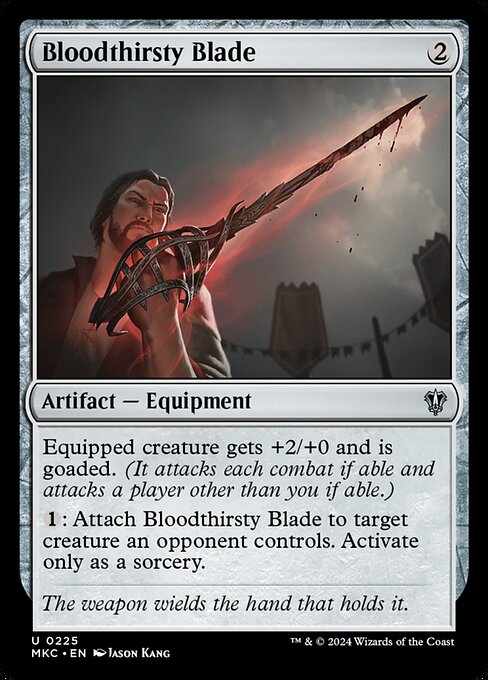
Bloodthirsty Blade
-
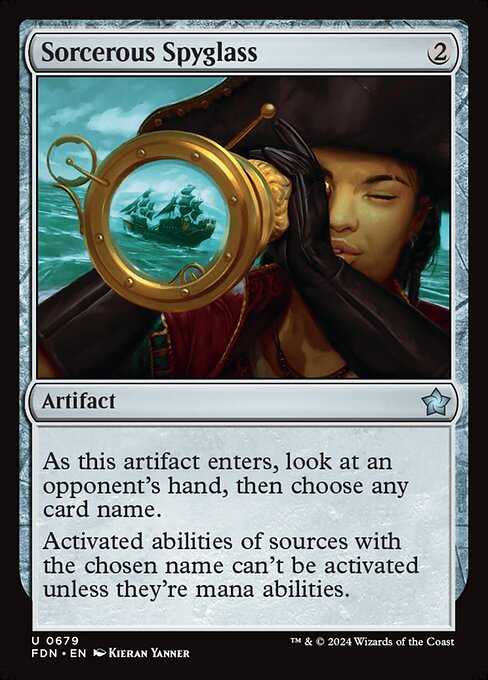
Sorcerous Spyglass
-
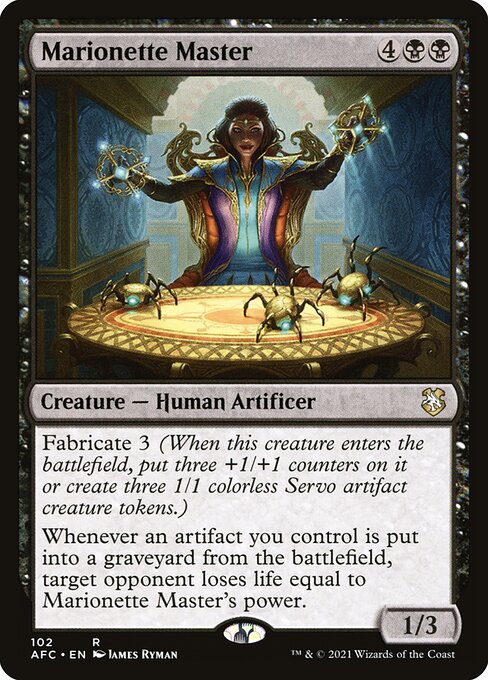
Marionette Master
-
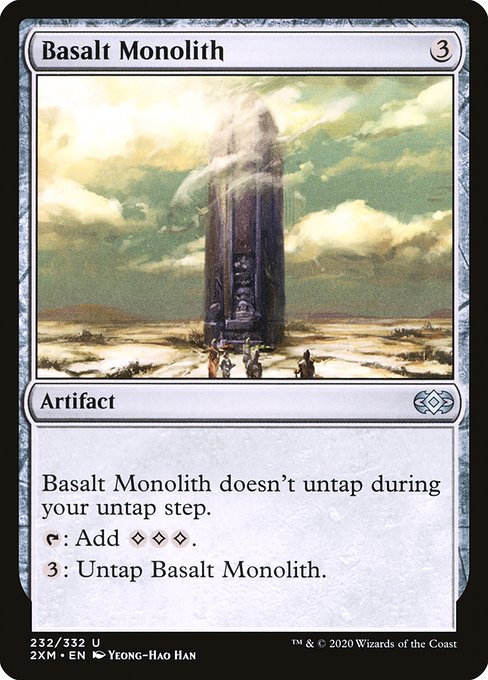
Basalt Monolith
-
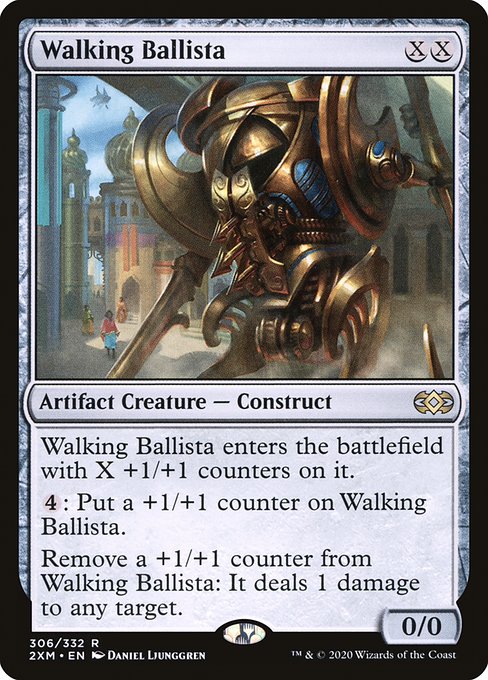
Walking Ballista
-
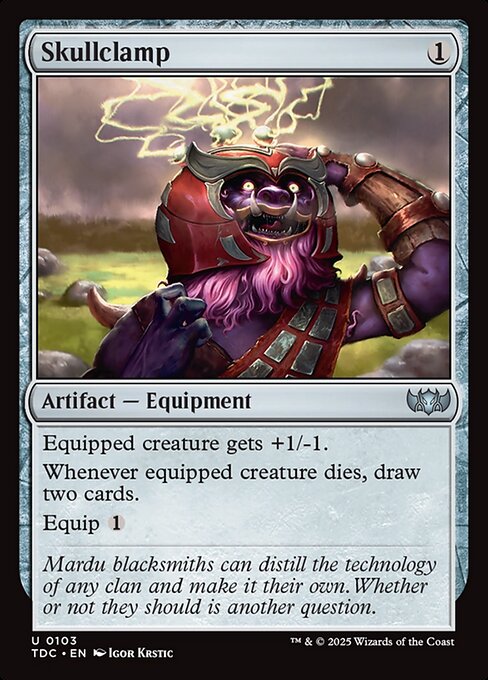
Skullclamp
Gameplay Summary
The game opened with the players setting their boards and ramping mana, with The Locust God player focusing on drawing cards to generate 1/1 insect tokens and aiming to control the board through card advantage.
Prosper, Tome-Bound utilized exile-based card interactions and cascade spells to play opponents' cards and generate value, with incidental life drain synergies through sacrificing permanents.
Silas Renn and Armix piloted a midrange artifact deck, leveraging artifact sacrifice and recursion alongside some infinite combos involving mana generation and damage.
Breena, the Demagogue employed a control-oriented strategy emphasizing land destruction, enchantment and artifact hate, and political manipulation to maintain board control and disrupt opponents.
Early turns involved setting up key pieces such as Mystic Remora for card draw taxes and equipment like Bloodthirsty Blade to influence combat dynamics.
The gameplay featured tactical decisions around maintaining mana for upkeep costs, managing the cumulative upkeep on enchantments, and leveraging abilities like Sorcerous Spyglass to limit opponents' options.


![This Time, It's Personal! [Commander VS] | Magic: the Gathering Commander Gameplay thumbnail](https://i.ytimg.com/vi/VibCoKEPrWU/sddefault.jpg)


![Commander VS S16E7: The Locust God VS Horde of Notions VS Tatyova VS Balan [EDH] thumbnail](https://i.ytimg.com/vi/yqrnU70Qx6I/sddefault.jpg)


