Deck & Commander Strategies

Ingris Stingerquill
Aggressive token generation with haste and combat damage triggers, aiming to pressure opponents quickly and leverage combat damage for incremental advantage.

Denzilore Fatehold
Utilizes life gain and board-wide buffs to strengthen creatures and maintain board presence, focusing on incremental value and combat damage.

Uldaros Theorix
Control and card advantage through spells like Ancestral Visions, combined with strategic removal and recursion to maintain board presence.

Kwia Vigorbloom
Life gain synergy combined with token production and value creatures to control the board and outlast opponents through incremental advantage.
Gameplay Insights
- 1
Using Malakir Rebirth immediately after a board wipe to bring back a key creature preserved tempo and board presence.
- 2
Max's repeated use of Scavenging Ooze to exile key permanents gained life and generated multiple Lotus tokens, leveraging incremental advantage.
- 3
The synergy between life gain creatures like Soul Warden and token generators helped sustain Max’s resilience against aggressive damage.
- 4
Strategic timing of removal spells such as Beast Within and Lightning Bolt was crucial, often met with responses like Cloudshift to protect valuable creatures.
- 5
Walking Ballista was carefully managed with adding and removing counters to control opposing creatures and maintain board dominance.
- 6
Mass Hysteria combined with haste enablers allowed for multiple quick attacks in one turn, amplifying damage output.
- 7
Players capitalized on surveil and scry effects to optimize draws and maintain card advantage throughout the game.
Notable Cards
-
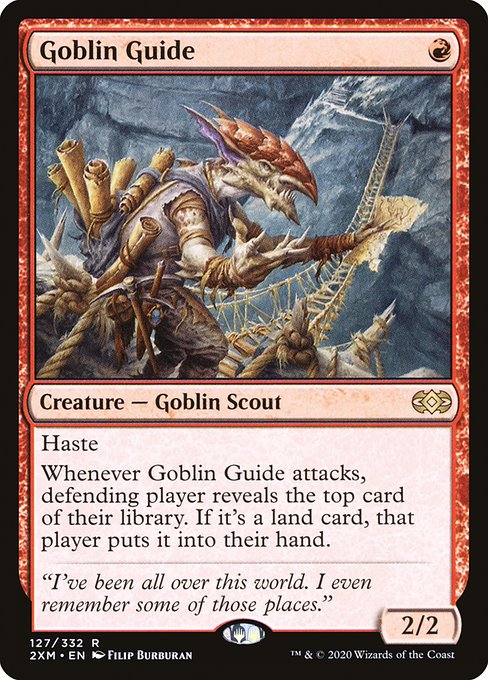
Goblin Guide
-
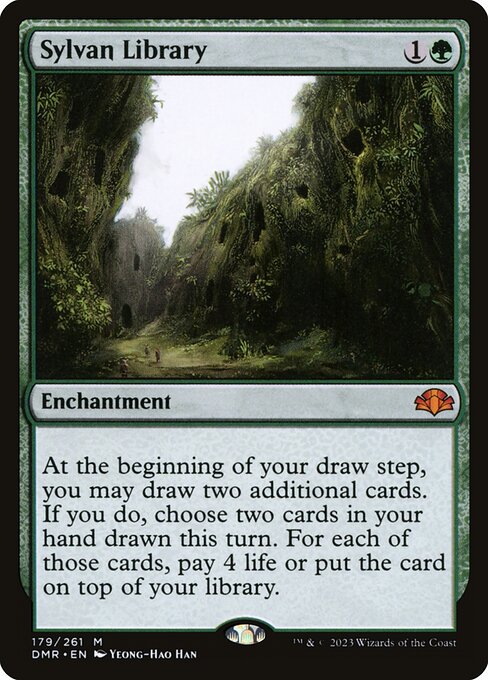
Sylvan Library
-
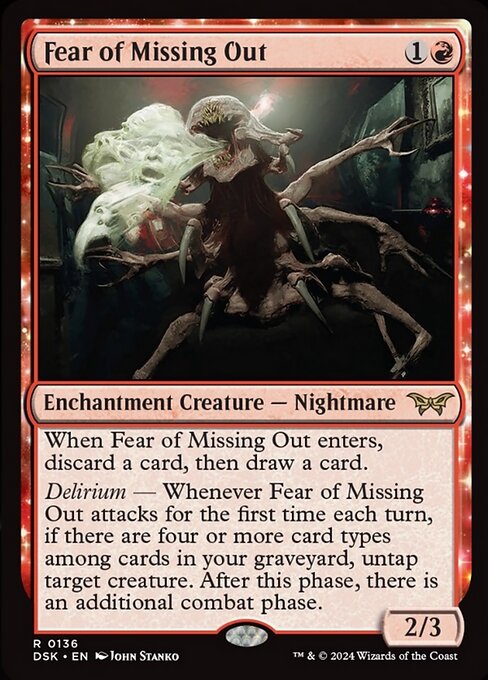
Fear of Missing Out
-
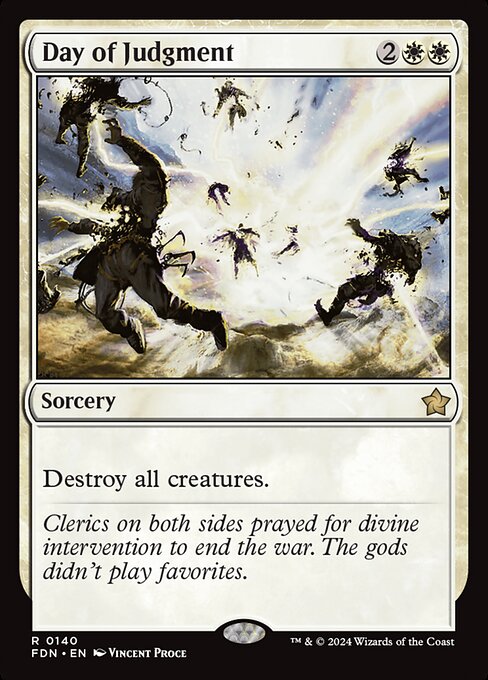
Day of Judgment
-
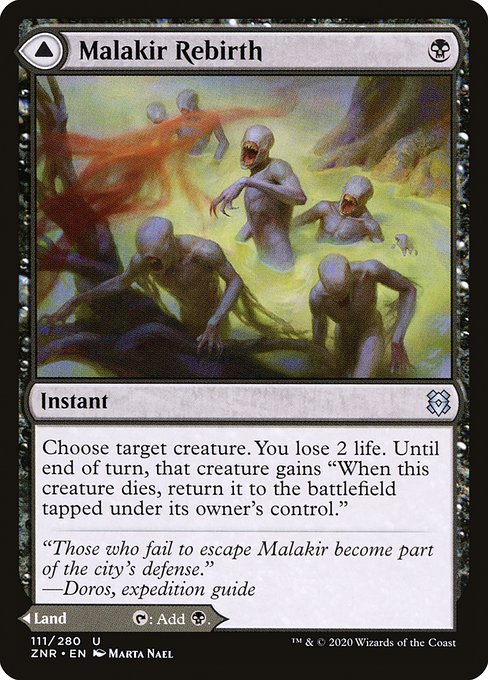
Malakir Rebirth // Malakir Mire
-

Loyal Subordinate
-

Denzilore Fatehold
-

Elrond, Lord of Rivendell
-
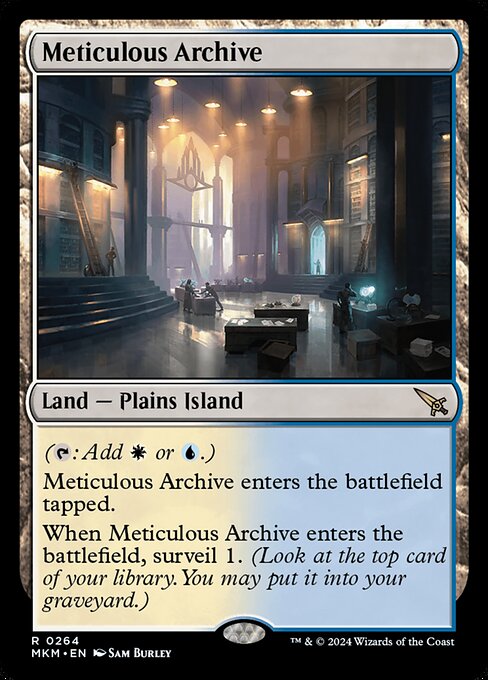
Meticulous Archive
-

Wave Goodbye
-
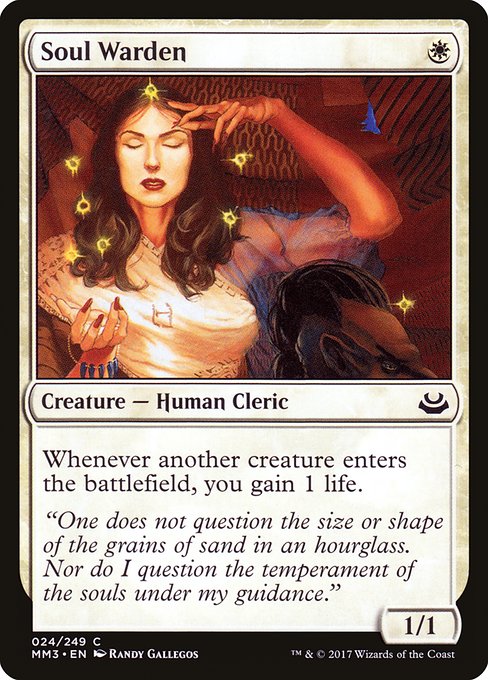
Soul Warden
-
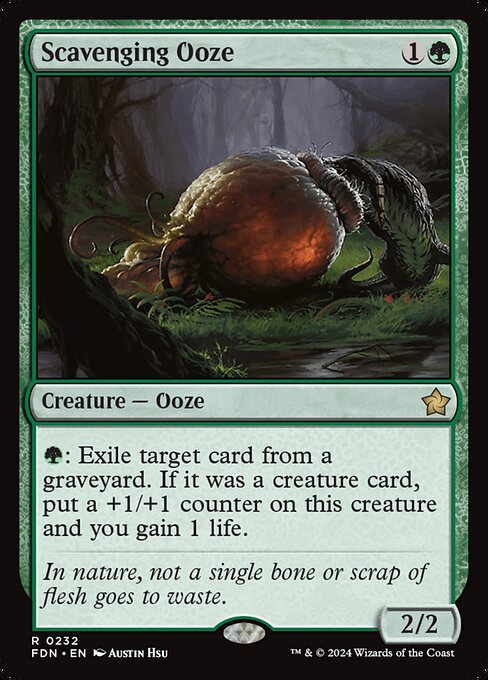
Scavenging Ooze
-
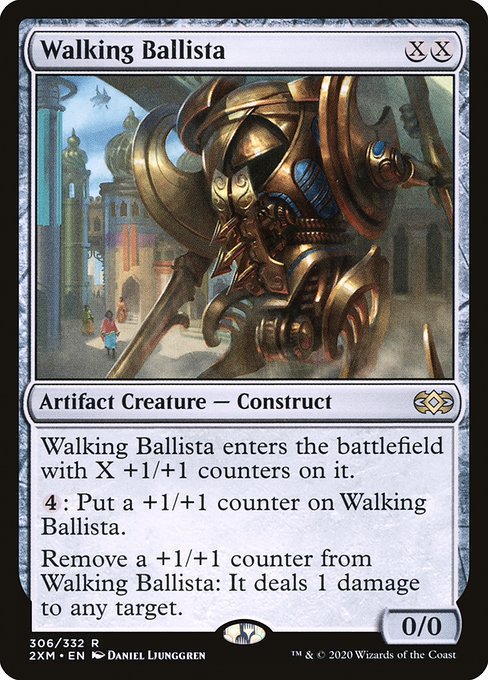
Walking Ballista
-

Lyra, Archangel of Dawn
-

Beast Within
-

Cloudshift
-
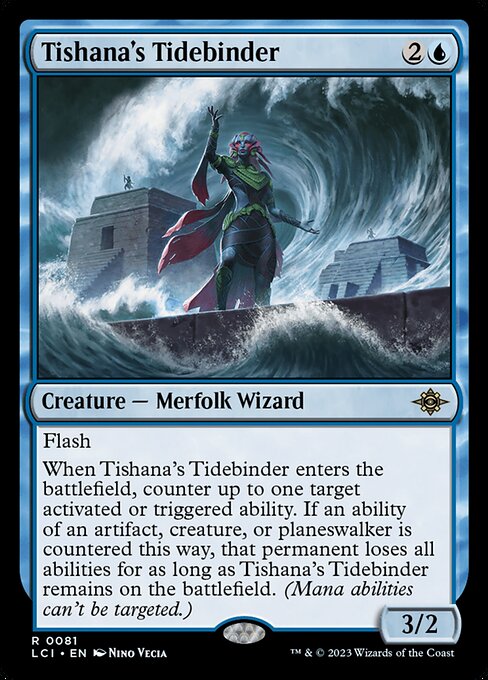
Tishana's Tidebinder
-
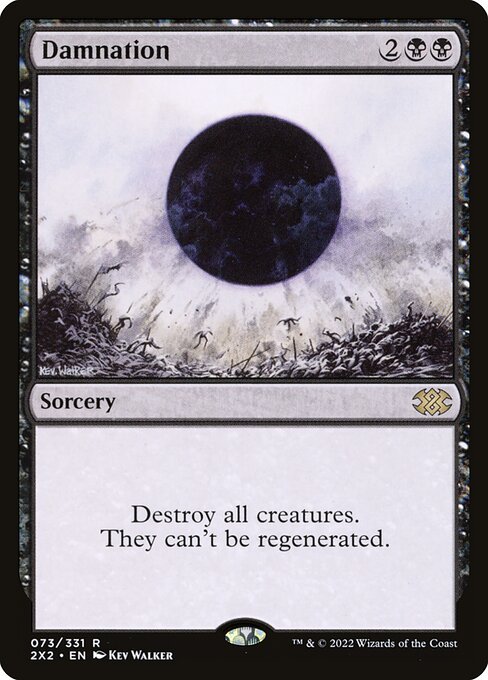
Damnation
-
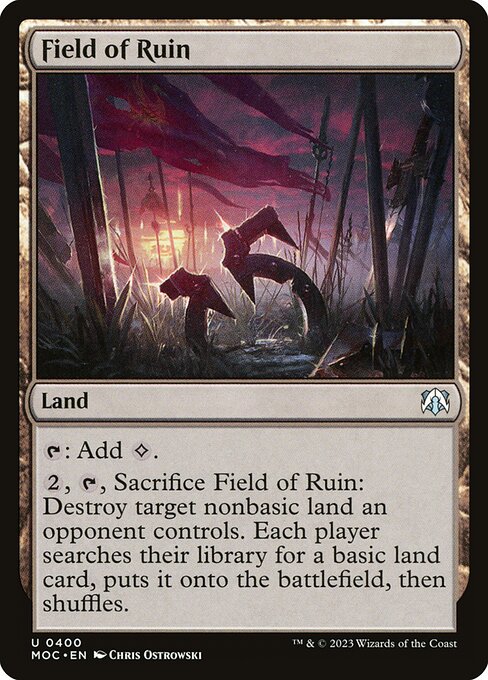
Field of Ruin
Gameplay Summary
The game began with aggressive early plays, including a Goblin Guide dealing early damage and setting a tempo-driven combat environment.
Players established board presence with a mix of creatures, ramp, and enchantments, while also employing card draw and value engines such as Ancestral Visions and Sylvan Library.
A major turning point occurred when a board wipe was cast but immediately countered by a reanimation effect, allowing the player to maintain pressure and tempo.
Combat phases repeatedly involved damage spreads from creatures like Loyal Subordinate and Denzilore, and damage-pumping effects were prevalent. Midgame centered on life gain synergies and board control, with several players deploying life gain creatures such as Soul Warden and Scavenging Ooze, which also generated tokens and incremental advantage.
Key interactions included multiple uses of activation and triggered abilities to manage threats and capitalize on life gain, as well as strategic removal plays like Beast Within and Lightning Bolt, which were often countered or mitigated.
One player leveraged a Walking Ballista with incremental counters for board control, while others focused on creating and utilizing creature tokens to push damage. By the late midgame, Max’s deck appeared focused on sustaining life and controlling the board through incremental advantages and efficient removal, culminating in casting powerful threats like Lyra, Archangel of Dawn, and repeatedly adding counters to Walking Ballista.
The game’s pace was dictated by repeated combat damage and synergy exploitation, with Max managing to stabilize through lifegain and board wipes, while other players attempted to leverage their commanders and supporting cards to maintain offensive pressure.
The game was marked by significant interactions around life gain, token generation, and timely removal spells.