


Deck & Commander Strategies

Muddle, the Ever-Changing
Leverages its ability to copy other creatures to generate value and board presence, using spells like Deep Analysis and Expressive Iteration for card advantage and multiple combat phases with myriad triggers to overwhelm opponents.
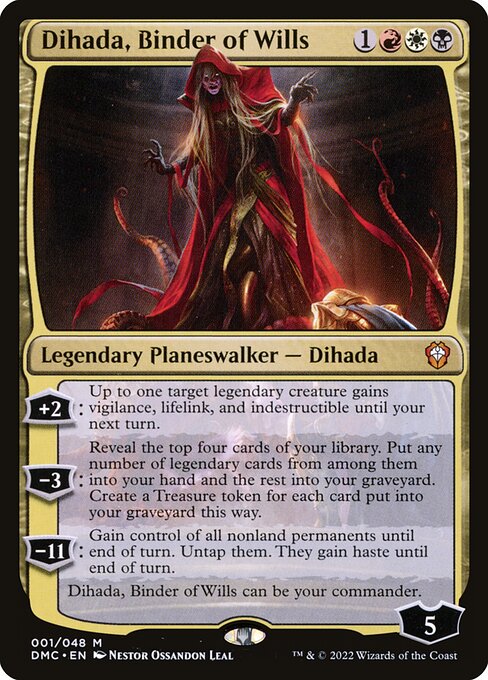
Dihada, Binder of Wills
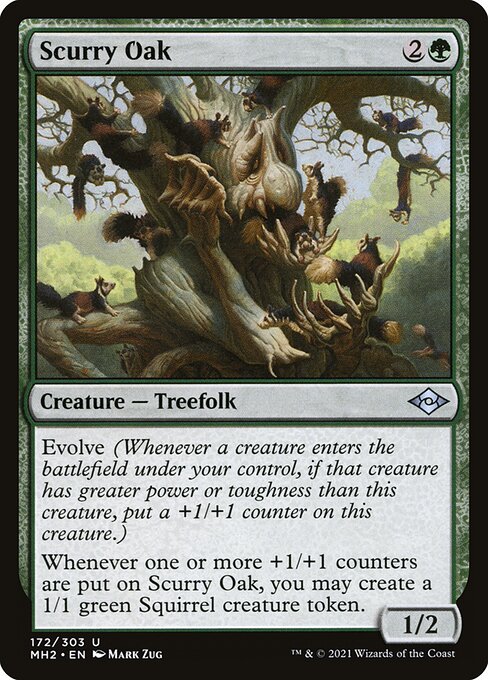
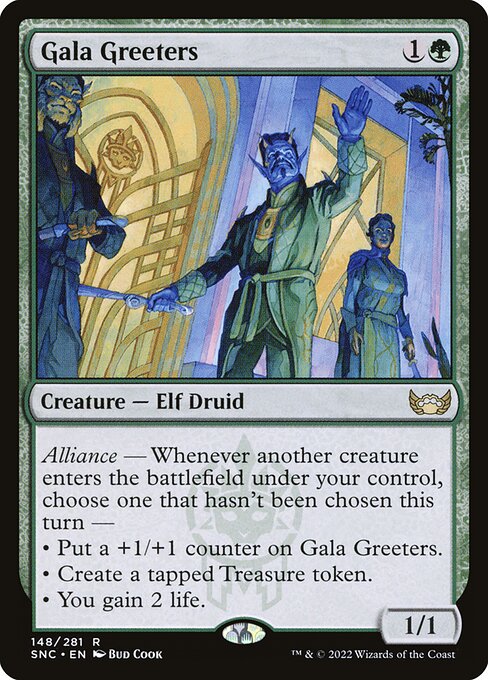
Focuses on counter manipulation and token generation, using creatures like Scurry Oak and Gala Greeters to build a growing board state with treasures, tokens, and life gain, supporting a slow but steady attrition game plan.
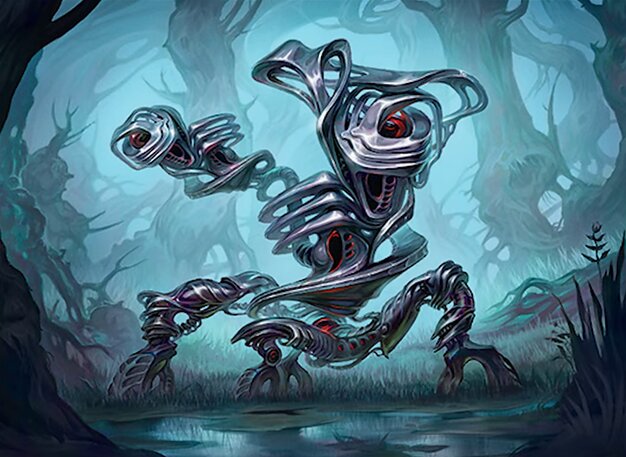
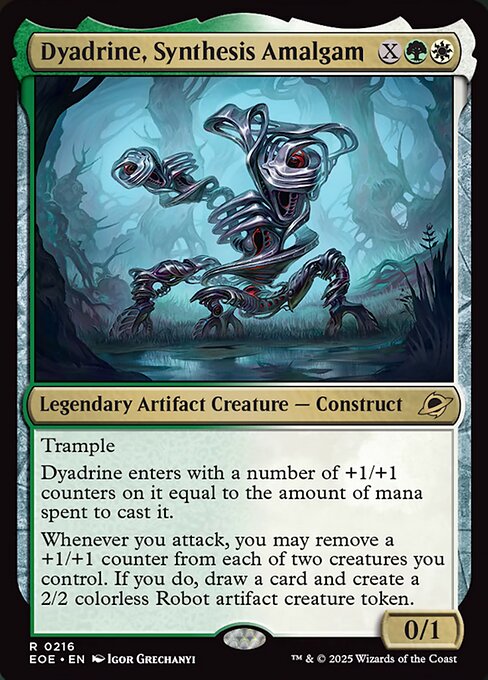
Dyadrine, Synthesis Amalgam
Aims to accumulate +1/+1 counters to draw cards and create robot tokens, combining with evolving creatures like Scurry Oak to build a resilient and card-drawing army that gains incremental advantage over time.

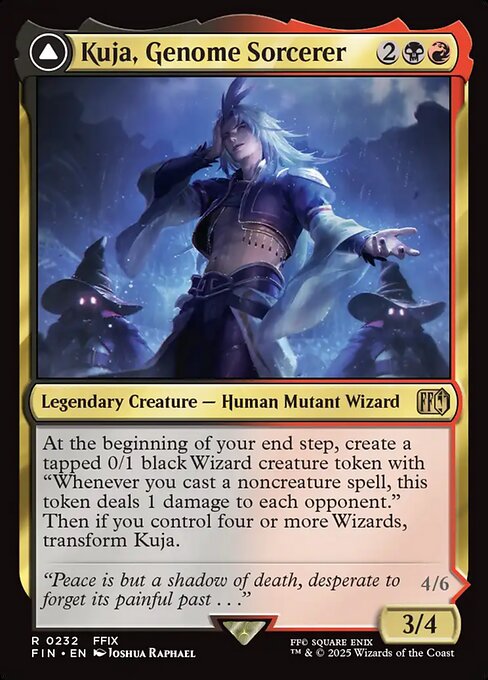
Kuja, Genome Sorcerer // Trance Kuja, Fate Defied
Creates numerous 0/1 wizard tokens that synergize with damage doubling effects and token synergies, transforming into Trance Kuja to enhance token production and apply pressure through wide attacks.
Gameplay Insights
- 1
Muddle's use of copying and myriad triggers to swarm the board with multiple copies allowed for effective multi-target pressure and card draw.
- 2
Diadrine’s ability to draw cards and generate robot tokens each time it entered or attacked was pivotal in maintaining card advantage and board development.
- 3
The interplay between token producers and evolving creatures like Scurry Oak created a cascading effect of token generation and value accumulation.
- 4
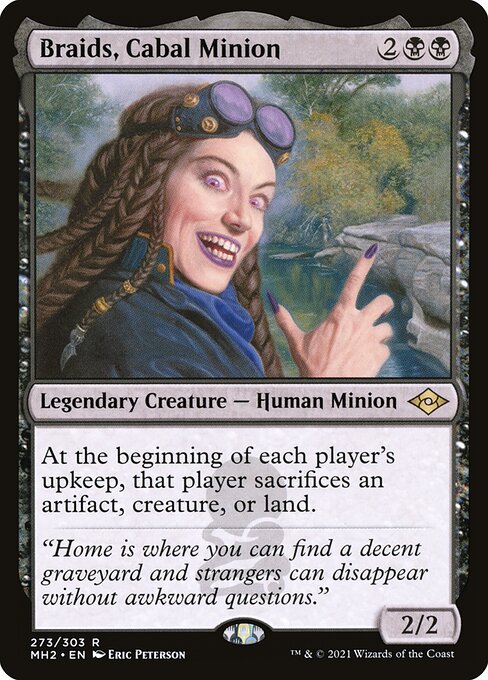
Braids, Cabal Minion’s forced artifact sacrifice disrupted opponents’ boards while also enabling resource denial.
- 5
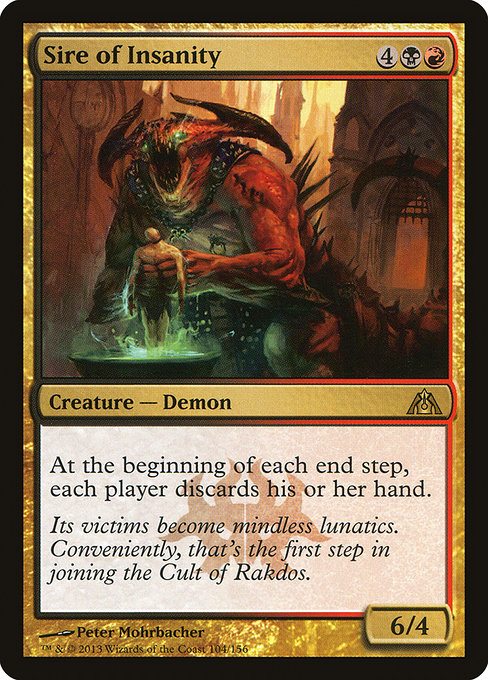
Sire of Insanity created discard pressure to disrupt opponent hands, but was promptly removed to prevent prolonged effect.
- 6
Kuja’s transformation into Trance Kuja doubled token output, synergizing with damage doubling effects to maximize token damage.
- 7
Strategic use of removal spells like Path to Exile and Beast Within at key moments prevented dangerous threats from overwhelming the board.
- 8
Players adeptly managed combat blocks and trades to slow down opponents' aggression while preserving their own board states.
Notable Cards
-

Muddle, the Ever-Changing
-
Kuja, Genome Sorcerer // Trance Kuja, Fate Defied
-
Sire of Insanity
-

Archmage Emeritus
-
Braids, Cabal Minion
-
Scurry Oak
-
Gala Greeters
-

Beast Within
-

Harmonic Prodigy
-
Spark Double
-

Deep Analysis
-

Expressive Iteration
Gameplay Summary
The game opened with players establishing their mana bases and deploying early threats and utility creatures.
Diadrine, Synthesis Amalgam quickly became a major board presence, growing stronger with each re-cast and drawing multiple cards as counters accumulated.
Muddle, the Ever-Changing took advantage of copying and transforming into other impactful creatures like Archmage Emeritus to generate card advantage and pressure.
Kuja, Genome Sorcerer also made a significant impact by creating multiple wizard tokens and flipping into Trance Kuja, Fate Defied, amplifying token production and damage output. Key turning points included Liliana the Veil's early removal and disruption, followed by strategic plays like multiple copies of Muddle attacking and the use of Braids, Cabal Minion to force artifact sacrifices.
Sire of Insanity created discard chaos, which was countered with removal like Beast Within.
The synergy between creatures and token producers like Scurry Oak and Gala Greeters fueled a steady stream of tokens, life gain, and card draws.
The game saw intense combat phases with blocks and trades that gradually whittled down opponents' life totals.
Ultimately, Diadrine's ability to generate card draws and tokens combined with artifact synergies allowed its pilot to stabilize and outpace opponents, winning through incremental value and board control.