
Deck & Commander Strategies
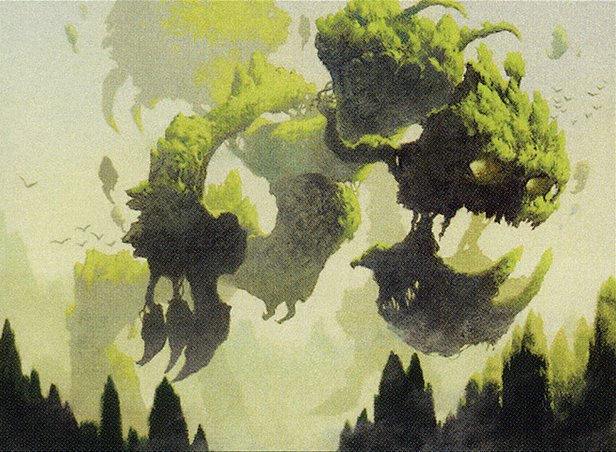
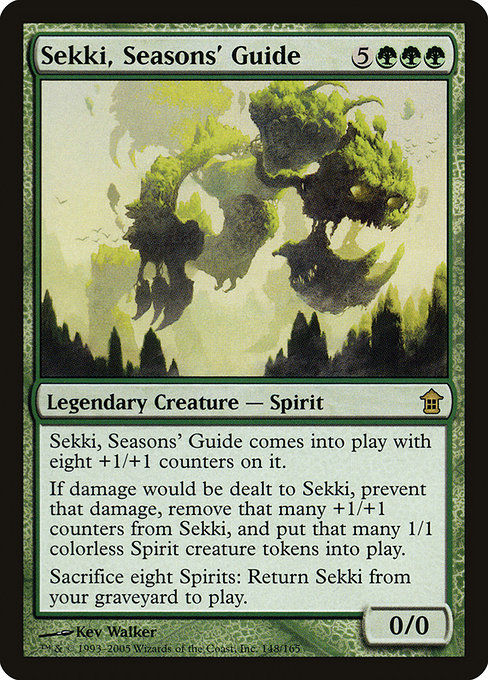
Sekki, Seasons' Guide
Mono-green deck focused on sacrificing creatures and using +1/+1 counters to grow threats and gain value through synergistic effects.
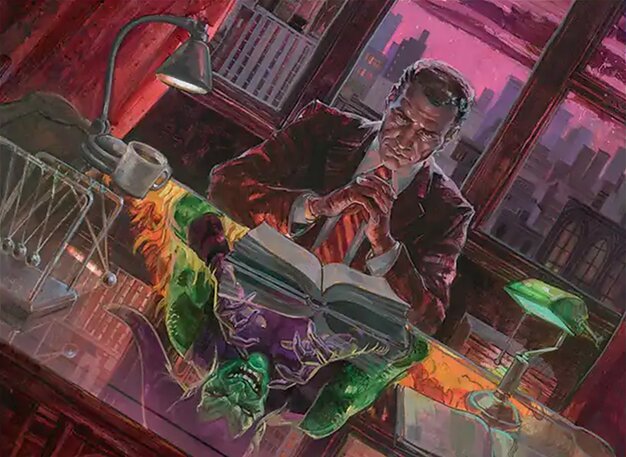
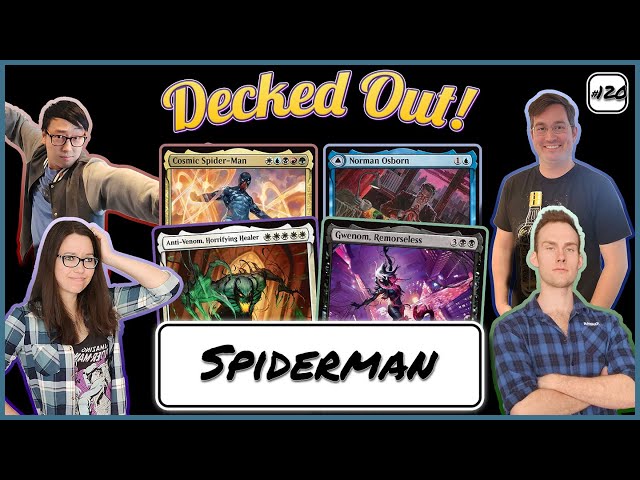
Norman Osborn // Green Goblin
Villain-themed deck centered on deploying numerous villain creatures to deal combat damage and disrupt opponents with discard and mayhem effects.
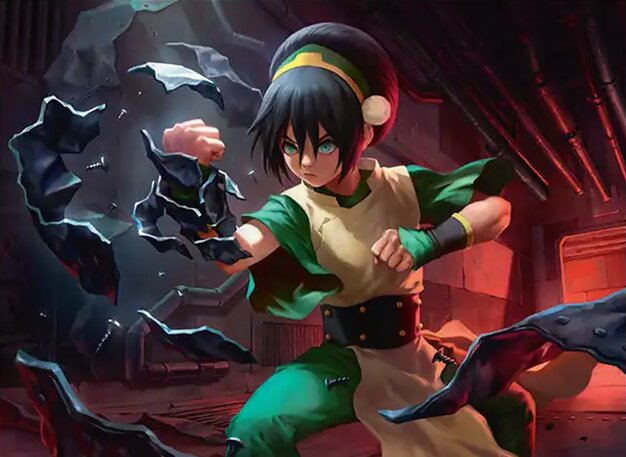
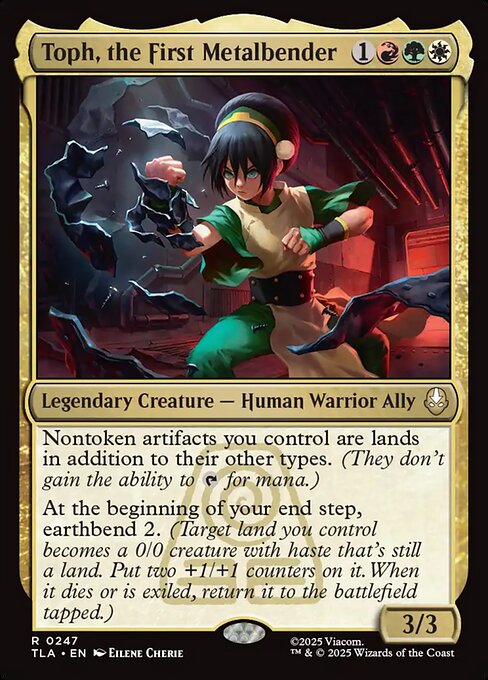
Toph, the First Metalbender
Landfall ramp deck that accelerates mana through land drops and mana dorks to deploy large threats and maintain board dominance.
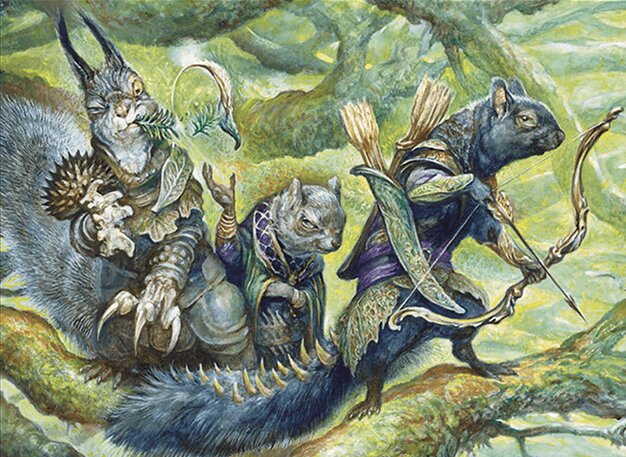
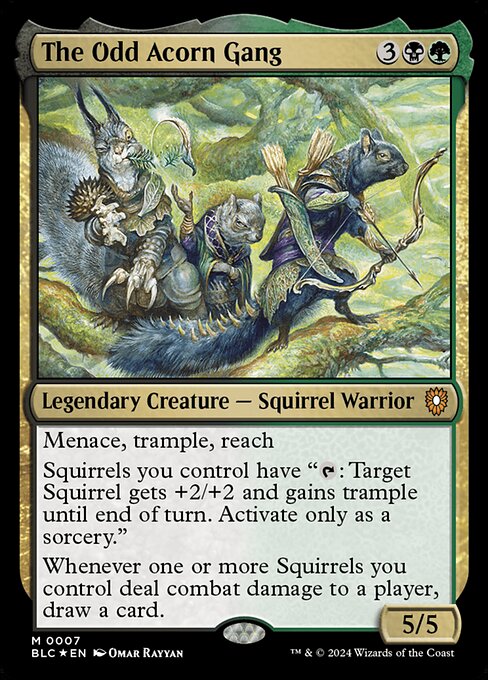
The Odd Acorn Gang
Squirrel tribal deck that generates and leverages a swarm of tokens to overwhelm opponents with incremental tribal synergies.
Gameplay Insights
- 1
Sekki's deck effectively combined sacrifice with +1/+1 counters, creating a resilient and growing board presence.
- 2
Norman Osborn's emphasis on villain creatures created a recurring threat that was difficult for opponents to block or manage.
- 3
Ramp and landfall in Toph's deck allowed for explosive turns with big creatures, pressuring opponents early and often.
- 4
The Odd Acorn Gang's token-generation strategy was slower but provided steady incremental pressure through tribal synergies.
- 5
Players utilized synergy between creatures and lands to maximize value, such as sacrificing Sakura-Tribe Elder for mana ramp and triggering landfall effects.
Notable Cards
-

Sakura-Tribe Elder
-
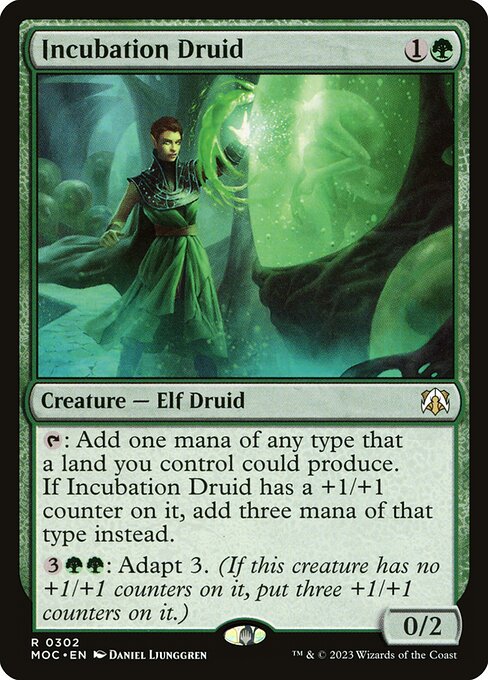
Incubation Druid
Gameplay Summary
The game began with a diverse four-player setup featuring a mono-green sacrifice and plus-one counters deck, a villain-themed deck focused on bad guys and discard, a squirrel tribal deck, and a land-centric metalbender deck.
Early turns focused on ramping mana and establishing board presence with key lands and creatures such as Sakura-Tribe Elder and other mana dorks.
Norman Osborn's deck aimed to flood the board with villain creatures, gaining incremental advantage through combat damage and discard effects, while Sekki, Seasons' Guide leveraged sacrifice synergies and counters to grow creatures and gain value.
Meanwhile, The Odd Acorn Gang squirrel deck played a more tribal and token-based game plan, slowly building up a swarm of small creatures.
Toph, the First Metalbender, used landfall and ramp strategies to accelerate mana and smash with bigger threats.
Key turning points emerged as players began activating synergies: Sekki's sacrifice and counter interactions started gaining momentum, while Norman Osborn pushed aggressive board states with relentless villain creatures.
Toph's ramp allowed for impactful land drops and larger threats, putting pressure on opponents.
Meanwhile, the squirrel tribal deck played a slower game, focusing on incremental token generation and synergy.
The game featured a mix of resource management, creature combat, and incremental advantage through both sacrifice and tribal synergies.
The eventual win condition appeared to revolve around overwhelming opponents with either a massive board of villains or a well-supported swarm of creatures enhanced by counters and sacrifice triggers.