
Deck & Commander Strategies

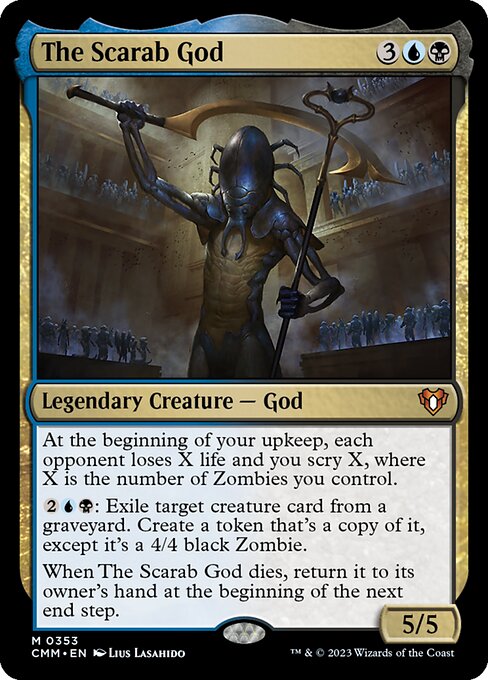
The Scarab God
Utilizes zombie tribal with graveyard recursion and token doubling to build a resilient board of menace zombies that can chip away opponents while gaining incremental value from zombie synergies.

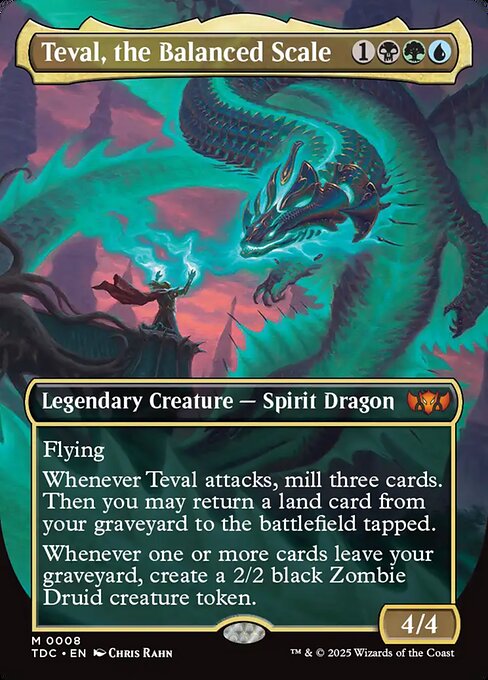
Teval, the Balanced Scale
Focused on a balanced approach aiming to ramp and control the board, but did not establish a strong foothold early enough to impact the game decisively.
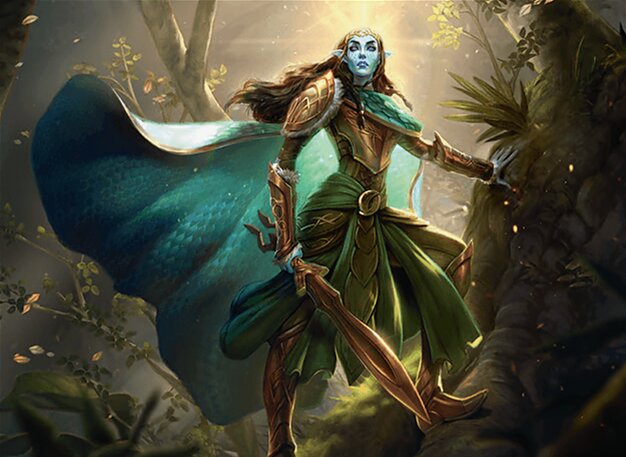
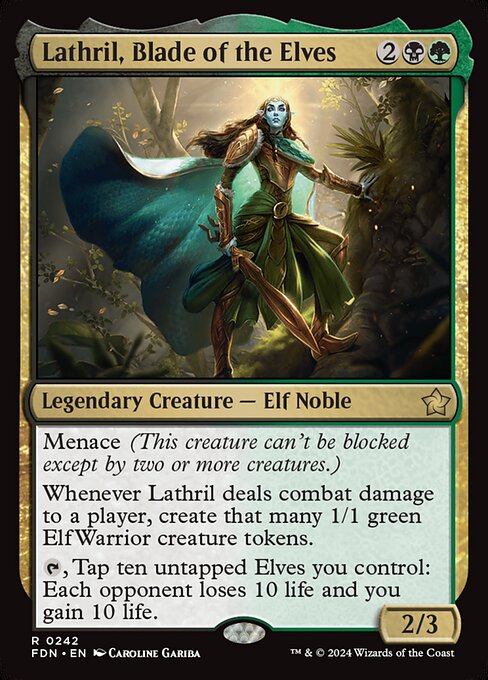
Lathril, Blade of the Elves
Leverages elf token generation combined with enchantments like Parallel Lives and lifelink buffs to create a wide board of elves that can overwhelm opponents through attrition and large attacks.
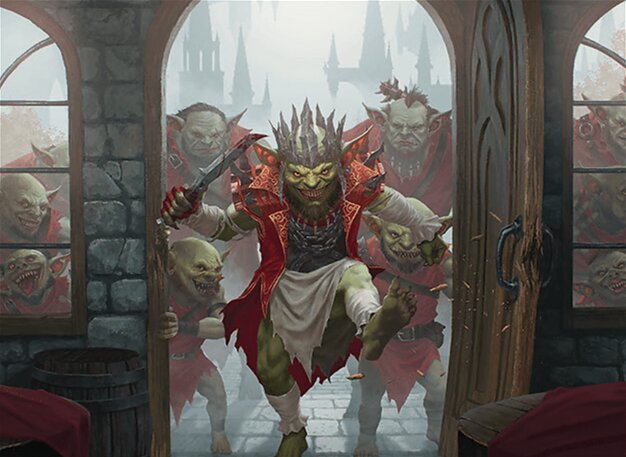
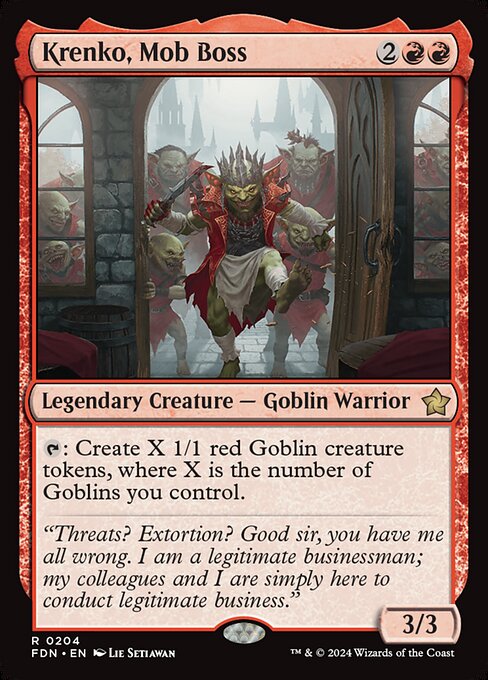
Krenko, Mob Boss
A classic goblin tribal deck that rapidly produces swarms of goblin tokens, boosted by artifacts like Banner of Kinship and Illusionist's Bracers to double token production and copy activated abilities, enabling overwhelming aggressive attacks with hasty goblins.
Gameplay Insights
- 1
Krenko's player used Illusionist's Bracers to double the activated ability that generates goblin tokens, effectively creating twice as many tokens per activation, which led to a rapid army buildup.
- 2
The use of Banner of Kinship on goblins further increased the power and toughness of goblin tokens, turning them into formidable five-five creatures.
- 3
Scarab God player’s Necroduality doubled every zombie entering the battlefield, synergizing well with tokens like Diregraf Colossus and Carrion Feeder to quickly establish board presence.
- 4
Nicol Bolas, Gearhulk was used early to remove key threats like Lathril, slowing down elf token production and lifegain synergy.
- 5
Impact Tremors was highlighted as a strong synergy card for Krenko, dealing incremental damage to opponents whenever goblins entered the battlefield, pressuring life totals even without attacking.
- 6
Despite Scarab God's strong synergy and Lathril’s token growth, the overwhelming speed and volume of Krenko's goblin token generation proved too much to handle in this game.
Notable Cards
-
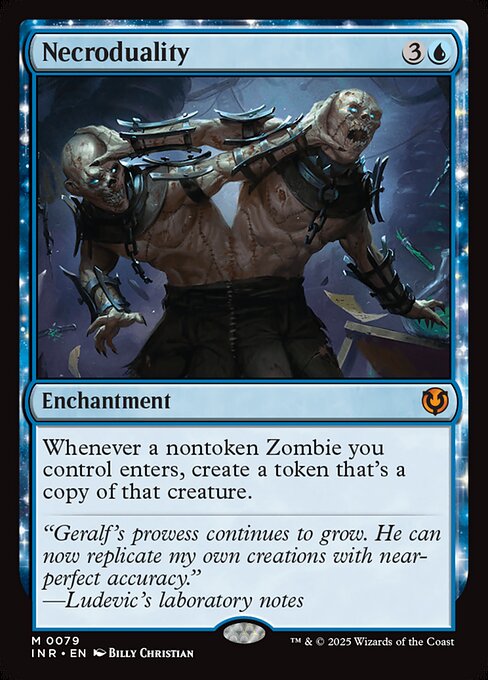
Necroduality
-

Elvish Archdruid
-
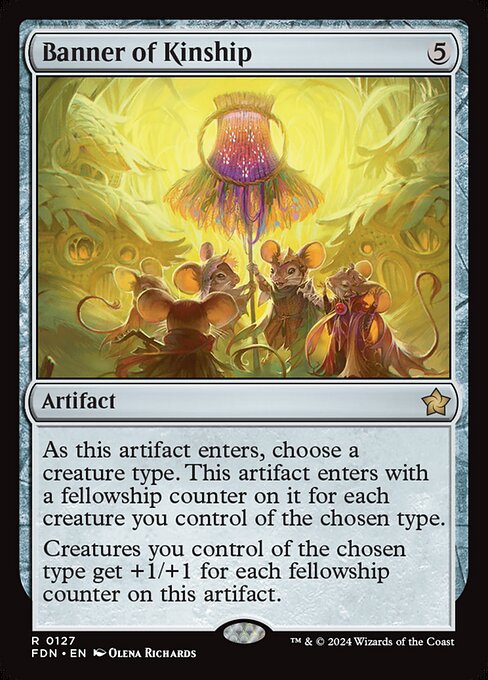
Banner of Kinship
-
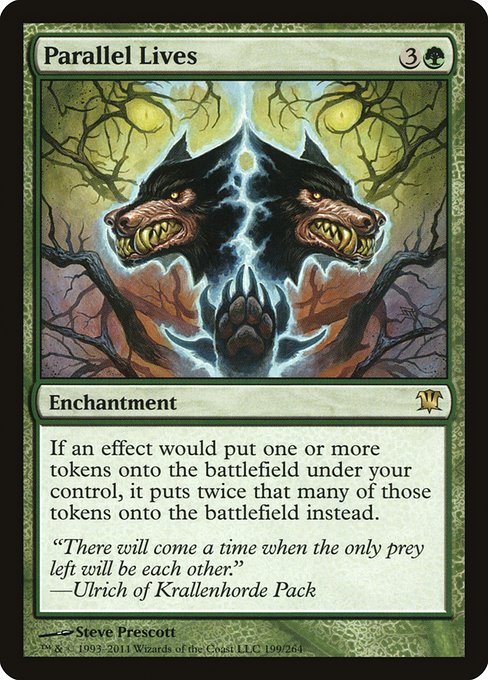
Parallel Lives
-
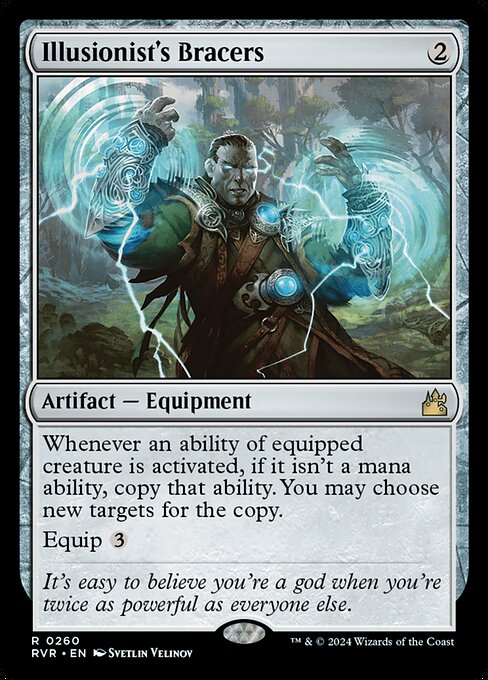
Illusionist's Bracers
-
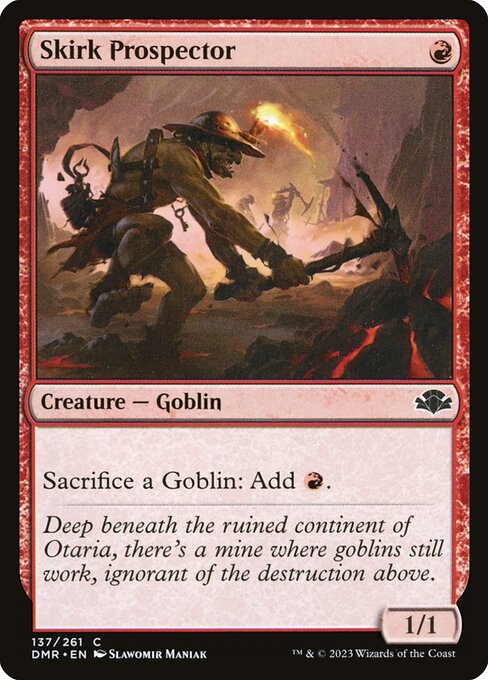
Skirk Prospector
-
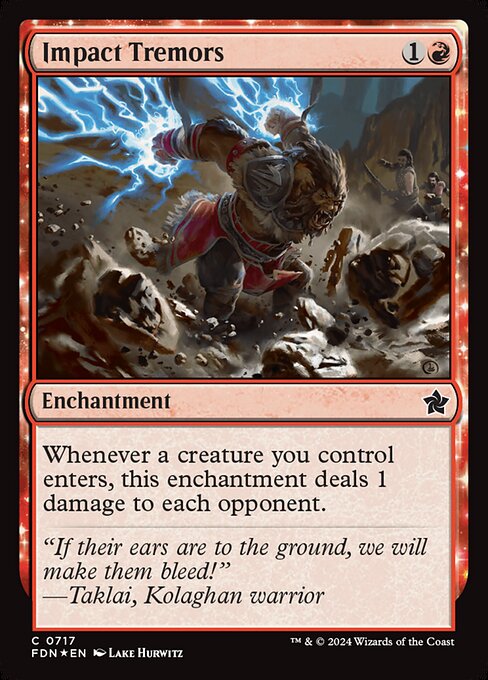
Impact Tremors
-
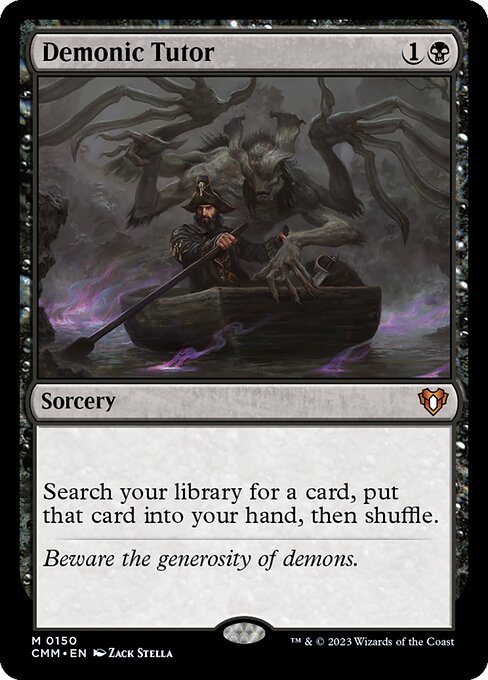
Demonic Tutor
-
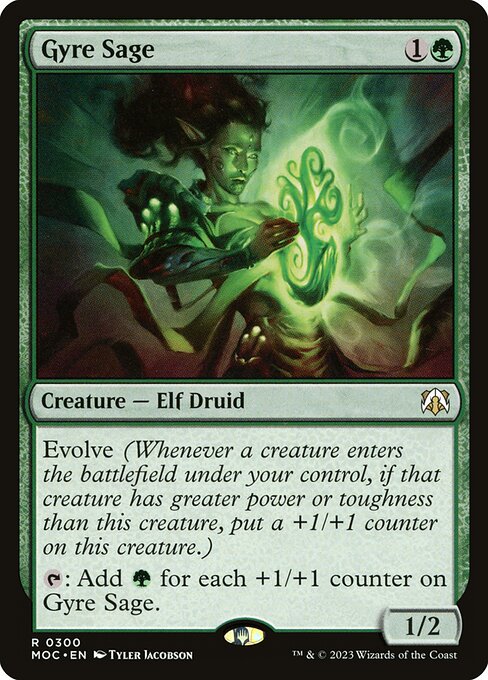
Gyre Sage
-
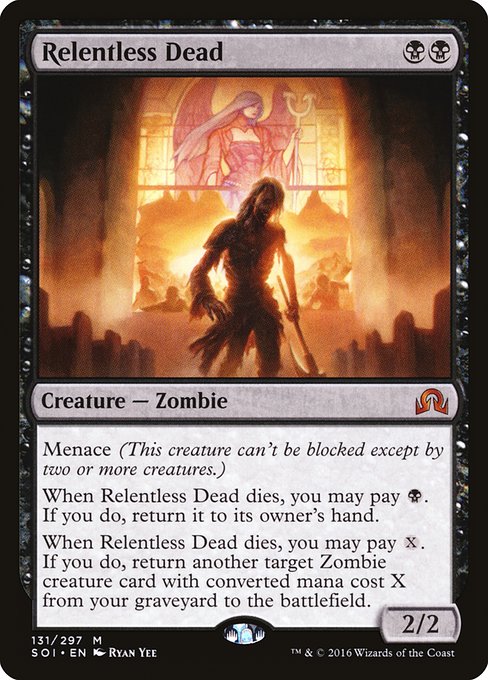
Relentless Dead
-
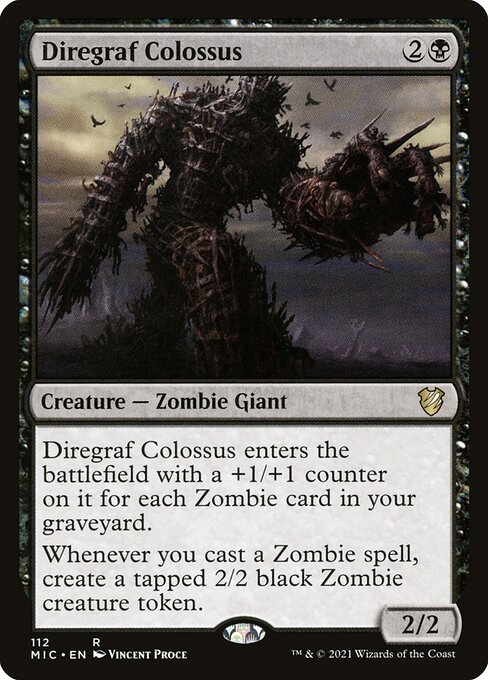
Diregraf Colossus
Gameplay Summary
The game started with a typical ramp and setup phase, with each player establishing their mana base and early board presence.
The Scarab God player focused on generating zombies and leveraging graveyard recursion with cards like Graph Harvest, Relentless Dead, and Necroduality to double zombie tokens and establish a resilient board state.
The Teval player made some early plays but was quickly put on the back foot.
Lathril's player developed an elf synergy with Elvish Archdruid, Banner of Kinship, and Parallel Lives to create a wide token army with lifelink and +1/+1 counters.
Meanwhile, Krenko's goblin deck exploded onto the battlefield, rapidly generating massive numbers of goblins, boosted by Banner of Kinship and Illusionist's Bracers, resulting in multiple large five-five goblins with haste pushing heavy pressure on other players.
A key turning point was Krenko's overwhelming token generation combined with mana acceleration and doubling effects, which quickly overwhelmed opposing defenses.
The Scarab God deck tried to stabilize with recursion and board presence but struggled to keep pace with the goblin swarm.
Lathril's elf tokens were destroyed early by Nicol Bolas, Gearhulk, weakening that player's position.
Ultimately, Krenko's ability to generate large, hasty creatures en masse and pressure all opponents simultaneously became the dominant force on the board.
The game ended soon after Krenko's massive attack overwhelmed the opponents, demonstrating the raw explosive potential of goblin tribal in Commander.
.


![Commander Versus Series: Deck Tech - Krenko v. Rhys v. Kangee v. Yeva [MTG Multiplayer] thumbnail](https://i.ytimg.com/vi/dUX1ieofYg0/sddefault.jpg)


