Deck & Commander Strategies

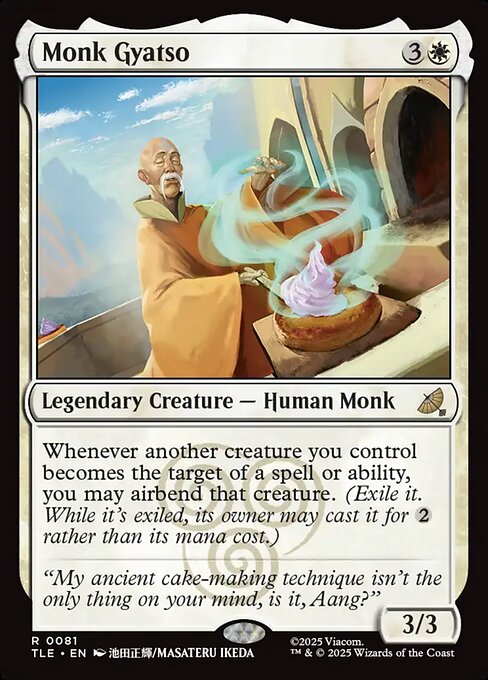
Monk Gyatso
Utilizes artifact acceleration and card draw synergies, especially with Skullclamp and Stoneforge Mystic, to maintain resource advantage and set up combo or value engine finishers.
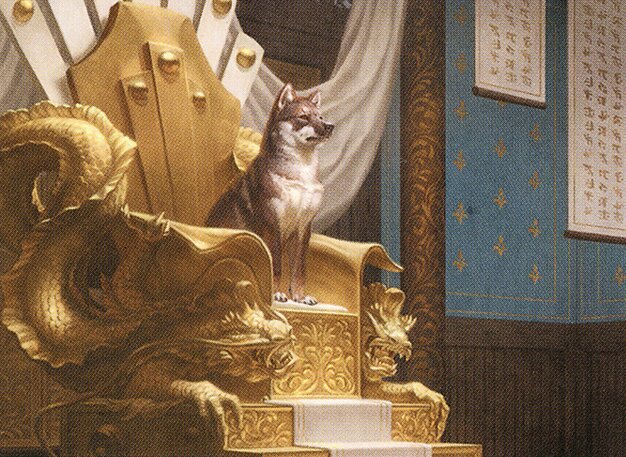
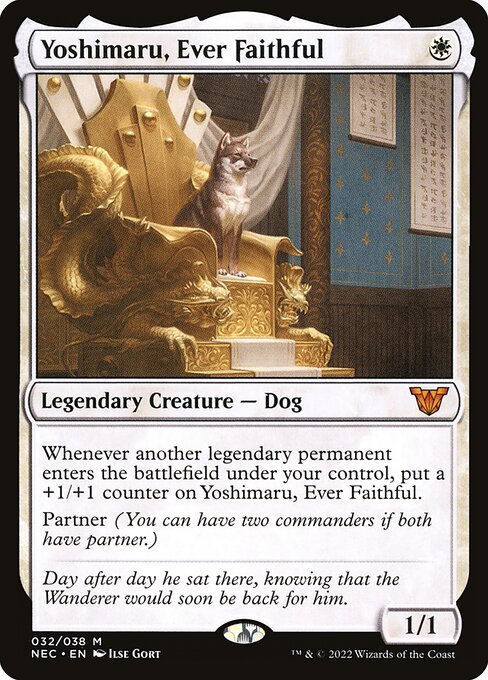
Yoshimaru, Ever Faithful
Focuses on tempo and value through early creatures and mana dorks, leveraging incremental advantage to pressure opponents and assemble a critical mass of threats.
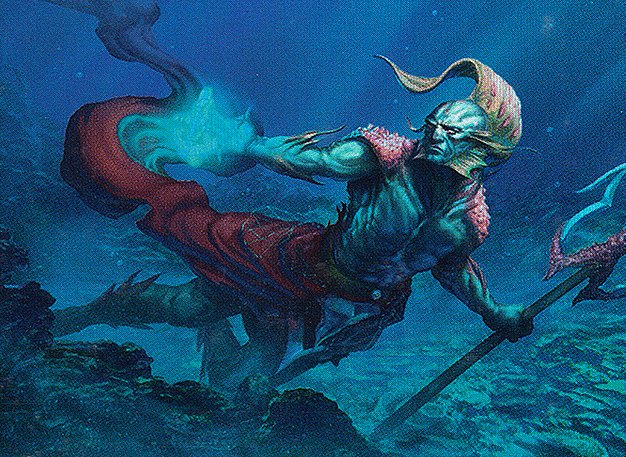
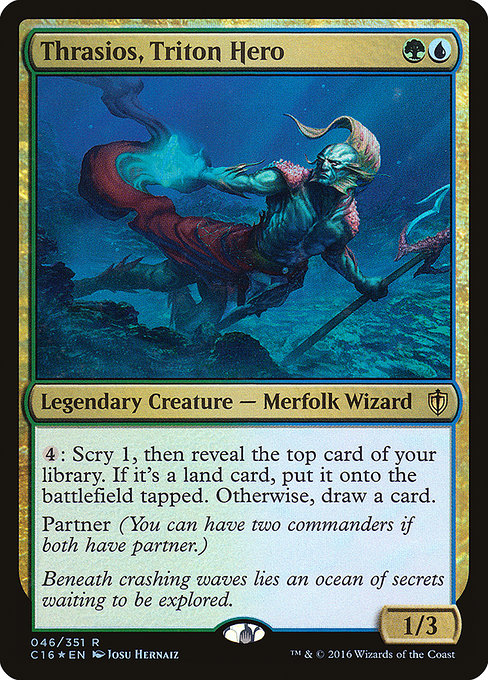
Thrasios, Triton Hero
A ramp and toolbox strategy that aims to generate large amounts of mana quickly and control the board through efficient spells and value creatures, looking for a combo or overwhelming board presence.
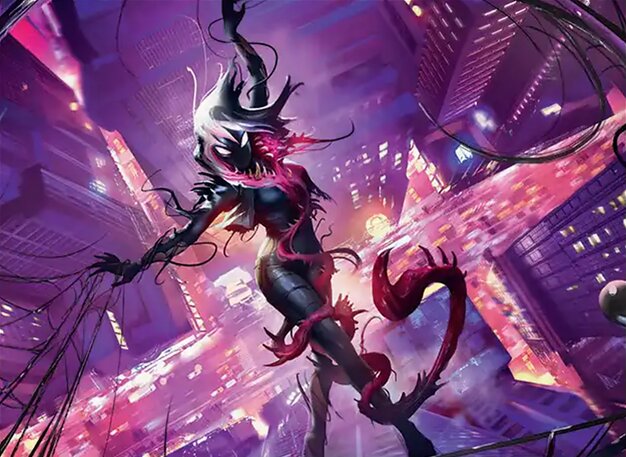
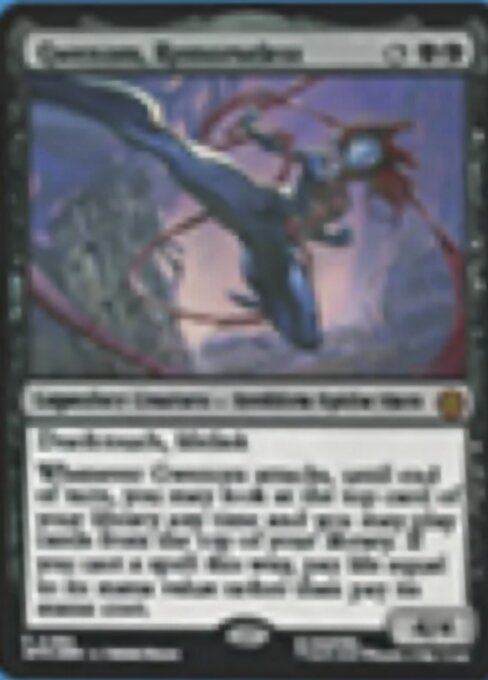
Gwenom, Remorseless
Relies on uncounterable threats and disruption to control the game flow, applying pressure while preventing opponents from stabilizing or executing their plans.
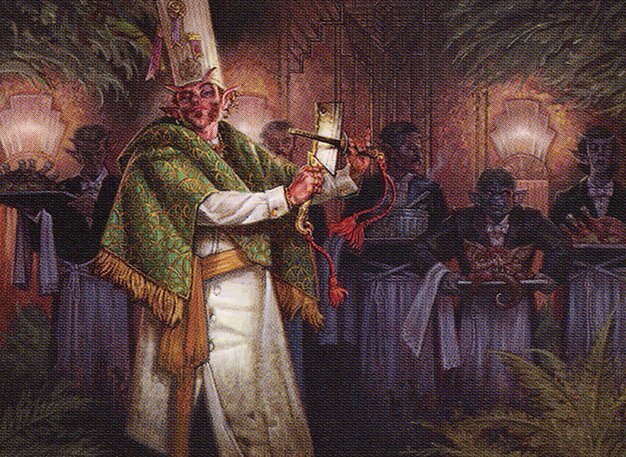
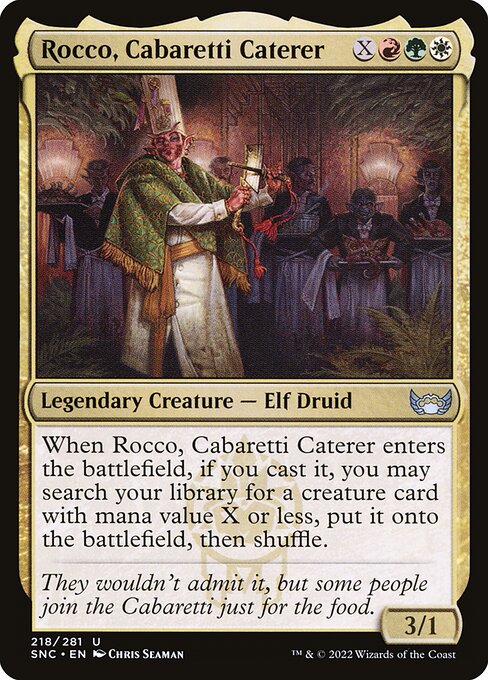
Rocco, Cabaretti Caterer
Uses land-based ramp, such as Gaea's Cradle and Crop Rotation, alongside disruption tools like Ether Sworn Canonist to lock opponents out and power out game-winning combos or overwhelming board states.
Gameplay Insights
- 1
Using Crop Rotation to fetch Gaea's Cradle was a major turning point, enabling explosive mana generation and increasing pressure on opponents.
- 2
Equipping Skullclamp to Monk Gyatso's creatures enabled significant card draw, keeping the deck well-resourced despite early life loss from Ancient Tomb.
- 3
Ether Sworn Canonist played a key role in disrupting opponents' ability to cast multiple spells per turn, shaping the mid-game interactions and slowing down combos.
- 4
The strategic decision by players to hold back or allow certain triggers (like paying or not paying Esper Sentinel) indicated careful resource management and threat assessment.
- 5
Deploying Grinding Station hinted at a potential combo finish later, demonstrating the deck's combo-oriented approach despite early board development.
Notable Cards
-
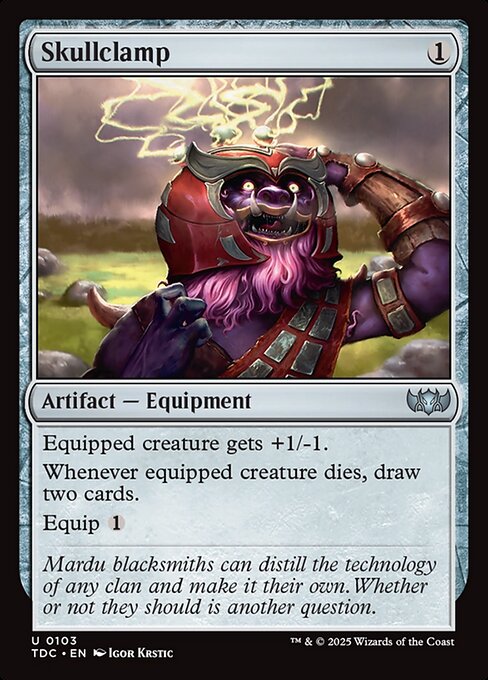
Skullclamp
-
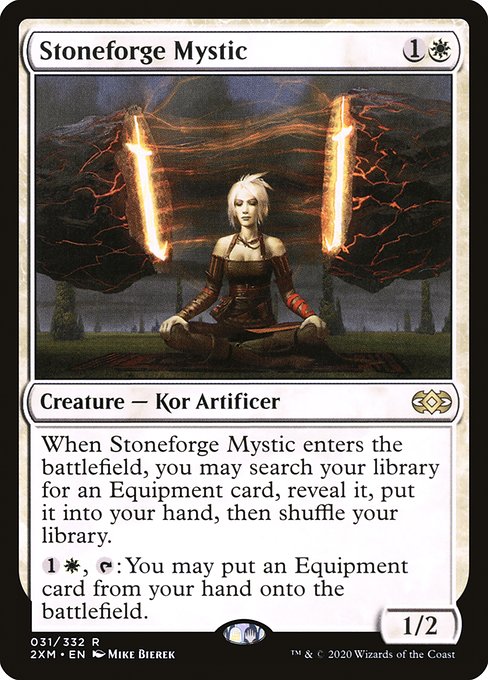
Stoneforge Mystic
-
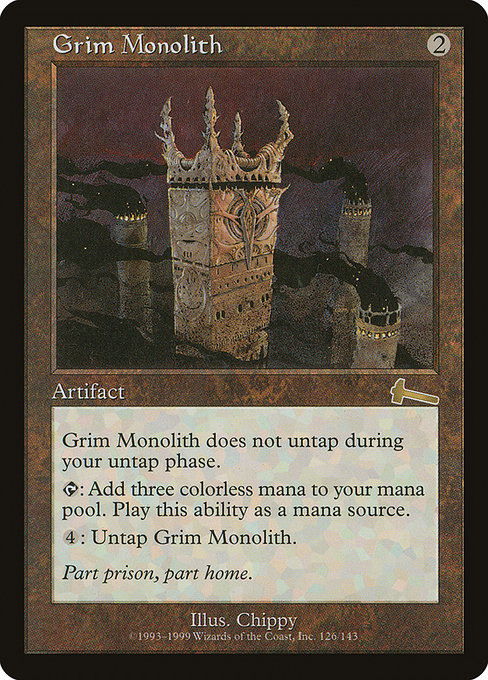
Grim Monolith
-
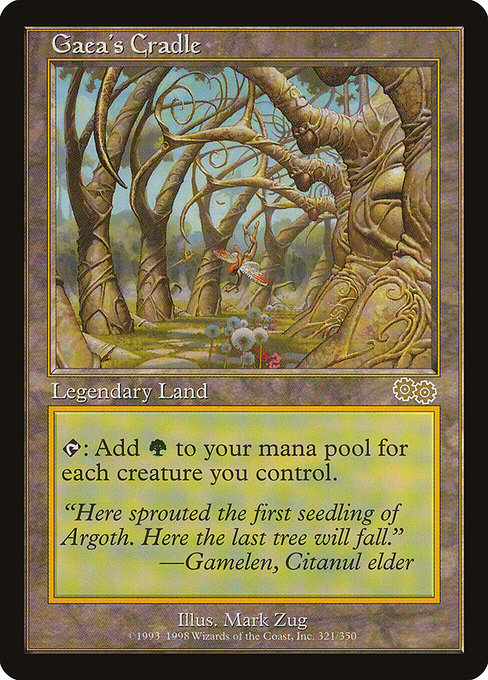
Gaea's Cradle
-
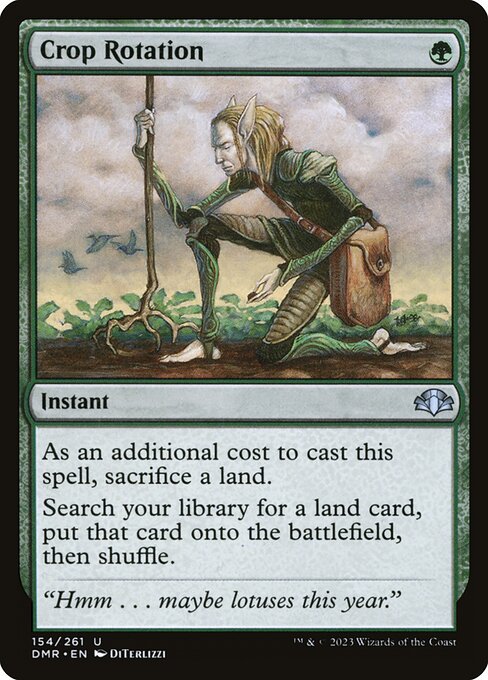
Crop Rotation
-
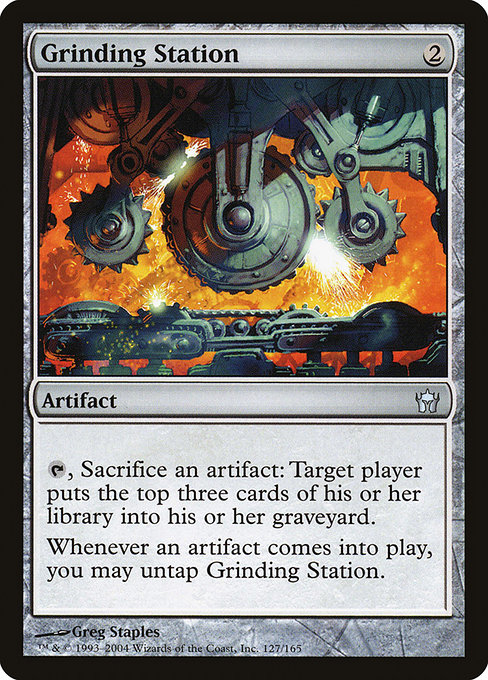
Grinding Station
-
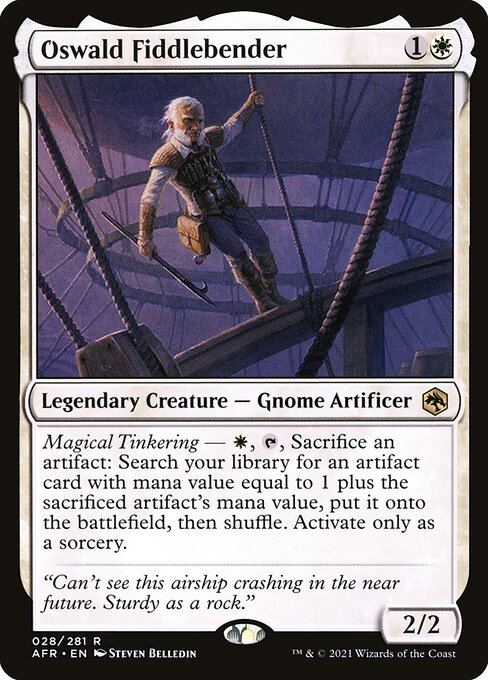
Oswald Fiddlebender
Gameplay Summary
The game began with all four players establishing their mana bases and early board presence cautiously, with minimal interactions initially.
Monk Gyatso started by playing mana acceleration artifacts like Grim Monolith and casting Stoneforge Mystic to fetch Skullclamp, setting up card draw and sustaining resources.
Yoshimaru Thrasios aimed to build a tempo advantage with early creatures and mana dorks, while Rocco Cabaretti Caterer focused on ramp and utility with cards like Oswald Fiddlebender and Ether Sworn Canonist to disrupt opponents' plays.
Gwenom Remorseless was set up to be a disruptive, uncounterable threat, entering the battlefield to apply pressure and control the pace of the game. A pivotal moment occurred when Rocco used Crop Rotation to fetch Gaea's Cradle, enabling a surge in mana production that threatened to accelerate his game plan significantly.
The presence of Ether Sworn Canonist further complicated spellcasting for opponents, locking out multiple plays.
Meanwhile, Monk Gyatso leveraged Skullclamp synergy to draw multiple cards, maintaining steady resource flow.
The interactions around key artifacts like Skullclamp and the strategic activation of abilities like Crop Rotation and Ether Sworn Canonist shaped the mid-game tempo.
Players carefully considered blocking and damage assignments, with life totals fluctuating as they jockeyed for board control.
Grinding Station was deployed to provide potential combo utility, hinting at later win conditions.
The game unfolded as a tense resource and tempo battle with each player trying to assemble their win conditions and disrupt others.