Deck & Commander Strategies
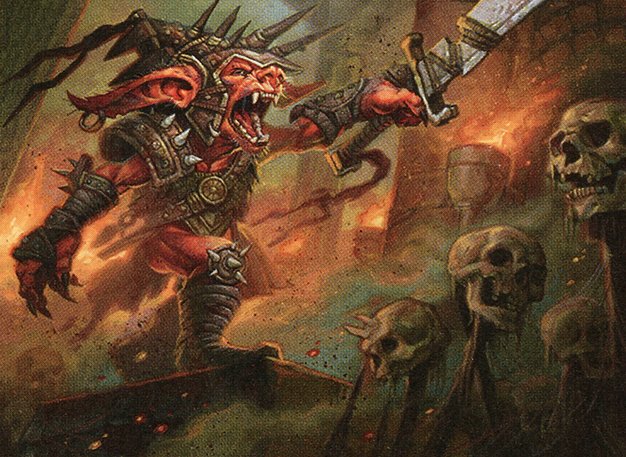
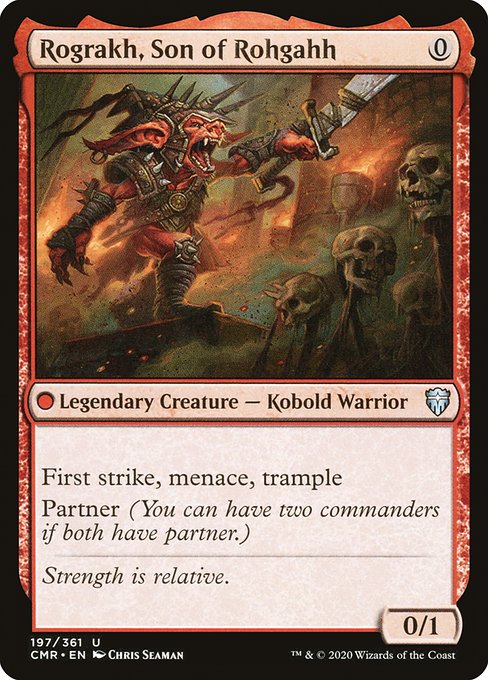
Rograkh, Son of Rohgahh
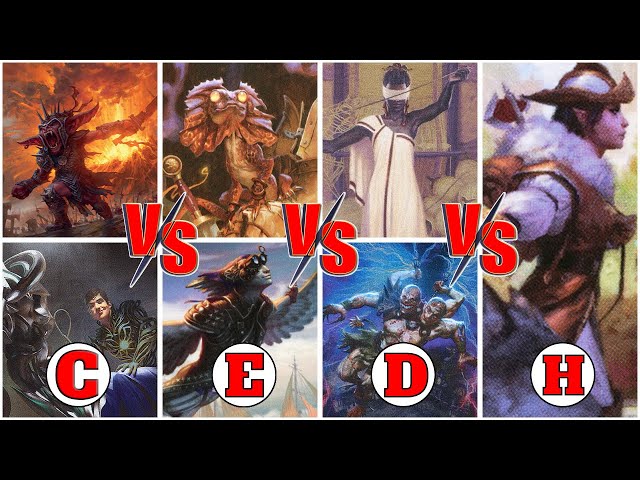
A fast mana, turbo cradle deck that seeks to generate explosive mana early and combo off quickly with deep interaction to disrupt opponents.
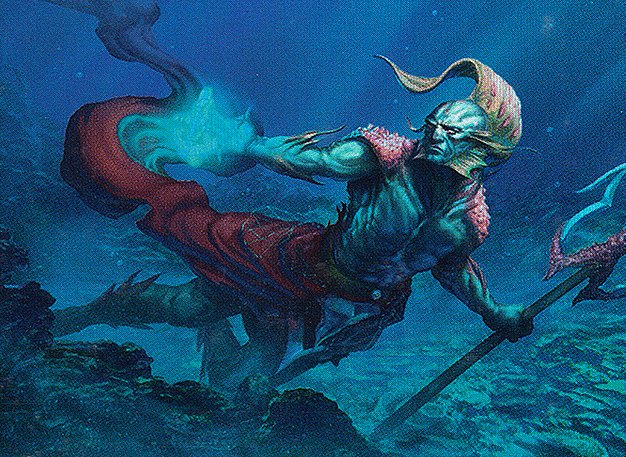
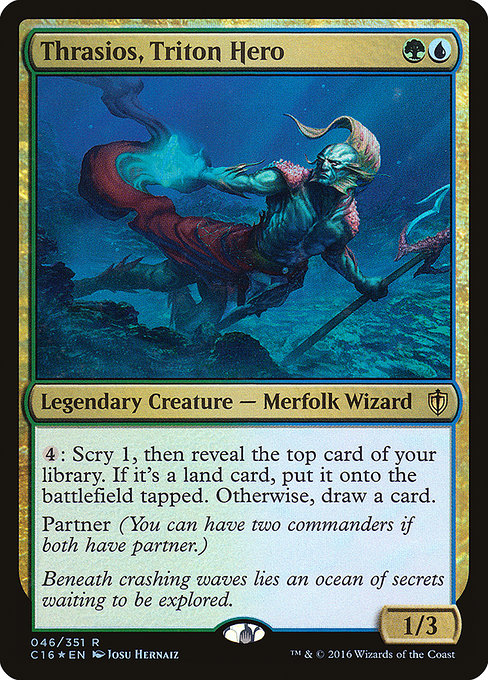
Thrasios, Triton Hero
Part of the blue farm grind machine with Tymna/Kraum, focusing on incremental card advantage, mana ramp, and controlling the game through efficient spells and creatures.
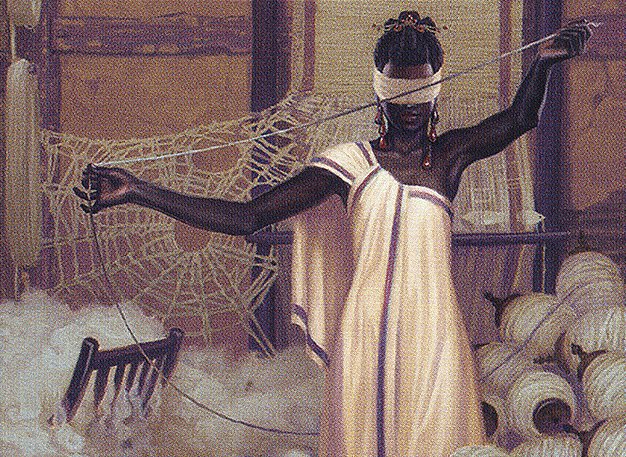
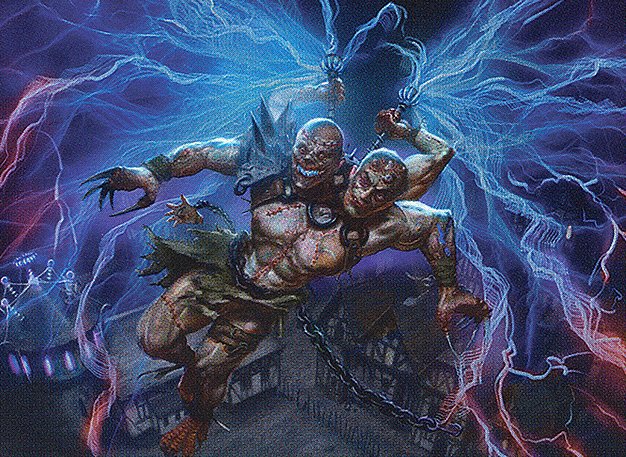
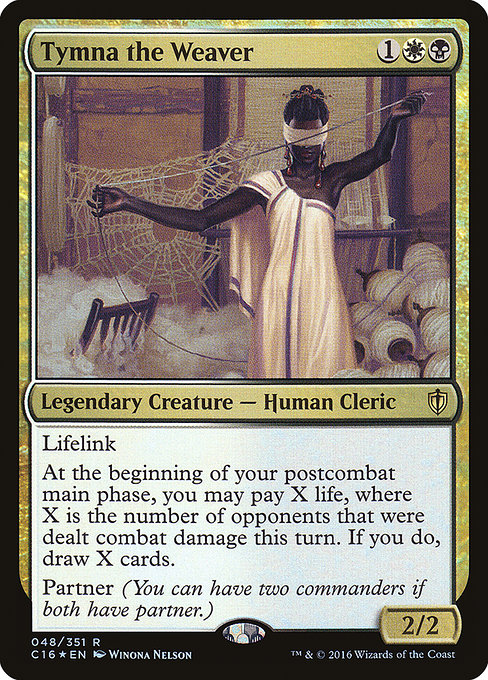
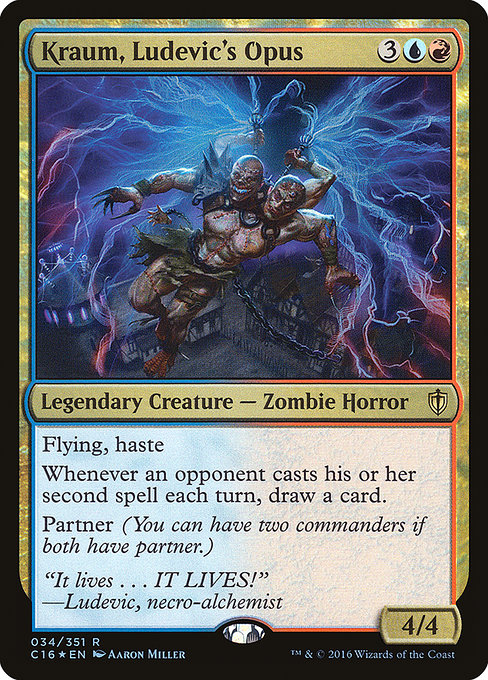
Tymna the Weaver and Kraum, Ludevic's Opus
Classic blue farm strategy combining card draw from Tymna with Kraum's ability to generate additional advantage, aiming to grind out opponents through value.
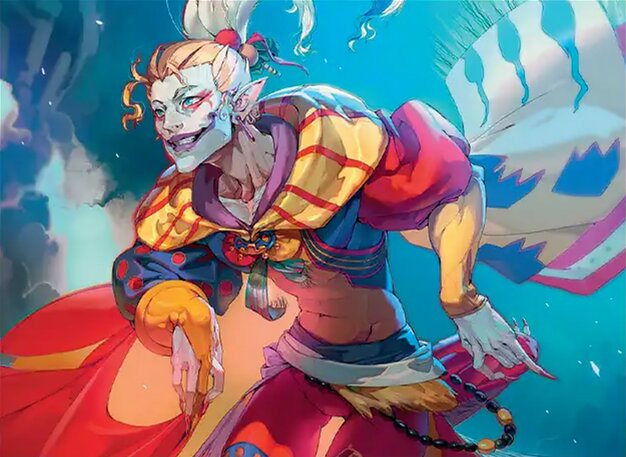
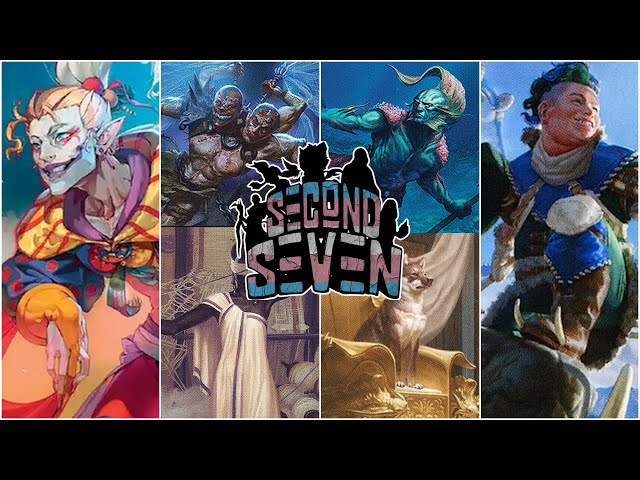
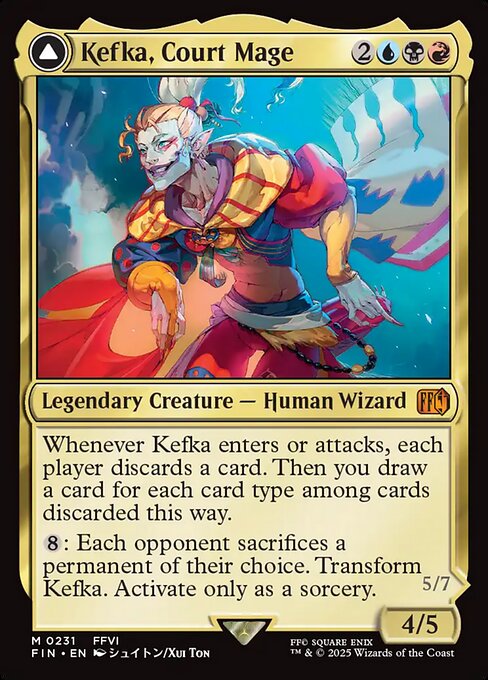
Kefka, Court Mage // Kefka, Ruler of Ruin
Chaos incarnate deck that thrives on unpredictable and explosive board states, utilizing random effects and disruption to dismantle opponents' strategies.
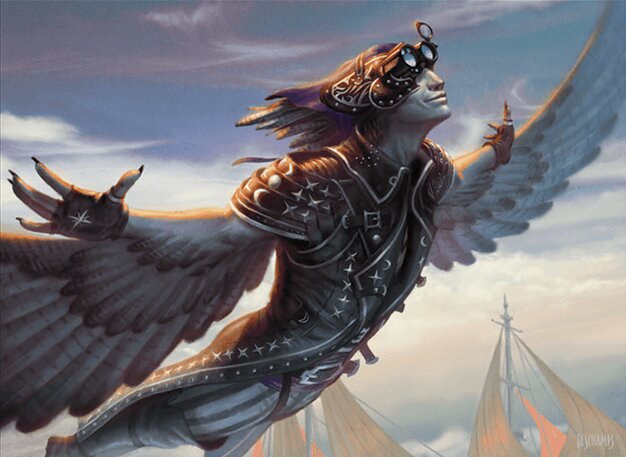
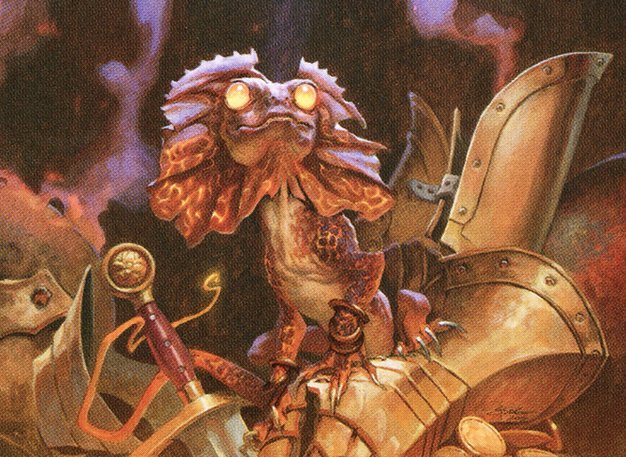
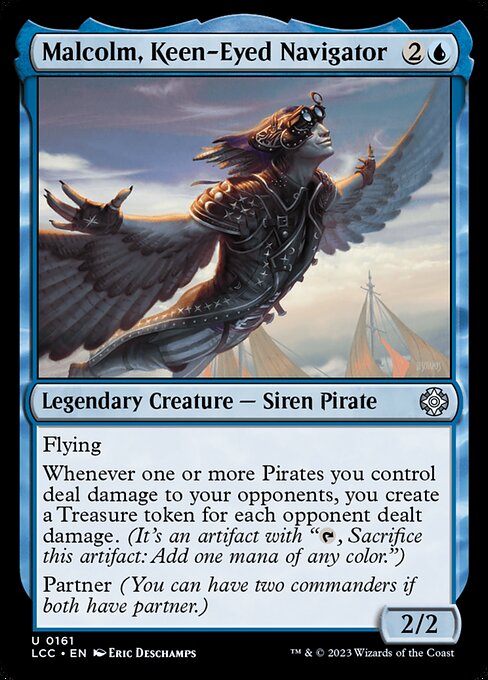
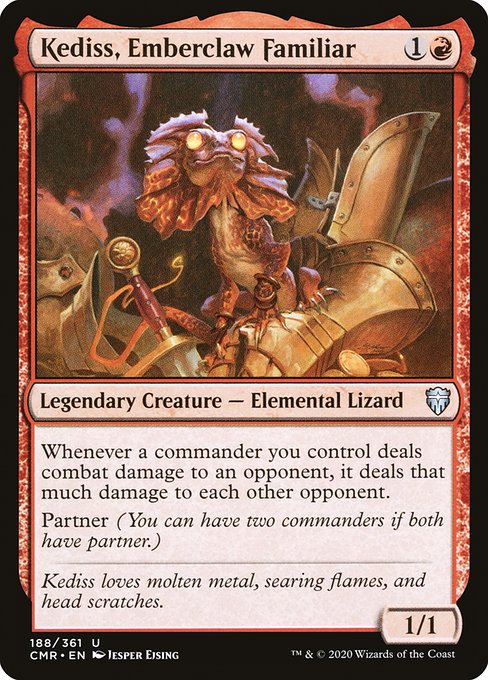
Malcolm, Keen-Eyed Navigator and Kediss, Emberclaw Familiar
A tempo deck leveraging ping damage, evasive creatures, and incremental value to quickly pressure opponents and maintain board control.
Gameplay Insights
- 1
Players prioritized maintaining tempo while carefully managing their hands and mana to avoid overextension.
- 2
The use of bounce effects like Chain of Vapor on key creatures such as Mr. Cremora helped preserve board presence and gain incremental advantage.
- 3
Copying spells on the stack, exemplified by duplicating Chain of Vapor, was instrumental in disrupting opponents' tempo plays.
- 4
The decision to not aggressively attack with certain creatures in favor of card draw and board development demonstrated strategic patience.
- 5
Discard choices during forced discards impacted players' ability to execute win conditions, highlighting the importance of hand management in cEDH.
- 6
Players showed restraint in countering spells, often allowing non-threatening plays to resolve in order to save disruption for more impactful threats.
Notable Cards
-
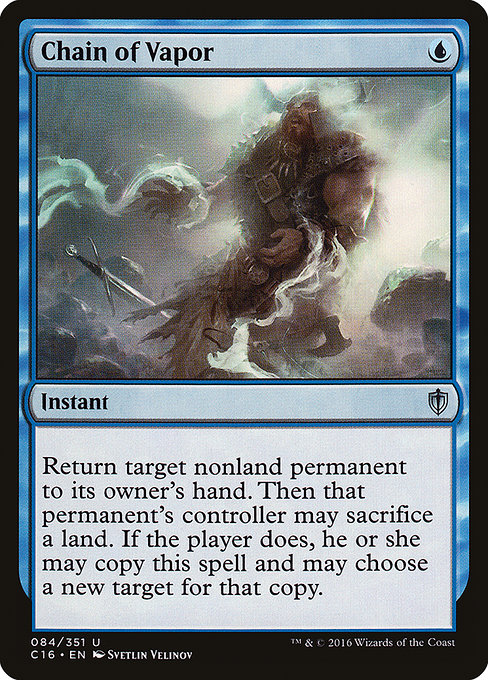
Chain of Vapor
-
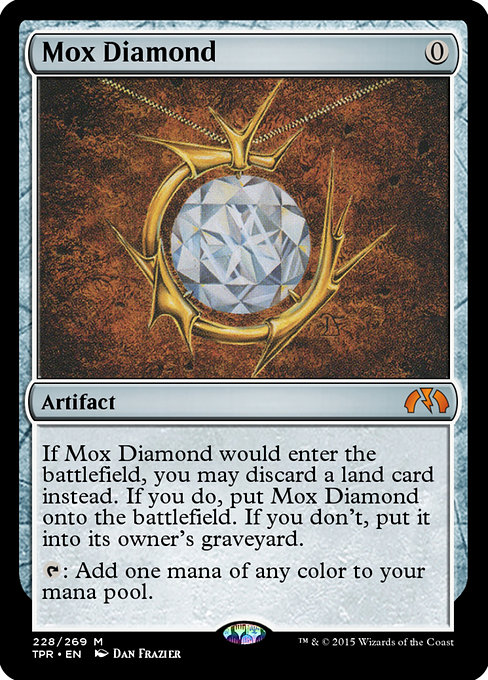
Mox Diamond
-
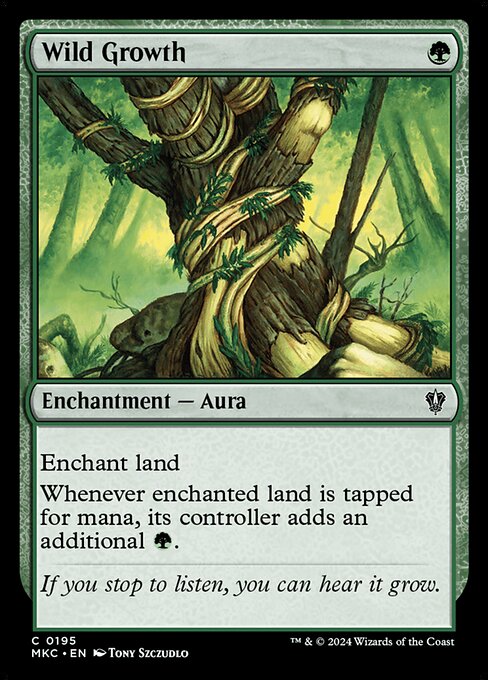
Wild Growth
-
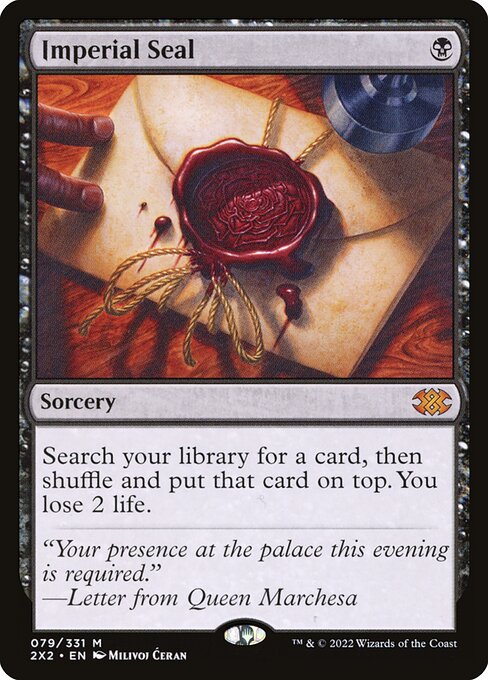
Imperial Seal
-
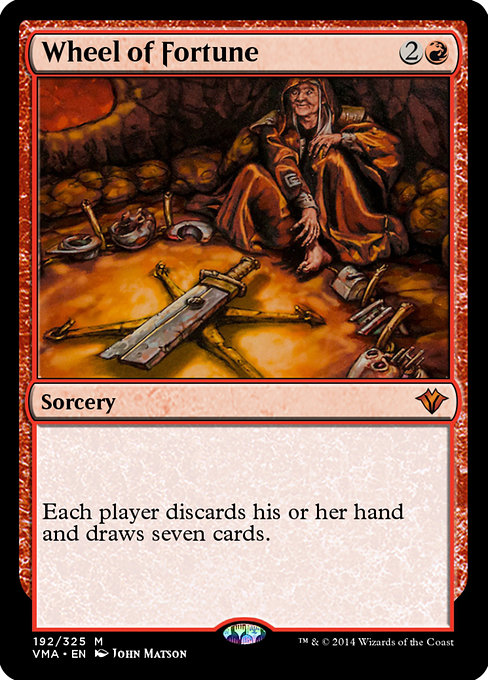
Wheel of Fortune
-
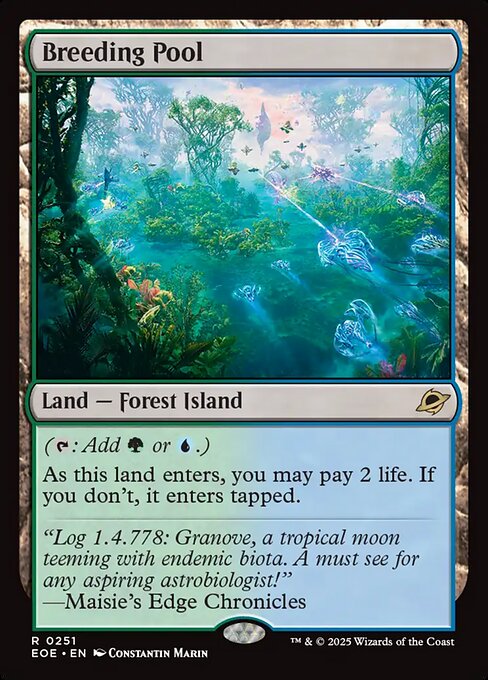
Breeding Pool
-
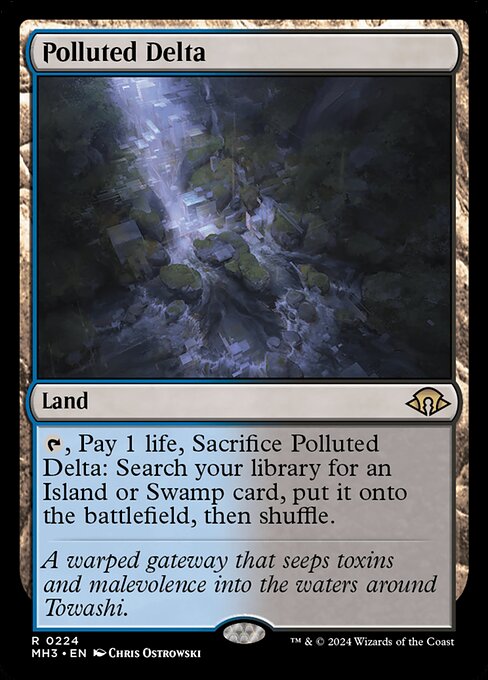
Polluted Delta
-
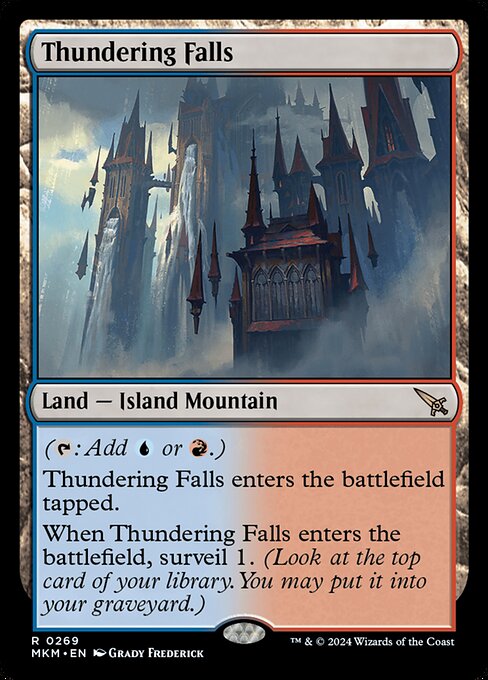
Thundering Falls
Gameplay Summary
The game began with all four players developing their mana bases and setting up early plays, with Rograkh/Thrasios focusing on fast mana acceleration and interaction, Tymna/Kraum establishing the classic blue farm engine, Malcolm/Kediss building up tempo and ping value, and Kefka introducing chaos with unpredictable board states.
Early exchanges featured efficient mana deployment, card draw, and minor skirmishes with creatures like Malcolm and Mr. Cremora, alongside controlling spells such as Chain of Vapor and Flash Duplicate.
Players carefully managed their hands and resources, with notable plays like bouncing creatures and copying spells to maintain board presence and tempo. Midgame tension rose as players prepared for potential explosive turns, notably with Kefka threatening to unleash chaos if allowed to develop unimpeded.
The blue farm deck aimed to leverage its card draw advantage and mana production, while Rograkh/Thrasios looked to capitalize on turbo cradle combos.
Malcolm/Kediss attempted to pressure with repeated ping damage and evasive attackers.
Key turning points included careful responses to opponents' spells, strategic hand discards, and the management of life totals due to painful land drops and aggressive plays.
The game emphasized stack interactions, with players prioritizing timing and counterplays to disrupt opponents' plans and maintain control.
The outcome hinged on balancing aggression with resource conservation amid a dynamic and interactive board state.