![Top 8 Gameplay - 6th NLL: Guile vs. Tivit - Semifinal [Duel Commander] - Magic: The Gathering thumbnail](https://i.ytimg.com/vi/3bi0ualD2NU/maxresdefault.jpg)

Deck & Commander Strategies
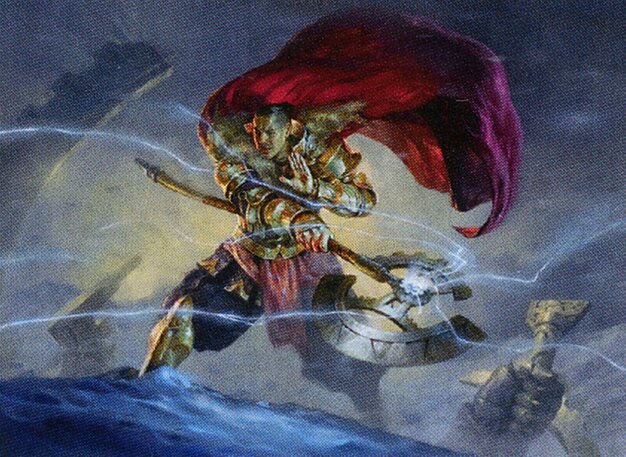
Immard, the Stormcleaver
A Jeskai tempo deck focused on generating multiple tokens via sagas and leveraging creature-based value with spells like Ephemerate to maintain board presence and pressure opponents with damage and trample. The deck uses disruption and removal to protect its tempo advantage.
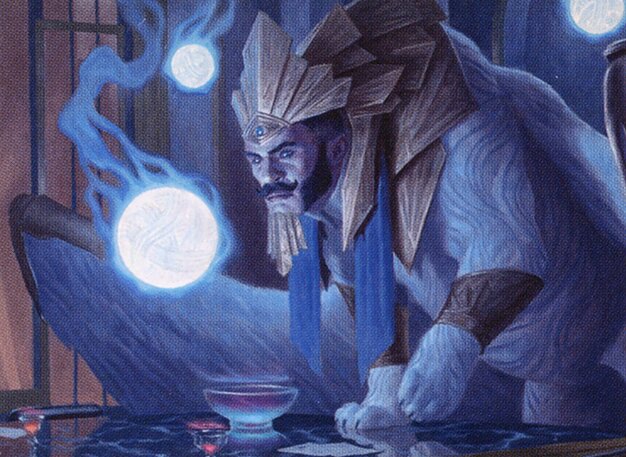
Tivit, Seller of Secrets
An Esper control deck that aims to stabilize the game through card advantage engines, counterspells, and removal. The deck's win condition revolves around casting Tivit at a stable mana threshold, using its indestructibility and lifelink to dominate the board and close out the game.
Gameplay Insights
- 1
Guile’s use of Ephemerate to protect creatures and reuse ETB effects was limited due to the lack of high-value ETB targets in the deck.
- 2
Tivit’s player needed to optimize sequencing, such as fetching lands before casting spells with demanding mana costs to avoid losing crucial cards like Jace.
- 3
The Jeskai deck’s token generation with Uza Saga offered consistent board presence but risked overextending and losing tempo against control removal.
- 4
Temple of the False God provided an unconventional but effective mana ramp to reach Tivit’s six-mana casting cost in a timely manner.
- 5
Tivit’s control strategy relied heavily on card advantage and interaction spells to maintain board control and prevent Jeskai’s aggression from becoming overwhelming.
Notable Cards
-
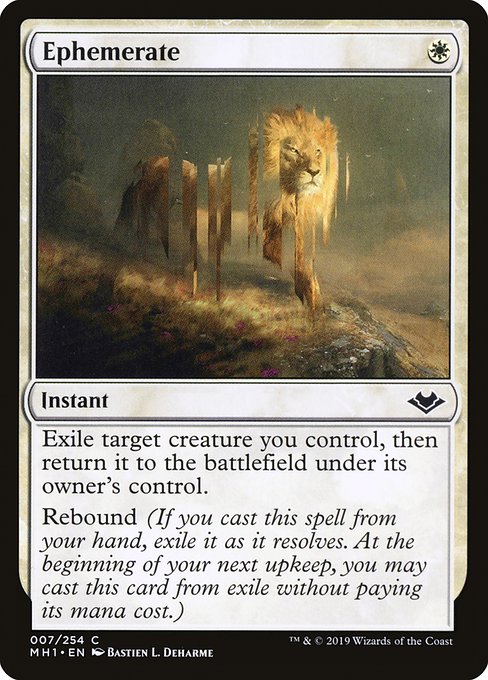
Ephemerate
-
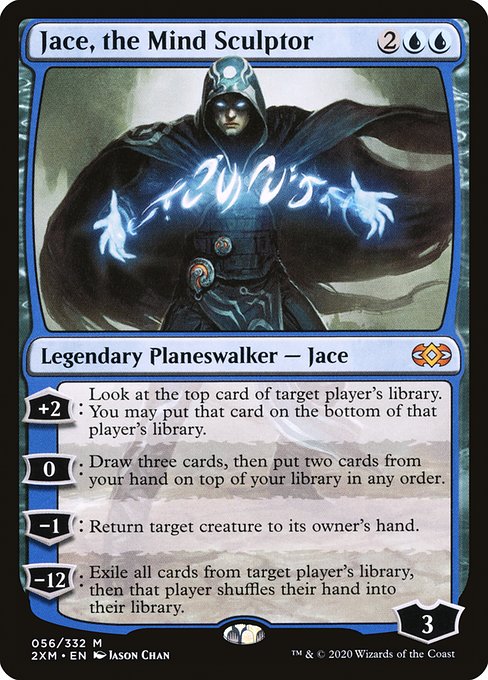
Jace, the Mind Sculptor
-

Temple of the False God
-
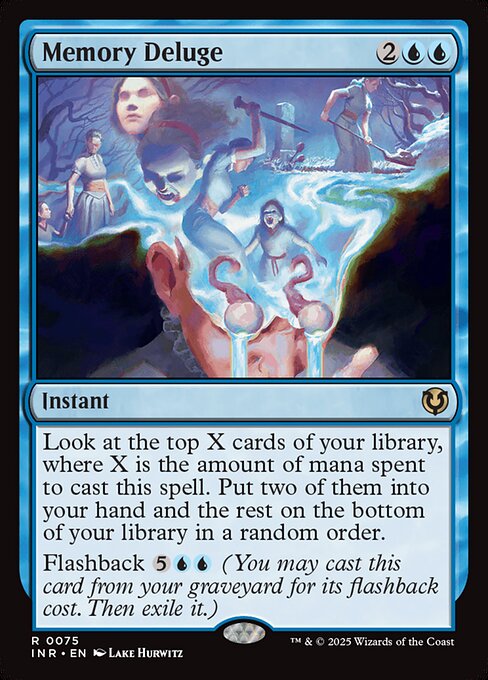
Memory Deluge
-
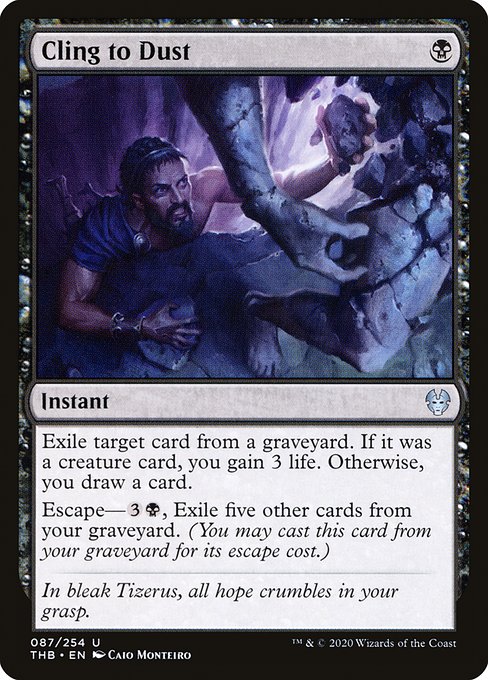
Cling to Dust
-
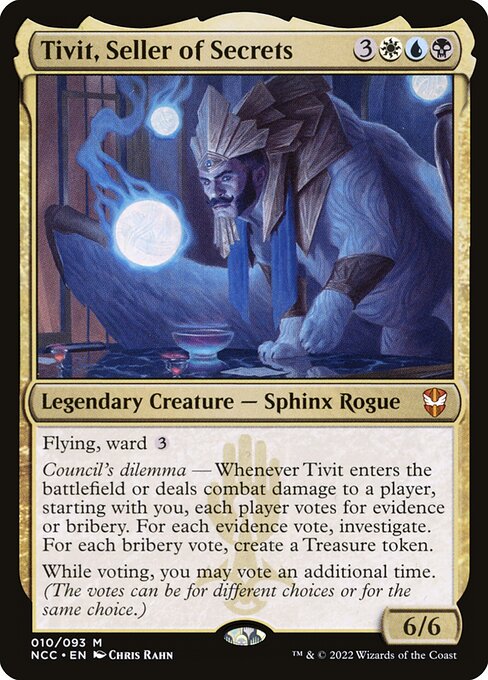
Tivit, Seller of Secrets
-
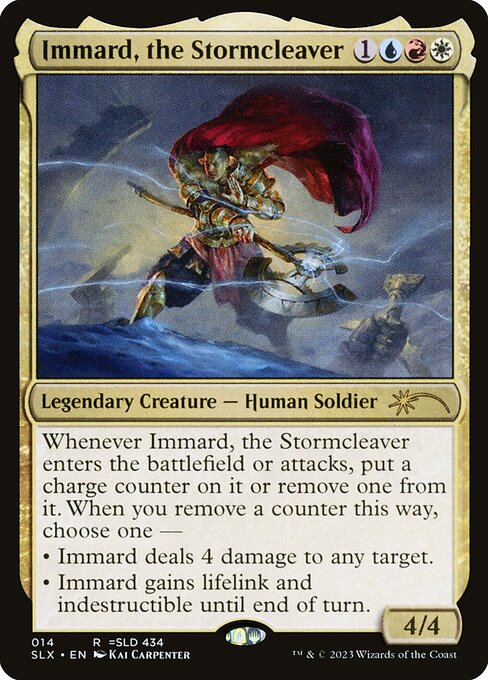
Immard, the Stormcleaver
Gameplay Summary
In this semifinal Duel Commander match, the Jeskai tempo deck piloted by Guile faced off against the Esper control deck led by Tivit.
Guile’s strategy involved generating multiple tokens through sagas like Uza Saga and maintaining board presence with creatures supported by cards like Ephemerate and Shadow Spear to create pressure and trample potential.
The Jeskai player aimed to leverage tempo and incremental value from token production, along with disruption elements such as graveyard hate and removal, to outpace Tivit’s control game plan. On the other hand, Tivit’s Esper control deck focused on stabilizing the board with powerful control spells, card advantage engines such as Jace, and strategic mana acceleration like Temple of the False God to cast high-impact spells.
Tivit’s commander served as a resilient win condition, gaining indestructibility and lifelink while dealing incremental damage.
The control player sought to neutralize Guile’s threats with counters, removals, and card advantage, aiming to reach a stable board state before closing the game with Tivit’s commander ability. Key turning points included Guile’s token generation and attempts to keep pressure through tactical use of Ephemerate and damage triggers, contrasted with Tivit’s ability to find answers through card draw and graveyard interaction like Memory Deluge and Cling to Dust.
Despite some missteps in sequencing and resource management on Tivit’s side, the game revolved around whether the control deck could keep pace with Jeskai's tempo and token pressure.
The interplay between Guile’s proactive board presence and Tivit’s reactive control spells defined the match’s tension.


![Top 8 Gameplay - 6th NLL: Acererak vs. Tivit - Final [Duel Commander] - Magic: The Gathering thumbnail](https://i.ytimg.com/vi/mJjWh-5uLLE/sddefault.jpg)

![Wilson Gruul vs. Tivit Control [Duel Commander-EDH] - Magic: The Gathering thumbnail](https://i.ytimg.com/vi/TnwOjx79osI/sddefault.jpg)


