Deck & Commander Strategies
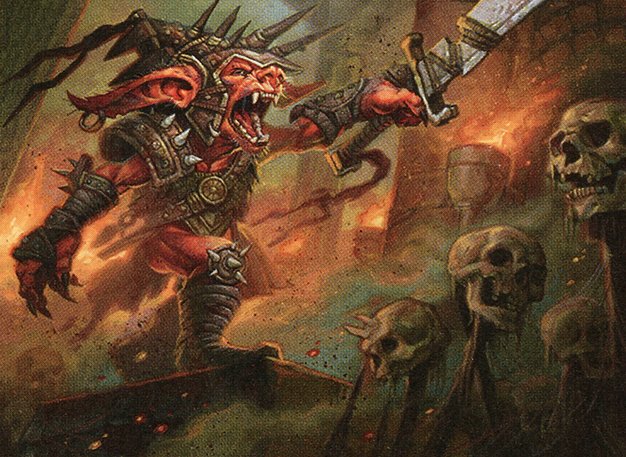
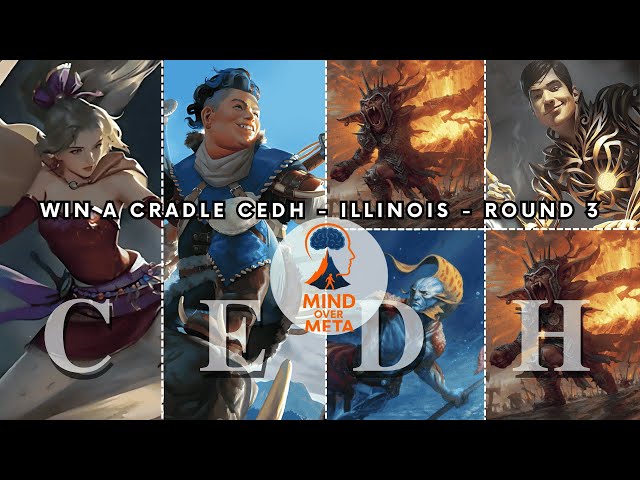
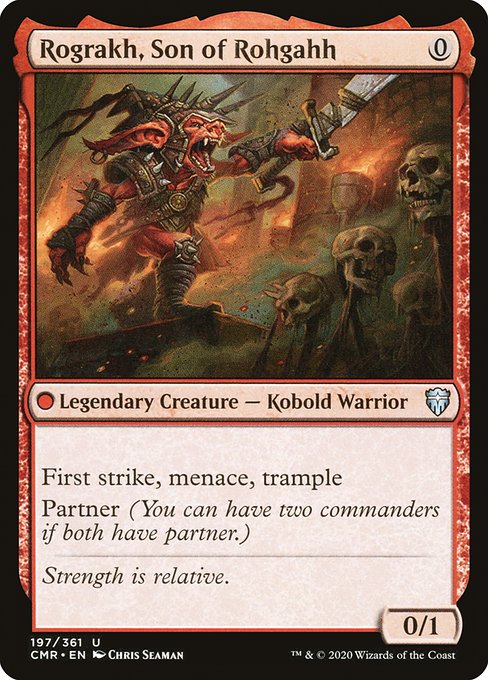
Rograkh, Son of Rohgahh
Utilizes aggressive, fast mana acceleration and artifact synergy to apply early pressure, aiming to overwhelm opponents with rapid damage and recurring threats.
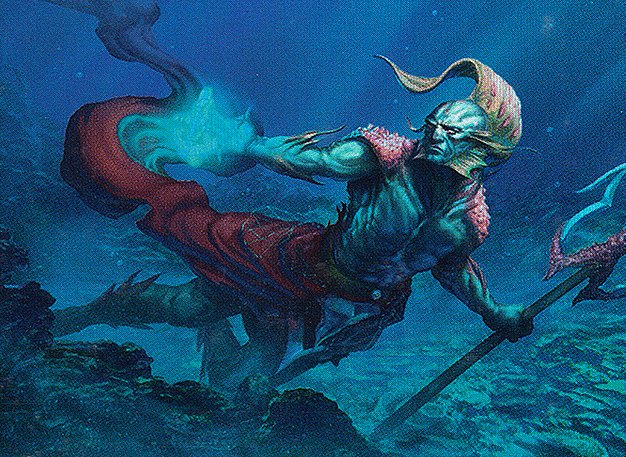
Thrasios, Triton Hero
Focuses on card filtering and value generation through scrying and drawing, supporting combo setups and mana efficiency to build towards a decisive mid-game finish.
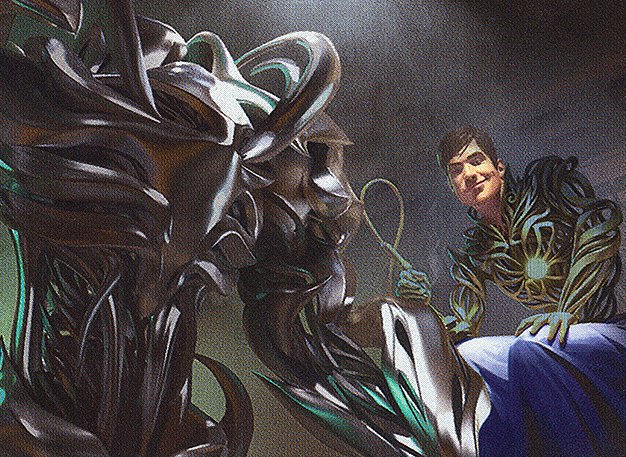
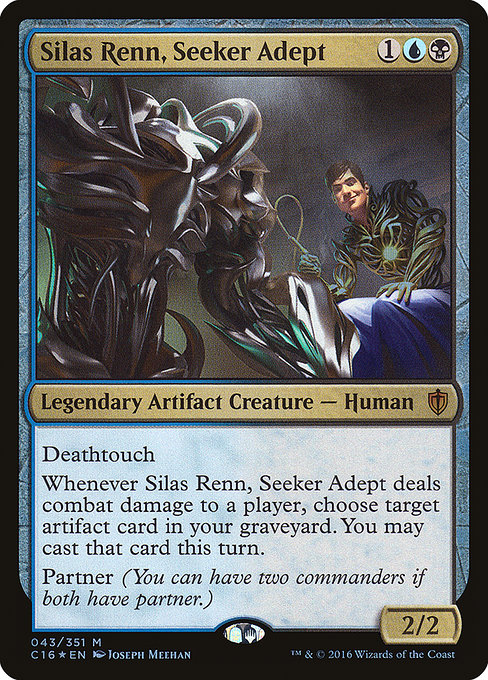
Silas Renn, Seeker Adept
Leverages artifact recursion and sacrifice outlets to generate incremental advantage, aiming to assemble combos or grind out value to outlast opponents.
Gameplay Insights
- 1
Early mana acceleration with fast mana artifacts enabled explosive starts, allowing players to quickly develop threatening board states.
- 2
The players reached an unusual meta-game agreement to pursue a draw rather than continue aggressive conflict, impacting typical competitive interactions.
- 3
Players coordinated resource feeding to facilitate a mutually agreed draw condition, demonstrating negotiation as a strategic element in multiplayer Commander.
- 4
Use of cards like Mystic Remora and Cabal Ritual ensured consistent card advantage and mana availability, critical in sustaining the game state during slowed aggression.
- 5
The unique Rock deck build featured replayable mana artifacts and disruption, highlighting innovative deck construction within a competitive archetype.
Notable Cards
-
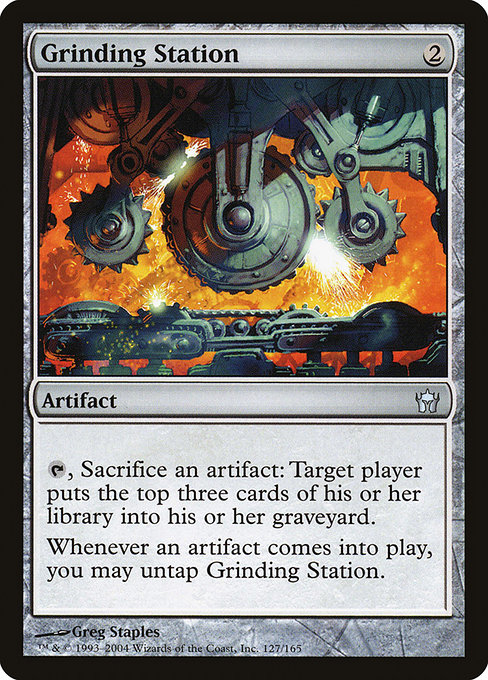
Grinding Station
-
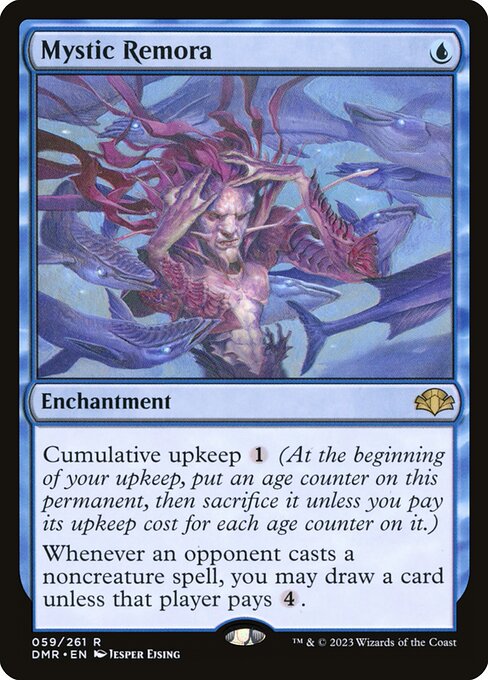
Mystic Remora
-
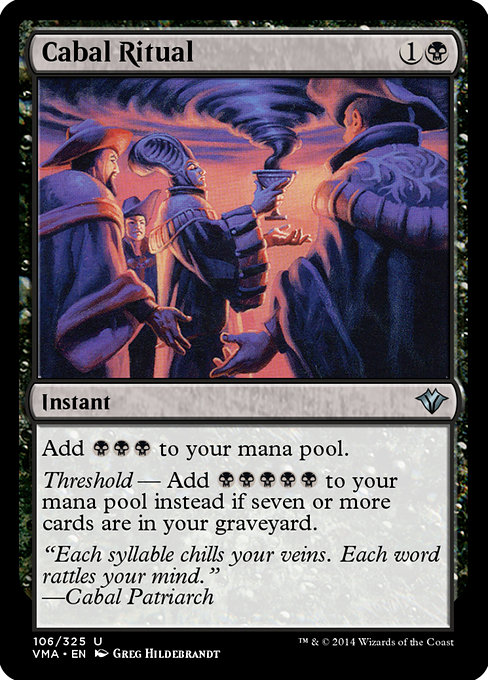
Cabal Ritual
-
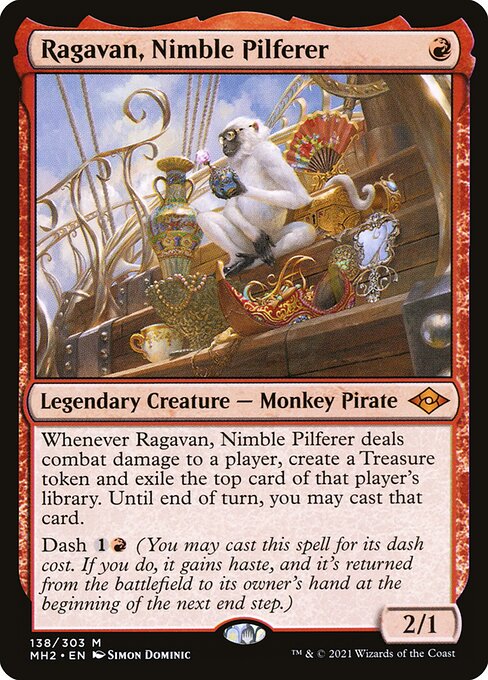
Ragavan, Nimble Pilferer
-
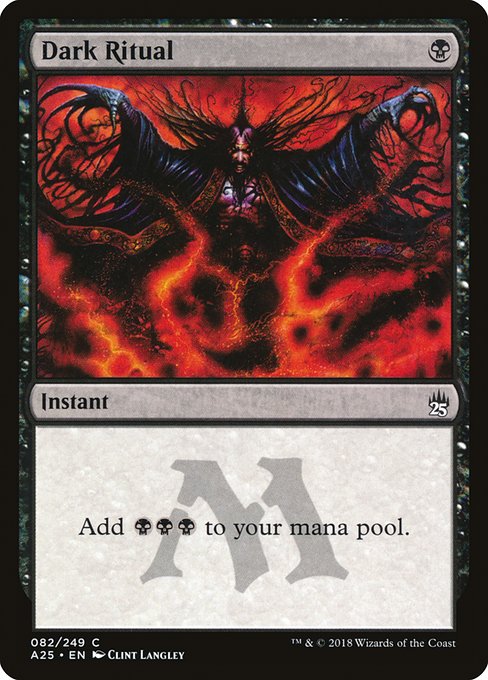
Dark Ritual
-
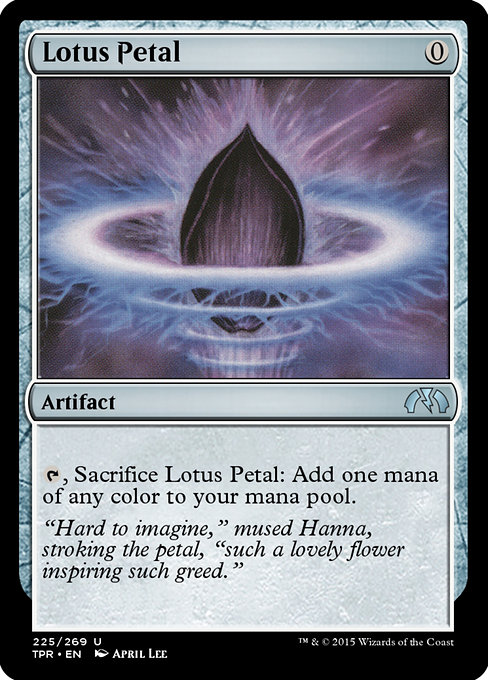
Lotus Petal
-
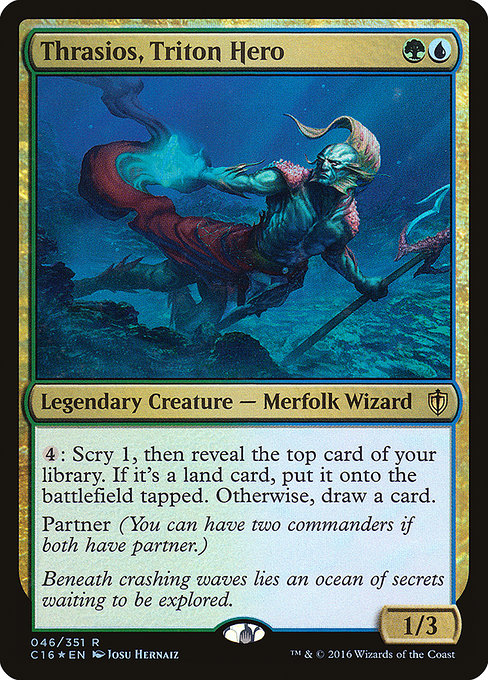
Thrasios, Triton Hero
Gameplay Summary
The game opened with aggressive early plays centered around efficient mana acceleration and disruptive artifacts, notably with Rograkh, Son of Rohgahh and Thrasios, Triton Hero setting the pace.
One player quickly established a Rock (Red-Black-Green) deck strategy, casting fast mana artifacts like Mox Ruby, Lotus Petal, and Ride of Flame to fuel explosive early turns.
The presence of cards like Vexing Bobble and Grinding Station indicated a combo or value engine approach.
The game pace was interrupted by a mutual agreement among the players to pursue a draw rather than aggressive elimination, as one player held a strong winning position and others sought to prevent that outcome through cooperation.
This agreement influenced gameplay decisions, with players cautiously feeding resources and avoiding win attempts that might disrupt the agreed outcome.
Throughout, key cards like Mystic Remora and Cabal Ritual were used to maintain card advantage and accelerate mana, while threats like Ragavan, Nimble Pilferer and Thrasios pushed incremental pressure.
The game showcased the tensions between competitive individual play and meta-level negotiations, with players balancing between advancing their board state and maintaining the alliance to avoid an opponent’s outright victory.