Deck & Commander Strategies

Karn, Gilded Guardian
A five-color control and card draw deck that aims to stabilize the board and win through powerful threats and value spells, leveraging access to all colors for versatile answers.

Ingris Stingerquill
A token and combat damage focused deck that generates multiple creatures and uses non-combat damage to chip away at opponents while applying pressure with tokens.
Niv-Mizzet, Ghost Council
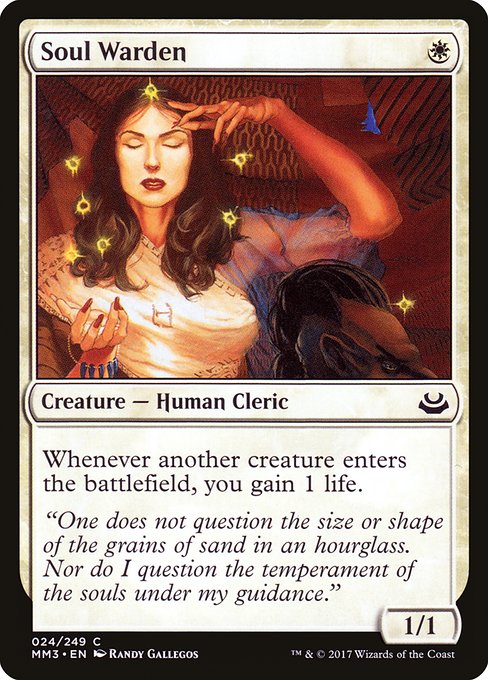
A life gain and card draw synergy deck that uses creatures like Soul Warden and other life gain triggers to fuel card advantage and control the board through spells.

Edgar, Moonlit Sovereign
A flash and instant-speed oriented deck that exploits Edgar's abilities to cast spells at instant speed, maintaining tempo and reacting to opponents' plays efficiently.
Gameplay Insights
- 1
Using Soul Warden and similar life gain creatures early helped Niv-Mizzet's player gain incremental card advantage through life gain triggers.
- 2
Edgar's flash ability encouraged playing spells at instant speed, allowing reactive and flexible gameplay that pressured opponents' plans.
- 3
Creating zombie tokens with decay mechanic synergized well with life gain triggers, generating board presence while fueling life gain strategies.
- 4
Players prioritized mana development and board presence in early turns to maximize the impact of their commanders' abilities and strategies.
- 5
The interplay between instant-speed plays and token generation led to dynamic shifts in tempo and board control throughout the game.
Notable Cards
-
Soul Warden
-

Enlightened Confidant
-

Castle Embereth
-

Castle Doom
-

Oran-Rief, the Vastwood
Gameplay Summary
The game began with players quickly establishing their board states through mana development and early creatures.
Edgar, Moonlit Sovereign leveraged his flash capabilities to maintain instant-speed interaction, while Niv-Mizzet, Ghost Council focused on a life gain and card draw engine with Soul Warden and other synergy pieces.
Karn, Gilded Guardian aimed to utilize a powerful five-color build centered around drawing cards and casting big spells, while Ingris Stingerquill looked to create tokens and apply pressure with both combat and non-combat damage.
Early turns featured the creation of zombie tokens with decay mechanics, life gain triggers, and evolving creatures, setting up incremental advantages for multiple players. As the game progressed, players capitalized on these early setups to generate card advantage and board presence.
Niv-Mizzet's player benefited from life gain to fuel card draw and graveyard interactions, while Edgar exploited his commander’s flash to react to threats and cast spells at instant speed, maintaining tempo.
Karn’s deck aimed to control the game and draw into powerful threats, but the other players’ aggressive token and damage strategies pressured his resources.
Ingris continued to ramp and produce tokens, threatening wide board states.
The game was marked by tactical decisions around timing, with players prioritizing instant-speed plays and careful resource management.
Ultimately, the dynamic interplay between life gain synergies, token creation, and instant-speed interaction defined the flow and tension of the match.