

Deck & Commander Strategies
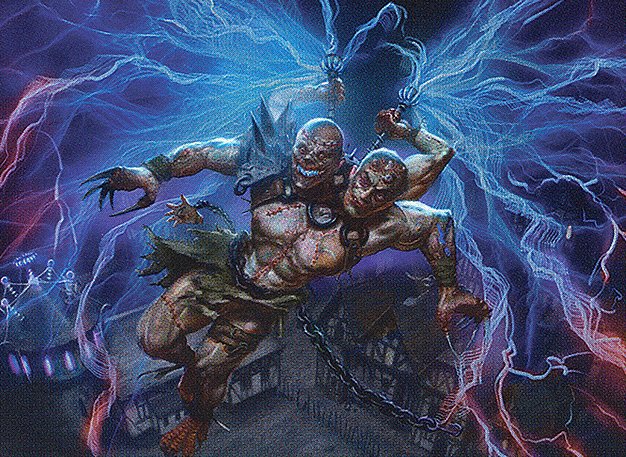
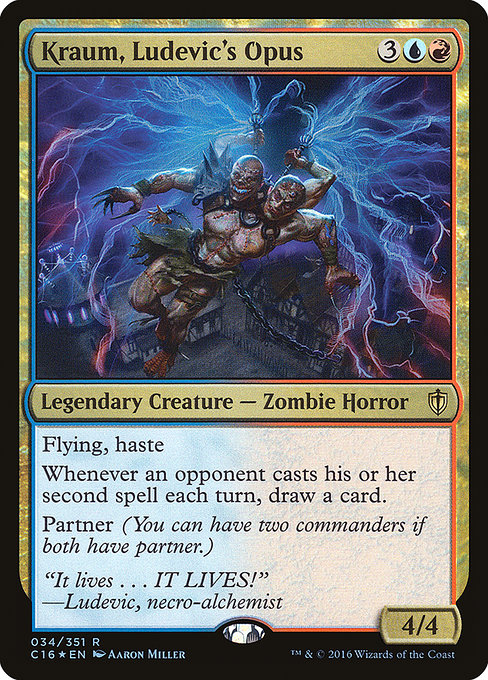
Kraum, Ludevic's Opus
Leverages card draw and aggressive tempo with direct damage and evasive creatures to pressure opponents quickly.
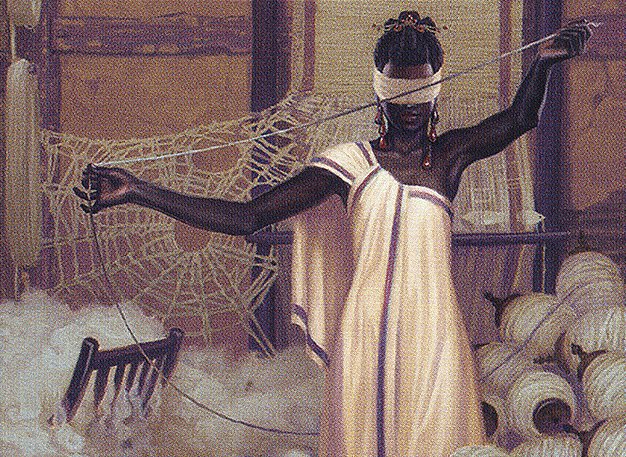
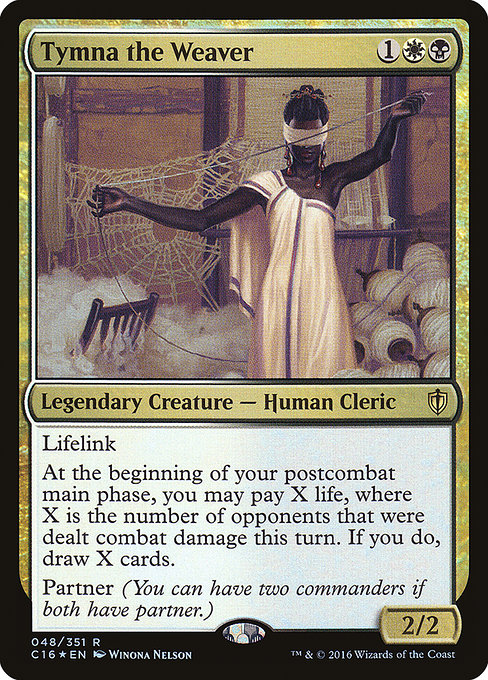
Tymna the Weaver
Focuses on incremental card draw through combat damage and synergizes with creature-based strategies for value and disruption.
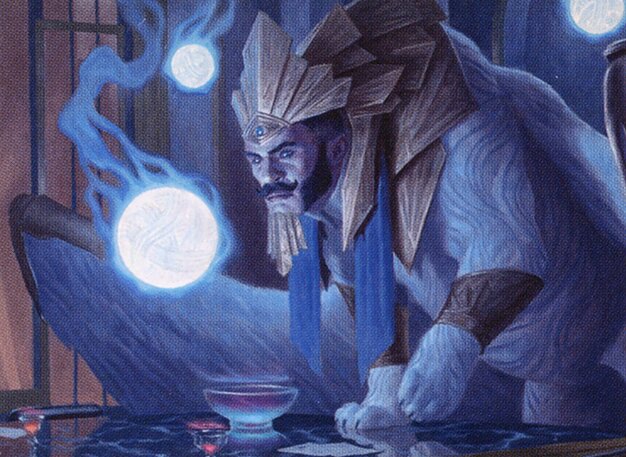
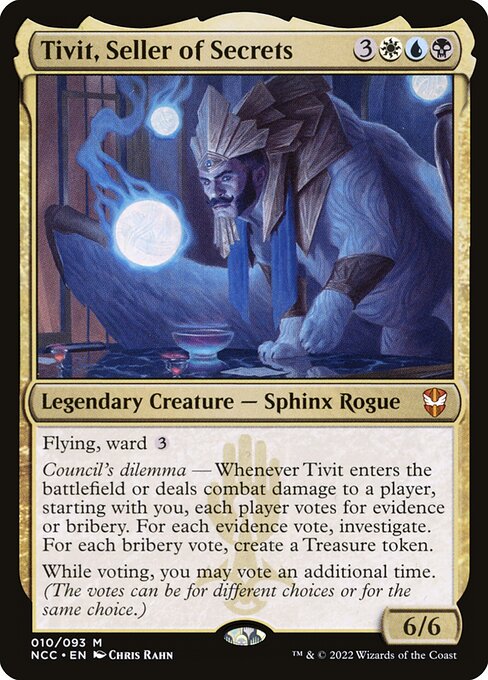
Tivit, Seller of Secrets
Utilizes scry and card filtering to maintain hand quality and control the pace of the game, often aligning with a blue-based value or combo plan.
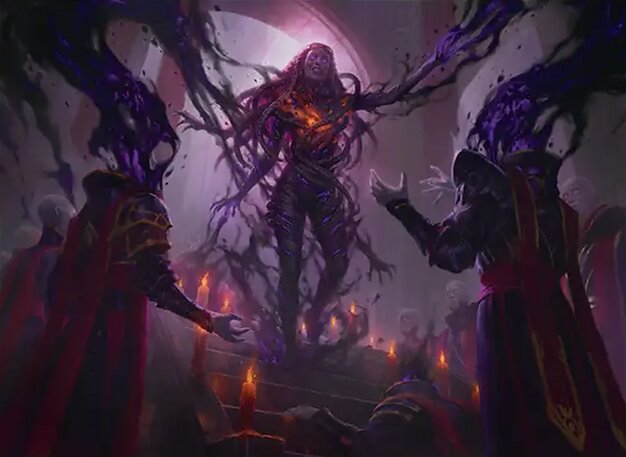
Braids, Arisen Nightmare
Implements resource denial by forcing opponents to sacrifice permanents each turn, slowing down their development and disrupting their strategies.

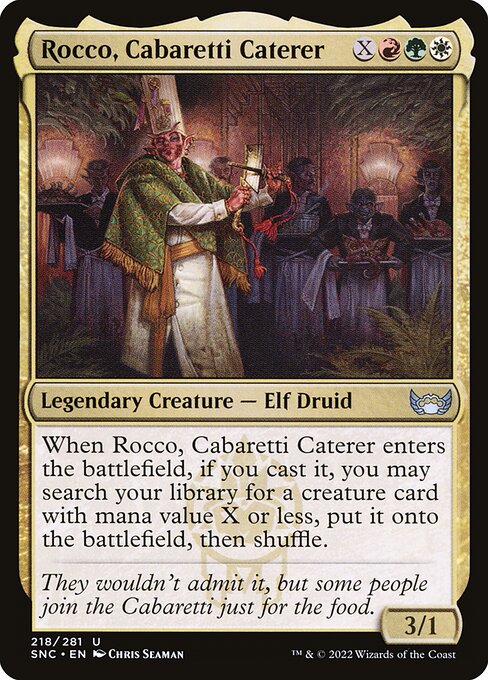
Rocco, Cabaretti Caterer
Focuses on resource management and leveraging food tokens to gain incremental advantage and board presence, often supporting a value-oriented midrange approach.
Gameplay Insights
- 1
Winter Moon was a pivotal play that drastically slowed the game by restricting non-basic lands, forcing players to adapt their mana bases and slowing ramp strategies.
- 2
Countering Braids with Delay was a critical interaction that prevented early resource denial and preserved board stability.
- 3
Walking Ballista was used effectively for incremental ping damage and board control, showcasing its versatility in cEDH.
- 4
Players carefully managed their land drops and discard phases to maximize the utility of cards like Boramir and to maintain hand quality under resource restrictions.
- 5
The use of removal and counterspells to maintain control over key threats demonstrated the importance of interaction over pure aggression in this match.
Notable Cards
-
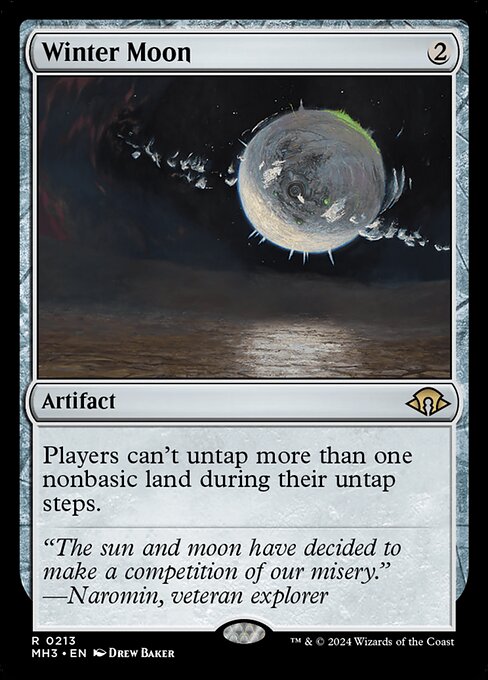
Winter Moon
-
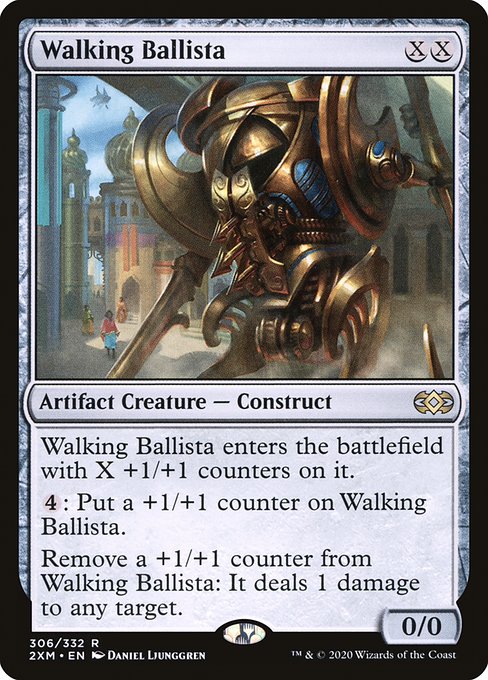
Walking Ballista
-
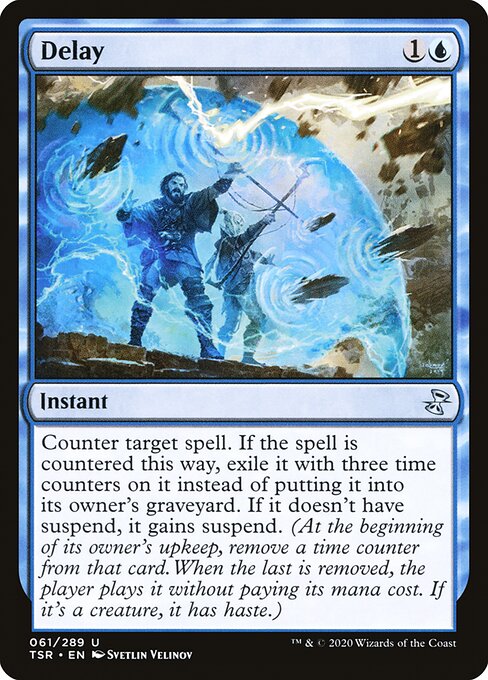
Delay
-
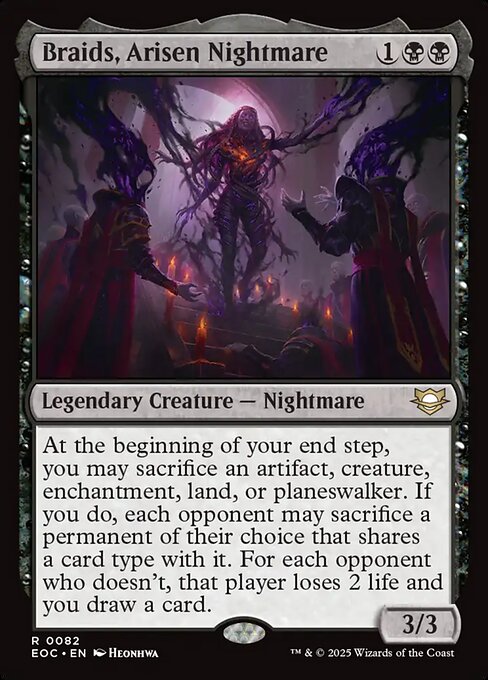
Braids, Arisen Nightmare
-

Skyclave Apparition
Gameplay Summary
The game began with a slow and methodical pace, with players developing their boards cautiously while managing resources and lands.
Early plays featured cards like Chromox and Boramir, setting up defensive and disruptive elements.
A key moment came when Winter Moon was cast, severely limiting players to only one non-basic land, which significantly slowed the game and shaped the mid-game strategy.
Players had to carefully navigate this restriction, with some using fetch lands and basic lands to adapt. Throughout the mid-game, tension rose as players used counterspells and removal to keep each other's threats in check.
Braids, Arisen Nightmare was cast but immediately countered with Delay, showcasing the importance of disruption in this match.
Walking Ballista was used for ping damage, and strategic discards and card advantage plays were made to maintain board presence.
The game plan revolved around controlling key creatures and managing threats without overextending, waiting for an opening to push through damage or combo pieces. Despite the slow progression caused by Winter Moon and reactive plays, the players maintained pressure using incremental damage and removal.
The game seemed to be heading towards a battle of attrition, with players leveraging their commanders' abilities to outlast opponents.
The eventual win condition likely involved exploiting the resilient board state or a well-timed combo facilitated by card advantage and mana acceleration.


