

Deck & Commander Strategies
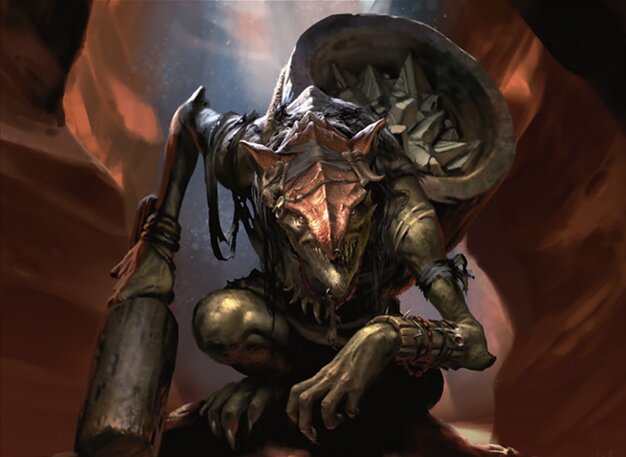
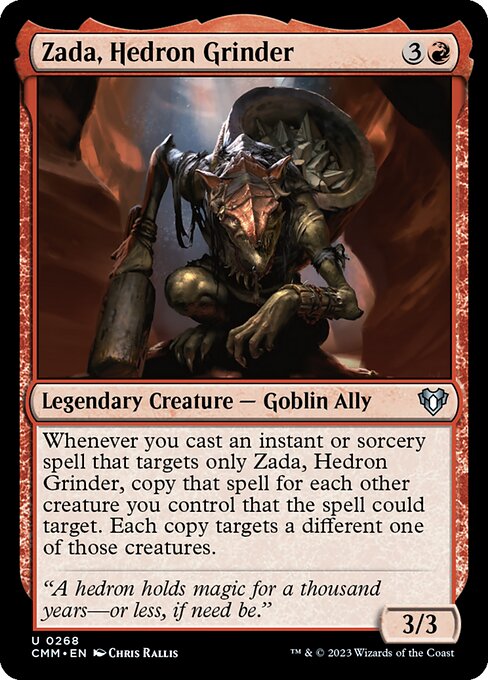
Zada, Hedron Grinder
Build a large army of goblin creatures by casting spells that buff them and trigger battlecry effects, then overwhelm opponents with a massive swarm.

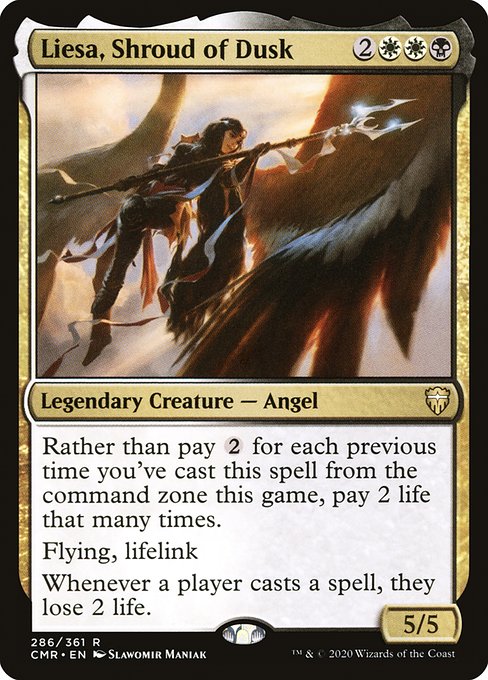
Liesa, Shroud of Dusk
Utilize a taxing angel tribal strategy that punishes opponents for casting spells with life loss and gains life to control the board and outlast opponents.
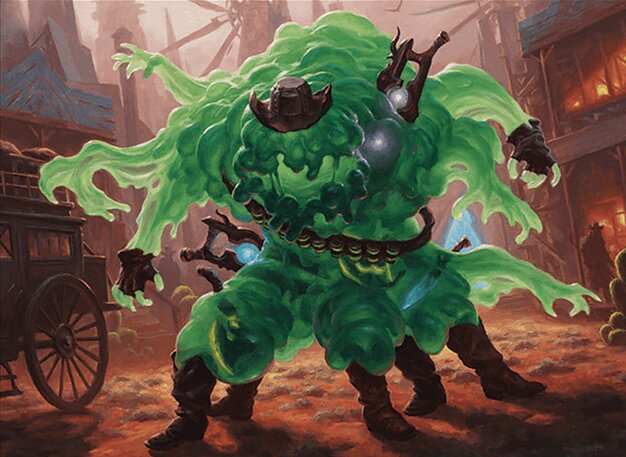
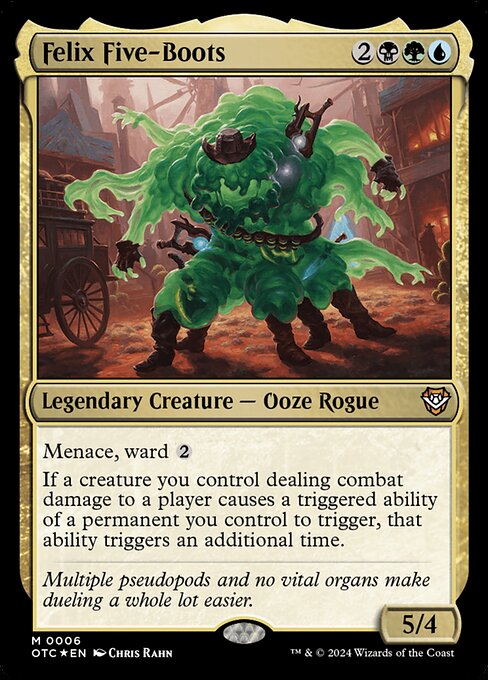
Felix Five-Boots
Leverage double combat triggers and instant/sorcery spells to generate card advantage, deal incremental damage, and create multiple combat phases for lethal attacks.

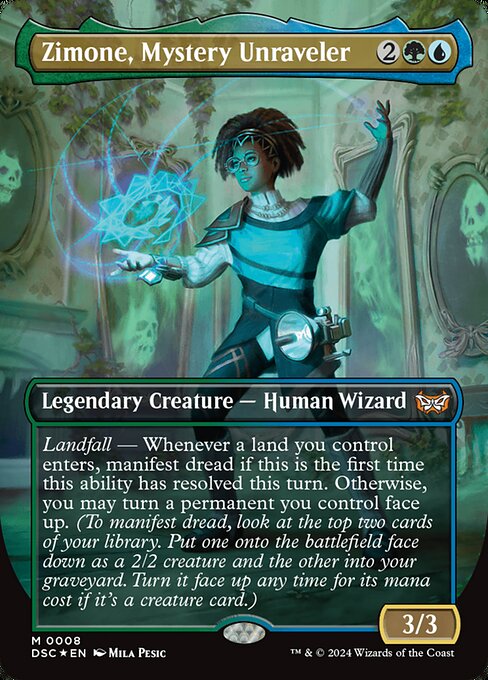
Zimone, Mystery Unraveler
Ramp aggressively and manifest cards to cheat out large creatures and threats from the top of the deck, aiming to control the late game with powerful permanents.
Gameplay Insights
- 1
Players consistently paid taxes on Smothering Tithe and life loss from Liesa's abilities to maintain parity and keep resources flowing despite the taxing effects.
- 2
Zada's use of Path of Ancestry and battlecry goblins provided steady card advantage and board development, synergizing well with his goblin tribal theme.
- 3
Felix prioritized casting multiple spells per turn to trigger Guttersnipe damage and set up double combat phases, enabling aggressive but controlled damage output.
- 4
Zimone's manifests allowed surprising turns by putting large creatures directly onto the battlefield, forcing opponents to respond quickly or face overwhelming threats.
- 5
The taxing effects from Liesa and Smothering Tithe shaped how aggressively players cast spells, adding a layer of resource management and timing to the gameplay.
- 6
Players used ramp spells like Explosive Vegetation and Rejuvenating Springs to accelerate their mana development, crucial for deploying higher-cost threats and spells.
Notable Cards
-
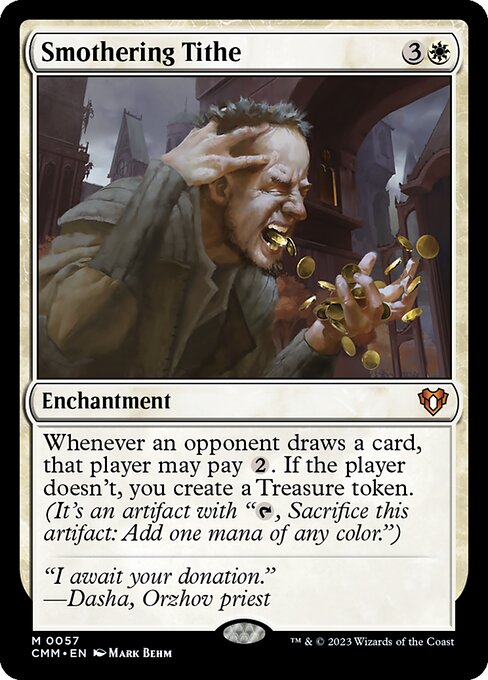
Smothering Tithe
-

Land Tax
-
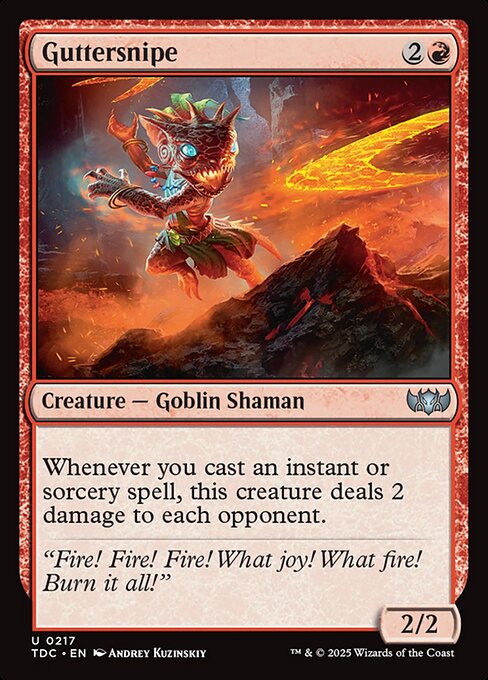
Guttersnipe
-
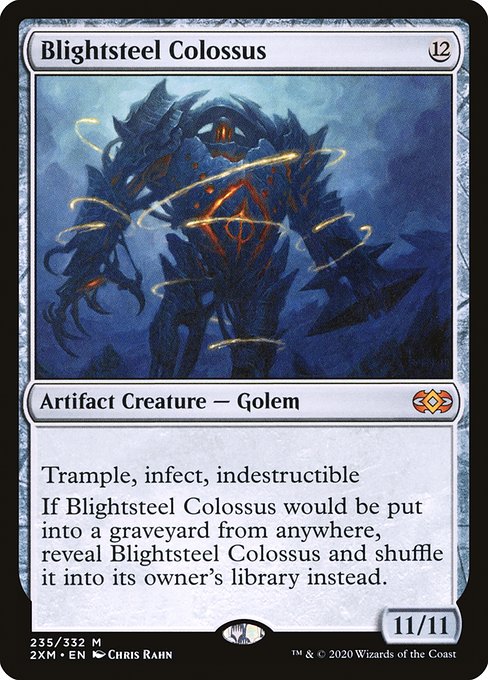
Blightsteel Colossus
-

Path of Ancestry
-
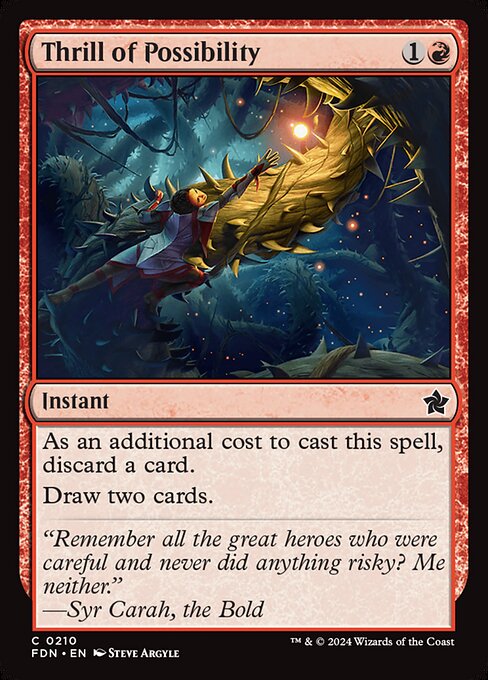
Thrill of Possibility
-
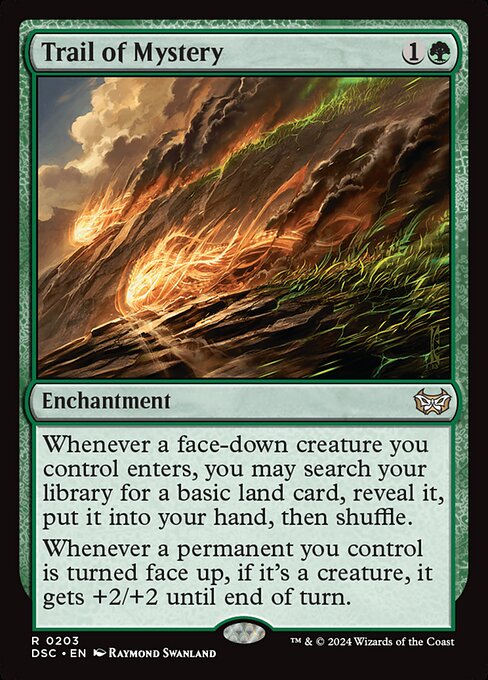
Trail of Mystery
-

Rogue's Passage
Gameplay Summary
The game started with an emphasis on ramp and land advantage, especially from the green and blue players who focused on quickly establishing mana bases with spells like Explosive Vegetation and Land Tax.
Zada's deck took an aggressive goblin tribal approach, casting goblins with battlecry triggers to build a growing swarm.
Felix focused on double combat triggers and card advantage, utilizing instants and sorceries to draw cards and trigger damage effects like those from Guttersnipe.
Liesa played a more controlling angel tribal deck that leveraged life gain and taxing opponents whenever spells were cast, applying constant pressure through attrition.
Zimone aimed to manifest and flip powerful creatures, ramping heavily and deploying threats like Blightsteel Colossus to dominate the late game. Key turning points included players committing to paying the life and mana tax from cards like Smothering Tithe and Liesa's taxing ability, which shaped the pace of spells cast and resource allocation.
Zada aimed to maximize his goblin army size through spells that buffed them, while Felix used spell-heavy turns to trigger combat doubles and draw into more answers.
Zimone's manifest strategy started to reveal big creatures that threatened to turn the tide, but the constant interplay of taxing and removal attempts kept the board dynamic.
The game revolved around balancing aggressive board development with resource management under taxing effects, ultimately setting up a battle between swarm aggression and manifested threats with angelic support and combat trick synergy supporting their respective win conditions.


![Commander VS S13E9: Gwendlyn vs Ashling vs Selvala vs Zada [EDH] thumbnail](https://i.ytimg.com/vi/GSSL3n2-Yf8/sddefault.jpg)
![Commander VS S1E5: Noyan Dar vs Zada vs Omnath vs Drana [MTG Multiplayer] thumbnail](https://i.ytimg.com/vi/i4dlYaidQOQ/sddefault.jpg)


