

Deck & Commander Strategies

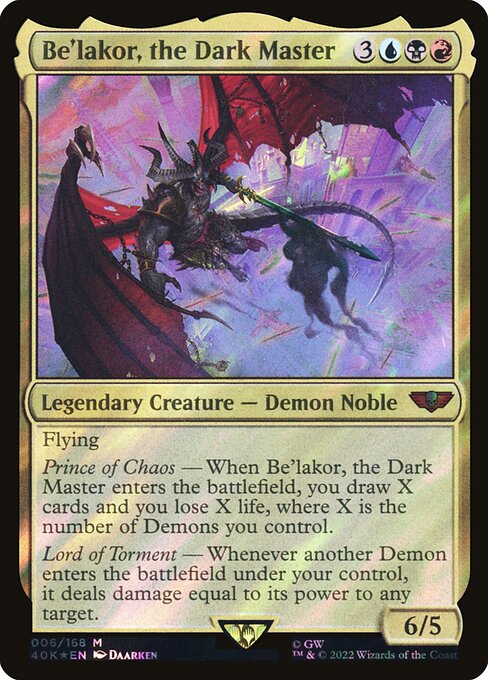
Be'lakor, the Dark Master
Focuses on demon tribal synergy by sacrificing Bloodspeaker to tutor demons, recur demons from the graveyard, and deploy large demons to overwhelm opponents.

Eshki, Temur's Roar
Builds a value engine with big creatures and card draw through Eshki's ability to place +1/+1 counters and deal damage based on creature power, while applying pressure via creature combat damage and burn.

Tannuk, Memorial Ensign
Leverages landfall triggers by playing and cycling lands to deal incremental damage to all opponents and draw cards, creating sustained board presence and pressure.

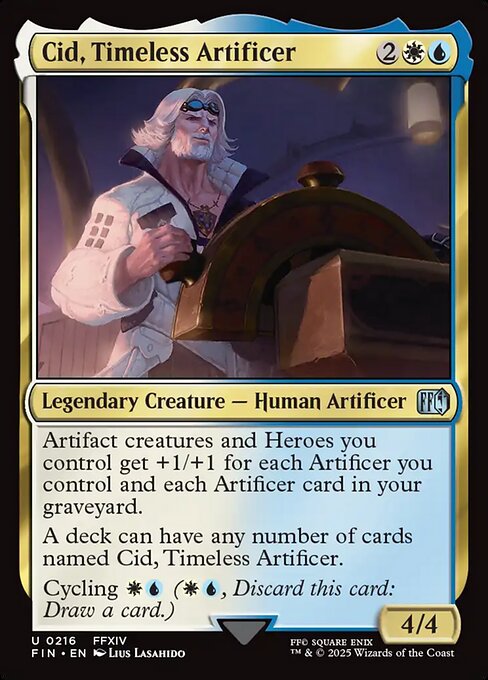
Cid, Timeless Artificer
Utilizes artifact synergies and cost reduction to rapidly deploy artifact creatures, generate flying Thopter tokens from combat damage, and control the board with utility artifacts.
Gameplay Insights
- 1
Be'lakor's use of Bloodspeaker to repeatedly tutor and recur demons was a key engine that drove card advantage and board presence.
- 2
Tannuk capitalized on playing multiple lands per turn and sacrificing lands like Cabaretti Courtyard to fuel both damage and card draw.
- 3
Eshki's ability to draw cards and deal damage scaled effectively with creature size, making removal less impactful than expected.
- 4
Cid utilized artifact cost reduction and creatures that generated tokens on combat damage to maintain board presence despite removal.
- 5
Removal spells like Path to Exile were used strategically to delay threats but sometimes inadvertently accelerated opponents' board development due to ramp.
- 6
Incremental damage from landfall triggers and combat damage was a consistent source of pressure that shaped player decisions throughout the game.
Notable Cards
-
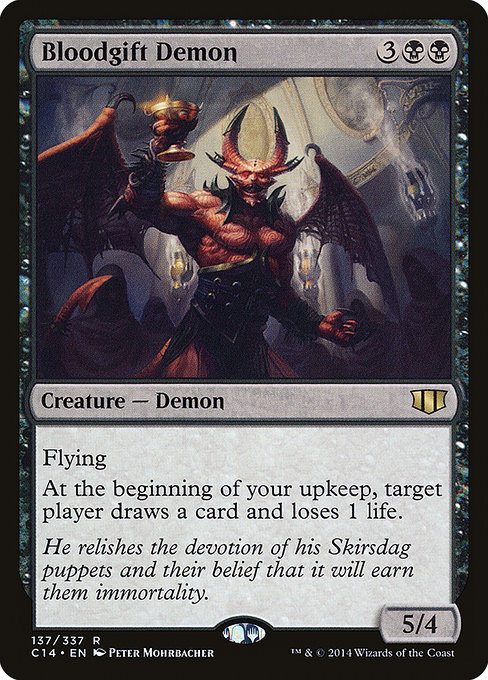
Bloodgift Demon
-

Tannuk, Memorial Ensign
-

Eshki, Temur's Roar
-
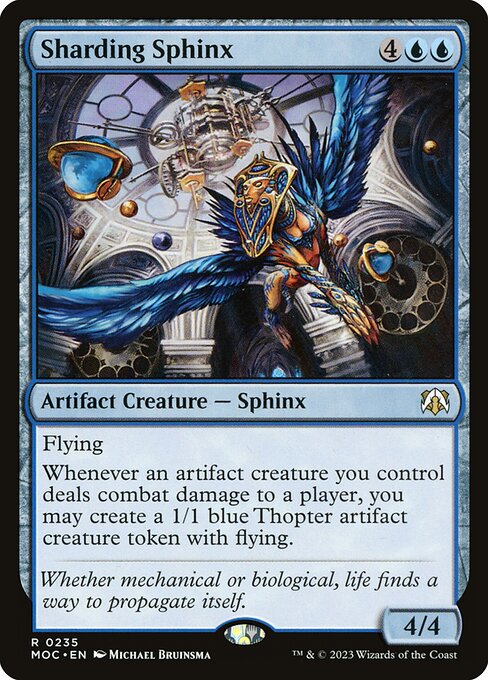
Sharding Sphinx
-

Swiftfoot Boots
-

Path to Exile
-
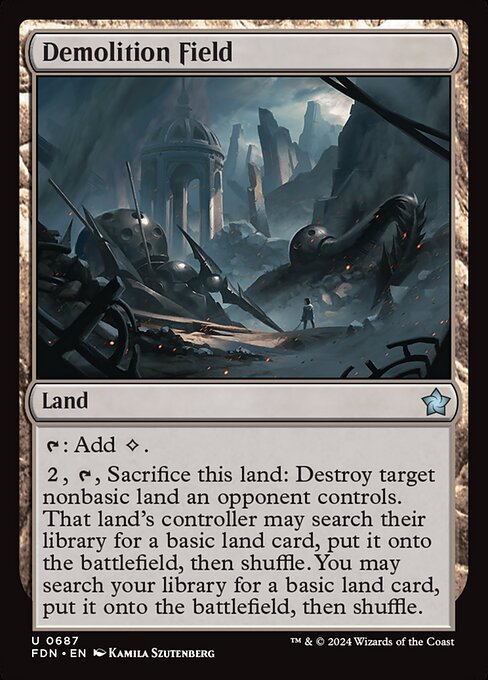
Demolition Field
Gameplay Summary
The game started with each player establishing their board states centered on their commanders' unique synergies.
Eshki, Temur's Roar developed a value engine by casting big creatures and drawing cards, while Tannuk, Memorial Ensign focused heavily on landfall triggers to deal incremental damage and draw cards.
Cid, Timeless Artificer ramped into artifact synergies, progressively building a board of artifact creatures to generate value and tokens.
Be'lakor, the Dark Master pursued a demon tribal strategy, utilizing Bloodspeaker to tutor demons and recur them, steadily assembling a threatening demon presence. A pivotal moment occurred when Be'lakor's pilot sacrificed Bloodspeaker repeatedly to fetch powerful demons like Bloodgift Demon, strengthening their board and card advantage.
Meanwhile, Tannuk and Eshki exchanged incremental damage through repeated landfall triggers and creature attacks, with Tannuk consistently pressuring opponents by cycling lands and leveraging damage from lands entering battlefield.
Cid used artifact cost reduction and creatures like Voyager Quicksilver and Sharding Sphinx to maintain board presence and create flying tokens.
The game revolved around incremental damage from landfalls and combat, demon recursion, and artifact token generation, with players carefully balancing removal and development.
Strategic plays included timely removal of key threats and maximizing landfall triggers to chip away at opponents.


![Tarkir: Dragonstorm PACK TACTICS ft. Teval, Felothar, Eshki, Zurgo [ EDH / Commander Gameplay ] thumbnail](https://i.ytimg.com/vi/hZuA4Kdlt04/sddefault.jpg)


![Commander Chaos: Dieser Joghurt war einfach OP | Herumkommandiert #11 | EDH Gameplay [Deutsch] thumbnail](https://i.ytimg.com/vi/kkVzzfyoM6A/sddefault.jpg)