

Deck & Commander Strategies
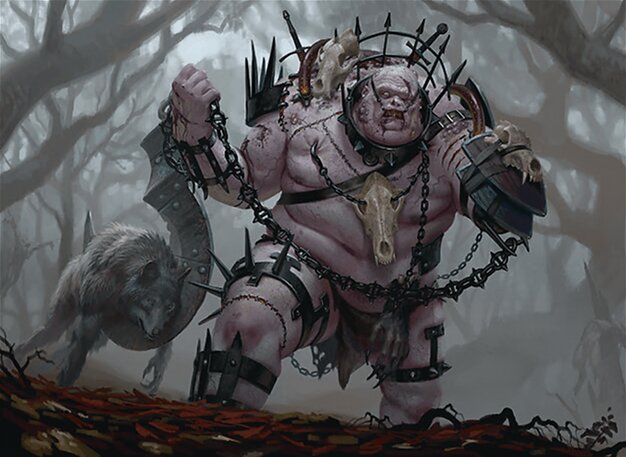
Grimgrin, Corpse-Born
Utilizes a zombie tribal sacrifice engine to generate value by tapping, untapping, and sacrificing creatures, aiming to control the board and drain opponents through recurring zombie threats.

Lo and Li, Royal Advisors
Focuses on milling opponents to fill graveyards while creating advisor tokens that benefit from discard triggers, leveraging incremental advantage and disruption.
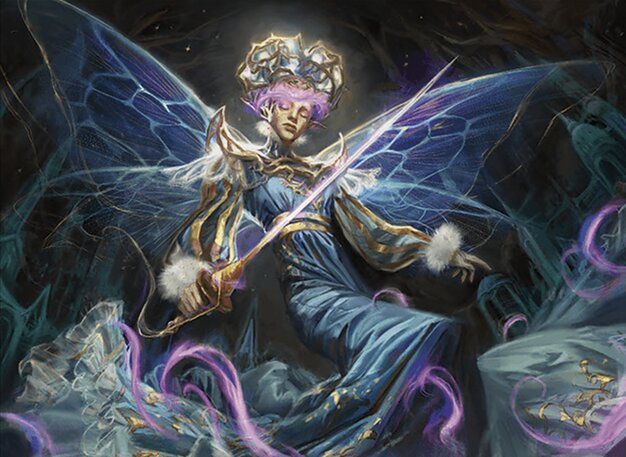
Obyra, Dreaming Duelist
Builds a faerie tribal deck with flash creatures that deal incremental damage to opponents as more faeries enter the battlefield, aiming for consistent life loss and evasion.
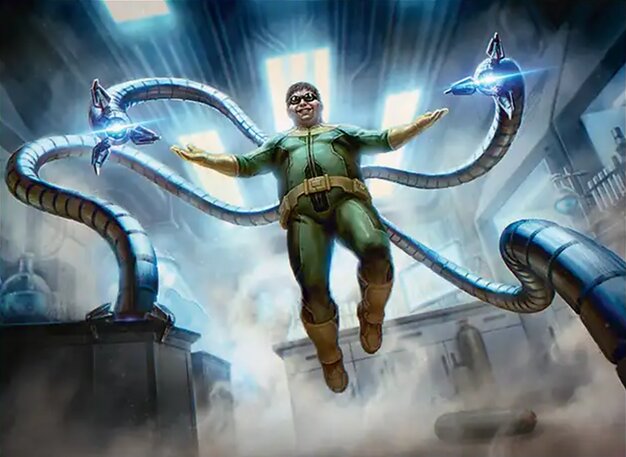
Doctor Octopus, Master Planner
Centers around card draw and hand size manipulation with a powerful artifact ‘clock’ that reshuffles hands and graveyards, maintaining card advantage and board control.
Gameplay Insights
- 1
Aggressive milling disrupted normal game flow and forced players to rely heavily on graveyard synergies and recursion.
- 2
Doctor Octopus's artifact 'Midnight Clock' was a game-changing card, threatening to reset game states by reshuffling graveyards and hands.
- 3
Grimgrin's ability to tap and untap zombies created continual pressure through sacrifice and regeneration mechanics.
- 4
Lo and Li capitalized on discard triggers to maintain a steady stream of advisor tokens, enhancing board presence despite milling chaos.
- 5
Obyra’s faerie tribal leveraged flash creatures to apply constant incremental damage, pressuring opponents' life totals while avoiding board wipes.
Notable Cards
-
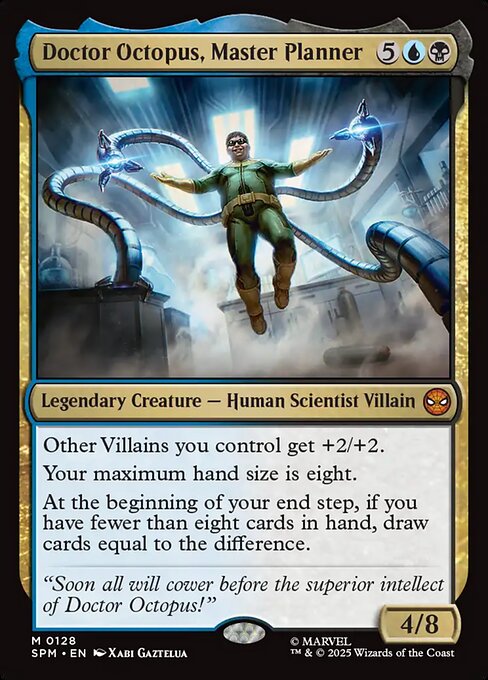
Doctor Octopus, Master Planner
-
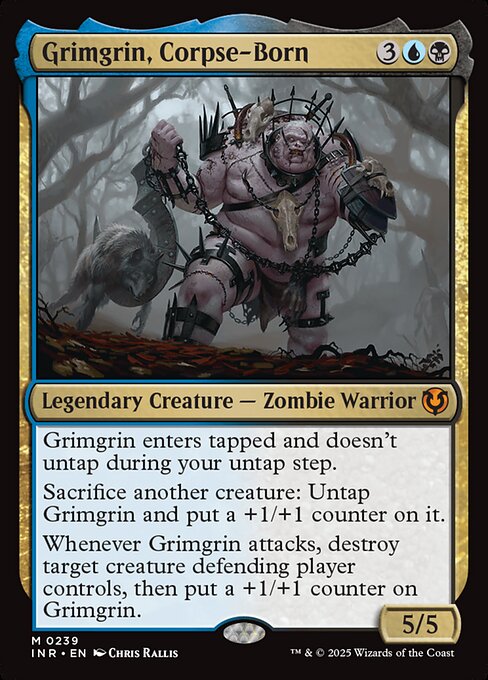
Grimgrin, Corpse-Born
-
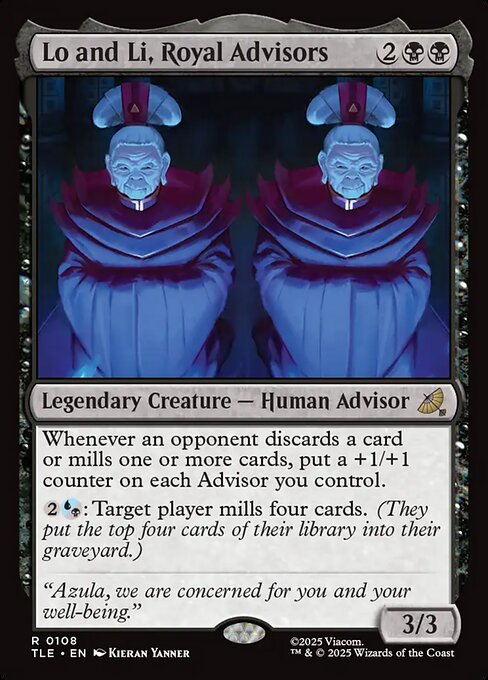
Lo and Li, Royal Advisors
-
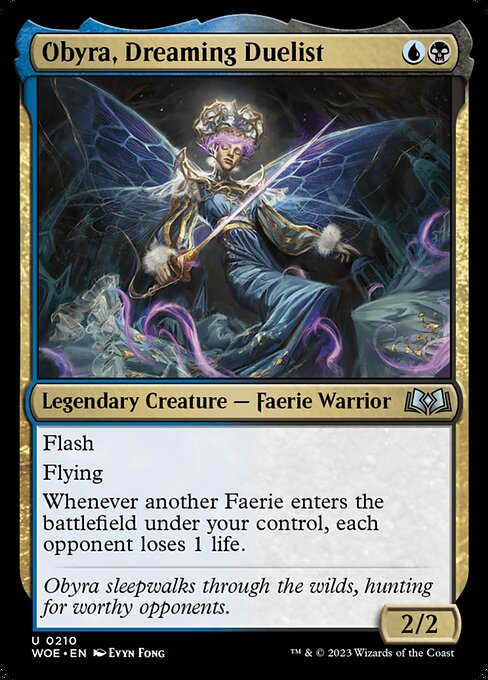
Obyra, Dreaming Duelist
-
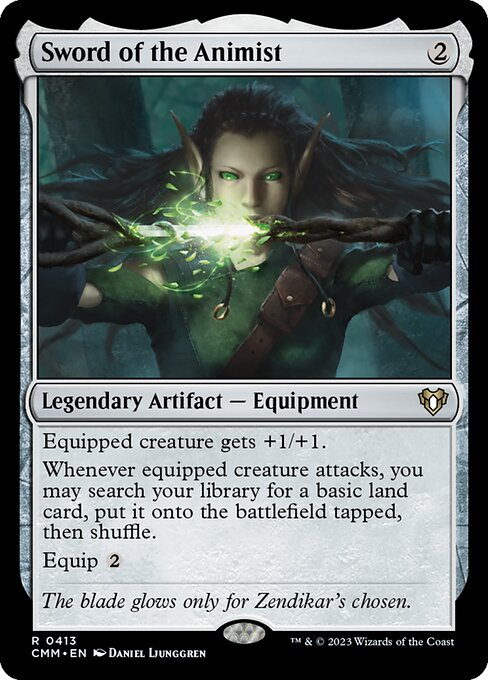
Sword of the Animist
-
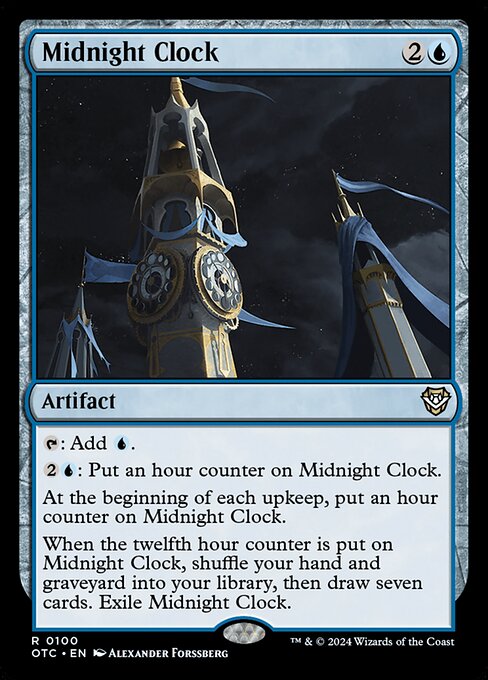
Midnight Clock
Gameplay Summary
The game began with four Dimir commanders facing off, each leveraging their unique strategies centered around milling, graveyard interactions, and value engines.
Early turns saw players establishing their mana bases and deploying creatures and artifacts to ramp and generate card advantage.
Doctor Octopus, Master Planner focused on drawing cards and maintaining a high hand count to fuel his value engine, while Lo and Li, Royal Advisors aimed to mill opponents and generate advisors to capitalize on discard triggers.
Obyra, Dreaming Duelist established a faerie tribal presence, leveraging flash and life loss effects with each faerie entering the battlefield.
Grimgrin, Corpse-Born built a zombie sacrifice engine, tapping and untapping creatures to grind value and remove threats. A key turning point occurred when multiple players began aggressively milling cards from opponents' decks, significantly thinning libraries and triggering graveyard synergies.
Doctor Octopus's artifact clock threatened to reshuffle graveyards and hands back into the library, disrupting graveyard-dependent strategies.
Meanwhile, Grimgrin's ability to sacrifice zombies and other creatures created relentless pressure, while Obyra's faeries chipped away at opponents' life totals.
Lo and Li's discard and milling synergy generated incremental advantage and board presence, making it difficult for others to stabilize. The game was marked by high interaction, strategic tapping and untapping of creatures, and careful management of resources.
The milling theme disrupted usual deck flow, forcing players to adapt quickly.
Ultimately, the winner emerged by combining persistent board presence with effective milling and exploiting graveyard recursion and discard triggers, showcasing the power and chaos of Dimir strategies in Commander.




![Xyris vs Grimgrin vs Mogis vs Illuna [EDH Gameplay] 2020 thumbnail](https://i.ytimg.com/vi/pHo2vOPZ0vg/sddefault.jpg)
![Sharuum vs Grimgrin vs Mogis vs Kynaios and Tiro [EDH Gameplay] 2020 thumbnail](https://i.ytimg.com/vi/QpJrr_CcH2M/sddefault.jpg)