

Deck & Commander Strategies
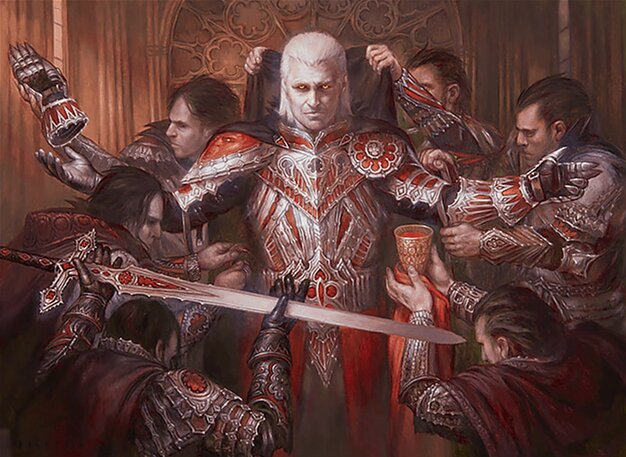
Edgar Markov
A vampire tribal deck focused on generating numerous vampire tokens via eminence and attacking aggressively while using equipment to pump creatures and control the board.
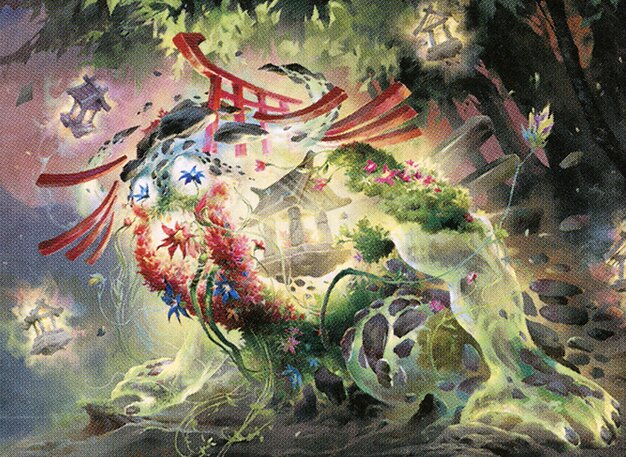
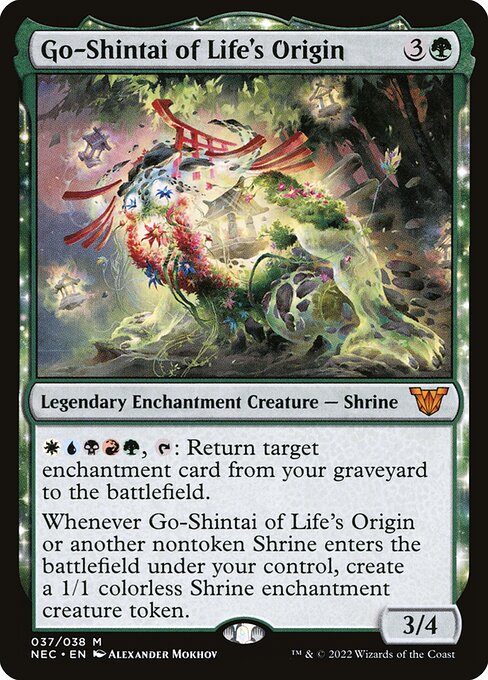
Go-Shintai of Life's Origin
A shrine and saga-based deck that leverages historical backgrounds and ramp via companion Giganta the Wellspring to draw cards, control the board, and build incremental advantage without infinite combos.
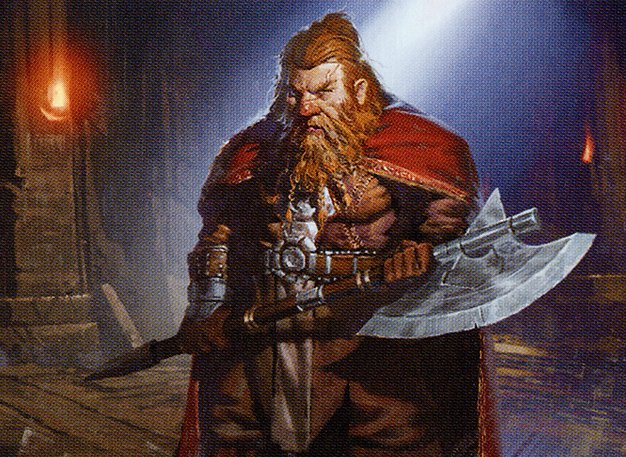
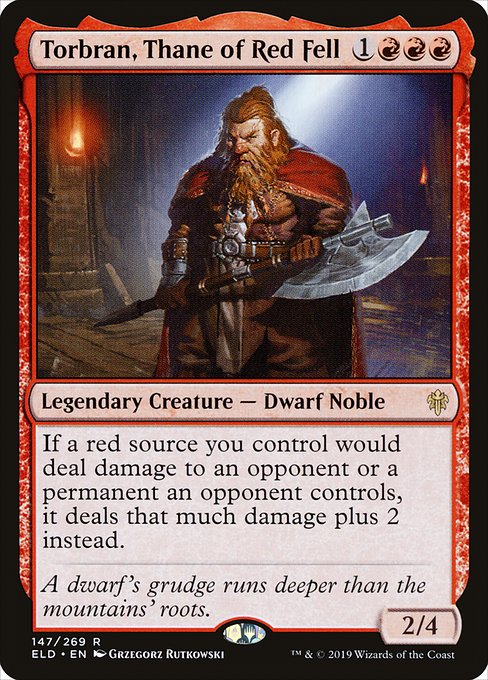
Torbran, Thane of Red Fell
A red aggro deck that uses burn spells, goblin token generation, and damage amplification from Torbran to quickly pressure and burn down opponents.
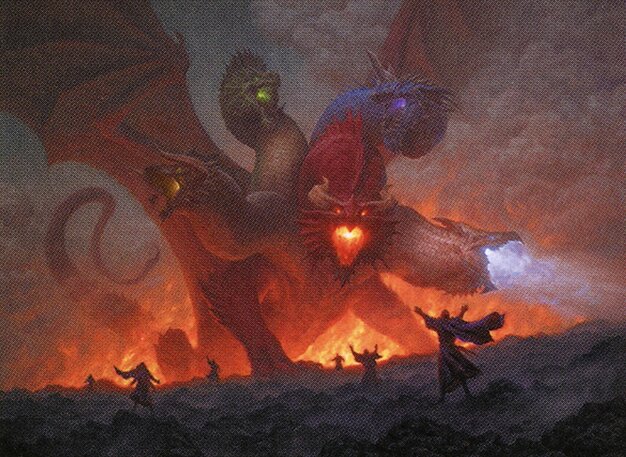
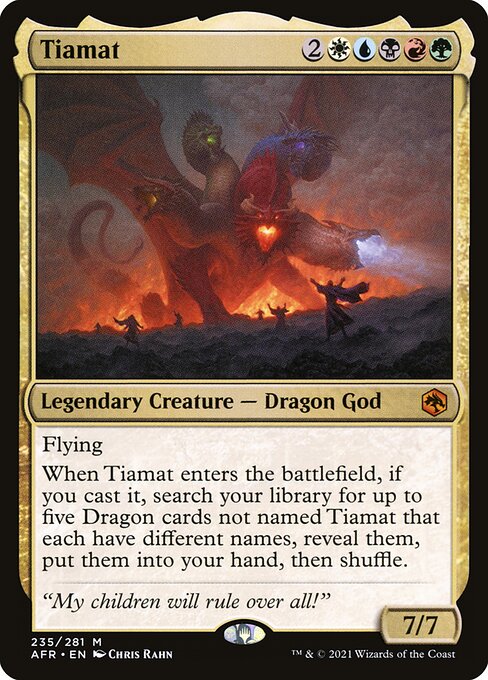
Tiamat
A five-color dragon tribal deck that ramps into powerful dragons and dragon-related synergies, aiming to dominate the late game with heavy hitters supported by multicolor mana fixing.
Gameplay Insights
- 1
Edgar Markov’s eminence ability rapidly swelled the vampire board presence, making early aggression a key threat to opponents.
- 2
Go-Shintai’s use of shrines and historical sagas provided a solid engine for card draw and board control without relying on infinite combos.
- 3
Torbran’s aggressive deployment of goblin tokens and equipment allowed swift application of pressure across multiple opponents.
- 4
Players balanced between playing fast and slow, with Edgar and Torbran pushing early aggression while Go-Shintai and Tiamat prepared for longer-term board dominance.
- 5
Equipment like Blade of the Bloodchief amplified the effectiveness of tribal synergies, turning small creatures into significant threats.
Notable Cards
-
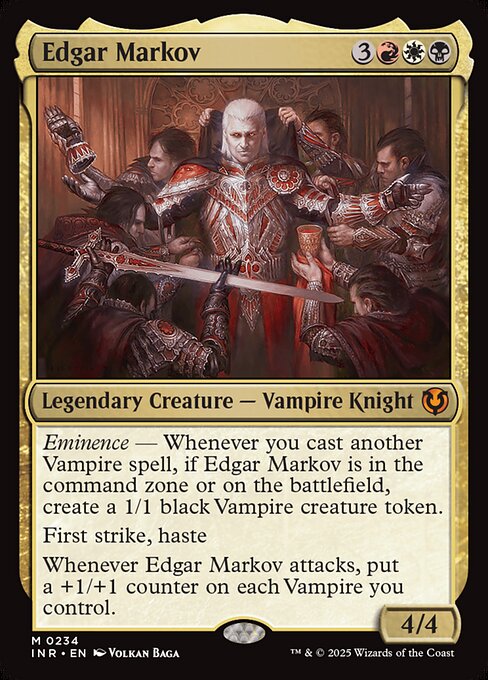
Edgar Markov
-
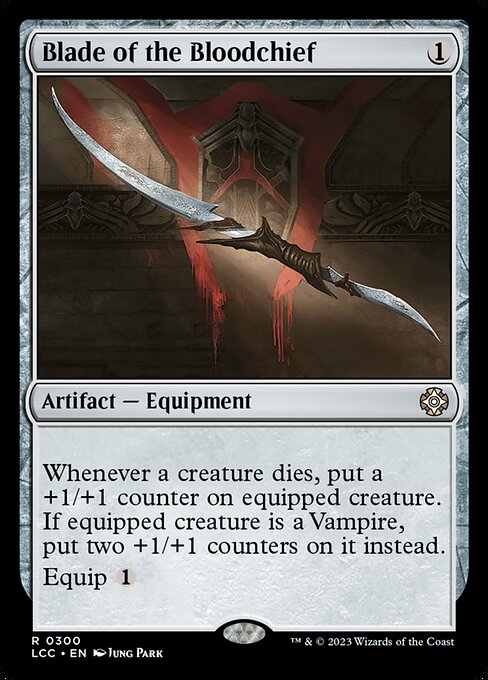
Blade of the Bloodchief
-
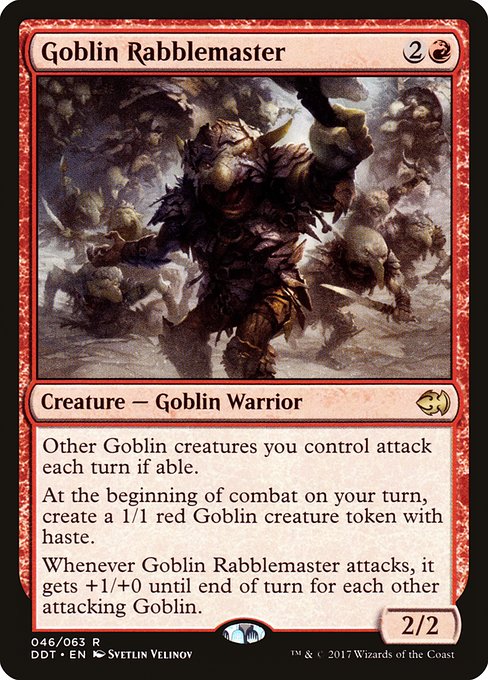
Goblin Rabblemaster
-
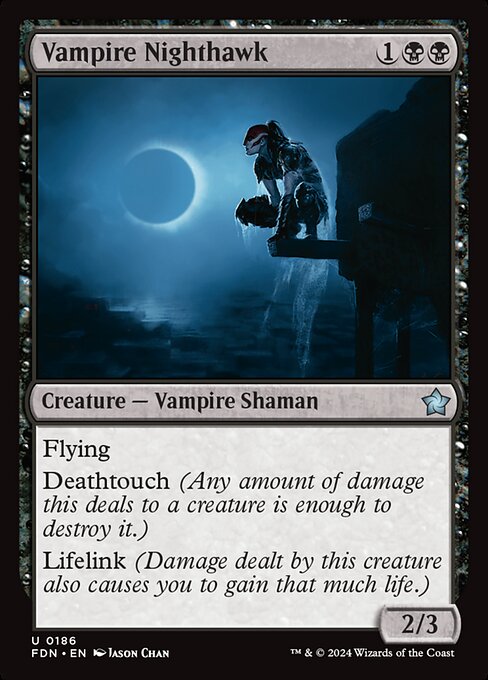
Vampire Nighthawk
-
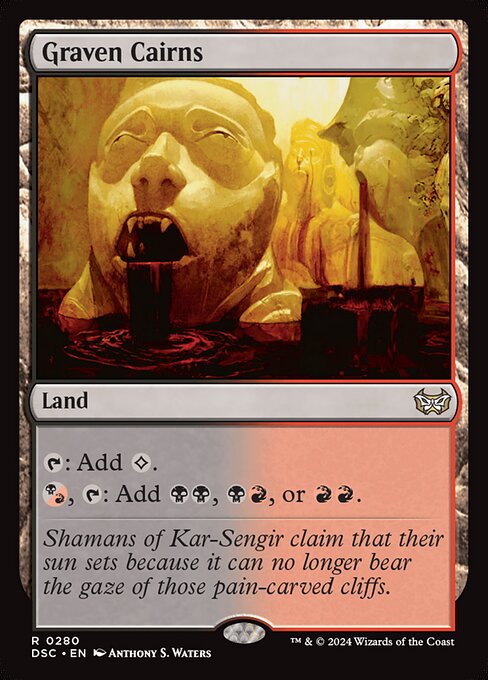
Graven Cairns
Gameplay Summary
The game began with players setting up their respective strategies: Edgar Markov focusing on aggressive vampire tribal synergy, Go-Shintai deploying a shrine and saga-based control and card draw engine, Torbran aiming for red aggro damage amplification, and Tiamat assembling a powerful dragon-based five-color strategy.
Early turns saw Edgar Markov quickly develop a board presence with multiple one-drop vampires and equipment like Blade of the Bloodchief to enhance their power and resilience.
Go-Shintai worked on ramping and assembling historical sagas and shrines to generate incremental card advantage and board control, while Torbran set up fast red mana rocks and goblin tokens to capitalize on damage boosts.
Tiamat's player anticipated a slower build but kept options open to adapt to the table's pace. As the game progressed, Edgar Markov’s eminence ability proved threatening, producing vampire tokens and growing the board with each attack.
Torbran’s aggressive goblin tokens and direct damage potential pressured opponents, while Go-Shintai’s shrine and saga synergies began to take hold, generating value and controlling the pace.
Key turning points included Edgar Markov equipping powerful equipment to vampires, increasing their damage output significantly, and Go-Shintai leveraging unique historical sagas to disrupt enemy plans.
The game’s tension revolved around whether Edgar’s vampire tribal aggression or Go-Shintai’s shrine synergy would outpace Torbran’s burn and Tiamat’s late-game dragon threats.
The interplay of board states, token generation, and damage amplification set the stage for a dynamic finish, highlighting each deck’s distinctive approach to Commander gameplay.


![Commander VS: Ghoulcaller Gisa VS Torbran VS Chulane VS Sisay [From SCGCON] thumbnail](https://i.ytimg.com/vi/D0eveMMHDz0/sddefault.jpg)
![Commander VS S17E4: Linden VS Syr Konrad VS Kenrith VS Torbran [EDH] thumbnail](https://i.ytimg.com/vi/PvUddo1rzeo/sddefault.jpg)


