

Deck & Commander Strategies
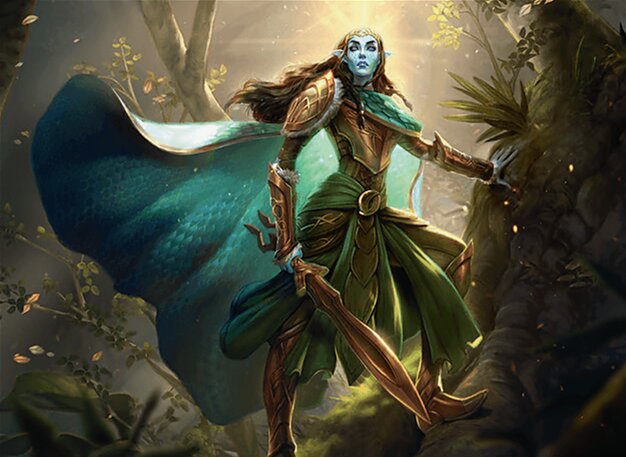
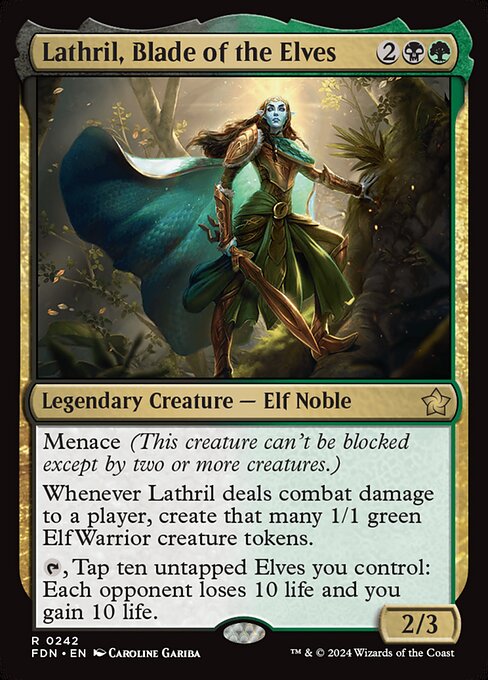
Lathril, Blade of the Elves
Generate a large army of elves quickly, leveraging death touch-like abilities and life gain to dominate combat and outlast opponents. Use lords and equipment to pump the elves and overrun the table.
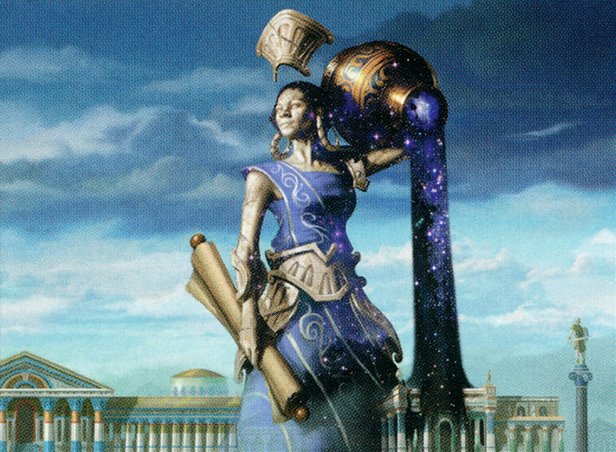
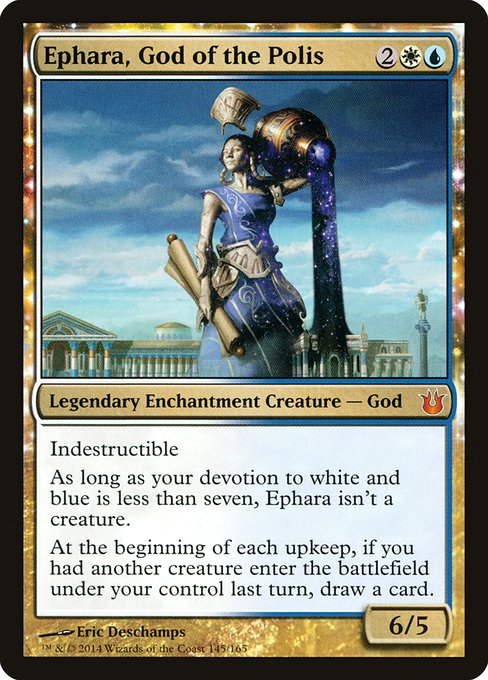
Ephara, God of the Polis
Play a creature-heavy deck with flash and instant-speed interactions to blink creatures, drawing cards and gaining incremental advantage. Employ soft lockdown tactics to control the pace of the game.
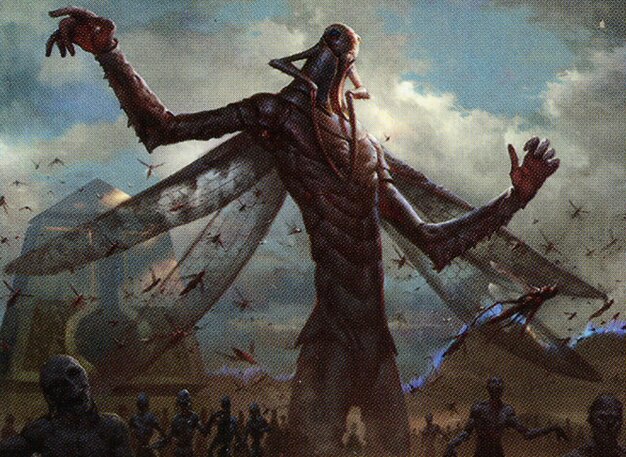
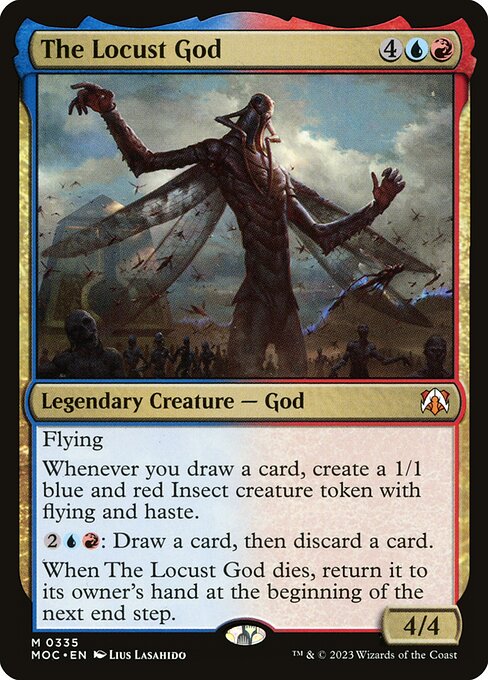
The Locust God
Draw a large number of cards while producing flying insect tokens with haste. Utilize damage spreading effects like Impact Tremors to chip away at opponents and maintain control through card advantage and token pressure.
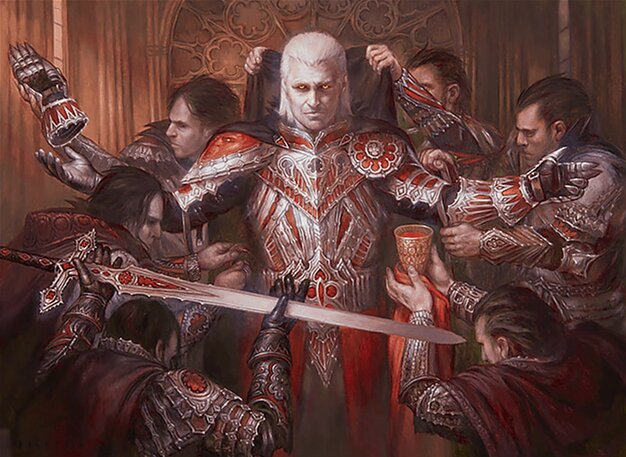
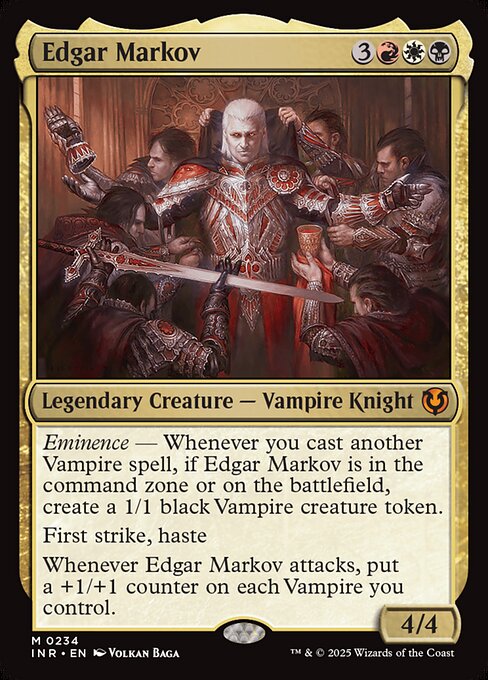
Edgar Markov
Aggressively generate vampire tokens whenever a vampire is cast to flood the board rapidly. Use tribal synergies and life gain combos to pressure opponents and close out the game quickly.
Gameplay Insights
- 1
The Edgar Markov player prioritized quick token generation to establish early board dominance and aggressive pressure.
- 2
The Locust God player’s strategy to combine card draw with token production and damage spreading created multiple threats that opponents had to address simultaneously.
- 3
Ephara’s deck used flash and blink mechanics to gain repeated value from creatures entering the battlefield, enabling soft locks and incremental advantage.
- 4
Lathril’s ability to pump elves and gain life synergized well to create a resilient board presence capable of both offense and defense.
- 5
Players kept key removal and counterspells ready to handle potential infinite or pseudo-infinite combos, especially targeting The Locust God player’s Lab Man and Edgar Markov’s vampire synergies.
Notable Cards
-
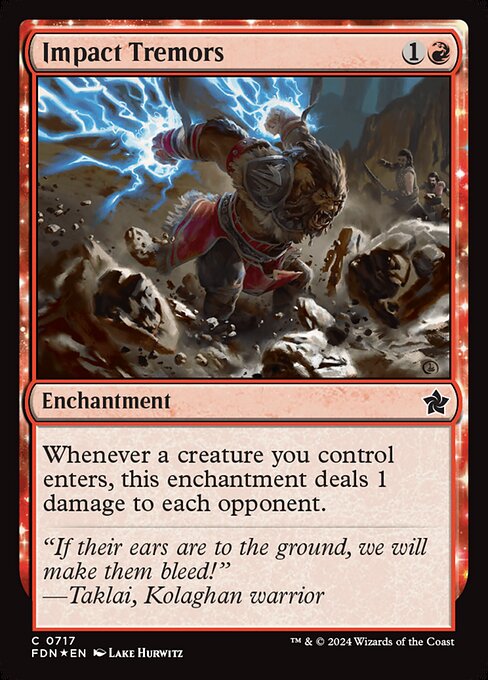
Impact Tremors
-

Viscera Seer
-
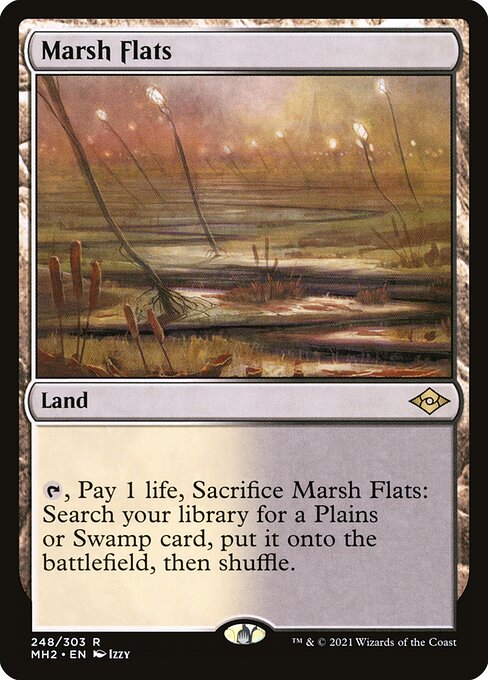
Marsh Flats
-
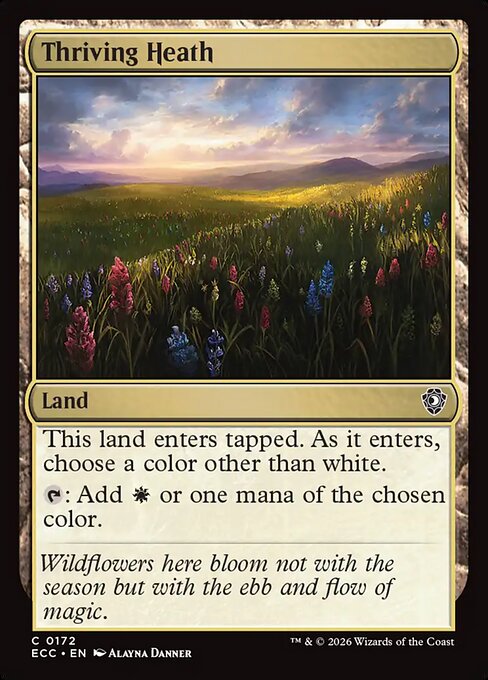
Thriving Heath
-
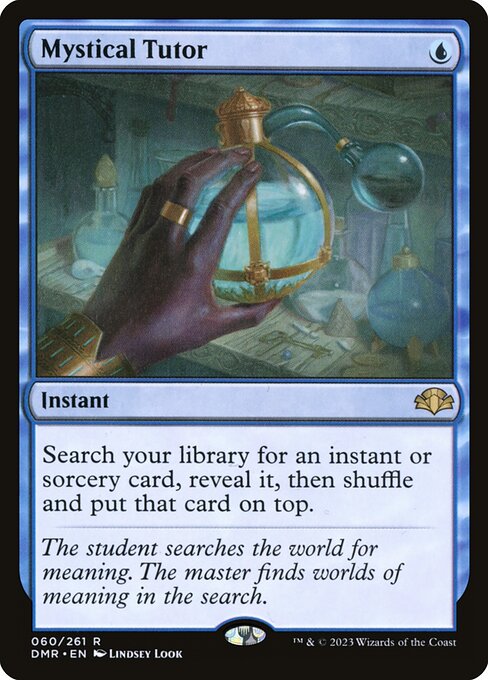
Mystical Tutor
Gameplay Summary
The game began with the players setting up their respective strategies centered around their commanders: The Locust God, Ephara, God of the Polis, Lathril, Blade of the Elves, and Edgar Markov.
Early turns featured typical setup plays such as ramping mana, casting tokens, and establishing board presence.
The Edgar Markov player focused on generating vampire tokens quickly to apply pressure, while the Locust God player aimed to draw cards and create insect tokens to control the board and spread damage with tremors effects.
Ephara's player utilized flash creatures and blink effects to generate card advantage and value, and Lathril's player worked on building a robust elf army with death touch-like effects and life gain to survive and overrun opponents. Key turning points involved the Edgar Markov player aggressively producing vampire tokens, escalating board tension with consistent attacks.
Meanwhile, the Locust God player sought to leverage card draw and damage spread to maintain control and disrupt opponents.
Ephara's blink-centric deck contributed to soft lockdowns by repeatedly reusing enter-the-battlefield triggers.
Lathril’s strategy of overwhelming with elves and life gain created a defensive and offensive synergy that threatened to close out the game through sheer numbers and incremental damage.
The game showcased a dynamic interplay between token generation, board control, and incremental advantage, culminating in a tense multiplayer standoff with multiple players poised to win depending on draws and board state shifts.





![Commander VS S5E3: ??? vs ??? vs ??? vs ??? [MTG Multiplayer] thumbnail](https://i.ytimg.com/vi/WDOyK7Idh20/sddefault.jpg)


![Commander VS S16E7: The Locust God VS Horde of Notions VS Tatyova VS Balan [EDH] thumbnail](https://i.ytimg.com/vi/yqrnU70Qx6I/sddefault.jpg)


