

Deck & Commander Strategies
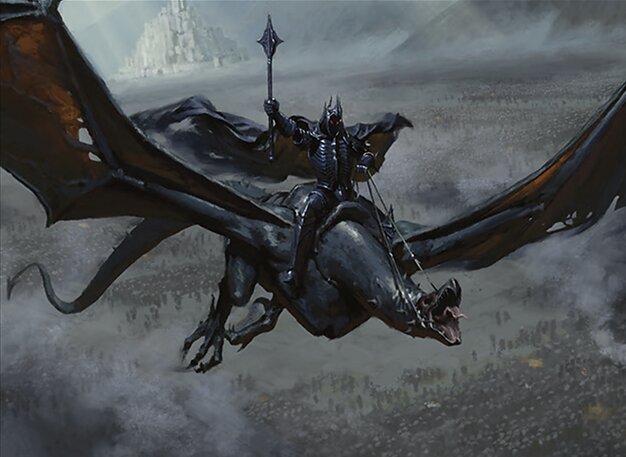
Lord of the Nazgûl
Utilizes cheap instants and sorceries to create numerous raid tokens and place +1/+1 counters on creatures, growing a wide board presence to overwhelm opponents through combat.
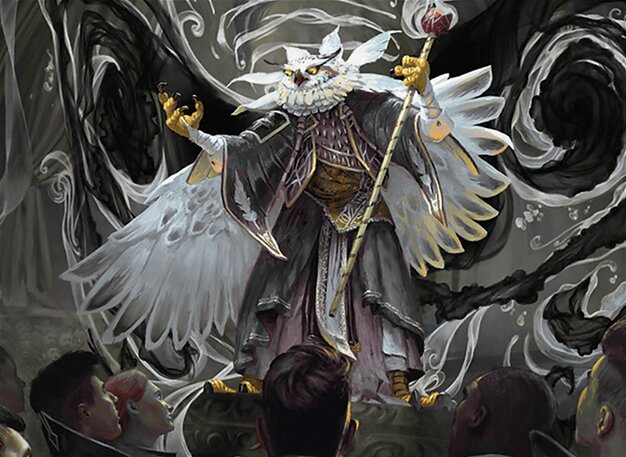
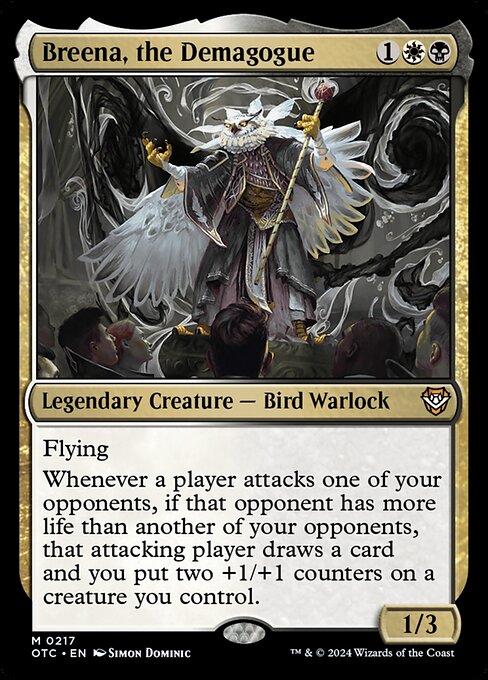
Breena, the Demagogue
A politics and group hug deck that gains card advantage and counters through combat triggers, aiming to control the table by distributing counters and generating value from attacks.

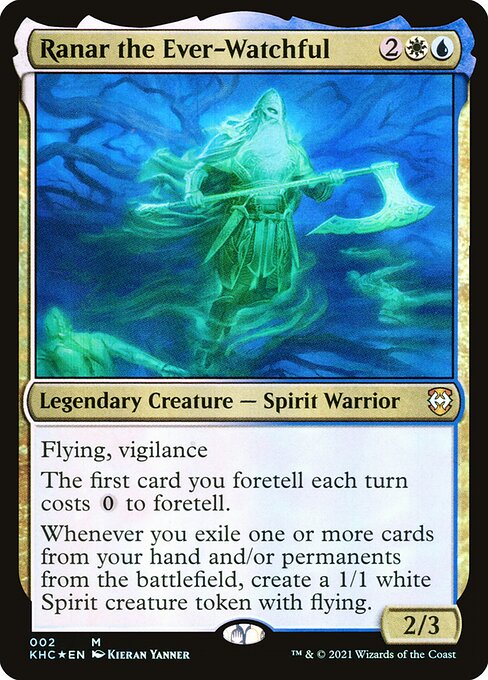
Ranar the Ever-Watchful
Focuses on flickering and exiling creatures to generate flying spirit tokens, leveraging tribal synergy and evasion to dominate the skies.
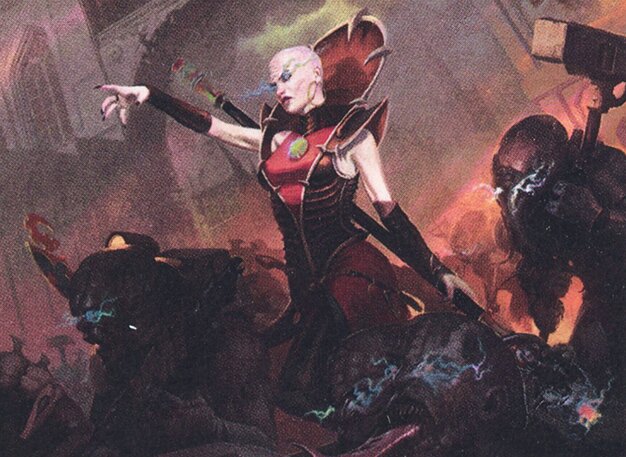
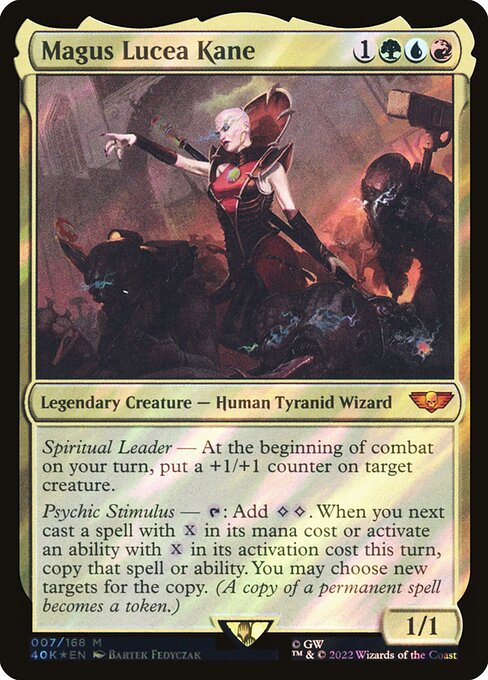
Magus Lucea Kane
Centers on casting X-spells of all types to generate incremental value and control the board, using versatile mana abilities and spell effects to maintain tempo.
Gameplay Insights
- 1
John’s use of Soul Ring on turn one accelerated his mana allowing early deployment of Lord of the Nazgûl and rapid token generation.
- 2
Corey maximized Brina’s combat trigger to draw multiple cards and place +1/+1 counters, steadily growing his creatures’ strength.
- 3
Skyler’s strategic use of X-spells and mana rocks like Spectral Searchlights and Victory Chimes provided continual mana and board presence advantage.
- 4
Dylan’s decision to flicker and exile creatures to create flying spirits maintained pressure in the air while disrupting opponents’ board states.
- 5
A critical moment was John attacking with Nazgûl and triggering Brina, leading to an explosive growth in counters and tokens that shifted the board state heavily in John’s favor.
- 6
Corey leveraged Ghostly Prison to limit incoming attacks, buying time to develop his board and maintain political leverage.
- 7
The interplay of token generation, counters, and incremental card advantage created escalating threats, emphasizing the importance of timing combat and spell casting for maximum synergy.
Notable Cards
-
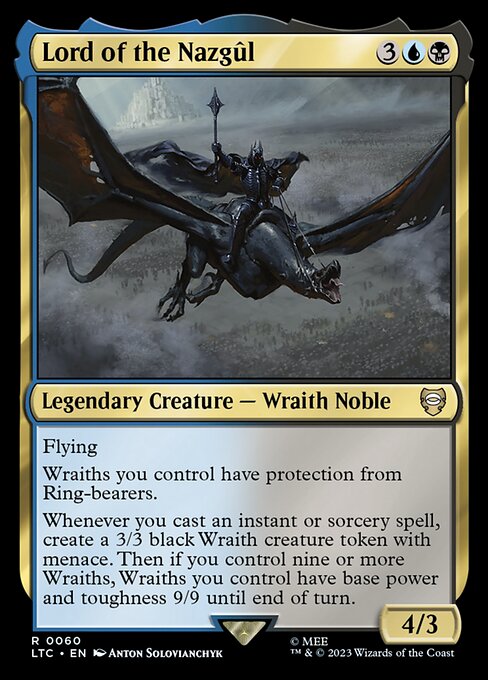
Lord of the Nazgûl
-

Breena, the Demagogue
-

Ghostly Prison
-
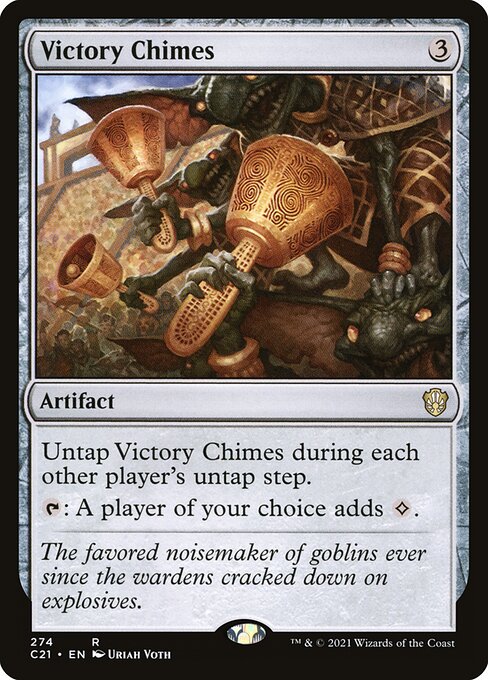
Victory Chimes
-
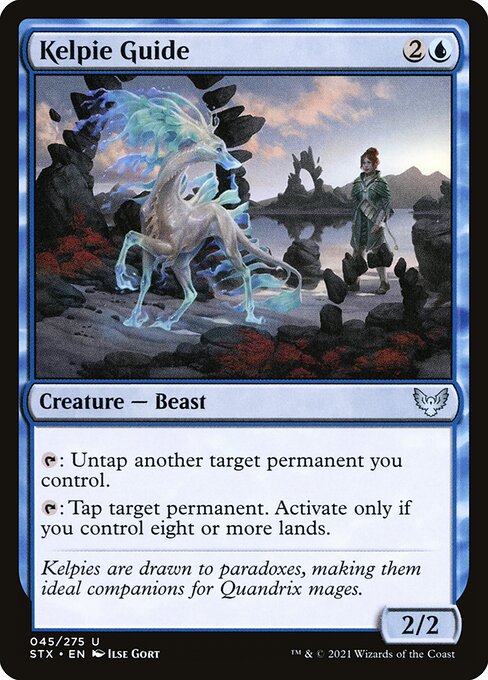
Kelpie Guide
-
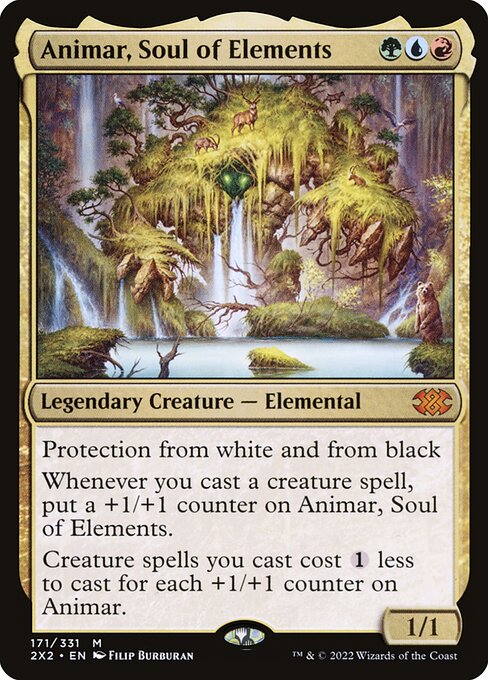
Animar, Soul of Elements
Gameplay Summary
The game began with players establishing their board states and setting up mana bases, with early plays including utility lands and mana acceleration such as Soul Ring and various signets.
John, piloting Lord of the Nazgûl, focused on casting cheap instants and sorceries to generate raid tokens, steadily growing a wide board presence that synergized with his commander's ability to place counters on creatures and create multiple tokens.
Corey's Brina, the Demagogue deck leaned into a politics and group hug strategy, gaining card advantage through combat triggers and distributing counters to grow creatures while controlling the table with ghostly prison. Skyler's Magus Lucea Kane deck centered around casting X-spells and leveraging those to gain incremental value, while Dylan's Ranar the Ever-Watchful deck utilized flickering and exile effects to generate flying spirit tokens, building a formidable air force.
A key turning point was when John successfully cast Lord of the Nazgûl and began swinging with his tokens, triggering Brina's card draw and counter placement, escalating the board state.
The interaction between these token generators and counters created a growing threat that pressured opponents.
Meanwhile, Corey maintained control elements like ghostly prison to slow attacks.
The game showcased strategic mana use, well-timed spells, and combat decisions that gradually built toward overwhelming board presence and incremental advantage.
The likely win condition was John leveraging Lord of the Nazgûl’s synergy to amass a large number of tokens with counters, then attacking to close out the game through combat damage.



![This Time, It's Personal! [Commander VS] | Magic: the Gathering Commander Gameplay thumbnail](https://i.ytimg.com/vi/VibCoKEPrWU/sddefault.jpg)


