

Deck & Commander Strategies
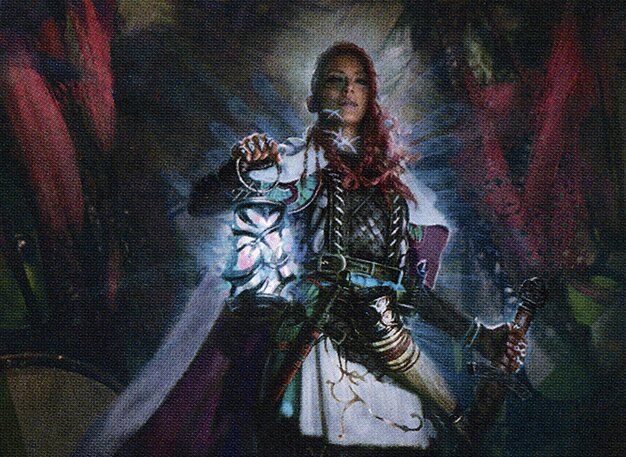
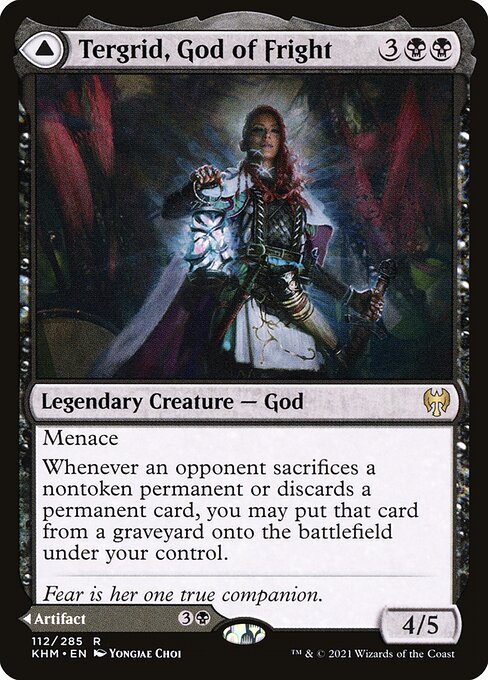
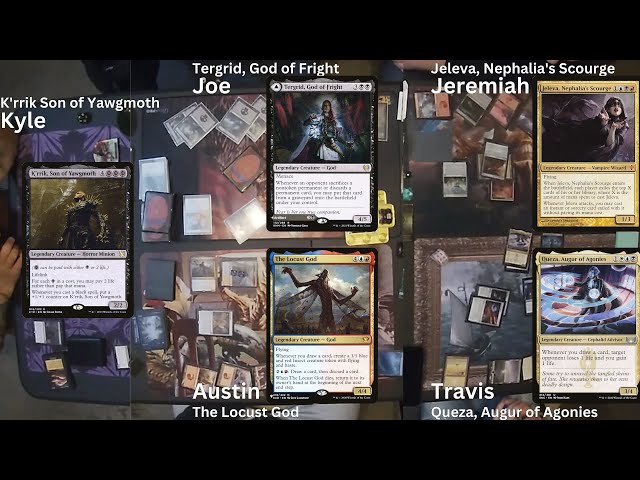
Tergrid, God of Fright
Disrupt opponents by forcing discard and sacrificing nonland permanents. Uses synergies with black market and artifact interactions to generate value and control the board state.
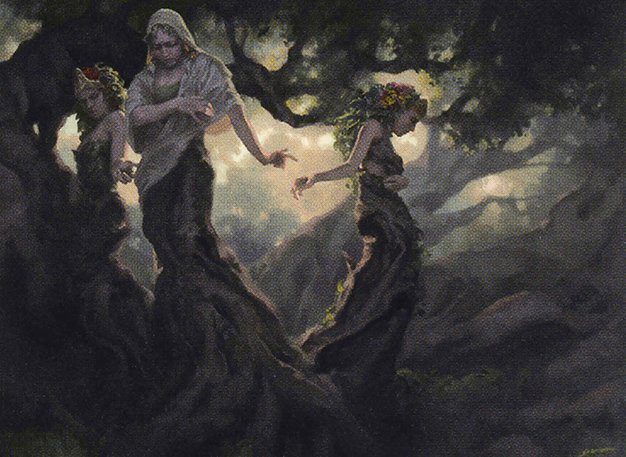
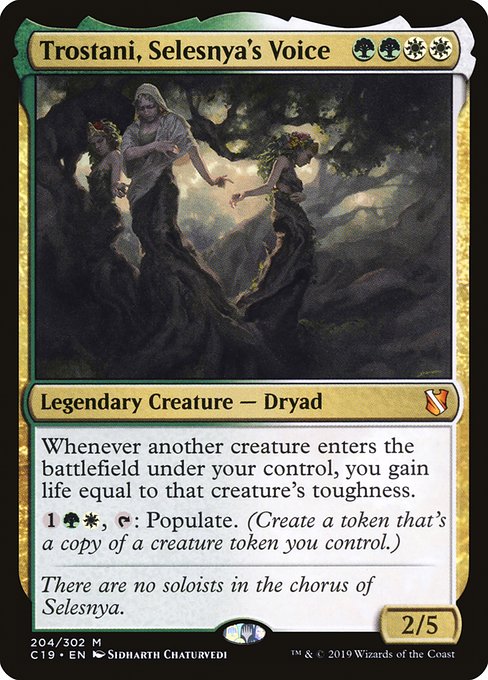
Trostani, Selesnya's Voice
Gain large amounts of life through creatures entering the battlefield and proliferate to enhance the life gain. Utilizes life gain to power win conditions like Aetherflux Reservoir.

Jhoira, Weatherlight Captain
Focus on casting multiple artifact spells to draw cards and generate card advantage. Uses artifact ramp and tutors to accelerate into powerful spells and maintain tempo.
Gameplay Insights
- 1
Tergrid's ability to prevent opponents from paying life or sacrificing permanents to activate abilities effectively shut down several key mana and card advantage sources, notably disabling Lotus Petal usage.
- 2
Jhoira's artifact ramp with Metalworker and Ethereum Sculptor combined with mana rocks allowed for explosive card draw and early mana acceleration.
- 3
The use of Cruelty of Gix to force opponents to discard specific cards, including powerful artifacts and lands, created a tempo advantage for Tergrid's player.
- 4
Players carefully managed their resources during Torment of Hellfire's repeated casting, forcing tough choices between life loss, discarding, or sacrificing permanents, leading to significant board disruption.
- 5
Trostani's life gain and proliferate engine was slowed by the heavy discard and sacrifice effects but remained a threat with Aetherflux Reservoir in play.
Notable Cards
-
Tergrid, God of Fright // Tergrid's Lantern
-
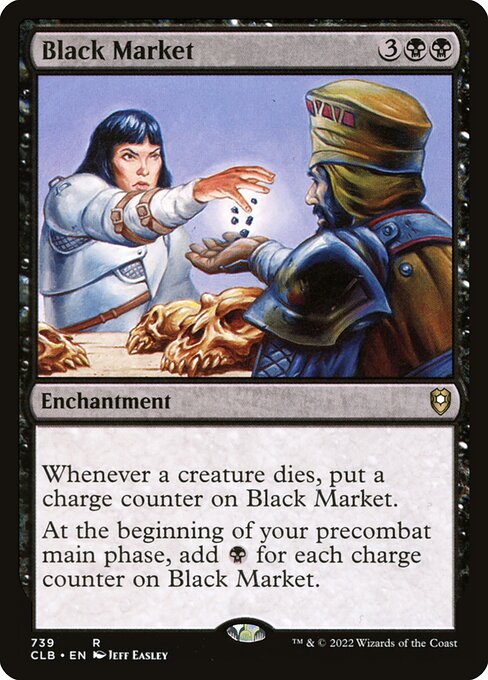
Black Market
-
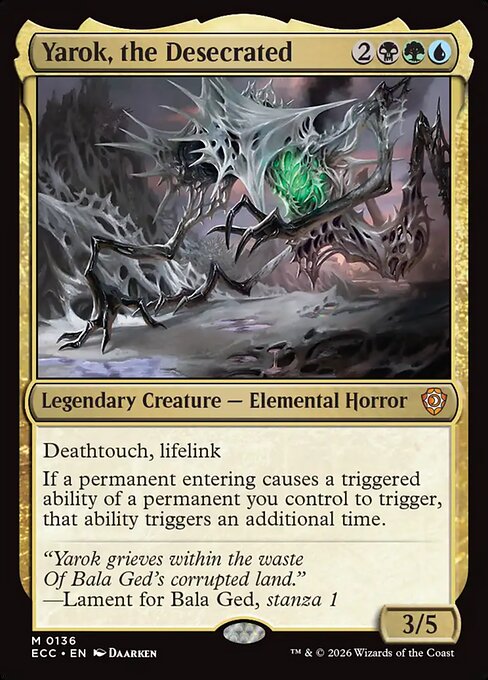
Yarok, the Desecrated
-
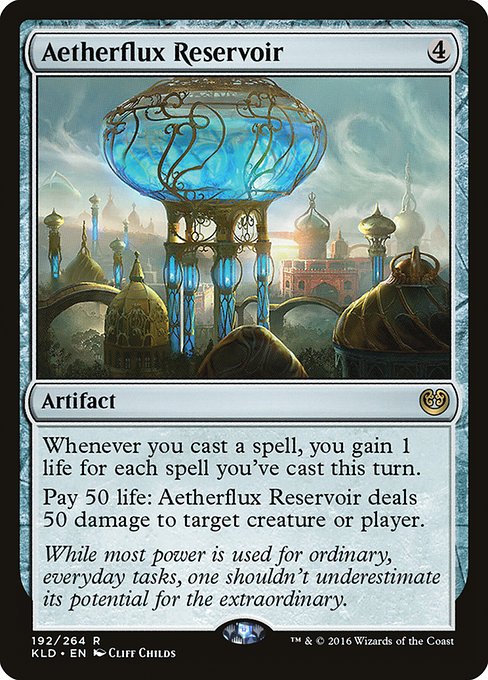
Aetherflux Reservoir
-
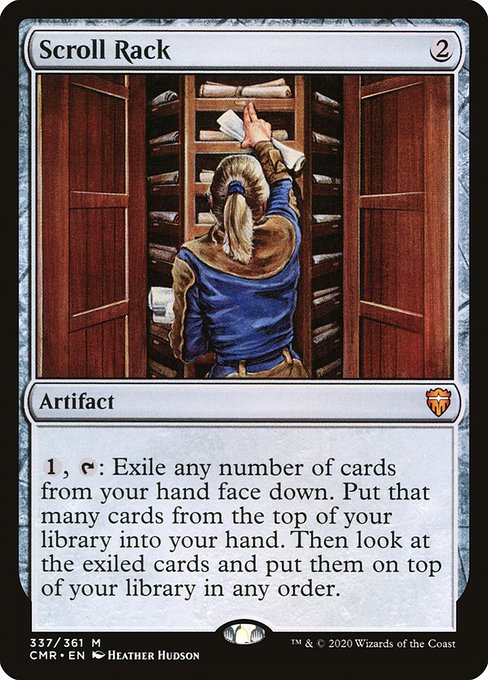
Scroll Rack
-
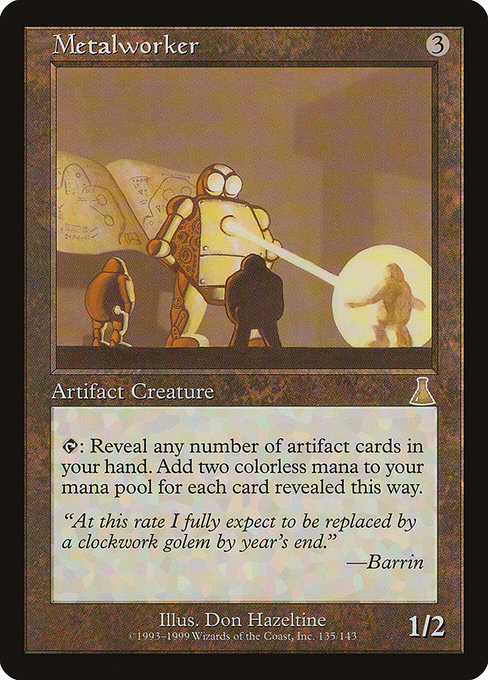
Metalworker
-

Jhoira, Weatherlight Captain
-
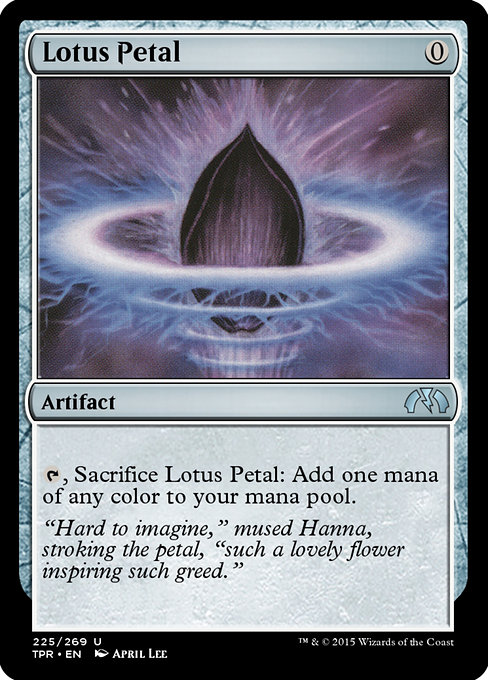
Lotus Petal
-

Mind Stone
-
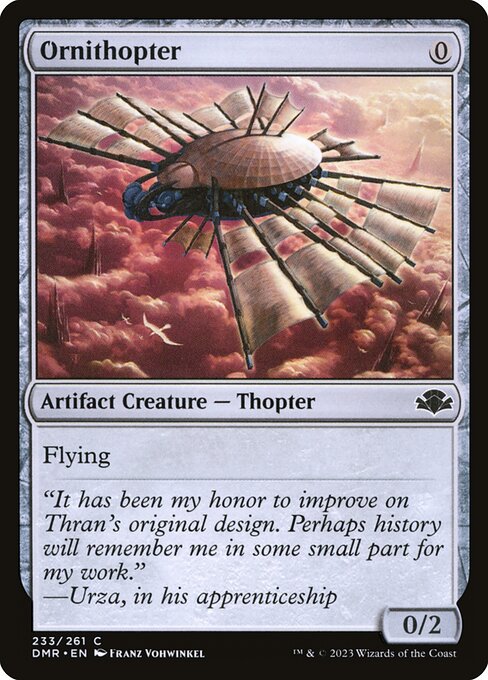
Ornithopter
-
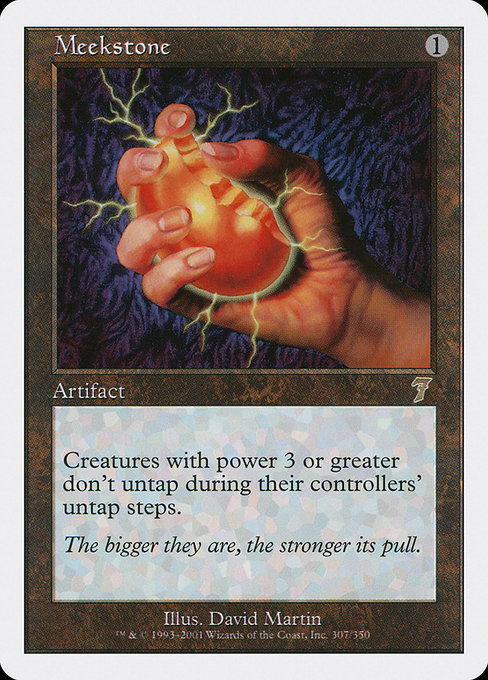
Meekstone
-
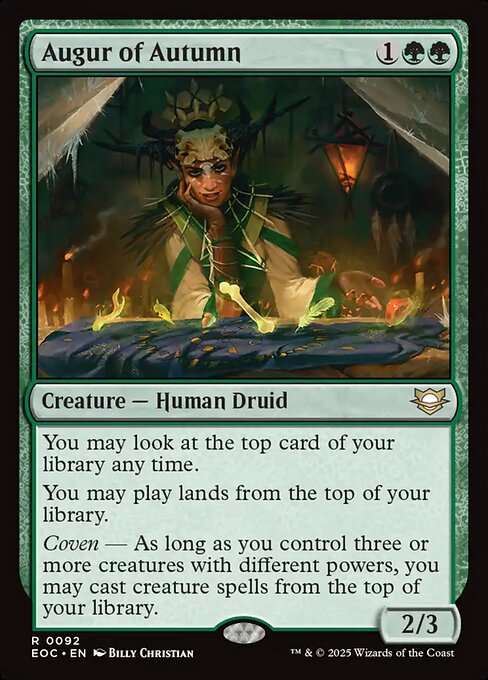
Augur of Autumn
Gameplay Summary
The game started with all players developing their boards cautiously, focusing on ramp and setting up their synergies.
Tergrid's player quickly established a disruptive presence with Black Market and Cruelty of Gix, forcing opponents to discard and sacrifice permanents.
Trostani aimed for a life-gain strategy, leveraging creatures that gain life and proliferate, while Jhoira pursued an artifact-heavy build focused on drawing cards and casting multiple spells per turn.
Early turns featured incremental board development and resource accumulation, such as deploying Metalworker and Ethereum Sculptor to accelerate artifact casting.
A key turning point occurred when Tergrid's lockdown ability, Yarok's effect, and the interaction with Black Market and Flex Reservoir created a taxing environment that limited opponents' actions, especially by preventing spending life to activate abilities.
The interaction between artifacts, mana rocks, and artifact tutors allowed Jhoira to generate significant card advantage and mana acceleration.
Despite some misplays around Lotus usage due to Tergrid's restrictions, the board state grew increasingly complex.
The players exchanged threats and disrupted each other's plans with discard and sacrifice effects, culminating in a critical sequence where Torment of Hellfire was cast multiple times to force opponents into sacrificing or discarding, further destabilizing the board.
The game showcased a dynamic interplay between discard disruption, life gain, and artifact synergies with multiple resource denial elements in play.




![Commander Vs S2E8: Savra vs Mayael vs Reaper King vs Trostani [MtG: Multiplayer] thumbnail](https://i.ytimg.com/vi/PmxKvs6zQYE/sddefault.jpg)


