![PINGTASTIC GAME WITH @WizardsAndWarlocksMTG [cEDH GAMEPLAY] VIVI v OB NIX v RAL v LEO & MIKEY thumbnail](https://i.ytimg.com/vi/6HNUvmrE9_4/maxresdefault.jpg)

Deck & Commander Strategies
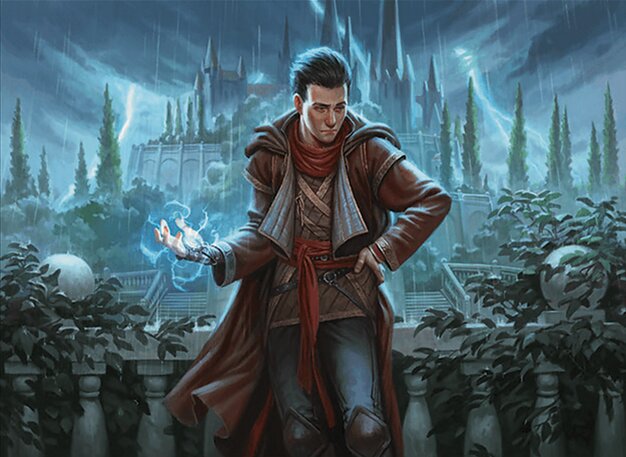
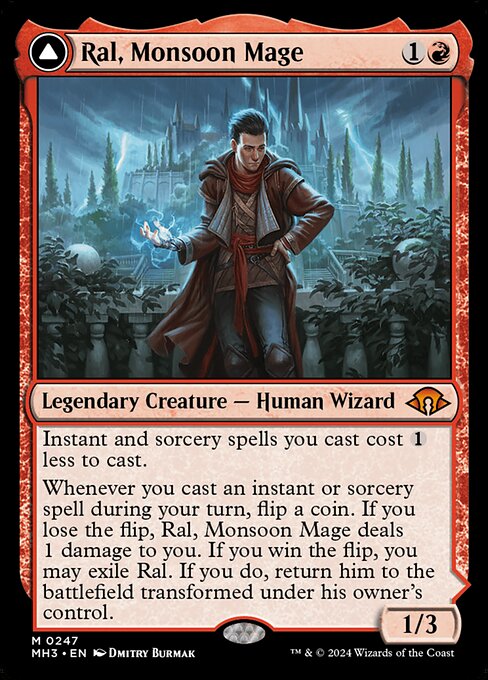
Ral, Monsoon Mage
A storm-based deck aiming to chain multiple instants and sorceries to create a lethal combo or overwhelming spell sequence, supported by mana acceleration and counterspells.
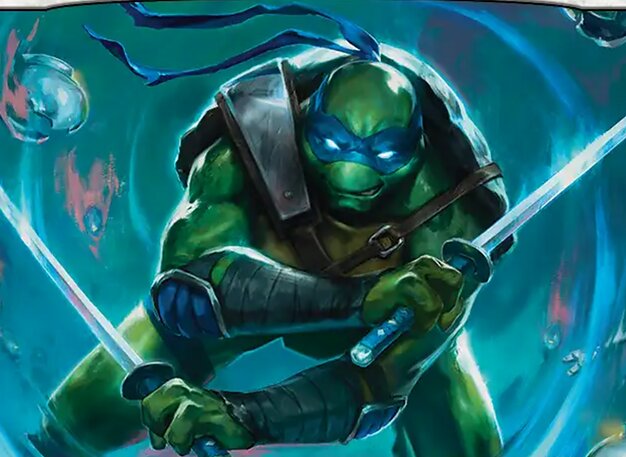
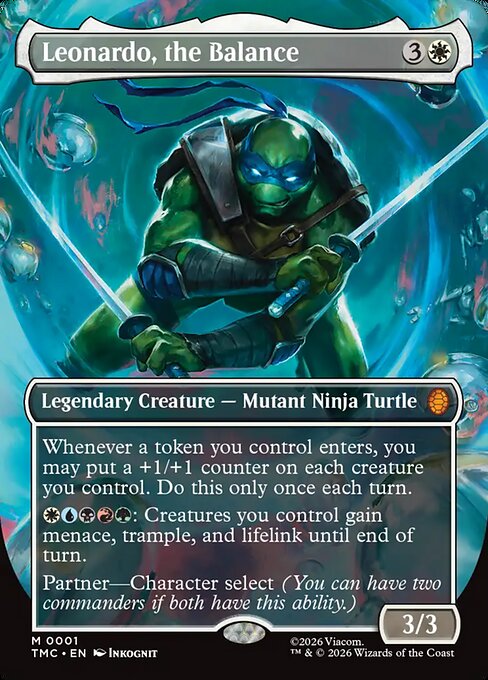
Leonardo, the Balance
A five-color token and counter synergy deck that builds incremental advantage through +1/+1 counters and food tokens, leveraging wide boards to pressure opponents.
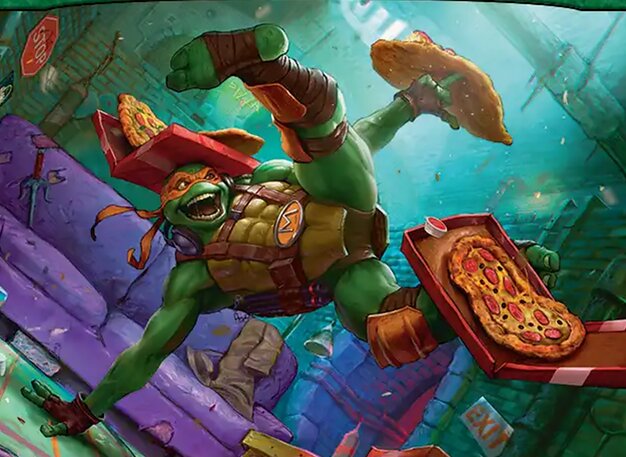
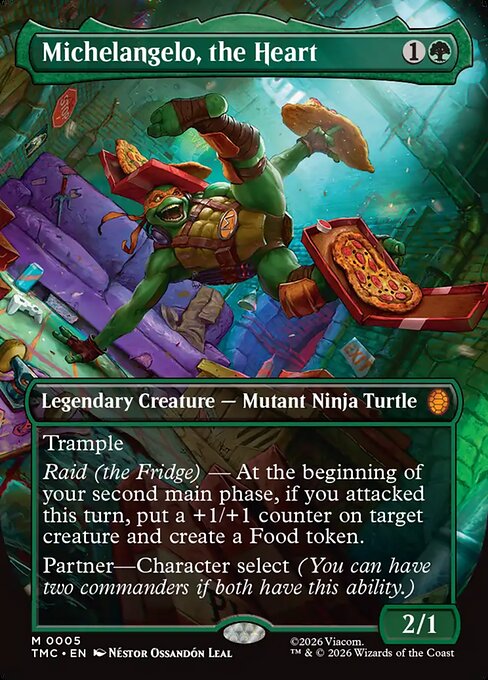
Michelangelo, the Heart
A five-color bounce and value deck that focuses on controlling the board through bounce effects and generating tokens to maintain presence and resilience.

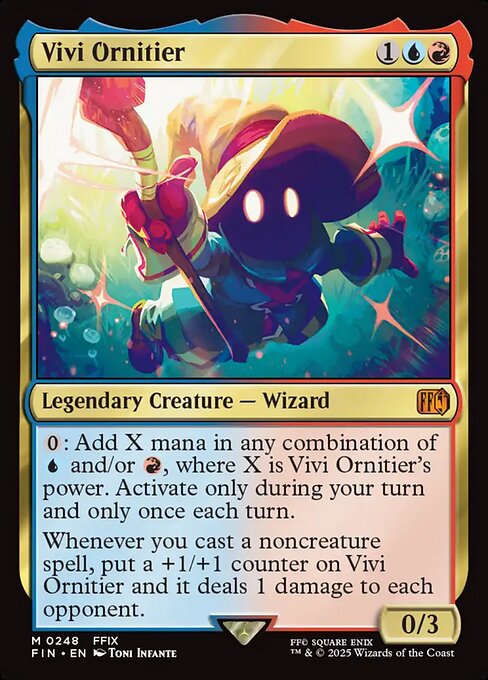
Vivi Ornitier
A draw-and-discard combo deck that uses spells like Wheel of Fortune and Frantic Search to rapidly cycle through the deck and find key combo pieces or value spells.

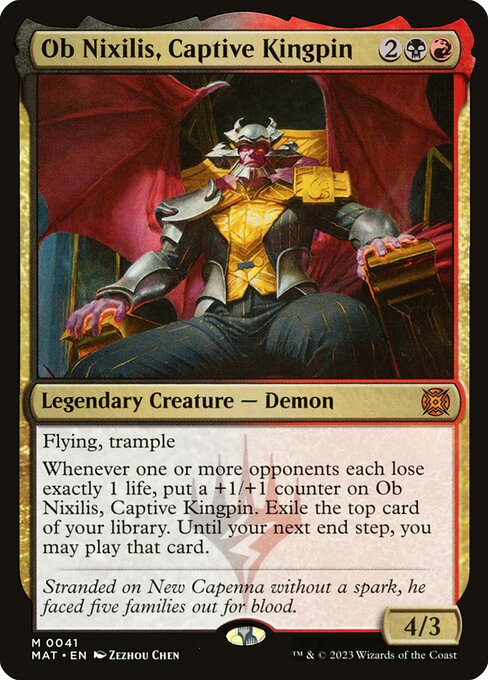
Ob Nixilis, Captive Kingpin
A mana acceleration and artifact-based deck that aims to quickly assemble a combo or powerful board presence using fast mana and disruptive effects.
Gameplay Insights
- 1
Casting double Wheel of Fortune in one turn allowed a major resource reset, enabling explosive plays and forcing opponents to reconsider their counterspell priorities.
- 2
The synergy between Michelangelo and Leonardo generating tokens and counters helped maintain board presence while storm decks tried to assemble combos.
- 3
The early mana acceleration via artifacts like Mox Opal and Lion's Eye Diamond significantly sped up Ob Nixilis's game plan, putting pressure on opponents to respond quickly.
- 4
Players carefully chose when to respond to key spells like Worldly Tutor and Wheel of Fortune, balancing between holding counters and allowing critical spells to resolve for potential advantage.
- 5
Interactive plays involving copying instants and sorceries, such as the use of Twinflame and spell-copying effects, showcased the high complexity and tactical depth of the match.
Notable Cards
-
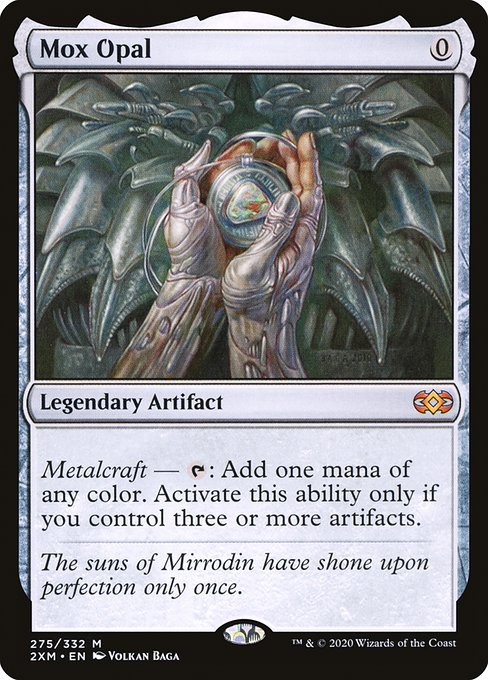
Mox Opal
-
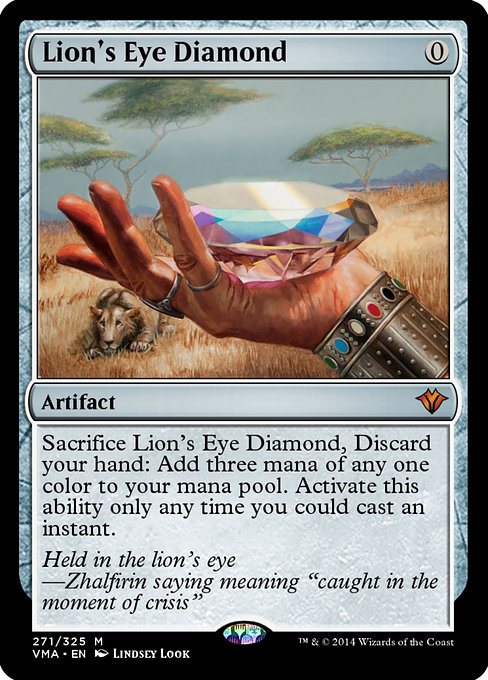
Lion's Eye Diamond
-
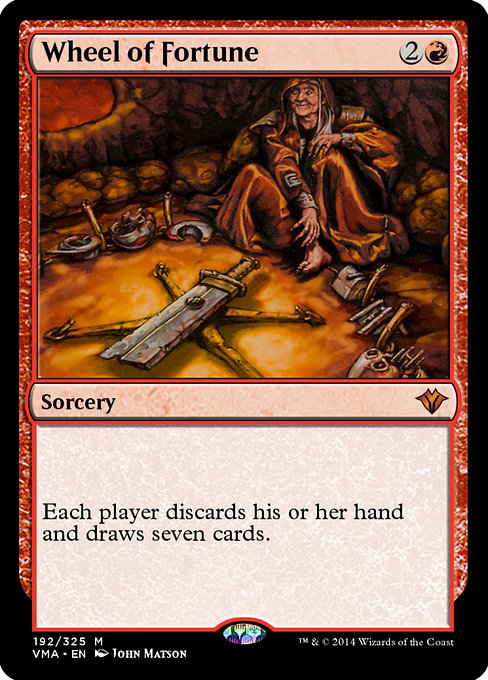
Wheel of Fortune
-

Twinflame
-

Frantic Search
-
Leonardo, the Balance
-
Michelangelo, the Heart
-
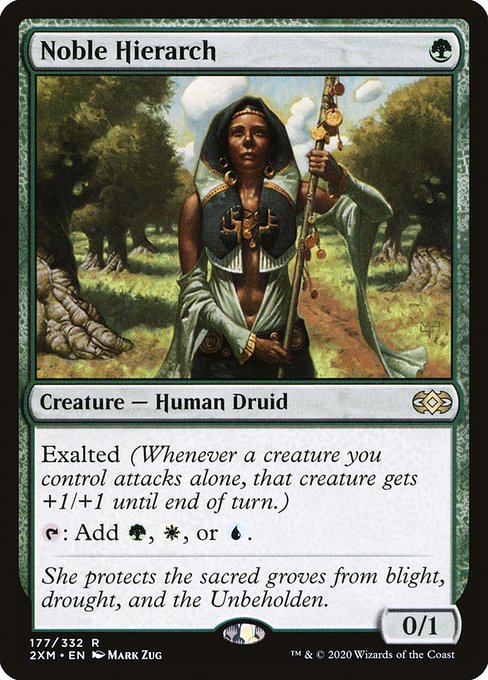
Noble Hierarch
-

Arcane Signet
-
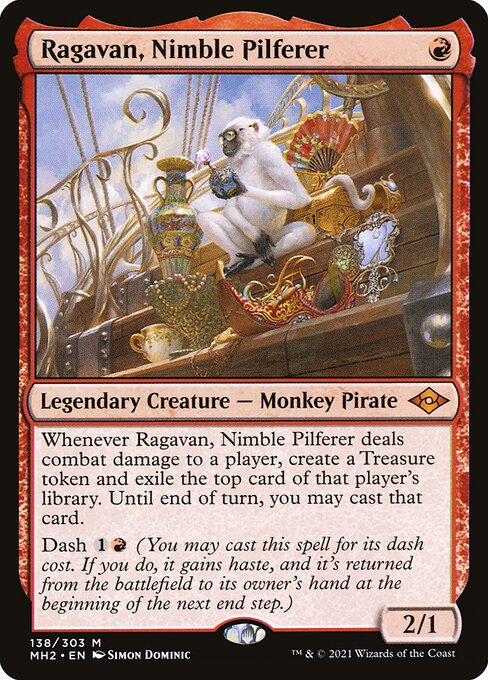
Ragavan, Nimble Pilferer
-
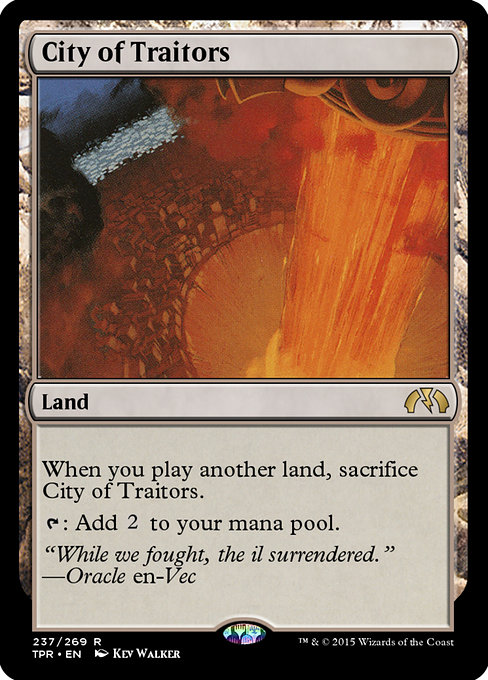
City of Traitors
Gameplay Summary
The game started with a diverse field of five competitive EDH decks, each setting up their respective strategies with strong early plays.
Cole on Ob Nixilis quickly established a mana base with cards like Marsh Flats, Mox Opal, and LED, signaling a fast, mana-intensive approach.
Steve on Ral, Monsoon Mage deployed disruption and storm elements, evidenced by early plays like Noble Hierarch and a focus on instants and sorceries.
Kyle and Jeremy piloted the five-color Michelangelo and Leonardo deck, focusing on token generation and incremental board development to build wide and resilient board states.
Trevor on Vivi Ornitier demonstrated a draw-and-discard strategy with spells like Frantic Search and Wheel of Fortune, aiming to churn through cards rapidly to find key combo pieces or value spells. Key turning points included Trevor's double Wheel of Fortune casting, which refilled hands and reshuffled resources, allowing for explosive turns with multiple spells and responses.
Steve's Leonardo generated incremental value with +1/+1 counters and food tokens, creating a growing board presence.
The interaction between storm elements and heavy card draw created a dynamic game state where players had to carefully decide when to counter spells or let them resolve.
Cole's early mana acceleration and artifact ramp hinted at a potential combo finish, while the Michelangelo deck maintained steady board control and token pressure.
The game showcased a high level of interaction with multiple counterspells, copies of spells, and tactical plays around key instants and sorceries, ultimately leading to a complex midgame where win conditions revolved around storm combos, incremental damage through tokens and counters, or attrition via card advantage and disruption.

![THE CRAZIEST STORM GAME EVER? [cEDH GAMEPLAY] RAL v KINNAN v FIRE LORD AZULA v ROG\THRASIOS thumbnail](https://i.ytimg.com/vi/Nx7eei-8eiA/sddefault.jpg)
![Double the Frogs Double the Wizards Double the Fun! [cEDH Gameplay] FLUBS v GLARB v VIVI v DEREVI thumbnail](https://i.ytimg.com/vi/q7dI4pAhl9s/sddefault.jpg)
![Can the Rune Knight Ruin our Night? [cEDH Gameplay] CELES v VIVI v MAGDA v SISAY thumbnail](https://i.ytimg.com/vi/naZ5w_ziGn8/sddefault.jpg)
![Can These Final Fantasy cEDH Decks Defeat a Frog? [cEDH Gamplay] TERRA v VIVI v CELES v FLUBS thumbnail](https://i.ytimg.com/vi/ltu-nw9qpC8/sddefault.jpg)
![The Battle for Lands Featuring @FarNorthMtG @UntapUpkeepOpe [cEDH GAMEPLAY] thumbnail](https://i.ytimg.com/vi/hZgw6YFTkkY/sddefault.jpg)
![When is Going First Actually Last? [cEDH GAMPLAY] TERRA v VIVI v KRARKASHIMA v DEREVI thumbnail](https://i.ytimg.com/vi/XfceV39pllI/sddefault.jpg)

![What's worse than one Toxrill? [S2G7] cEDH Gamplay thumbnail](https://i.ytimg.com/vi/opzeUCzxwDk/sddefault.jpg)
![GETTING WACKY WITH @WizardsAndWarlocksMTG [cEDH GAMEPLAY] OB NIX v TNT v DEREVI v AANG thumbnail](https://i.ytimg.com/vi/ek9xqTi_tuM/sddefault.jpg)


![Planeswalker Rumble!! Modern Horizons 3 ft. Sorin, Tamiyo, Grist, Ral Zarek [EDH/Commander Gameplay] thumbnail](https://i.ytimg.com/vi/R7_ukVI4hXg/sddefault.jpg)


![Can Krark land the flip? [S2G11] cEDH Gameplay OB NIXILUS v KINNAN v KRARK|SILAS v MALCOM|VIAL thumbnail](https://i.ytimg.com/vi/0MbnVhcBxH8/sddefault.jpg)


