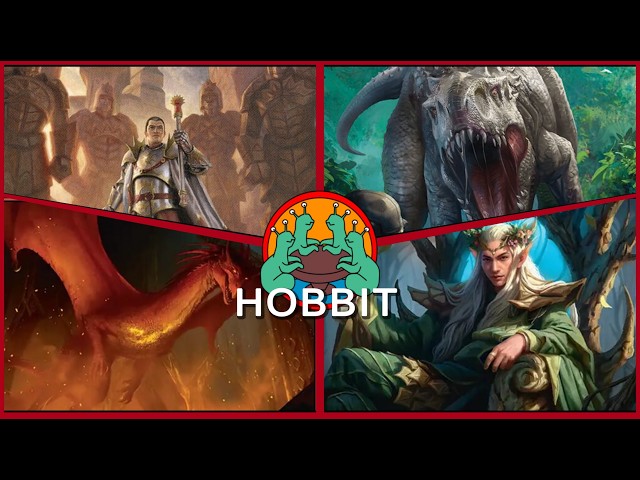
Deck & Commander Strategies

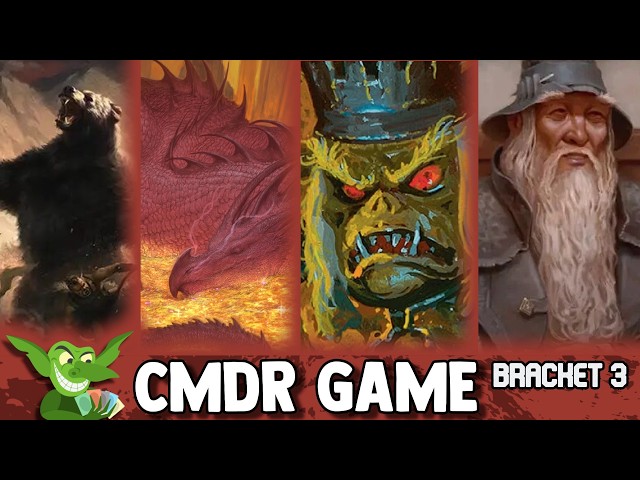
Radagast of Rhosgobel
Focuses on casting creatures at reduced cost with flash, enabling reactive plays and tempo advantage to control the board while generating incremental value.

Gollum, Riddle Master
Accumulates counters by matching opponents' spell mana values, allowing flexible responses like draining life, drawing cards, or dealing incremental damage.

Smaug the Magnificent
Builds a treasure token engine to deal damage directly to opponents or creatures with Smaug’s attack triggers, aiming for aggressive, treasure-fueled damage output.

Gandalf, Party Guest
Maximizes casting instants and sorceries for free based on the number of legendary wizards, enabling explosive turns and heavy spell-slinging to control the game and generate card advantage.
Gameplay Insights
- 1
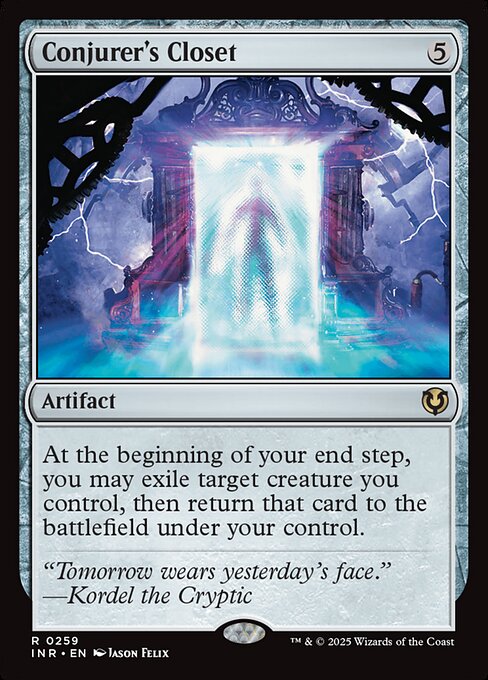
Utilizing Conjurer's Closet to flicker creatures like Gollum and Volrath's Tyrant maximized value from enter-the-battlefield effects and recursion after the board wipe.
- 2
The strategic choice to respond to Blasphemous Act with Malicious Rebuke preserved key board pieces, showcasing reactive play against board wipes.
- 3
Leveraging Radagast’s cost reduction and flash ability allowed players to effectively curve out creatures on opponents’ turns, maintaining pressure and unpredictability.
- 4
Smaug’s synergy with treasure generation and damage dealing proved pivotal in applying constant pressure, making treasure tokens a key resource.
- 5
Gollum’s odd/even mana value mechanic required careful attention to opponents' spell casting patterns, influencing which counters to place for maximum benefit.
- 6
Gandalf’s scaling free spell casting based on legendary wizards enabled powerful chain casting during combat phases, turning the tide with multiple instant and sorcery plays.
Notable Cards
-

Blasphemous Act
-
Conjurer's Closet
-

Mind Stone
-
Call of the Ring
-

Dark Ritual
-

High Market
Gameplay Summary
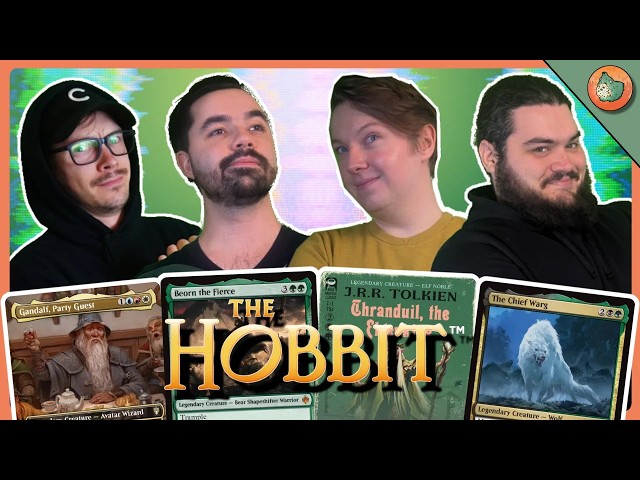
The game featured a dynamic interplay between four Hobbit-themed commanders, each showcasing their unique mechanics and strategies.
Radagast of Rhosgobel leveraged his ability to reduce the cost of creatures, enabling efficient plays and flashing creatures on opponents' turns, accelerating board presence.
Gollum, the Riddle Master, focused on accumulating counters by responding to spells with chosen mana values, providing card draw, life gain, and damage options.
Smaug the Magnificent built a treasure engine, dealing significant damage tied to the treasures generated, pressuring opponents aggressively with his flying haste.
Gandalf, Party Guest, cast spells for free based on the number of legendary wizards controlled, enabling explosive turns by chaining instants and sorceries without mana cost.
A critical turning point was the use of a board wipe with Blasphemous Act that cleared the board but left a resilient Volrath's Tyrant copy to stabilize the board.
The interaction with Conjurer's Closet and recurring creatures further enhanced board control and value generation.
The win condition revolved around either overwhelming opponents with Smaug's treasure-fueled damage or leveraging the spell-slinging and recursion synergy from Gandalf and Radagast to outvalue and outlast opponents.