
Deck & Commander Strategies

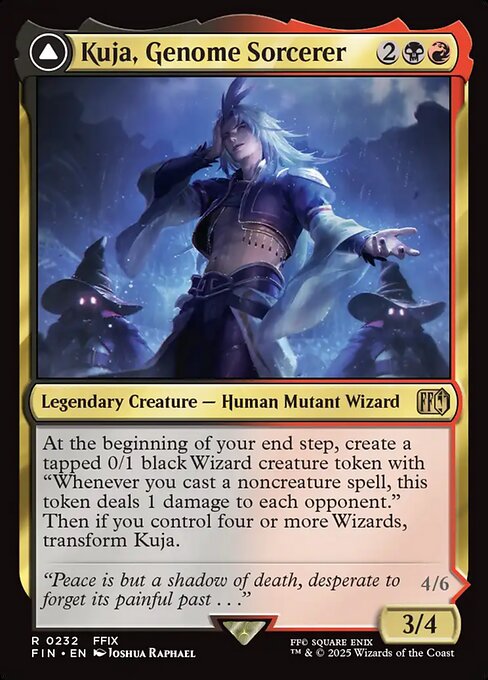
Kuja, Genome Sorcerer
Spawn multiple wizard tokens and, once flipped, have wizards deal double damage, effectively doubling milling output to mill opponents quickly.

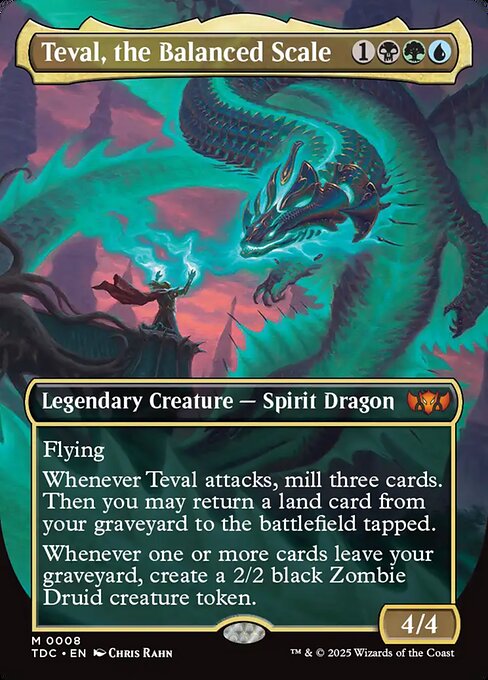
Teval, the Balanced Scale
Use self-mill from pain lands and other sources to create a large number of tokens, aiming to overwhelm opponents through token-based combat and grinding value.
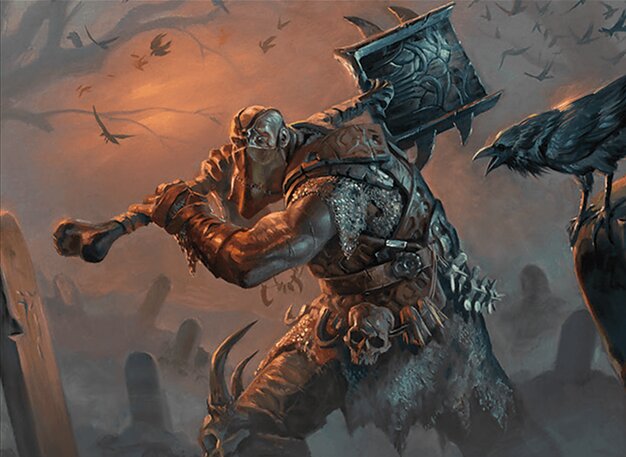
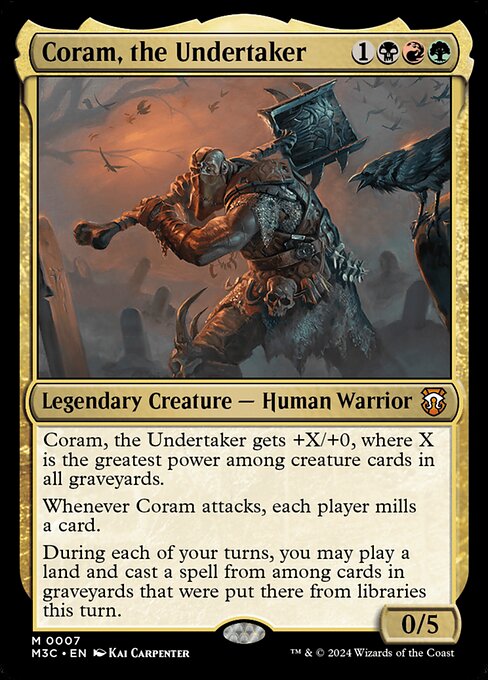
Coram, the Undertaker
Focus on graveyard synergy by milling creatures and repeatedly returning them to the battlefield, generating incremental value and board presence from continuous recursion.
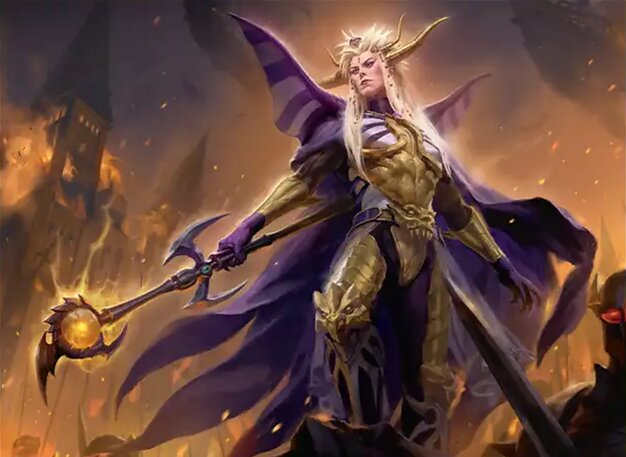
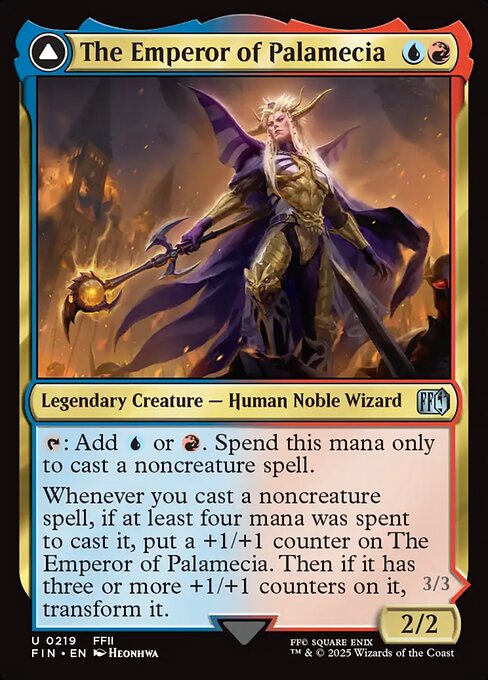
The Emperor of Palamecia
Cast non-creature spells costing four or more mana to add counters and transform into the Lord Master of Hell, gaining powerful abilities and enabling additional milling pressure.
Gameplay Insights
- 1
The replacement of damage with mill caused players to rethink traditional aggression and rely on milling and graveyard recursion to deal with opponents.
- 2
Using pain lands like Tarnished Citadel to repeatedly mill oneself triggered token creation and commander abilities, exemplifying synergy between self-damage and milling.
- 3
The interaction with Millia's Blessing created a powerful shuffle effect when a card would be milled, demonstrating how graveyard recursion could disrupt opponents' milling plans.
- 4
Kuja's flipping mechanic to double milling damage incentivized players to build wizard token counts early to trigger a significant increase in milling output.
- 5
Coram's ability to generate tokens when creatures leave the graveyard created a loop that could make the game drag on indefinitely without proper graveyard hate.
- 6
The Emperor of Palamecia's transformation required casting higher-cost non-creature spells, rewarding players for building a spell-heavy deck that could quickly accumulate power counters.
Notable Cards
-
Kuja, Genome Sorcerer // Trance Kuja, Fate Defied
-
Teval, the Balanced Scale
-
Coram, the Undertaker
-
The Emperor of Palamecia // The Lord Master of Hell
-
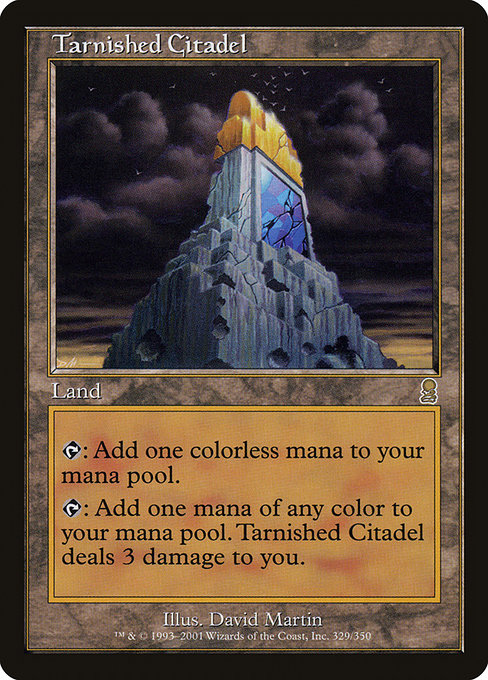
Tarnished Citadel
-
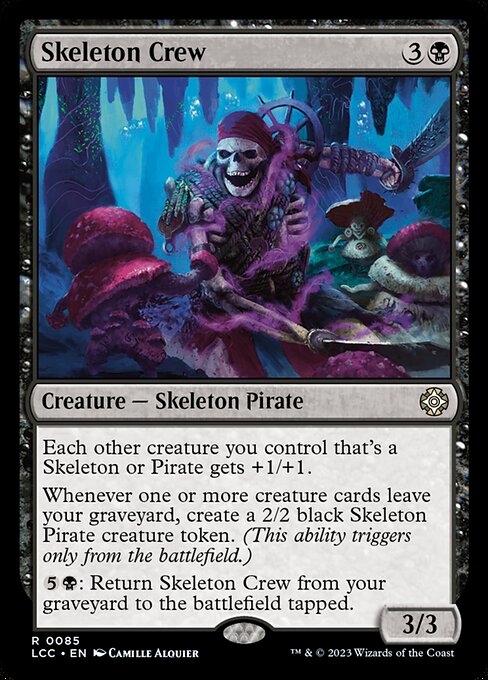
Skeleton Crew
-

Anger
Gameplay Summary
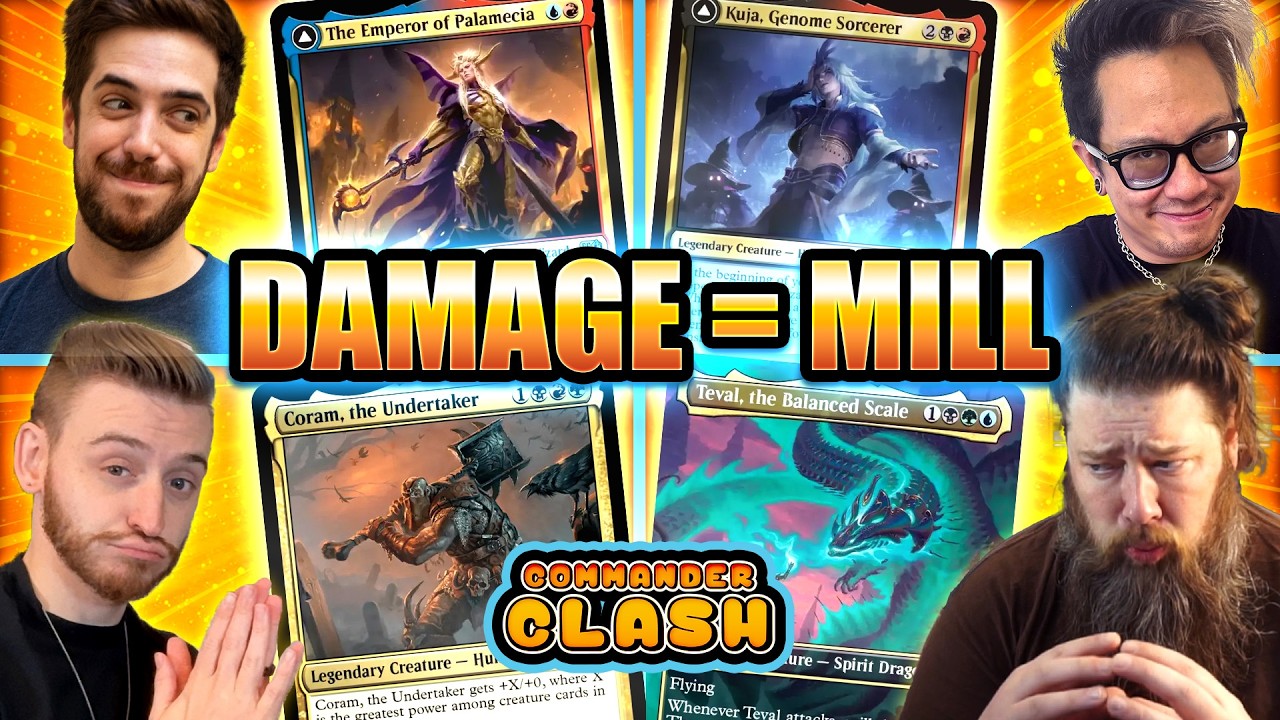
In this Commander Clash game, the players faced a unique twist: all damage dealt was replaced by milling an equivalent number of cards from their libraries.
This shift led to creative deckbuilding and gameplay centered around self-mill, graveyard recursion, and exploiting milling triggers.
The game began with players cautiously navigating their early turns, setting up key lands and synergistic pieces.
Kuja, Genome Sorcerer generated wizard tokens and aimed to double milling output by flipping into Trance Kuja.
Teval, the Balanced Scale leveraged life loss from pain lands to create tokens and build board presence, while Coram, the Undertaker focused heavily on graveyard interactions and recurring creatures from mill effects.
The Emperor of Palamecia capitalized on casting non-creature spells to transform and generate incremental advantages.