

Deck & Commander Strategies
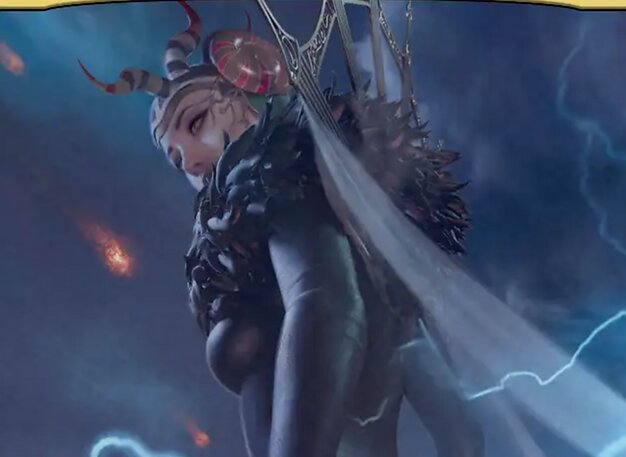
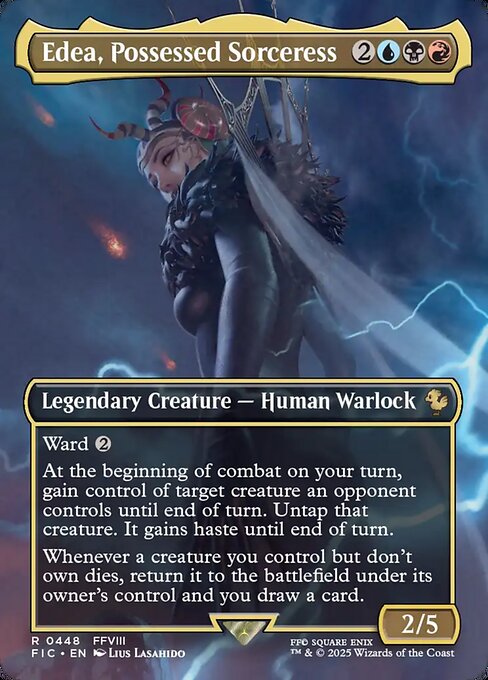
Edea, Possessed Sorceress
Focuses on temporarily taking control of opponents' creatures each combat, untapping them for immediate attacks, while drawing cards and returning creatures when those controlled but not owned creatures die, enabling sustained value and pressure.
Venom, Lethal Protector
Sacrifices creatures on attack to draw cards and cheat permanents of equal or lesser mana cost onto the battlefield, aiming for fast card advantage and board presence with a secret typal theme enhancing synergy.
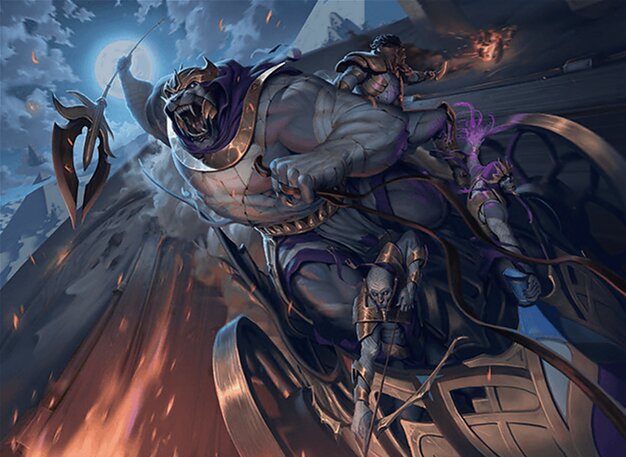
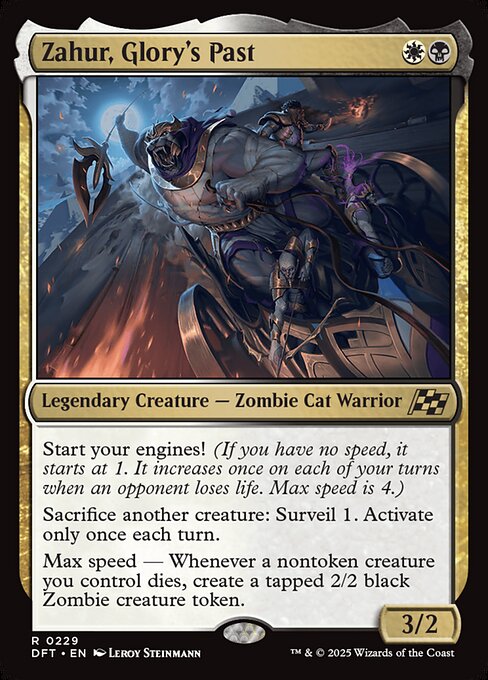
Zahur, Glory's Past
Sacrifices creatures to surveil and generate 2/2 black zombie tokens when non-token creatures die, building a resilient zombie army and leveraging sacrifice for incremental advantage.

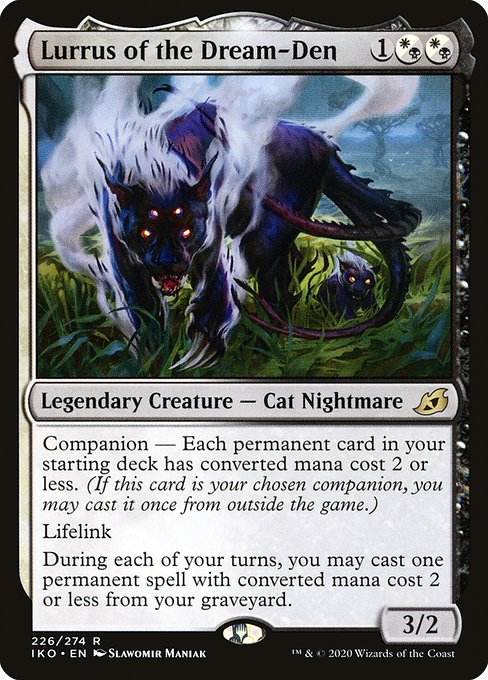
Lurrus of the Dream-Den
Companion restricts deck to permanents costing two or less, allowing repeated casting of low-cost permanents from the graveyard for long-term board presence and resilience.

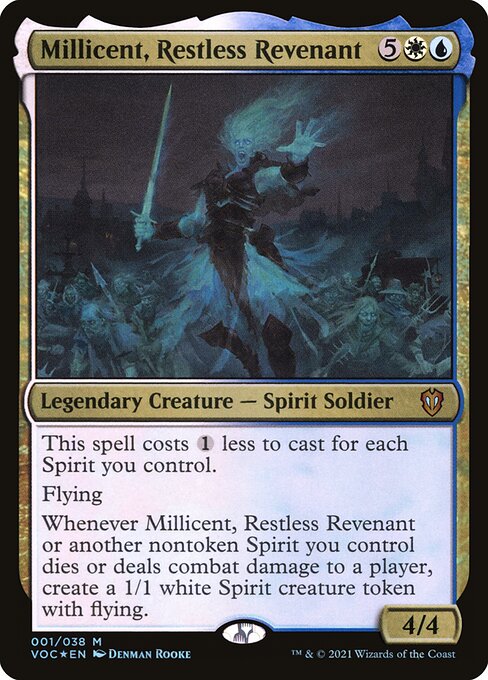
Millicent, Restless Revenant
Spirits tribal deck that creates additional 1/1 flying spirit tokens whenever Millicent or other non-token spirits deal damage or die, growing an evasive army supported by anthem effects and sacrifice synergies.
Gameplay Insights
- 1
Using Propaganda early slowed down aggressive attacks, allowing players to develop their board and execute combo turns more safely.
- 2
Mirror Hall Mimic copying Drownyard Captain was crucial in protecting spirits with hexproof and boosting their power, enhancing Millicent's token generation.
- 3
Venom's sacrifice-triggered card draw combined with cheating permanents into play created explosive tempo swings that pressured opponents to respond quickly.
- 4
Edea’s ability to gain control of opponents' creatures until end of turn and untap them allowed for surprise attacks and disruption, especially when combined with card draw on creature deaths.
- 5
Sacrifice synergies were central to multiple decks, enabling graveyard interactions, token generation, and value recursion, particularly with Zahur and Lurrus.
- 6
The interplay of recurring permanents from the graveyard and incremental token creation led to a board state that was both resilient and threatening to opponents.
Notable Cards
-

Propaganda
-
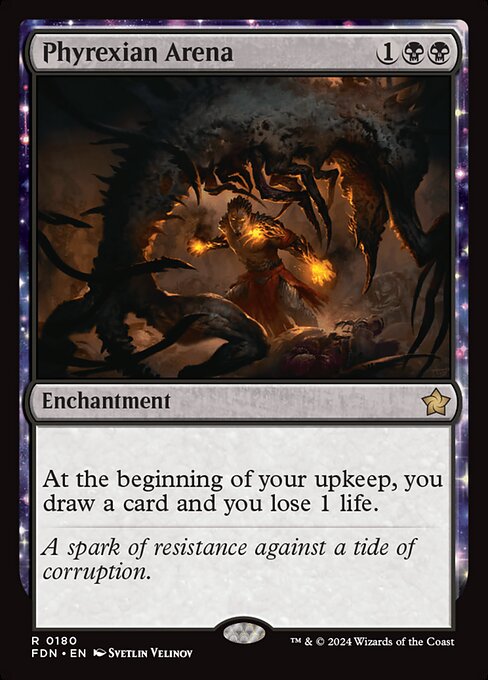
Phyrexian Arena
-

Exotic Orchard
-

Arcane Signet
-

Rampant Growth
-

Path of Ancestry
-

Secluded Courtyard
Gameplay Summary
The game featured a dynamic multi-player Commander match with five distinctive decks, each leveraging unique mechanics and synergies.
Early turns focused on ramping mana and setting up board presence, with players casting signets, enchantments, and creatures that synergized with their commanders' abilities.
Edea, Possessed Sorceress, used her control and card draw abilities to manipulate opponents' creatures and maintain card advantage.
Venom, Lethal Protector capitalized on sacrificing creatures to draw cards and cheat permanents into play, aiming for explosive mid-game turns.
Meanwhile, Zahur and Lurrus created a synergy around sacrificing creatures and recurring permanents, generating value through zombie tokens and graveyard recursion.
Millicent, Restless Revenant built a spirits tribal theme, generating additional flying spirits upon dealing damage or dying, enhanced by anthem effects like Drownyard Captain and Mirror Hall Mimic to protect and grow the spirit army.
Lurrus enabled repeated casting of low-cost permanents from the graveyard, supporting a resilient board state.
Key moments included the establishment of Propaganda to slow down aggressive attacks, Mirror Hall Mimic copying Drownyard Captain to bolster spirit defenses, and various sac outlets fueling value engines.
The game’s tempo shifted as players deployed board wipes, sacrificed creatures to trigger graveyard synergies, and leveraged commander abilities to steal or generate creatures.
Control elements and card draw kept the board fluid, with players balancing aggression and defense.
The interactions between Edea’s temporary creature control and Venom’s sacrifice-driven card advantage created pressure points that shaped combat dynamics.
Ultimately, the game revolved around generating incremental value from creatures dying, recurring threats, and controlling the board through efficient resource management and synergy exploitation.