

Deck & Commander Strategies
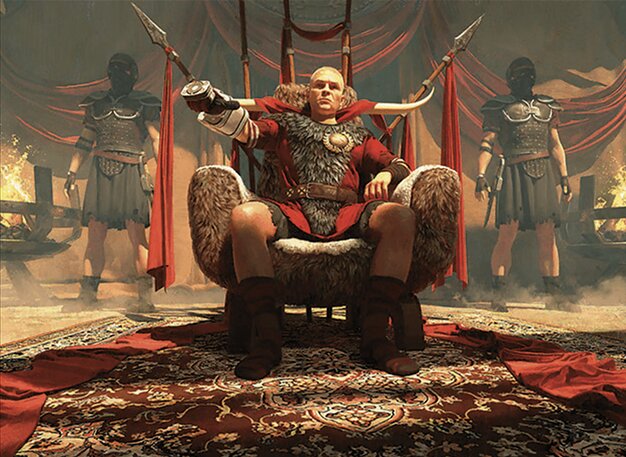
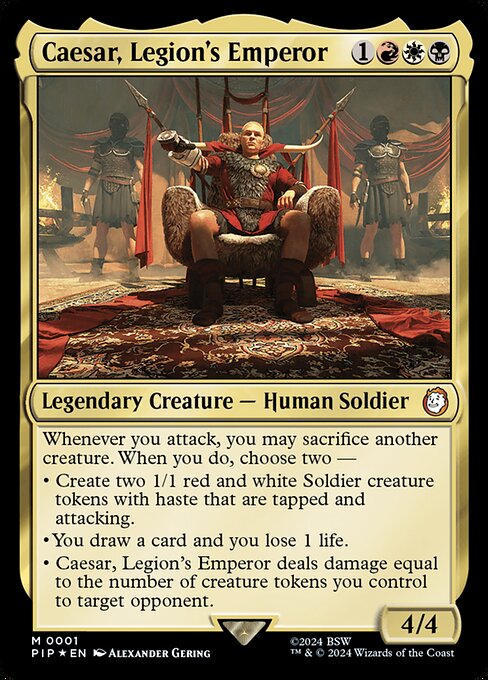
Caesar, Legion's Emperor
Aggressive human tribal strategy focusing on creating multiple soldier tokens, leveraging sacrifice outlets to generate value and commander damage, aiming to overwhelm opponents with a swift and relentless board presence.

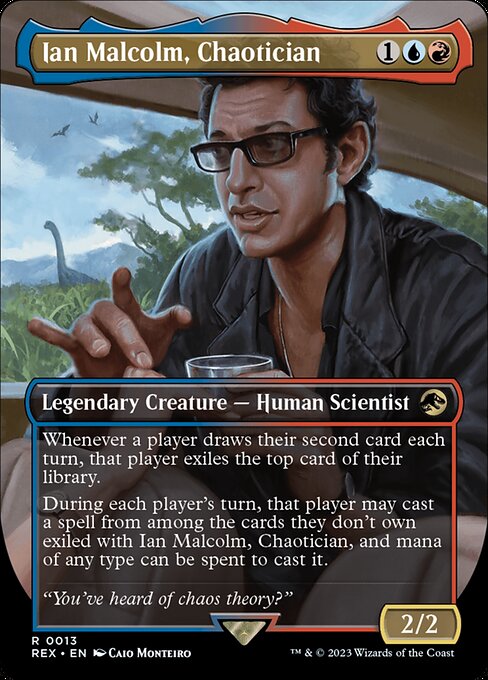
Ian Malcolm, Chaotician
A chaotic control deck that exiles cards from all players' libraries when cards are drawn, enabling casting of spells from exile with any mana type, fostering unpredictable gameplay and resource denial while generating card advantage.

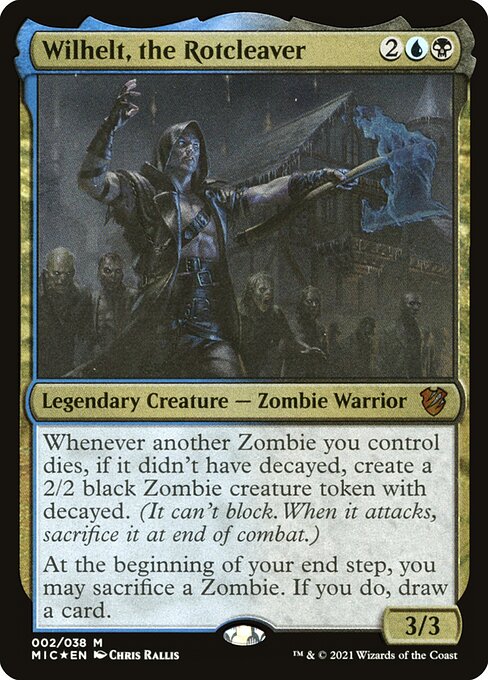
Wilhelt, the Rotcleaver
Zombie tribal focused on creating zombie tokens when zombies die, utilizing sacrifice mechanics to draw cards and maintain constant board development, with decay counters adding a layer of control and inevitability.
Gameplay Insights
- 1
Casting spells from exile via Ian Malcolm’s ability allowed players to use each other's resources and mana flexibly, creating unexpected interactions and tempo swings.
- 2
Sacrificing creatures under Caesar’s command triggered token generation and aggressive board development, enabling multiple attackers and overwhelming opponents before they could stabilize.
- 3
Wilhelt’s ability to create tokens upon zombie deaths combined with sacrificing zombies for card draw maintained continuous pressure and card advantage, allowing sustained board presence.
- 4
Fevered Visions applied constant card draw pressure, forcing opponents to manage their hand size carefully to avoid damage, adding an additional layer of resource management.
- 5
Players made use of token cloning and vigilance abilities to maximize combat effectiveness and protect key creatures from blockers or removal.
- 6
Strategic sequencing of exiling and casting spells from exile disrupted opponents' plans and leveraged the chaotic nature of Ian Malcolm’s deck effectively.
Notable Cards
-
Ian Malcolm, Chaotician
-
Caesar, Legion's Emperor
-
Wilhelt, the Rotcleaver
-
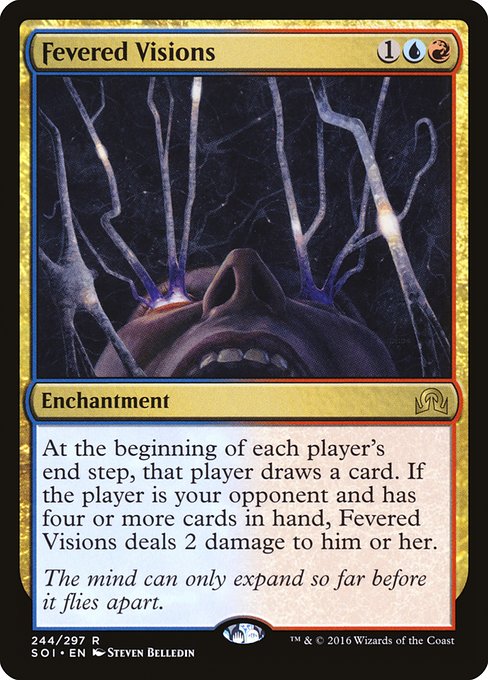
Fevered Visions
-
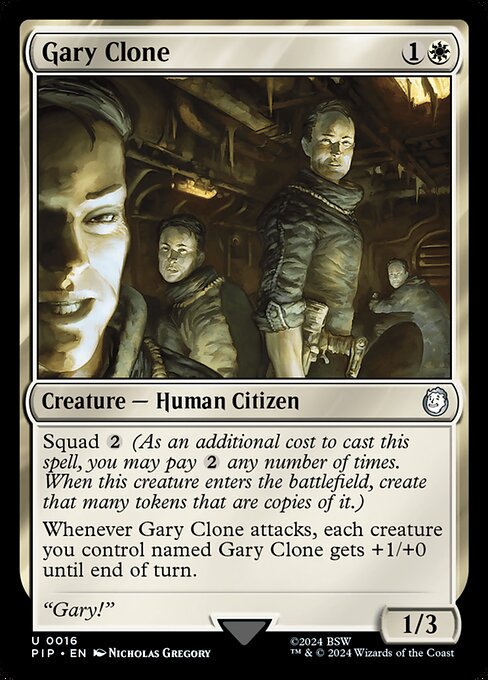
Gary Clone
-
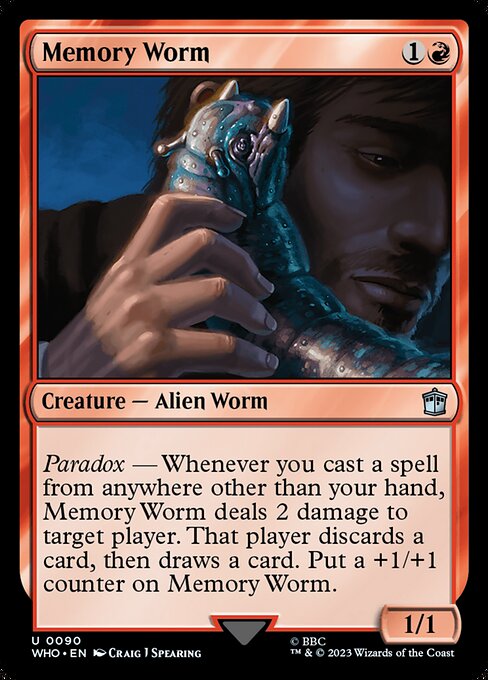
Memory Worm
-
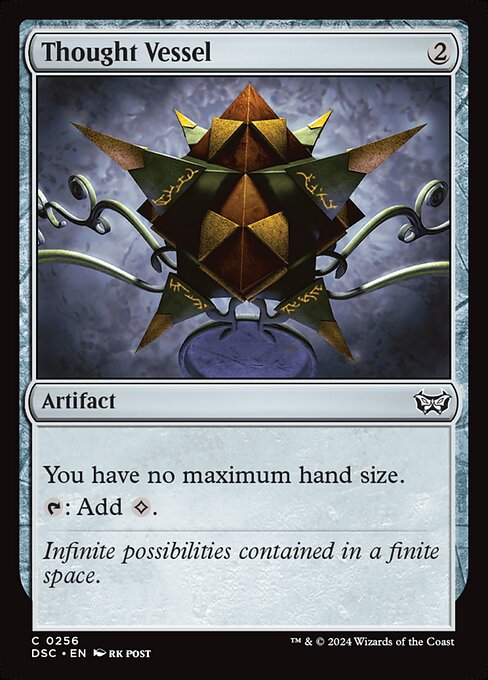
Thought Vessel
Gameplay Summary
The game featured three distinct decks with synergistic but unique playstyles, creating dynamic interactions throughout the match.
Caesar, Legion's Emperor led a human tribal and sacrifice-focused strategy, emphasizing aggressive board presence and commander damage through token generation and sacrifice outlets.
Wilhelt, the Rotcleaver controlled a zombie-themed deck centered on creating and sacrificing zombies to generate card advantage and maintain board presence with decay mechanics.
Ian Malcolm, Chaotician brought a chaos-themed blue-red deck that exiled cards from all players’ libraries and allowed casting spells from those exile zones with any mana, fostering unpredictable and interactive gameplay. Early turns saw players developing mana and setting up their game plans, with Ian Malcolm exiling cards from each player’s deck and enabling casting from exile, which became pivotal in shifting tempo and resources.
Caesar's deck leveraged aggressive tokens and sacrifice combos to pressure opponents, while Wilhelt steadily built a zombie army that grew stronger with each sacrifice and token creation.
Fevered Visions, played by Ian Malcolm’s pilot, added continuous card draw pressure and inflicted damage on opponents holding large hands, further complicating the game state.
Key turning points included large token generation by Caesar, strategic use of Wilhelt’s zombie sac abilities to draw cards and maintain board control, and the chaos deck’s ability to cast spells from exile, often disrupting opponents' plans and creating unexpected plays.
The game unfolded with a balance of aggression, card advantage, and chaos interactions, highlighting the synergy between sacrifice, token creation, and chaos elements as the primary engines towards victory.


