Deck & Commander Strategies
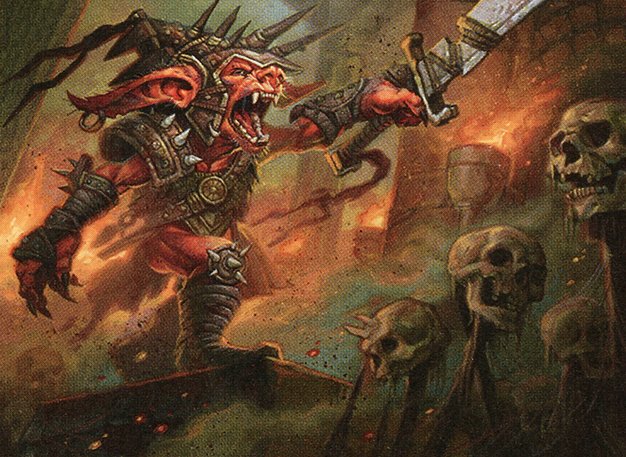
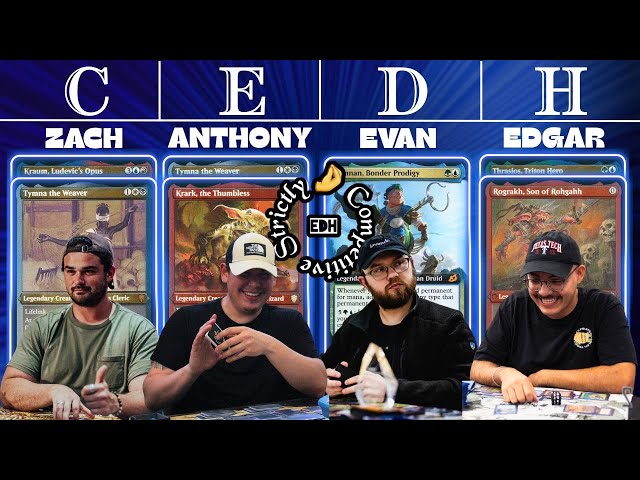
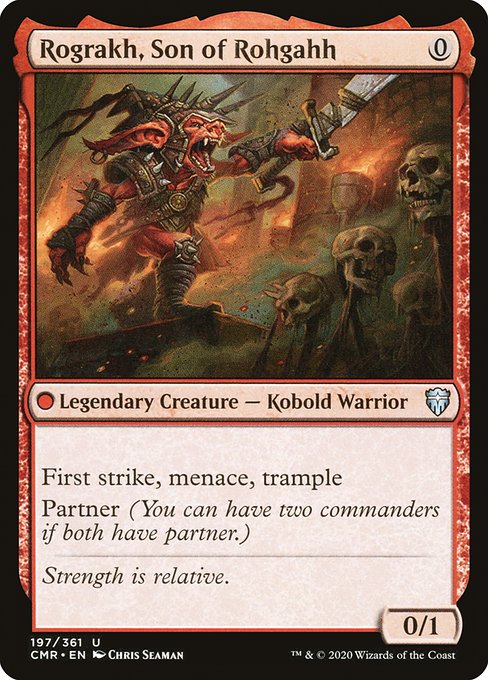
Rograkh, Son of Rohgahh
Aggressive red-based strategy leveraging early mana acceleration and direct damage to apply pressure and disrupt opponents.
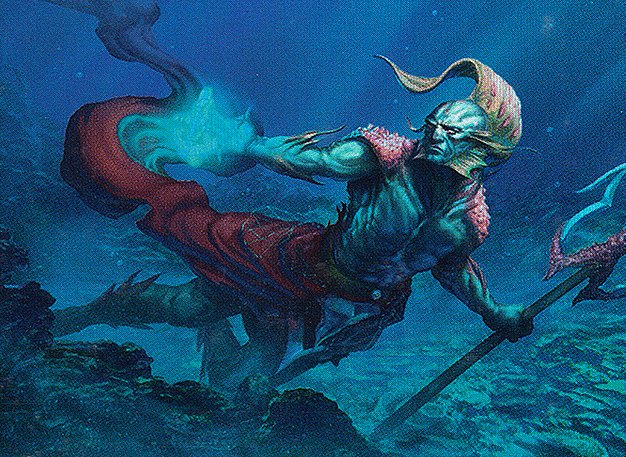
Thrasios, Triton Hero
Combo and value engine using color fixing and card draw to fuel incremental advantage and enable other commanders or spells.
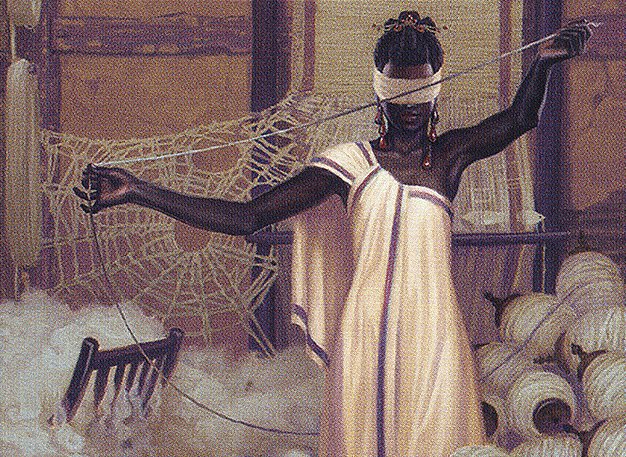
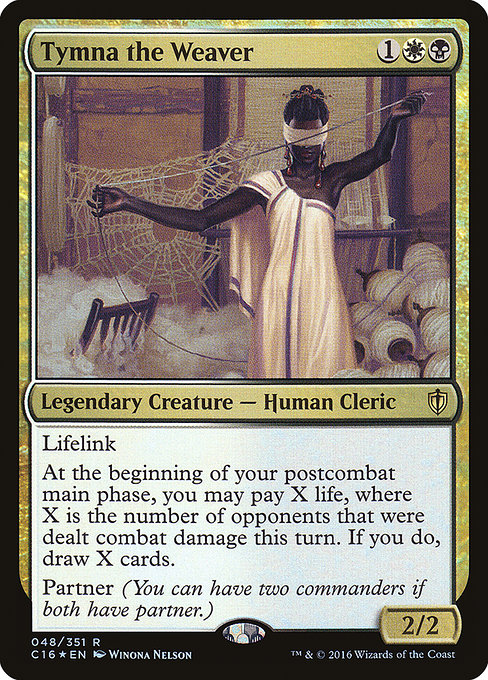
Tymna the Weaver
Card draw through combat damage with a focus on aggressive board presence and tutoring for key spells.
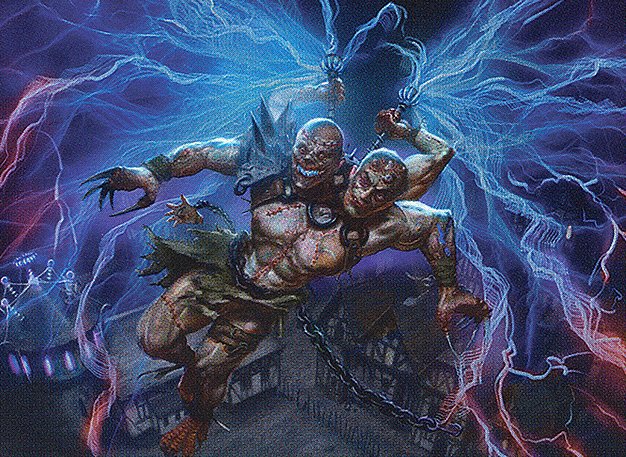
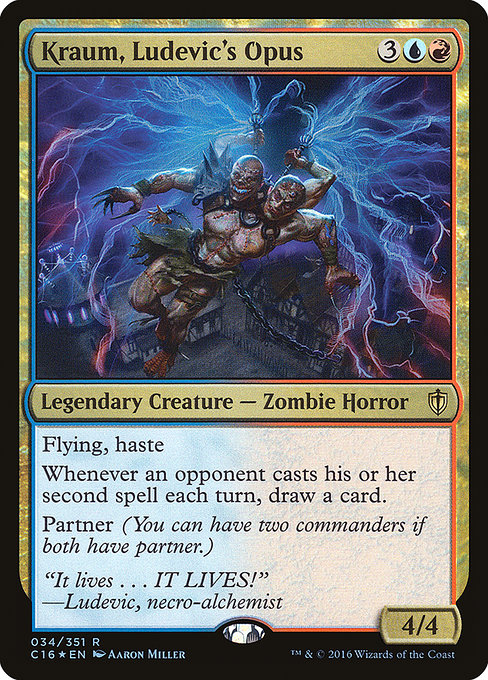
Kraum, Ludevic's Opus
Partner with Tymna to increase hand size and card draw, supporting a tempo and control style with strong removal and disruption.
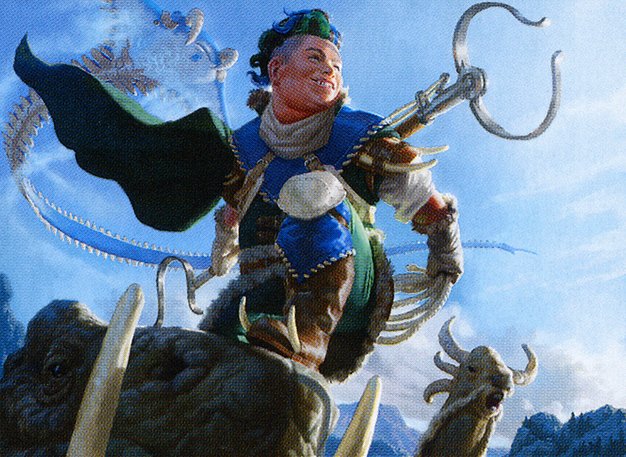
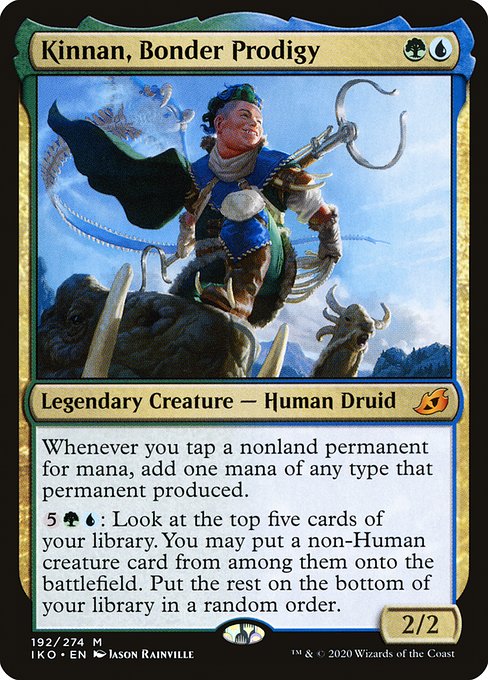
Kinnan, Bonder Prodigy
Mana ramp and combo enabler using creatures like Dryad Arbor and Guy's Cradle to produce large amounts of mana for explosive plays and spell recursion.
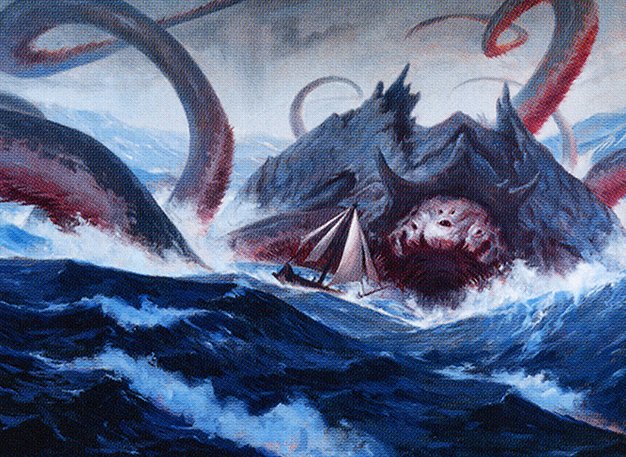
Gyruda, Doom of Depths
Graveyard-based strategy focused on milling and triggering multiple enter-the-battlefield effects to generate card advantage and board presence.
Gameplay Insights
- 1
Using Manamorphos early to ramp and draw cards allowed for casting multiple commanders quickly, setting up strong early game presence.
- 2
Repeatedly evoking Vibrance with Kinnan to fetch important lands and gain life was a powerful engine that generated sustained advantage and board development.
- 3
Gyruda’s milling and graveyard recursion triggered multiple value effects, but opponents needed to disrupt this to prevent overwhelming advantage.
- 4
Partner commanders Tymna and Kraum synergized well by maximizing card draw and tutoring, supporting both aggressive and control plays.
- 5
Players carefully managed life totals and timed attacks and spells to maintain pressure without overextending into board wipes or removal.
- 6
The interaction of mana ramp, recursion, and enter-the-battlefield triggers created dynamic shifts in board state, requiring adaptive play and prioritization of threats.
Notable Cards
-
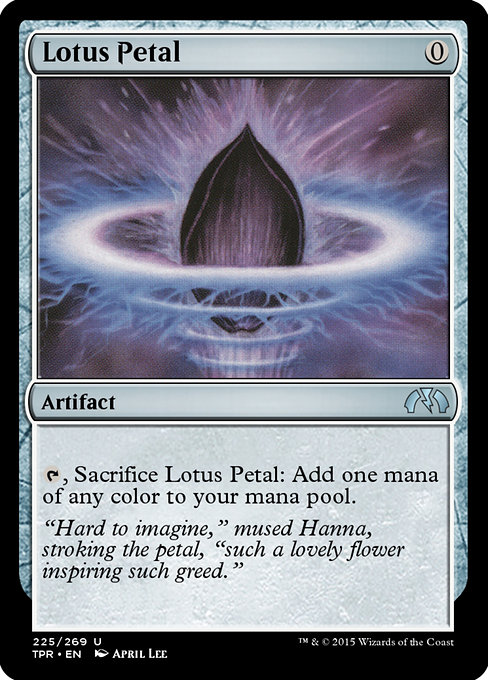
Lotus Petal
-
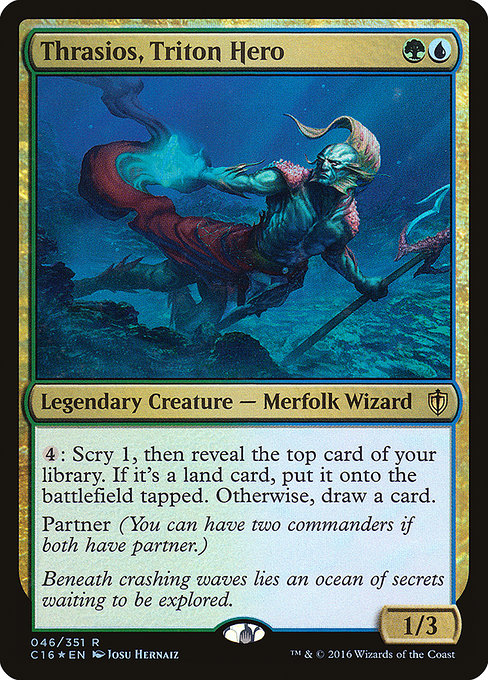
Thrasios, Triton Hero
-
Rograkh, Son of Rohgahh
-
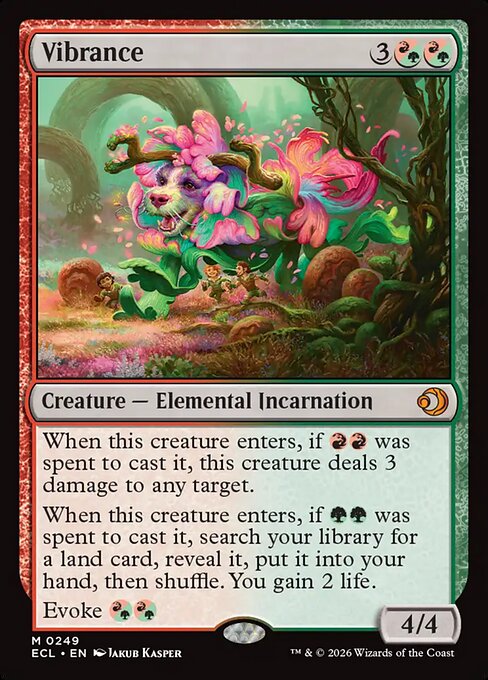
Vibrance
-
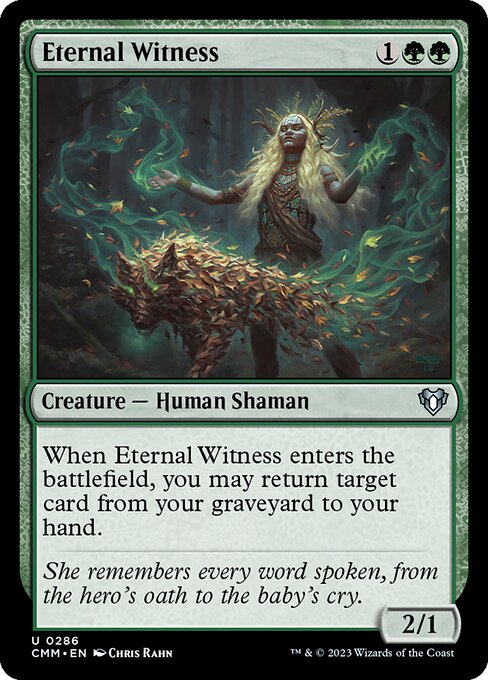
Eternal Witness
-
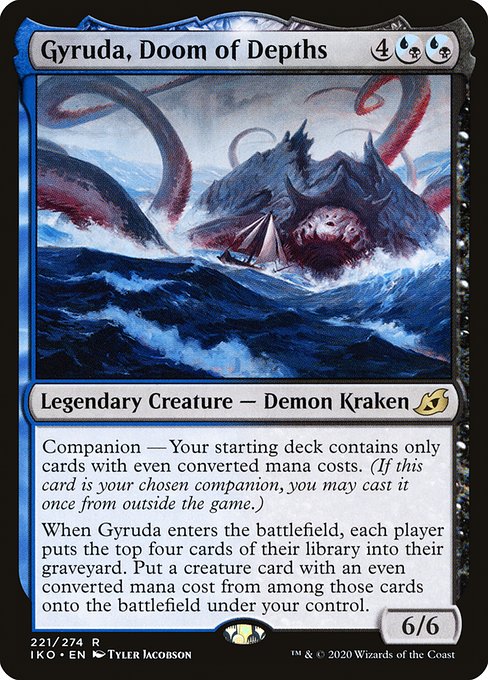
Gyruda, Doom of Depths
-
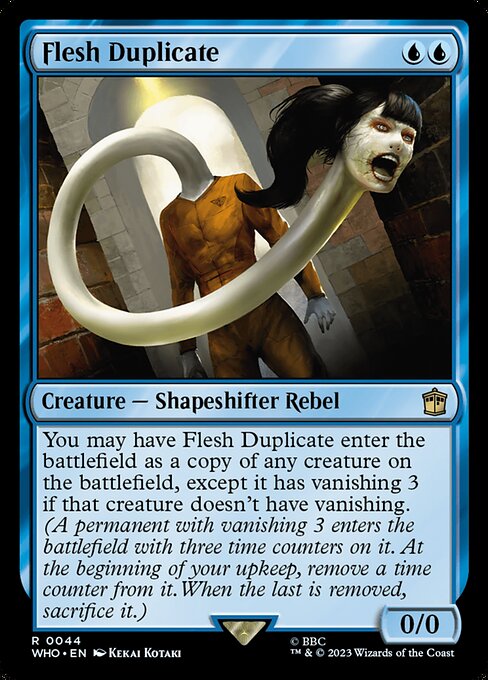
Flesh Duplicate
Gameplay Summary
The game began with players ramping aggressively using mana acceleration and efficient land drops, setting up their powerful commanders quickly.
One player used a combination of Lotus Petal, Manamorphos, and Thrasios to establish early card advantage and board presence by casting Rograkh and Thrasios on the first turns.
Kinnan’s player focused on generating infinite or large amounts of mana with cards like Guy's Cradle and Eternal Witness to recur key spells like Vibrance, enabling repeated land fetches and life gain.
Gyruda’s player took advantage of the graveyard with top-deck manipulation and a high-impact graveyard recursion strategy, casting Gyruda to mill cards and trigger multiple enters-the-battlefield effects, including Flesh Duplicate.
Tymna and Kraum combined to provide card draw and aggressive pressure, leveraging tutors and versatile threats like Conch Sphinx and the One Ring to maintain board control.
A key turning point was when Kinnan’s player successfully set up a continuous mana engine with Guy's Cradle and repeatedly evoked Vibrance to accelerate land deployment and life gain, threatening to outpace opponents.
Meanwhile, Gyruda’s repeated graveyard triggers provided significant value, although opponents tried to disrupt this with targeted removal and counterplays.
Players maintained a balance between aggression and resource development, with multiple swings and complex stack interactions.
The game showed a tense race to leverage combos and value engines, with Kinnan’s ramp and Gyruda’s graveyard synergy emerging as central forces on the board.
The game’s outcome hinged on managing life totals and maximizing the impact of recursive spells and powerful creatures to overwhelm opponents before they could assemble their own win conditions.