
Deck & Commander Strategies
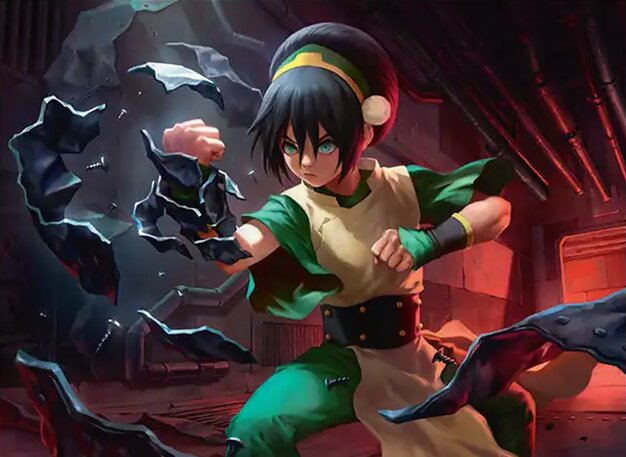
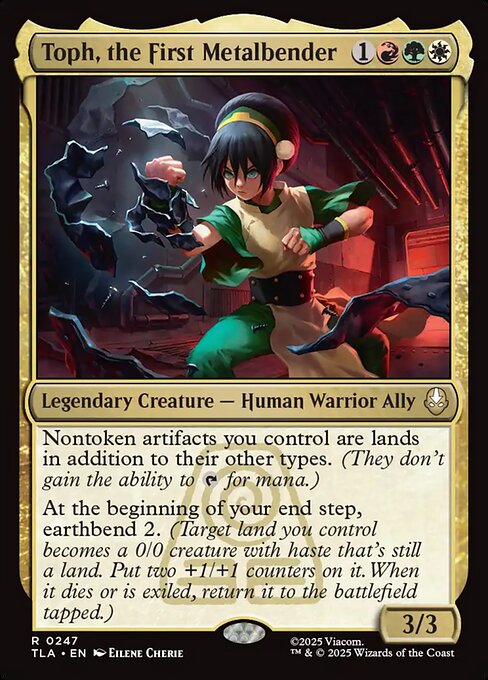
Toph, the First Metalbender
Transforms non-token artifacts into lands and creatures with haste, leveraging +1/+1 counters to create resilient threats that are difficult to remove permanently, aiming to pressure opponents with efficient board presence.

Glarb, Calamity's Augur
Utilizes surveil and library manipulation to control the top of the deck, disrupt opponents' plans, and generate card advantage, aiming to lock down the game and prevent other players from executing their strategies.
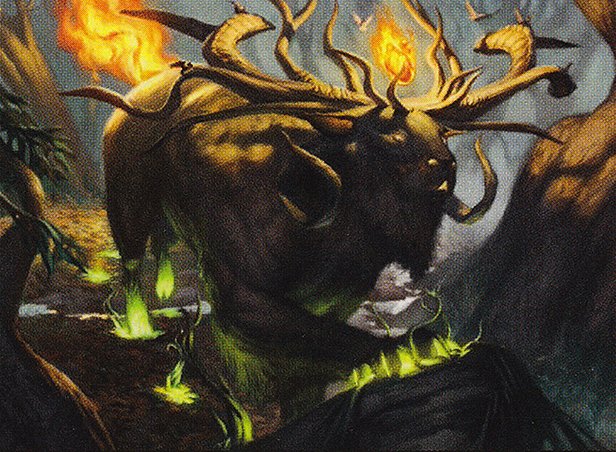
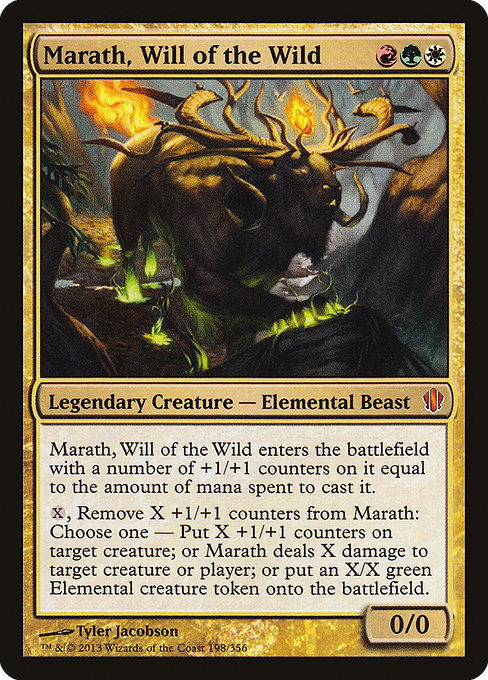
Marath, Will of the Wild
Focuses on +1/+1 counter synergies and token generation, using Gaia's Cradle for massive mana ramp to enable combo finishes through proliferating and creating numerous elemental tokens.

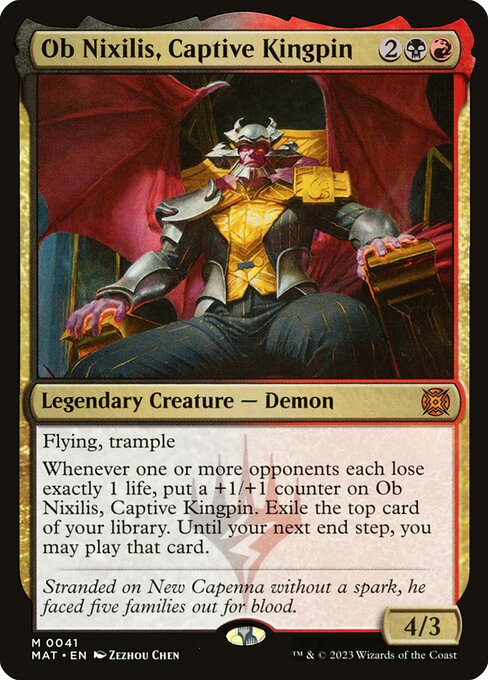
Ob Nixilis, Captive Kingpin
Builds a value engine through incremental ping damage, artifact synergies, and mana acceleration (e.g., Grim Monolith, Candleabra), gradually wearing down opponents while accumulating resources for a late-game win.
Gameplay Insights
- 1
Players carefully chose combat targets to avoid losing key permanents, such as the decision to allow a Ragavan hit to preserve more valuable creatures.
- 2
Toph's conversion of artifacts into lands and creatures with haste allowed for a resilient board that could recover even after removal.
- 3
Glarb's use of surveil and top-deck manipulation helped maintain control over the game flow, limiting opponents' options.
- 4
Ob Nixilis's pilot timed activation of mana rocks and untap effects to maximize mana production and enable multiple activations in a turn.
- 5
Marath’s player effectively used Gaia’s Cradle and +1/+1 counter interactions to generate tokens and ramp mana, setting up for a potential combo finish.
Notable Cards
-
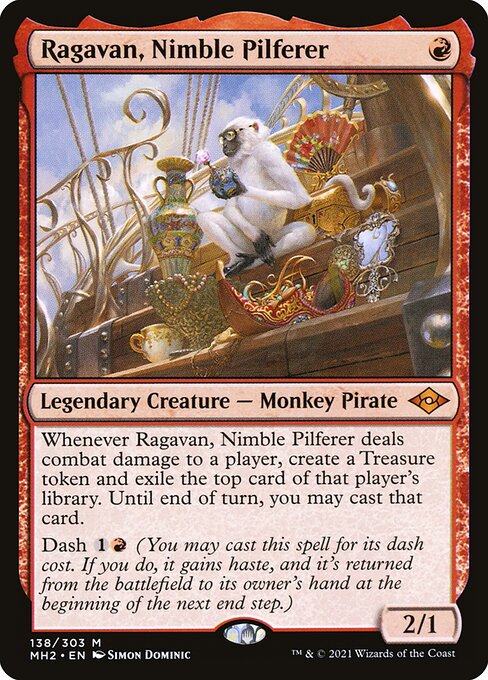
Ragavan, Nimble Pilferer
-
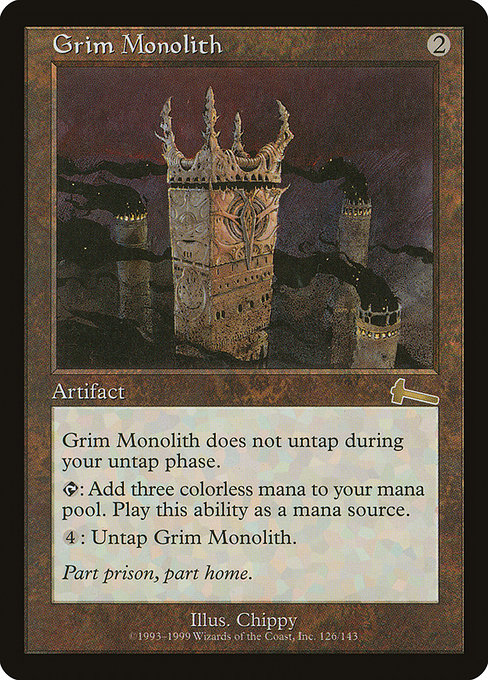
Grim Monolith
-
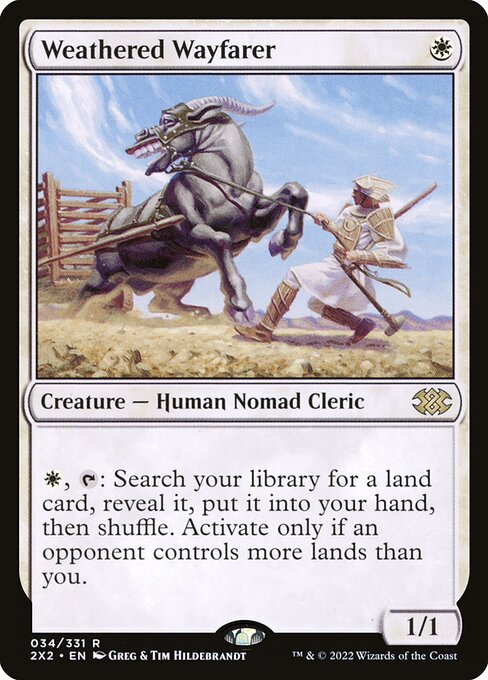
Weathered Wayfarer
-
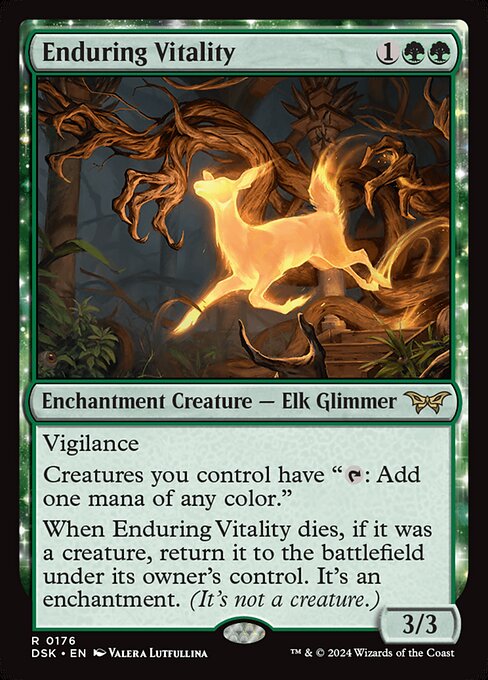
Enduring Vitality
-
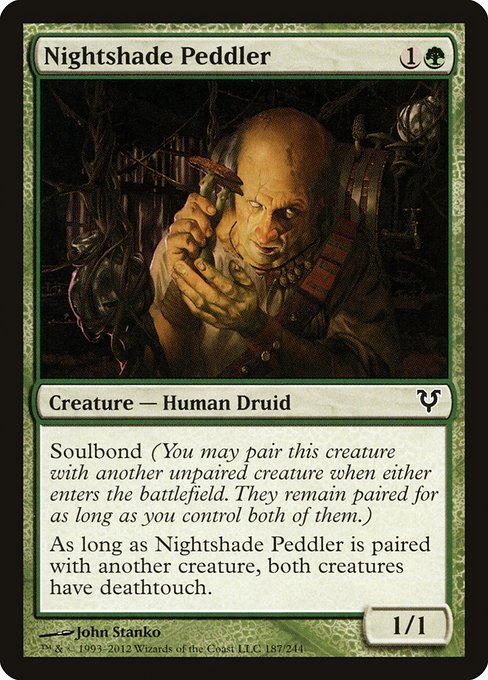
Nightshade Peddler
Gameplay Summary
The game featured four competitive cEDH decks led by Toph, Glarb, Marath, and Ob Nixilis, each piloted by experienced players bringing their pet strategies to the table.
Early turns involved setting up mana acceleration and key lands, with players deploying ramp creatures like Ragavan and activating mana rocks such as Grim Monolith and Soul Ring.
Marath's player quickly established a board presence with +1/+1 counter synergies and Gaia's Cradle, setting up for token generation and potential combo plays.
Meanwhile, Glarb focused on controlling the top of the library and disrupting opponents, utilizing surveil and card advantage to maintain board control.
Ob Nixilis's pilot aimed to generate incremental value through ping effects and artifact synergies, building towards a slow but steady engine of damage and resource gain.
Toph's deck played a unique land-transform strategy, converting artifacts into lands and creatures with haste, creating resilient threats that could return if removed. As the game progressed, key interactions included Marath producing elemental tokens and utilizing multiple land drops and mana activations to maximize board presence.
Glarb's control and disruption were felt through surveil triggers and selective removal, while Ob Nixilis's artifact-based value engine started to ramp up with Grim Monolith and Candleabra enabling multiple untaps and mana production.
Toph's ability to turn artifacts into creatures with counters demonstrated a strong synergy that pressured opponents.
The game showcased several tactical decisions like choosing combat targets to avoid unnecessary loss of key permanents, and careful stacking of triggers to optimize card draw and effects.
The dynamic between aggressive board development, control elements, and value engines set the stage for a multifaceted contest where resource management and timing were critical.