

Deck & Commander Strategies
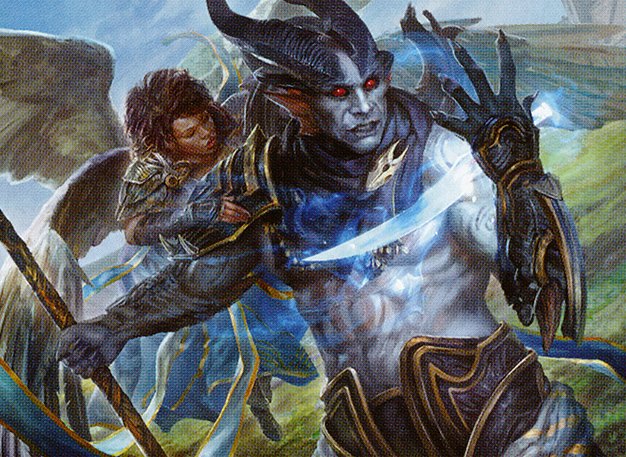
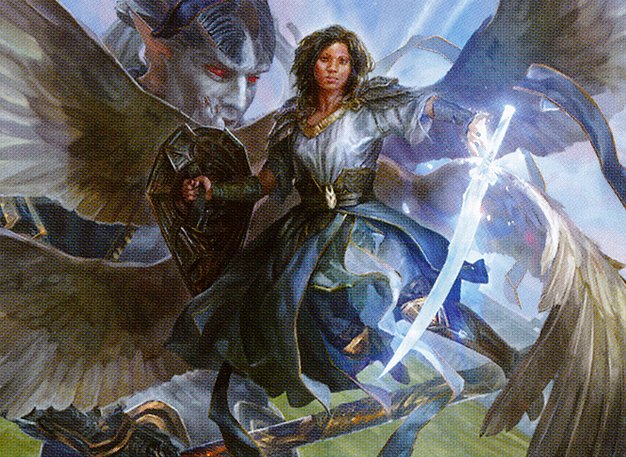
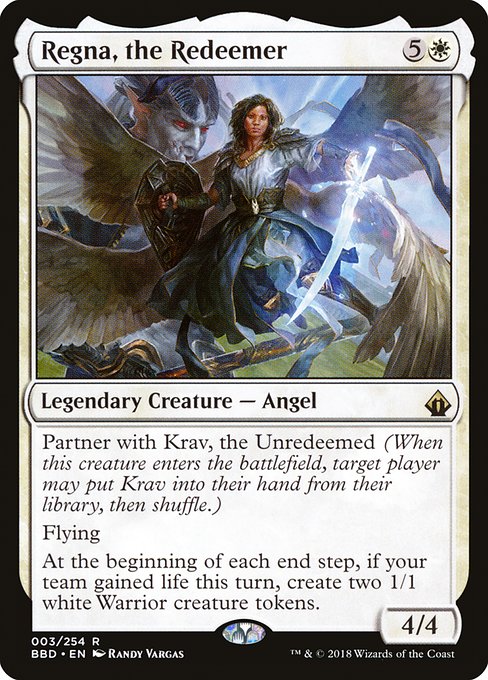
Regna the Redeemer and Krav the Unredeemed
Gain life to create warrior tokens and use Krav’s ability to sacrifice creatures for card draw, life gain, and growing Krav with +1/+1 counters, aiming to overwhelm opponents with tokens and a large demon.
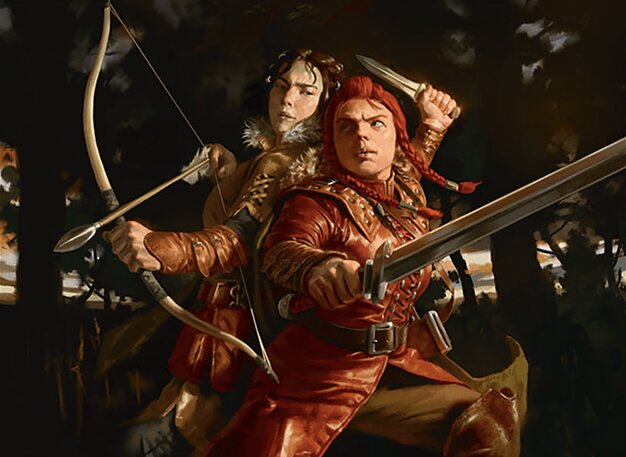
Halana and Alena, Partners
Use +1/+1 counters to boost creatures and grant haste, enabling quick and aggressive attacks to pressure opponents early and often.
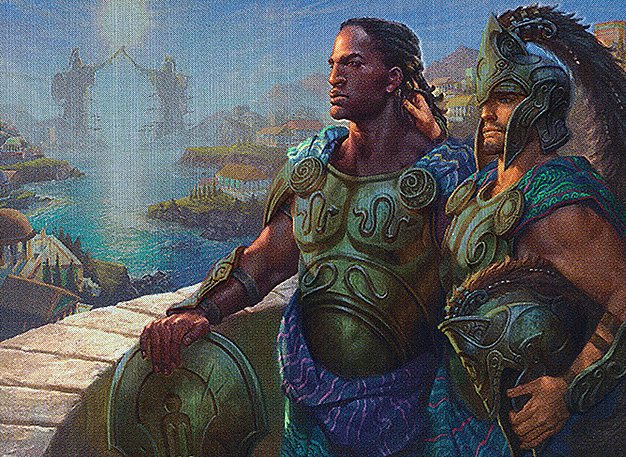
Kynaios and Tiro of Meletis
Ramp lands and draw cards to maintain card advantage and board presence, enabling sustained pressure and flexibility throughout the game.

Feldon of the Third Path
Recursively create artifact creature tokens from creatures in the graveyard, leveraging graveyard value and token synergy to maintain board presence and control.
Gameplay Insights
- 1
Regna’s life gain triggers were pivotal for creating token armies that could quickly shift board control.
- 2
Using Feldon’s ability to create artifact copies of creatures in the graveyard provided resilience against removal and extended value.
- 3
Kynaios and Tiro’s land ramp and mass card draw kept their hand replenished, allowing them to respond to threats and maintain pressure.
- 4
Edric’s combat damage triggered card draw encouraged aggressive attacks and rewarded damage dealing to opponents.
- 5
Serbondom Exemplar’s ability to grow with dying creatures and destroy non-man permanents when large created a strong deterrent and board control tool.
Notable Cards
-
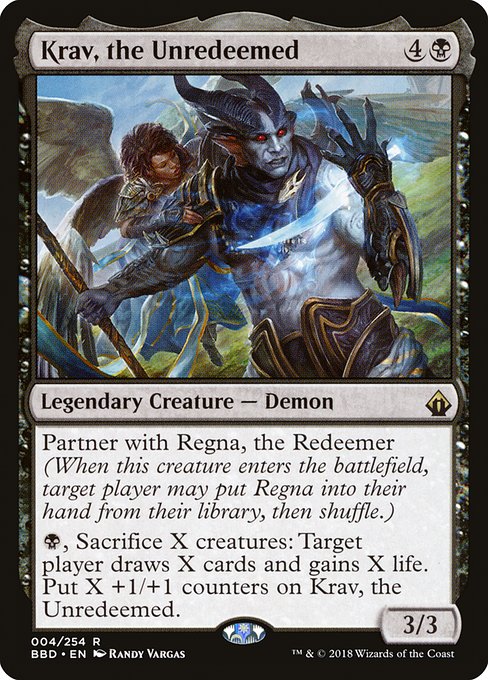
Krav, the Unredeemed
-
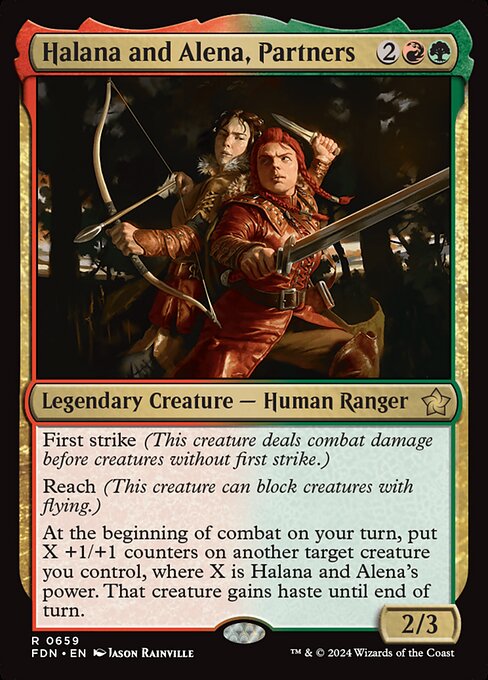
Halana and Alena, Partners
-
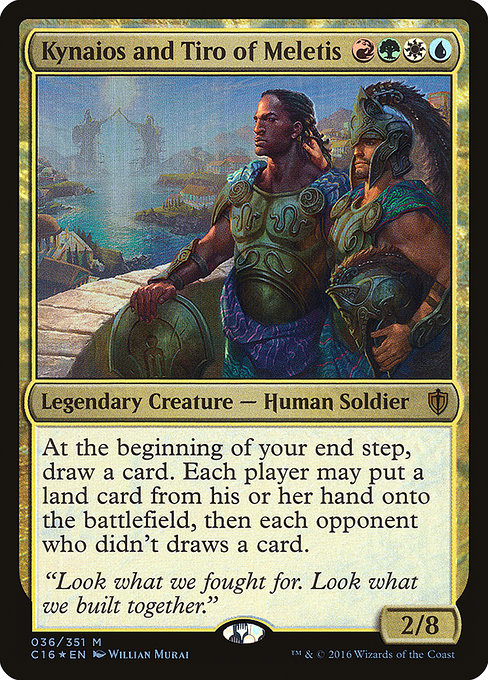
Kynaios and Tiro of Meletis
-
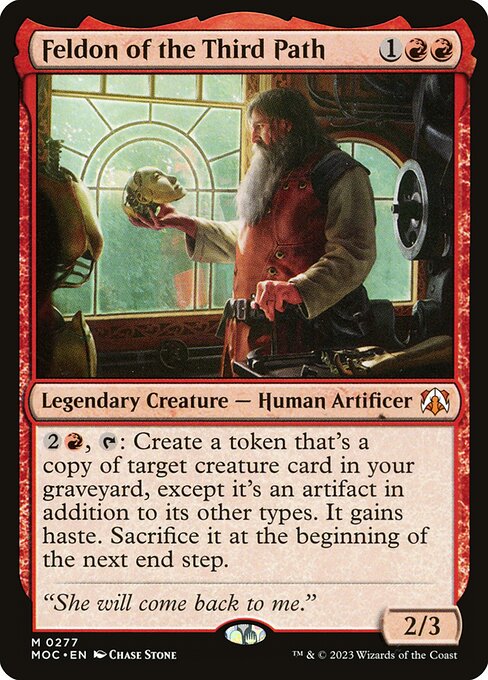
Feldon of the Third Path
-
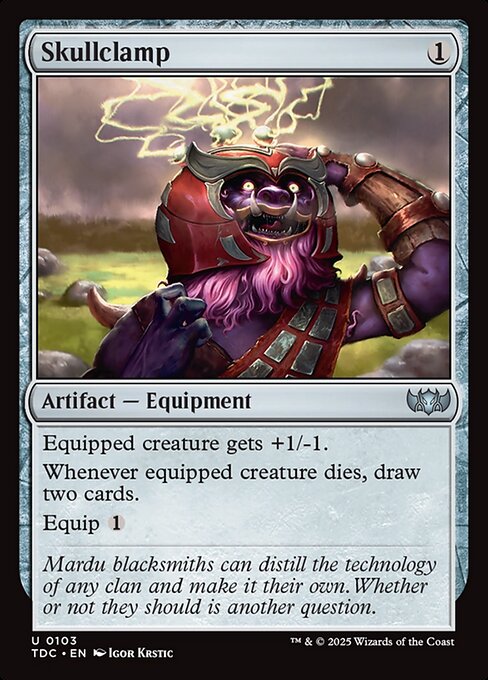
Skullclamp
-
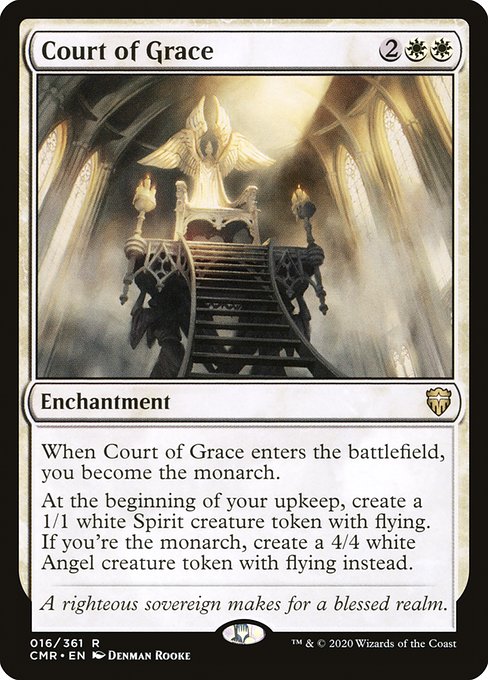
Court of Grace
-
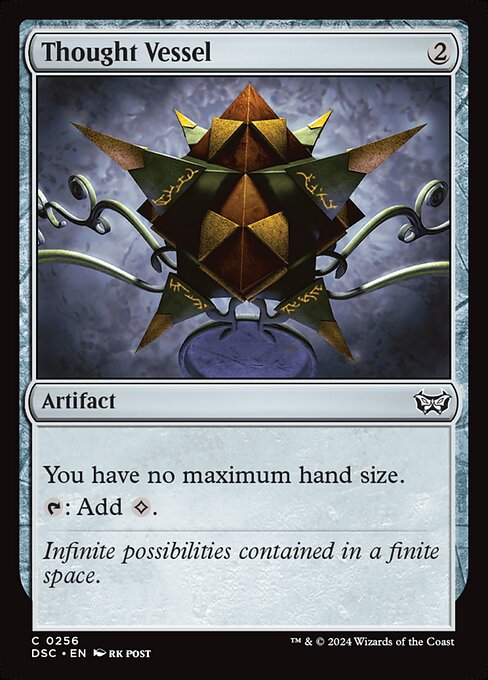
Thought Vessel
-
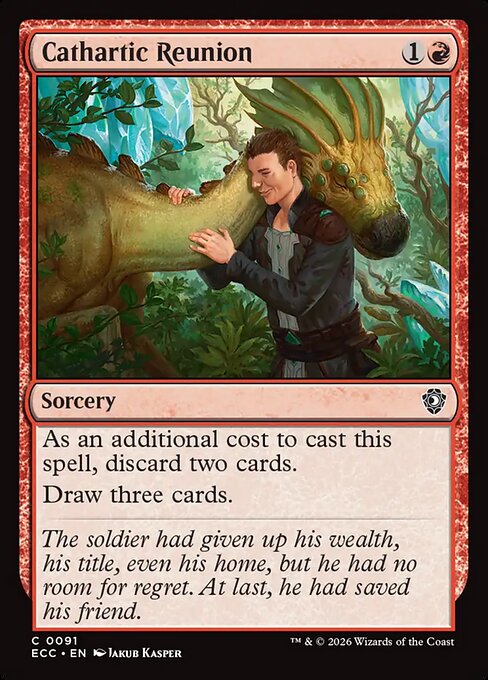
Cathartic Reunion
Gameplay Summary
The game began with each player setting up their mana base and early plays that established their strategies.
Regna the Redeemer and Krav, the Unredeemed focused on a life-gain and token generation strategy, leveraging Regna's ability to create white warrior tokens when their team gained life.
Halana and Alena aimed to boost creatures with +1/+1 counters and grant haste to enable aggressive combat plays.
Kynaios and Tiro of Meletis emphasized card draw and ramping lands, creating consistent value and board presence.
Feldon of the Third Path brought a graveyard recursion theme, creating artifact creature tokens from creatures in the graveyard to maintain pressure and value over time. As the game unfolded, key moments included the early establishment of board presence by various creatures such as Edric, Spy Master of Trest, who enabled card draw through combat damage, and Serbondom Exemplar, which benefited from creatures dying or being exiled to grow and provide utility.
Feldon’s ability to create tokens from graveyard creatures added resilience, while Kynaios and Tiro’s land ramp and card drawing kept their hand replenished.
The interplay of life gain, token generation, and creature buffs led to escalating board states, with each player attempting to outvalue or outpace their opponents.
The win condition revolved around leveraging these synergies—whether through overwhelming board presence, life gain triggers, or recursive value—to deliver lethal damage or control the board until victory could be secured.


![Random Decks, Hidden Roles! [Commander VS 301] | Magic: the Gathering Commander Gameplay thumbnail](https://i.ytimg.com/vi/Pel5HCJg5cQ/sddefault.jpg)

![Commander VS S14E7: Sharuum vs Jhoira vs Melek vs Kynaios and Tiro [EDH] thumbnail](https://i.ytimg.com/vi/1vD3yLJEw7E/sddefault.jpg)


![Commander VS S7E8: Wrexial vs Rakdos vs Zur vs Feldon [MTG] thumbnail](https://i.ytimg.com/vi/uShPuN5yal8/sddefault.jpg)

![Commander Versus Series: Deck Tech - Roon Vs. Feldon [Magic: the Gathering] thumbnail](https://i.ytimg.com/vi/p2hWuKl9X00/sddefault.jpg)


