


Deck & Commander Strategies

Smaug the Impenetrable
Use Smaug's indestructibility to trigger damage-based removal and board wipes, generating a large number of treasure tokens. Convert treasures into card draw or cast powerful dragons to control the board and win through overwhelming damage.

Thranduil, Sindarin Liege // Silvan Rally
Build a wide elf army using landfall triggers and elf lords to pump creatures, gain card advantage, and create a strong board presence that can conquer opponents through combat damage.

Gandalf, Party Guest
Cast legendary wizard creatures and use Gandalf’s ability to cast additional spells for free, including clone effects on legendaries, to accumulate value and overwhelm opponents with a powerful wizard party.

Radagast of Rhosgobel
Flash in creatures at a discount to maintain surprise blockers and attackers, utilizing deathtouch and combat tricks to control combat and gain incremental advantages through creature interactions.
Gameplay Insights
- 1
Smaug’s player prioritized getting treasure tokens early to ramp into powerful dragons, enabling explosive mana generation and aggressive board presence.
- 2
Radagast’s use of flash creatures and combat tricks created an unpredictable board state that forced opponents to think carefully before attacking.
- 3
Gandalf’s ability to cast free spells, such as Deep Analysis, was used to maintain card advantage while preparing for a strong wizard party on the battlefield.
- 4
Thranduil’s landfall-triggered elf creation and lords synergized to steadily build a robust and threatening board that could pressure opponents consistently.
- 5
Players carefully managed early combat, avoiding blocks that would result in unfavorable trades, especially considering the menace and deathtouch threats on the board.
- 6
The sequencing around playing commanders and ramp spells was crucial to maximizing tempo and setting up for mid-game power plays.
Notable Cards
-

Goldspan Dragon
-
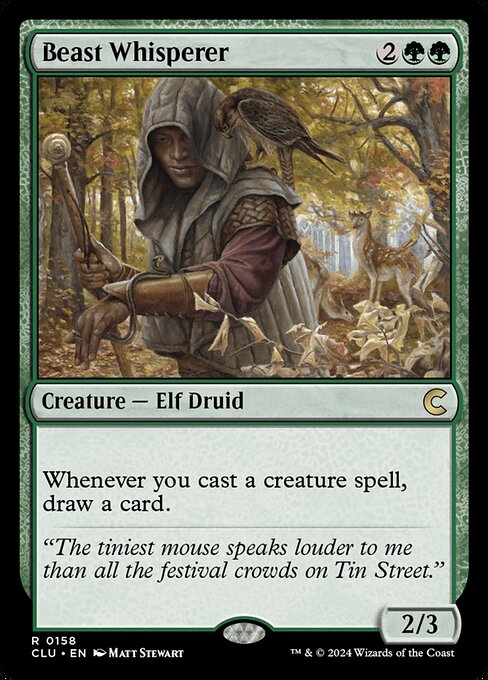
Beast Whisperer
-
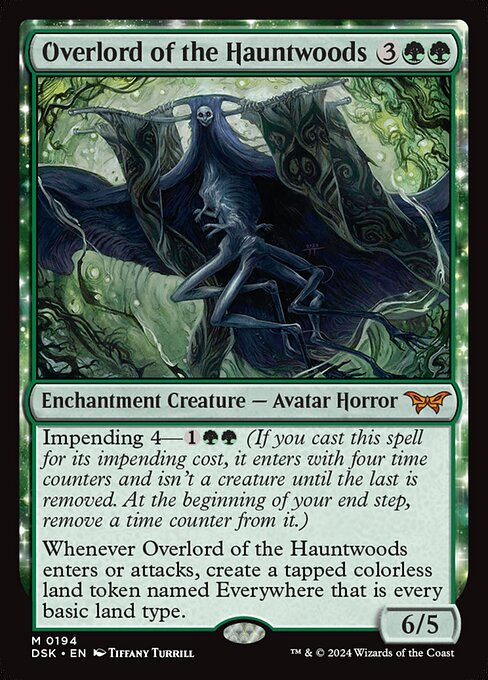
Overlord of the Hauntwoods
-

Deep Analysis
-

Fabled Passage
-

Talisman of Indulgence
Gameplay Summary
The game featured a dynamic four-player Commander match with Middle-earth-themed decks led by Smaug, Thranduil, Gandalf, and Radagast.
Early turns focused on ramping mana and establishing board presence, with each player developing their strategy.
Smaug’s deck leveraged damage-based removal and board wipes to generate treasure tokens from its indestructible commander, aiming to convert these treasures into card draw and powerful dragons to dominate the battlefield.
Radagast utilized flash creatures with deathtouch and combat tricks to control combat and apply pressure with surprise blockers and attackers, while Thranduil focused on landfall triggers to create an elven army, supported by lords to pump creatures and draw cards, building a resilient board through synergy.
Gandalf’s deck centered on legendary wizards and clone effects, casting free spells to build a formidable wizard party capable of overwhelming opponents with value and spell recursion. Key moments included Smaug’s aggressive treasure token generation and deployment of dragons, notably Goldspan Dragon, to accelerate mana production and apply combat pressure.
Thranduil’s steady elf production and landfall synergy kept the board wide and threatening, enabling consistent attacks.
Gandalf’s ability to cast free spells like Deep Analysis allowed for sustained card draw and tactical flexibility, while Radagast flashed in creatures like Overlord of the Hauntwoods to ramp and generate tokens, maximizing his surprise combat tricks.
The early game saw careful sequencing of plays and combat decisions, such as blocking considerations against Professional Face Breaker and leveraging commander abilities for incremental advantages.
The game was poised for explosive turns as each deck ramped and developed their key threats.









![Smaug! In cEDH? Which One? [cEDH GAUNTLET] SMAUG v KINNAN v TYMNA\DARGO v ROG\THRASIOS thumbnail](https://i.ytimg.com/vi/F4CbX8zwRME/sddefault.jpg)


