

Deck & Commander Strategies

Glarb, Calamity's Augur
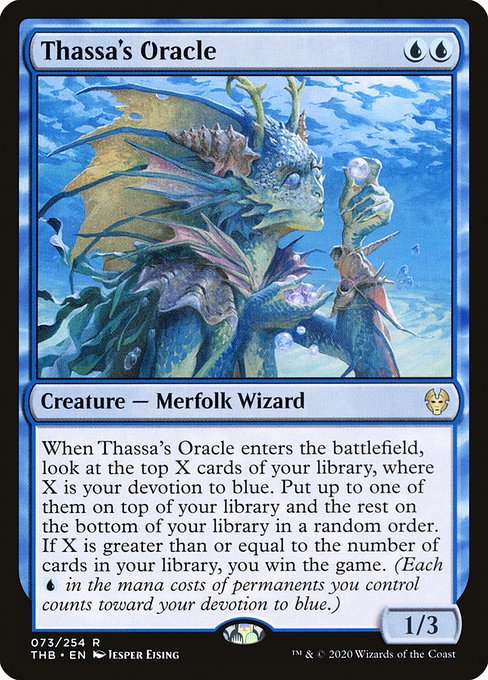
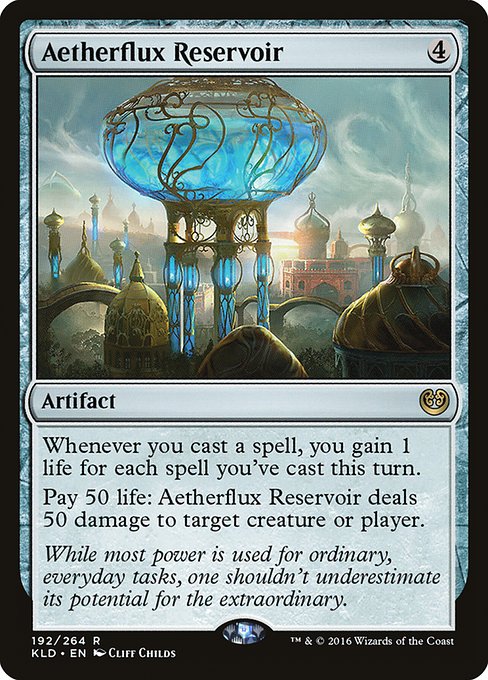
A Sultai control deck focused on card advantage through surveil and Mystic Remora, controlling the board while aiming to win with Thassa's Oracle or an Aetherflux Reservoir combo.

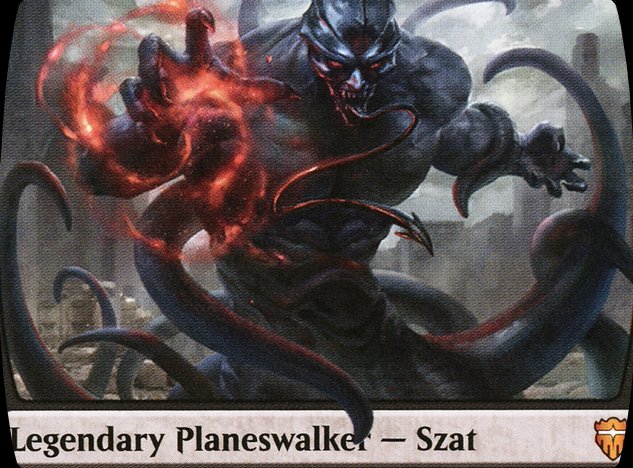
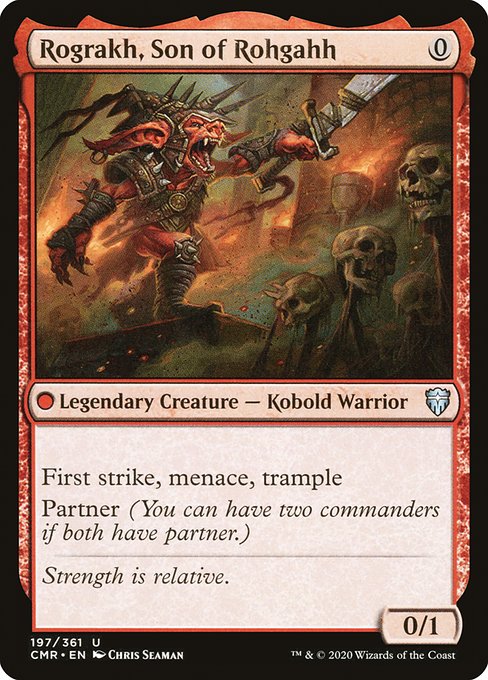
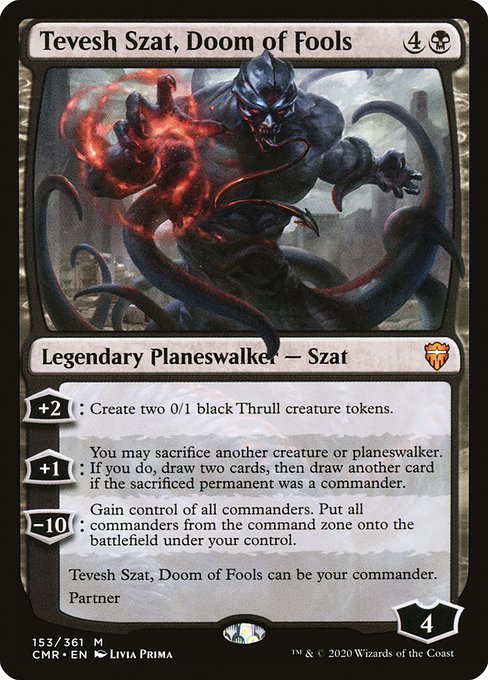
Rograkh, Son of Rohgahh with Tevesh Szat, Doom of Fools
A resource denial and disruption deck using cards like Nether Void and Trinisphere to lock opponents out while advancing a polymorph strategy to win by attrition and overwhelming threats.
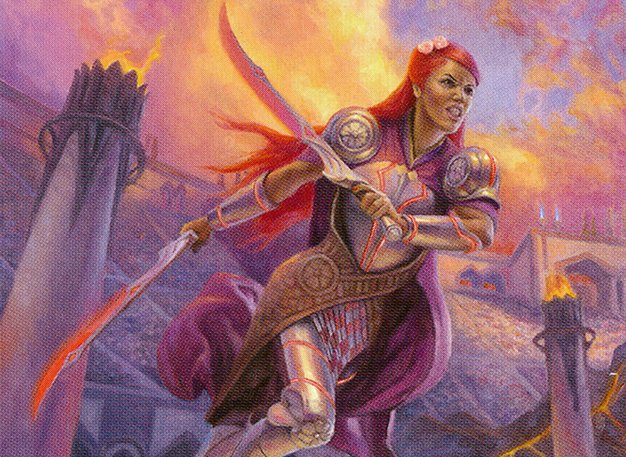
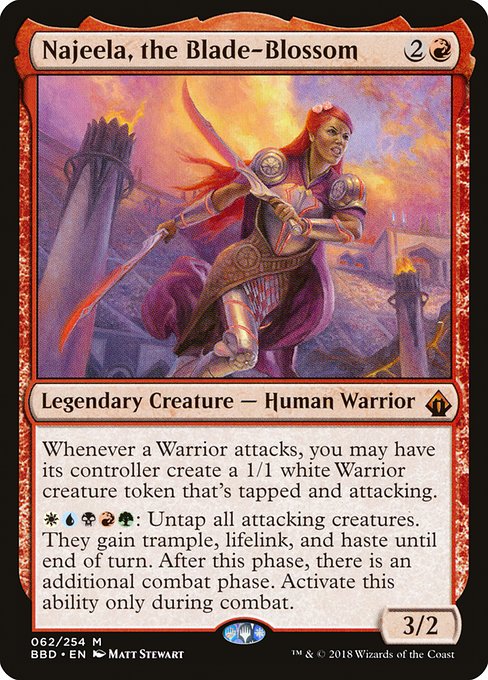
Najeela, the Blade-Blossom
A five-color goodstuff and combo deck relying on aggressive combat, combo pieces like Derevi and Grim Hireling, and alternate win conditions such as Thassa's Oracle and Underworld Breach.

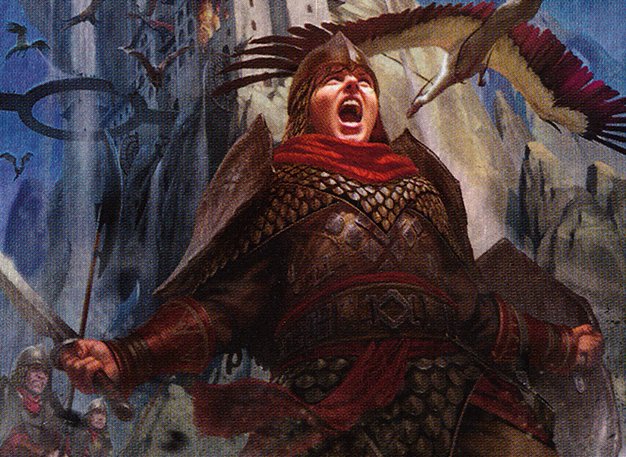
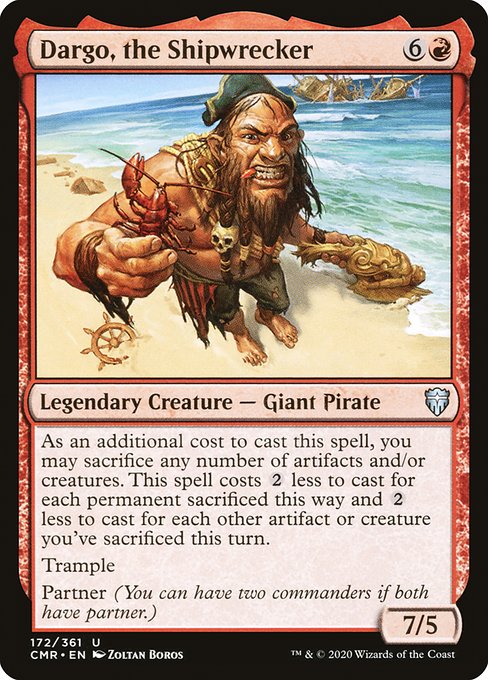
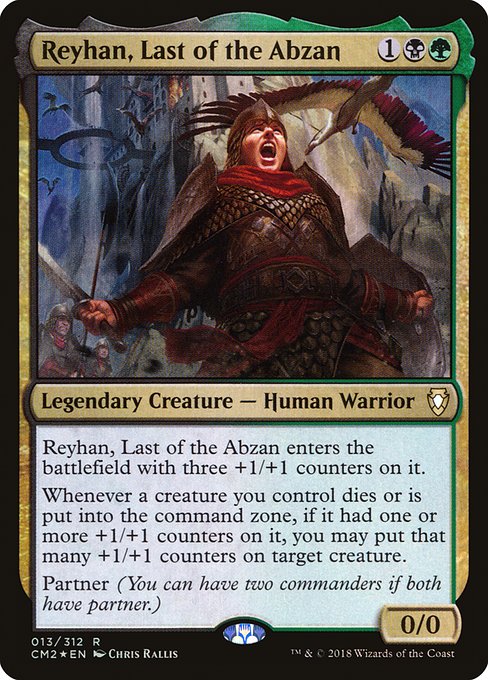
Dargo, the Shipwrecker with Reyhan, Last of the Abzan
A turbo sacrifice deck that loops Dargo using sacrifice outlets like Goblin Bombardment and artifacts like Relic of Legends to deal infinite damage repeatedly.

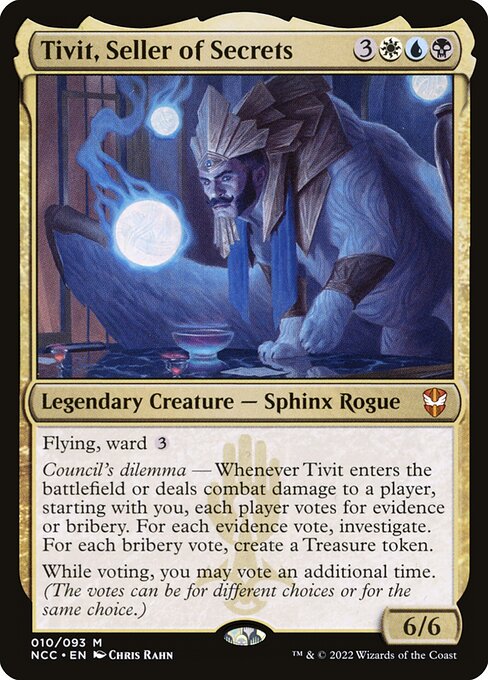
Tivit, Seller of Secrets
A control deck that aims to stall the game and then win with combos involving Thassa's Oracle or Time Sieve.

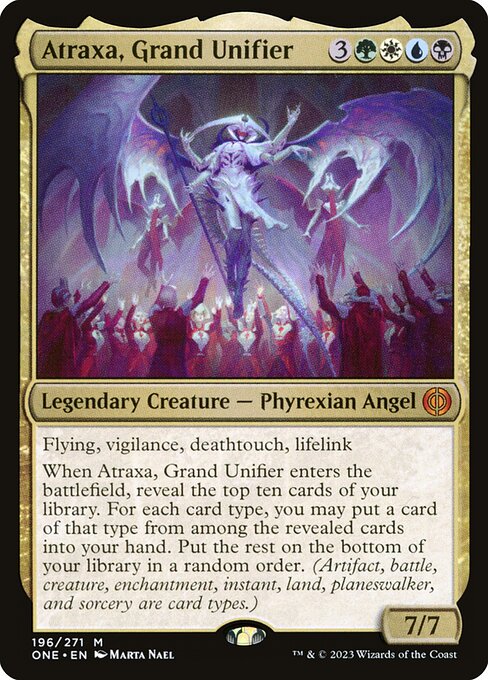
Atraxa, Grand Unifier
A big mana ramp deck that seeks to generate massive value with Food Chain and win through commander damage or Thassa's Oracle combos.
Gameplay Insights
- 1
Early Mystic Remora on the table gave Glarb strong card advantage but was eventually removed.
- 2
Rograkh's early Nether Void and Chalice of the Void severely restricted opponents' ability to cast spells, leading to a stifling game state.
- 3
Dargo/Reyhan leveraged treasure generation from Orcish Lumberjack and sacrifice outlets to assemble a loop with Goblin Bombardment and Relic of Legends for infinite damage.
- 4
The interaction between Litho-Corrupt Sheriff and Culling Ritual allowed for efficient board control and mana generation.
- 5
Despite heavy disruption from Rograkh's deck, Dargo was able to recover and execute the infinite damage combo, showcasing the importance of resilience in cEDH.
- 6
Trinisphere further hampered opponents' spell casting and combined with Nether Void created a near-lockdown environment.
- 7
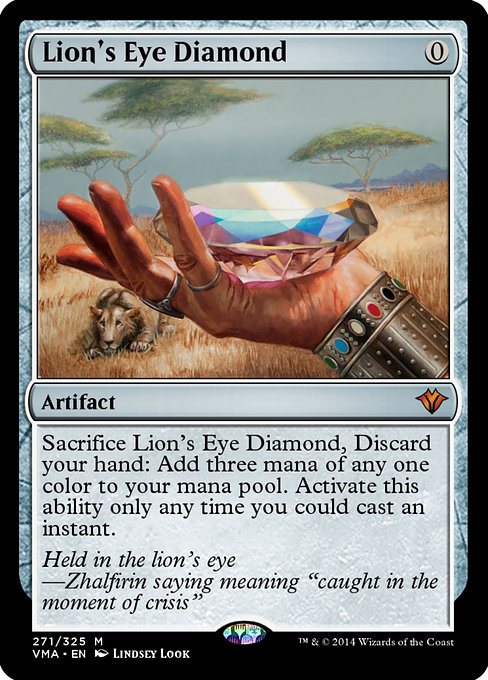
Players made use of free spells like Once Upon a Time and efficient mana rocks such as Lotus Petal and Lion's Eye Diamond to maintain tempo under heavy disruption.
- 8
The game highlighted how resource denial and combo decks can create a dynamic where the lock pieces force opponents to rely on careful sequencing and tutoring to break parity.
Notable Cards
-
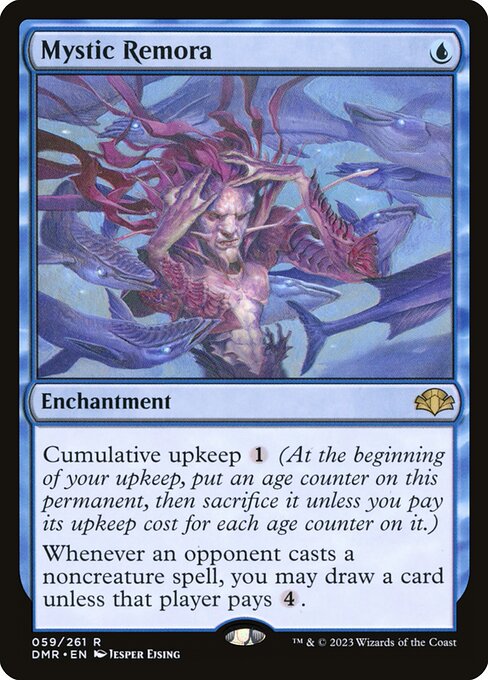
Mystic Remora
-
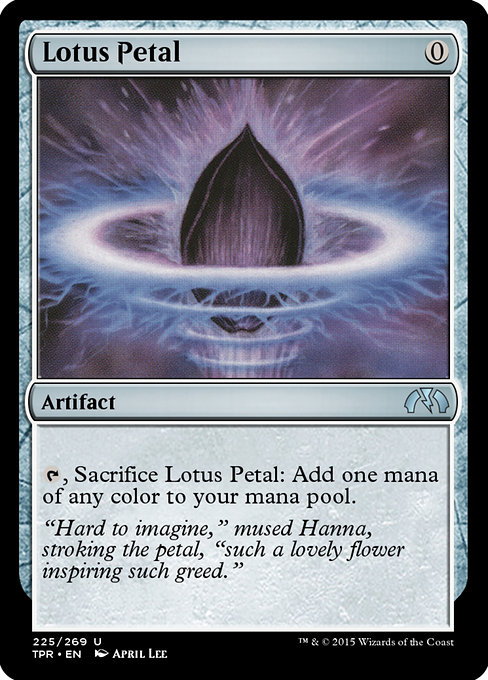
Lotus Petal
-
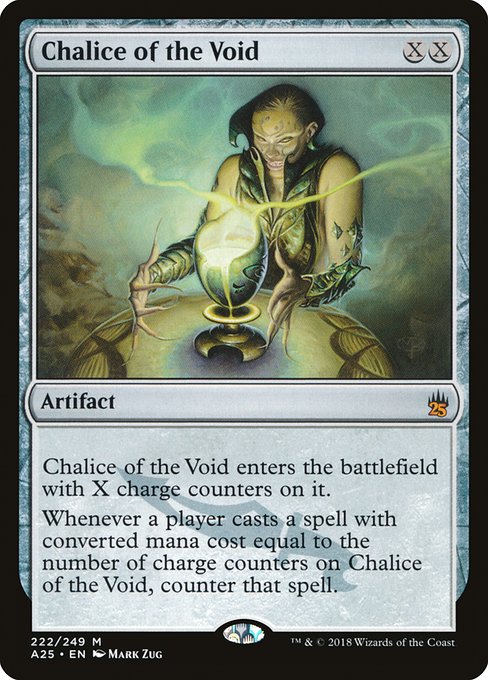
Chalice of the Void
-
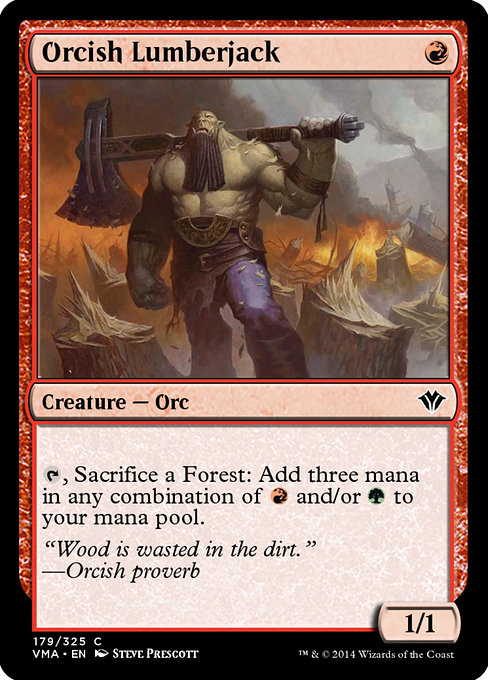
Orcish Lumberjack
-
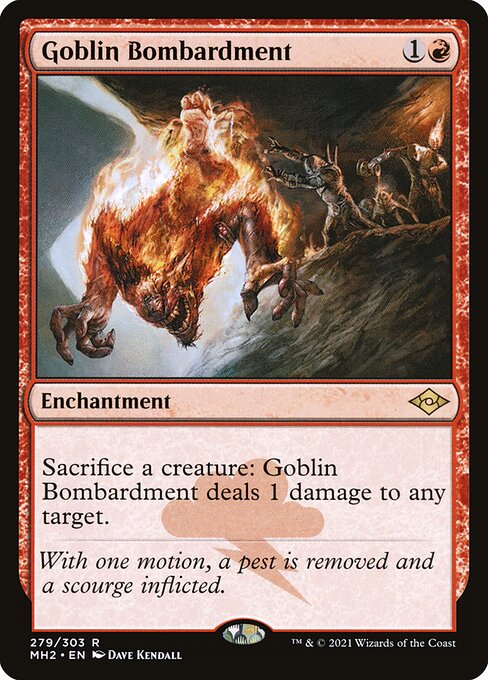
Goblin Bombardment
-
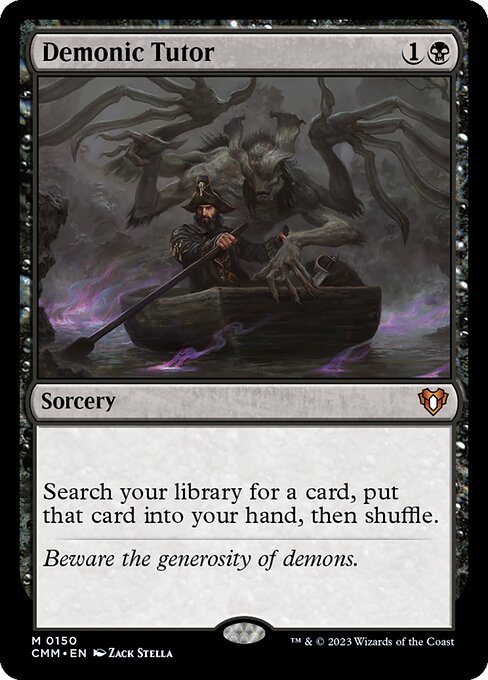
Demonic Tutor
-

Relic of Legends
-
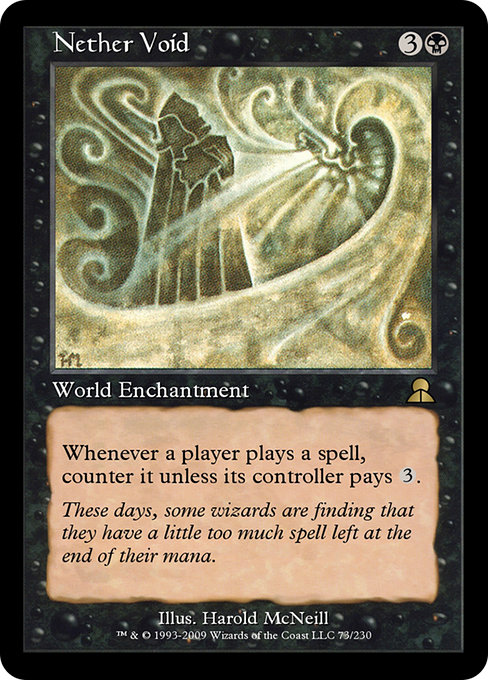
Nether Void
-
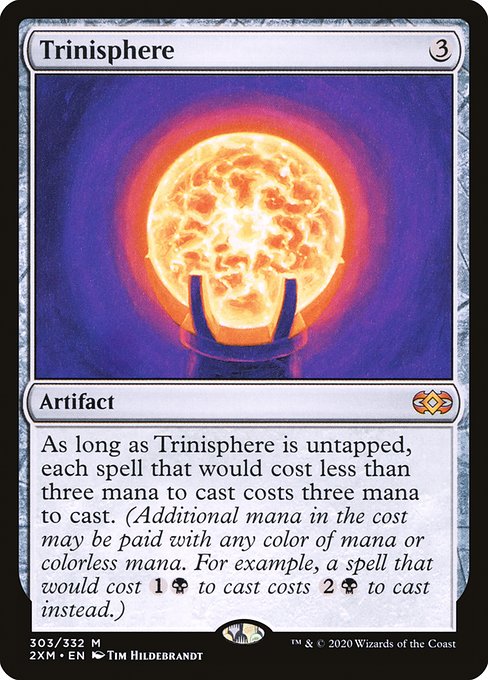
Trinisphere
-
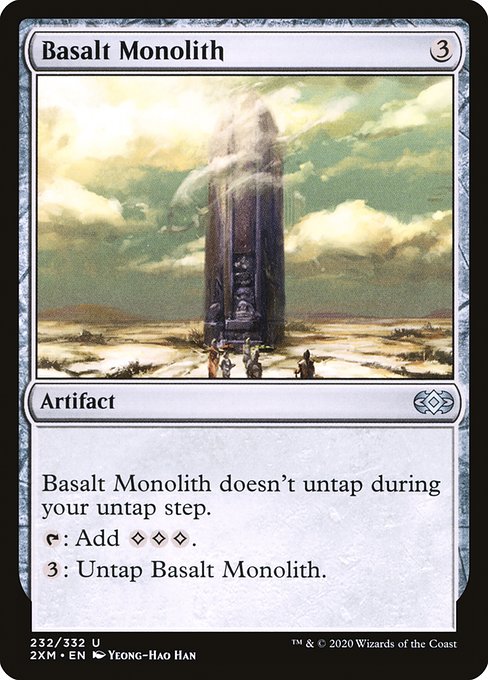
Basalt Monolith
-
Spellskite
-
Thassa's Oracle
-
Aetherflux Reservoir
-

Culling Ritual
-

Birds of Paradise
-
Lion's Eye Diamond
-
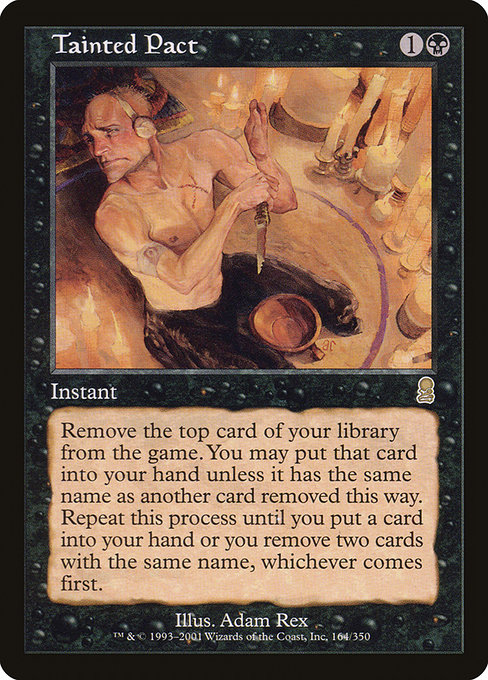
Tainted Pact
-
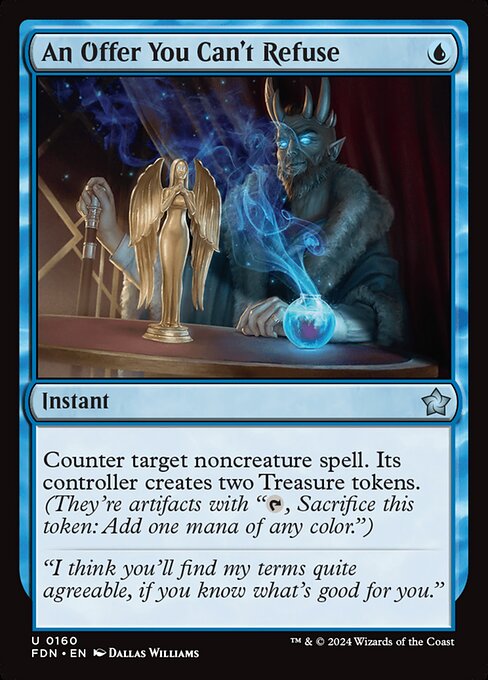
An Offer You Can't Refuse
-
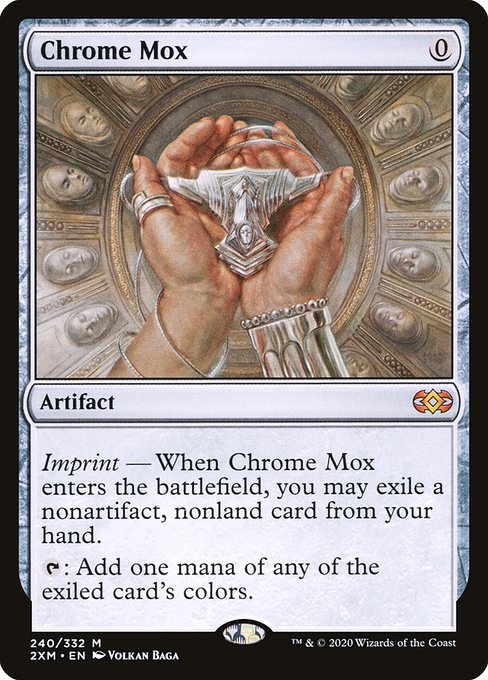
Chrome Mox
-
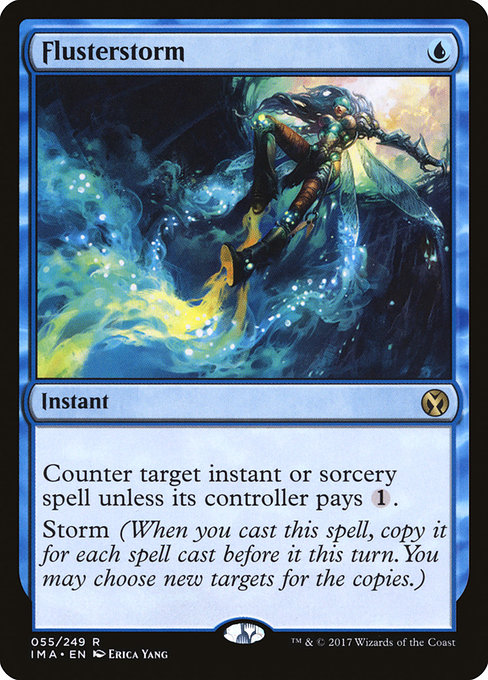
Flusterstorm
-
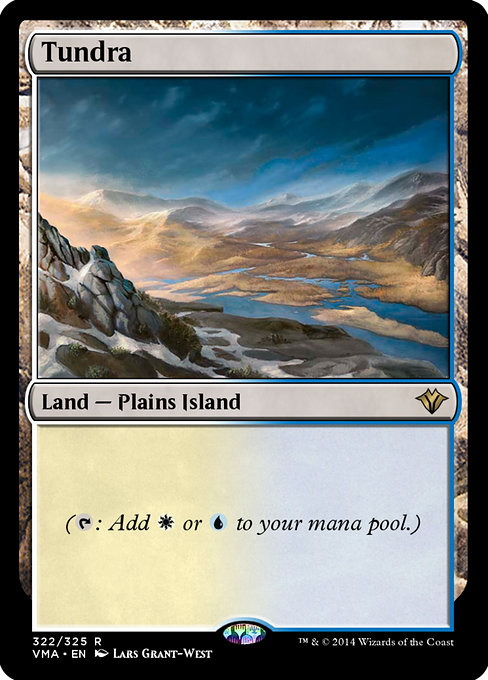
Tundra
-
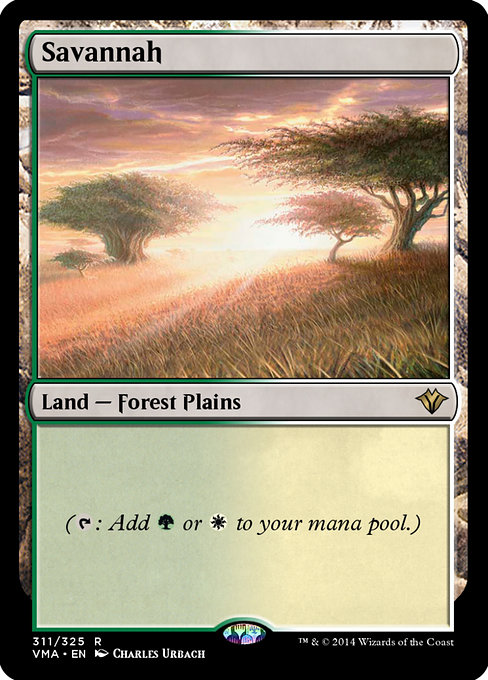
Savannah
-
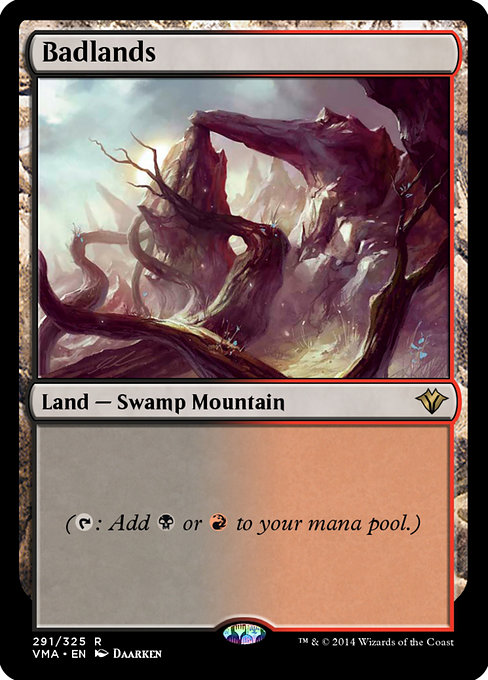
Badlands
-
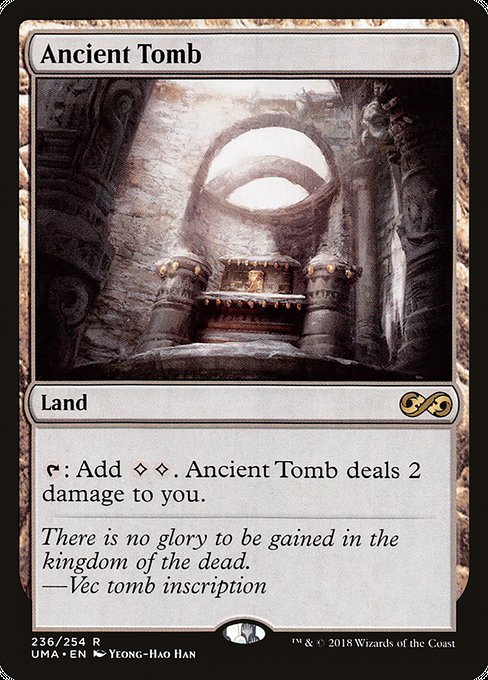
Ancient Tomb
Gameplay Summary
The game featured four competitive cEDH decks battling for control and victory through a mix of disruption, combo, and value generation.
Early on, Glarb's Sultai control deck established a Mystic Remora and sought card advantage and table policing with surveil while threatening to win with Thassa's Oracle or Aetherflux Reservoir loops.
Rograkh paired with Tevesh Szat deployed a punishing resource denial strategy involving Nether Void and Trinisphere, locking down opponents' mana and board development.
Meanwhile, Dargo/Reyhan aimed to leverage sacrifice outlets and recursion loops to generate infinite damage through Goblin Bombardment and Relic of Legends.
Najeela's deck played a more traditional aggressive combo style with multiple win conditions including Thassa's Oracle and Underworld Breach.