Deck & Commander Strategies

Thranduil, the Elvenking
Leverages elf tribal synergies and graveyard recursion, generating elf tokens via landfall and gaining activated abilities from elves in the graveyard to ramp, draw cards, and outvalue opponents.

Bard, King of Dale
Focuses on doubling card draws and token generation, aiming to build a slow but steady board presence and leverage legendary support to outlast opponents.

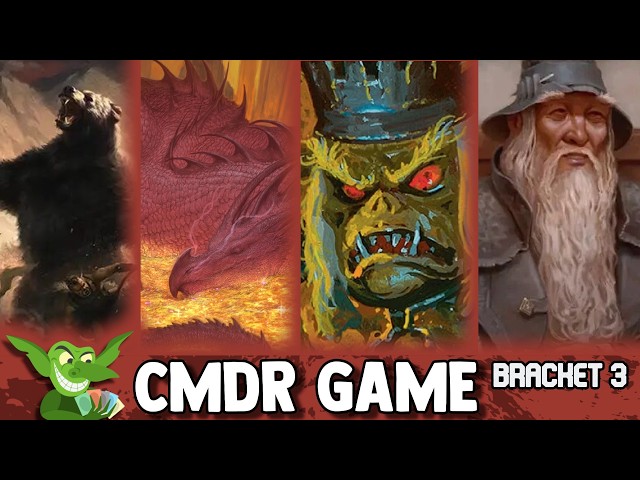
The Great Goblin
Goblin tribal deck that builds up counters for damage doubling, uses sacrifice outlets for incremental damage and card draw, and aims to overwhelm opponents with aggressive damage spikes.

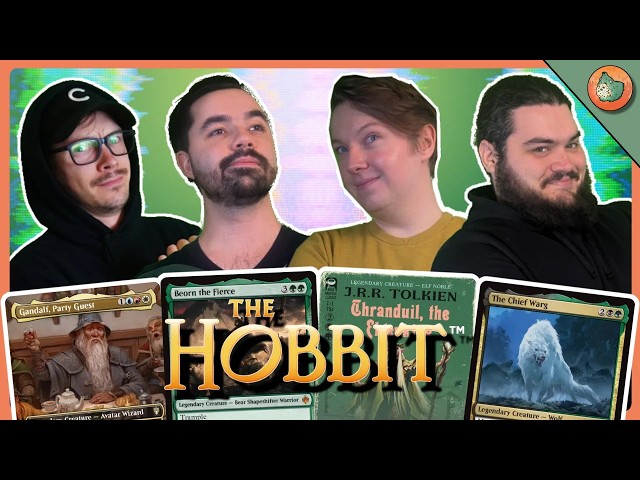
Gandalf, Party Guest
Wizard tribal deck centered on casting instants and sorceries to trigger damage and value from adventures, growing stronger as more wizards join the party and fueling aggressive spell-based damage.
Gameplay Insights
- 1
Thranduil's ability to gain all activated abilities of elves in the graveyard and draw cards when legendary elves enter the battlefield creates a powerful engine for ramp and card advantage.
- 2
Gandalf's Goblin's Bane synergizes well with noncreature spells, dealing incremental damage to all opponents and pressuring the board steadily.
- 3
The Great Goblin's sacrifice mechanic combined with damage doubling counters allows for recurring incremental damage and card draw, maintaining offensive momentum.
- 4
Players carefully manage their mana and creature deployment to maximize synergy triggers like landfall, tribal buffs, and spellcasting triggers, highlighting the importance of timing in the early to mid-game.
- 5
Token generation across multiple decks (elf tokens from Thranduil, treasures from Bard and goblins) creates a layered board state that demands careful removal and interaction.
Notable Cards
-

Elvish Mystic
-

Gandalf, Party Guest
-

Thranduil, the Elvenking
-

Arcane Signet
-
Morphic Pool
Gameplay Summary
The game begins with players establishing their mana bases and early board presence, each leveraging their commanders' unique abilities to set up their strategies.
Thranduil focuses on elf synergies, ramping with elves like Marwyn the Nurturer and generating tokens through landfall triggers.
Bard utilizes token generation and card draw, aiming for incremental advantages with his legendary support.
The Great Goblin builds a goblin-centric board with damage doublers and sacrifice outlets, looking to steadily chip away at opponents' life totals.
Gandalf Party Guest employs a wizard party theme, casting spells and adventuring to fuel damage and spellcasting benefits. Key turning points include Thranduil's deployment of his commander, which massively boosts his elf synergy by granting him all activated abilities of elves in his graveyard and drawing cards upon legendary elf entries, allowing him to massively grow his board state.
Meanwhile, Gandalf's Goblin's Bane continuously deals incremental damage to all opponents whenever noncreature spells are cast, pressuring the table.
The Great Goblin's use of sacrifice effects combined with damage triggers further escalates the damage output.
The interactions between Marwyn's counters and Thranduil's token production create a powerful engine.
These synergies culminate in heavy board development and escalating damage, setting the stage for a decisive push.
The game revolves around these escalating combat phases and synergistic value engines from elves, goblins, and wizards, with players aiming to outpace each other through incremental damage, card draw, and token creation.