

Deck & Commander Strategies
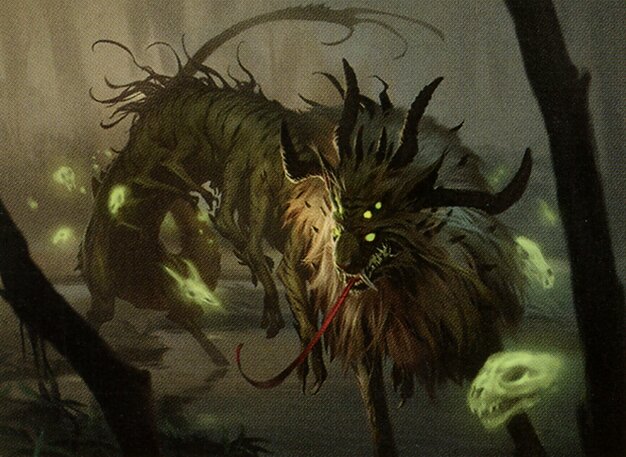
Nethroi, Apex of Death
Fill the graveyard rapidly with low-power creatures and lands, then reanimate them by mutating Nethroi to generate a large board presence through recursion.
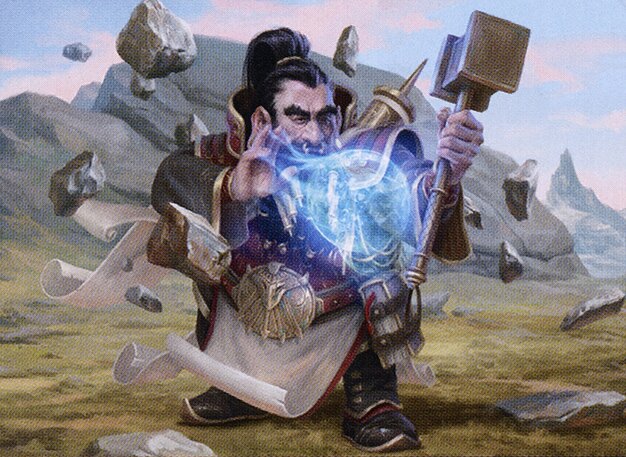
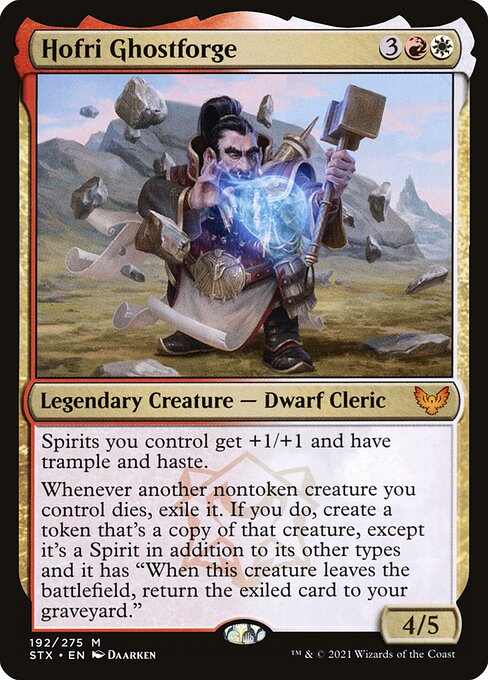
Hofri Ghostforge
Utilize white and red creatures that return from the graveyard with enhanced abilities like haste and trample, creating resilient threats that grow stronger through repeated death and reanimation.
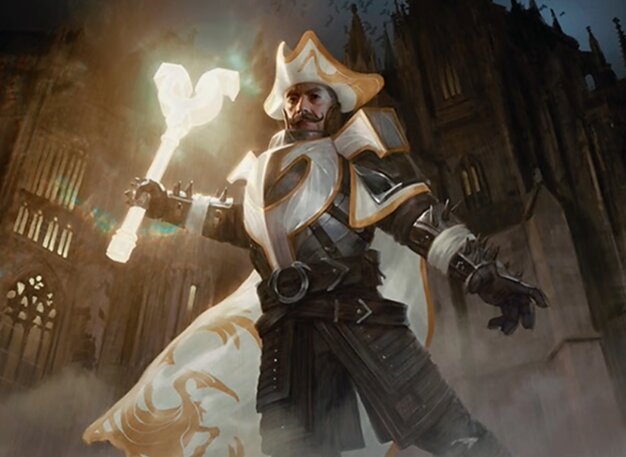
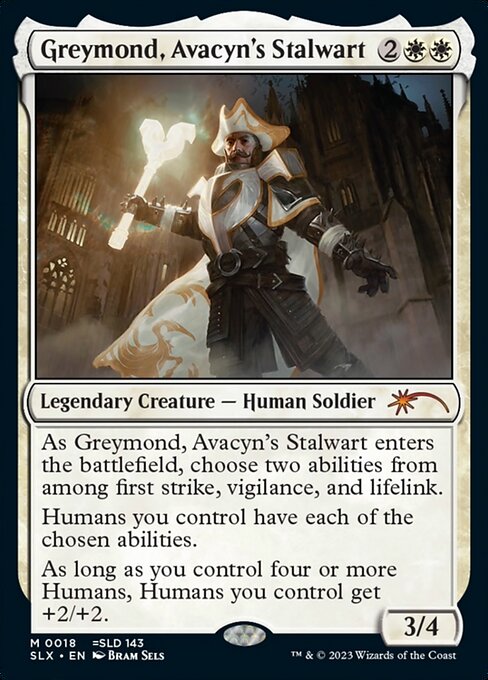
Rick, Steadfast Leader
Lead a fast mono-white humans deck that adapts by granting keywords such as first strike, vigilance, and lifelink to maximize aggressive potential and maintain board control.
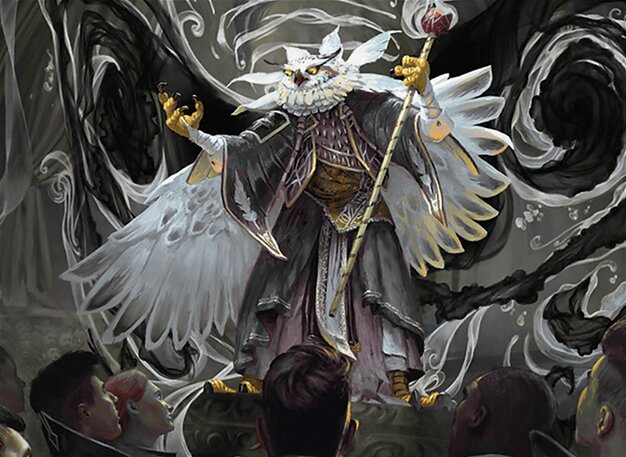
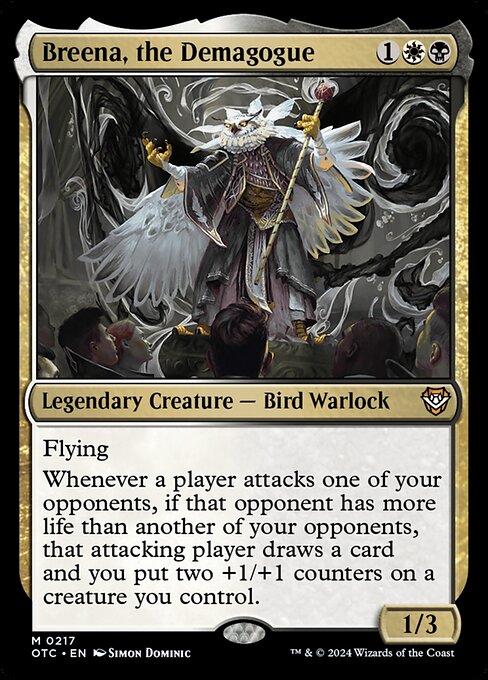
Breena, the Demagogue
Employ politics and goading to force opponents to attack each other while generating flying inkling tokens from combat, leveraging multiplayer dynamics to create indirect pressure and advantage.
Gameplay Insights
- 1
Players encountered and resolved ambiguities in new card wordings and multiplayer interactions by mutual agreement, highlighting the importance of table consensus in complex multiplayer games.
- 2
Breena's goad ability created multiple flying tokens during combat, increasing aerial threats and forcing opponents to consider multiple attack angles.
- 3
Rick's choice of lifelink and vigilance on his humans allowed for sustained aggression while maintaining defensive capabilities, demonstrating effective keyword synergy.
- 4
Nethroi’s graveyard filling and mutation strategy required careful timing and resource management to maximize reanimation value.
- 5
The presence of multiple aggressive decks led to early combat skirmishes that shaped board control and card advantage through triggered abilities and damage exchanges.
Notable Cards
-
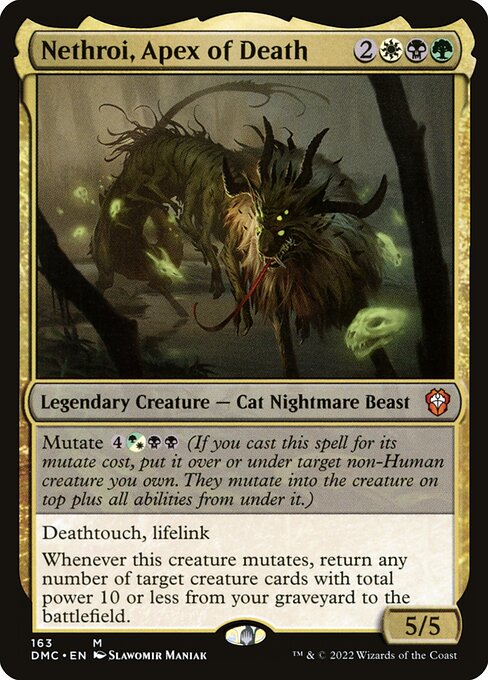
Nethroi, Apex of Death
-

Breena, the Demagogue
-

Hofri Ghostforge
-
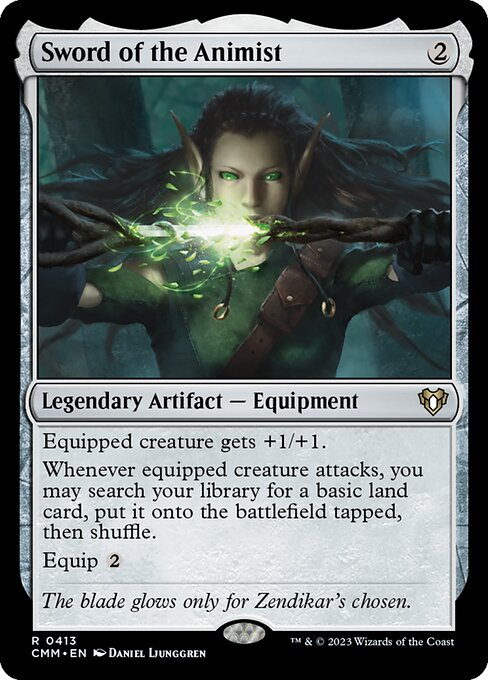
Sword of the Animist
-

Combat Calligrapher
-
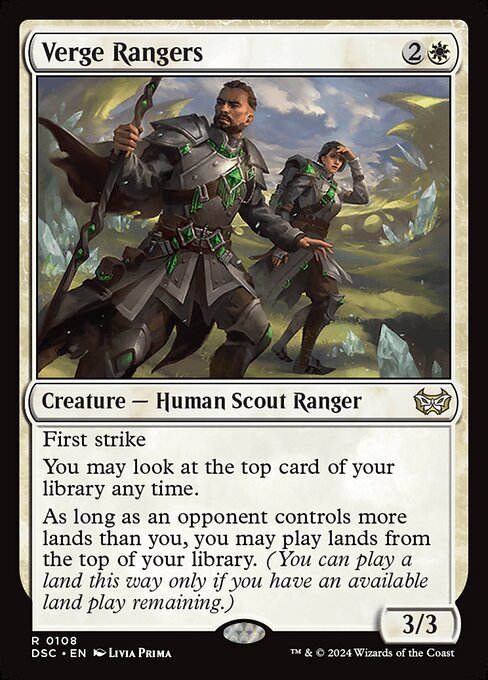
Verge Rangers
-
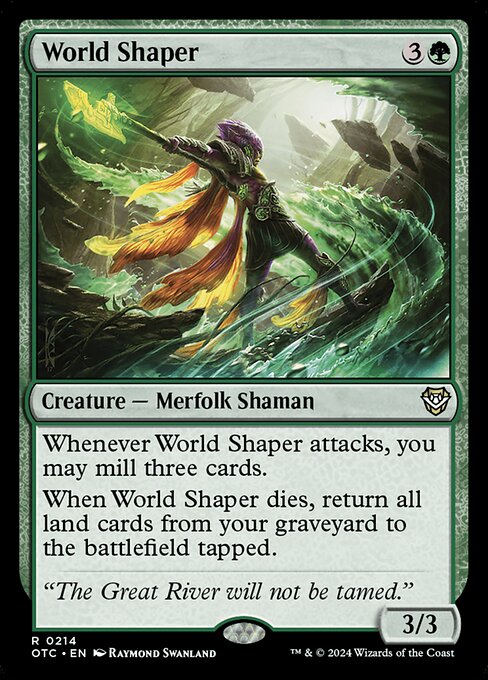
World Shaper
-

Solemn Simulacrum
Gameplay Summary
The game featured four distinct Commander decks with varied strategies, leading to an engaging early- to mid-game interaction.
Nethroi, Apex of Death focused on quickly filling the graveyard with low-power creatures and then reanimating them by mutating Nethroi, aiming to overwhelm opponents through recursion and graveyard synergy.
Hofri Ghostforge leveraged white and red creatures that repeatedly return from the graveyard, gaining haste and trample to apply pressure and generate value with their death triggers.
Rick, Steadfast Leader led a mono-white humans deck built for fast aggression and adaptability, using keyword-granting abilities to buff the team and maintain board presence.
Breena, the Demagogue encouraged political play and goading, forcing opponents to attack each other while generating flying inkling tokens from combat interactions, applying indirect pressure and leveraging multiplayer dynamics. Early turns saw players developing their board states and establishing threats, with incremental damage exchanges and card draw triggers from combat and abilities.
Key moments included combat where Breena's goad ability created multiple flying tokens, adding aerial presence, and Rick's aggressive humans benefiting from lifelink and vigilance, boosting his board's resilience.
Nethroi’s graveyard filling began taking shape with creatures and lands cycling into the graveyard, setting up for a potent reanimation turn.
The game also included some rules clarifications and misinterpretations around Breena's triggers and combat interactions, which the players agreed to resolve by consensus.
The interplay of aggressive strategies, graveyard recursion, and political pressure shaped the evolving board state and player priorities.


![This Time, It's Personal! [Commander VS] | Magic: the Gathering Commander Gameplay thumbnail](https://i.ytimg.com/vi/VibCoKEPrWU/sddefault.jpg)


