


Deck & Commander Strategies
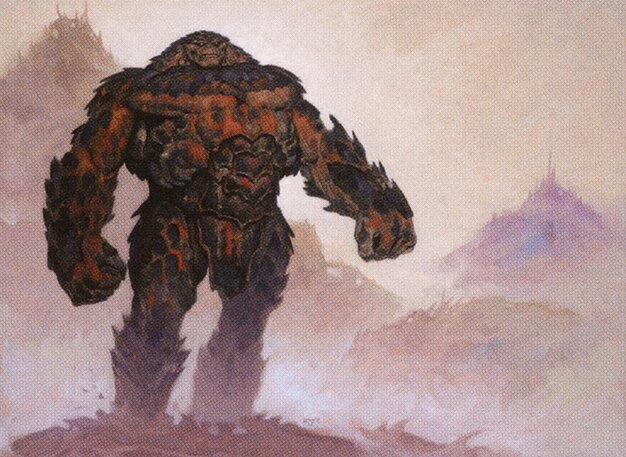
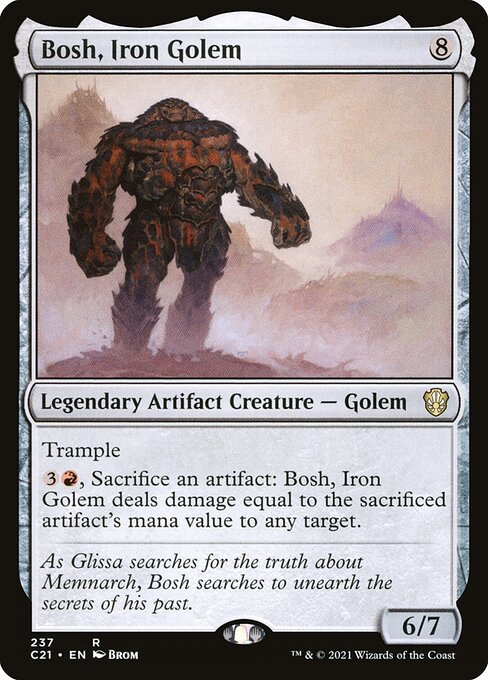
Bosh, Iron Golem
A mono-red ramp deck focused on assembling Tron lands quickly to cast large threats and control the board by becoming the archenemy.
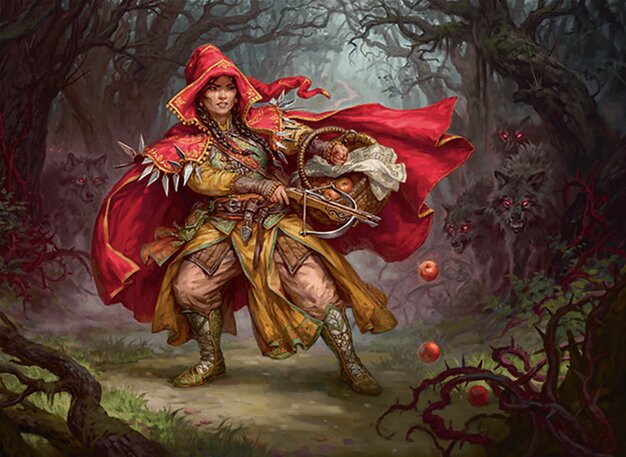
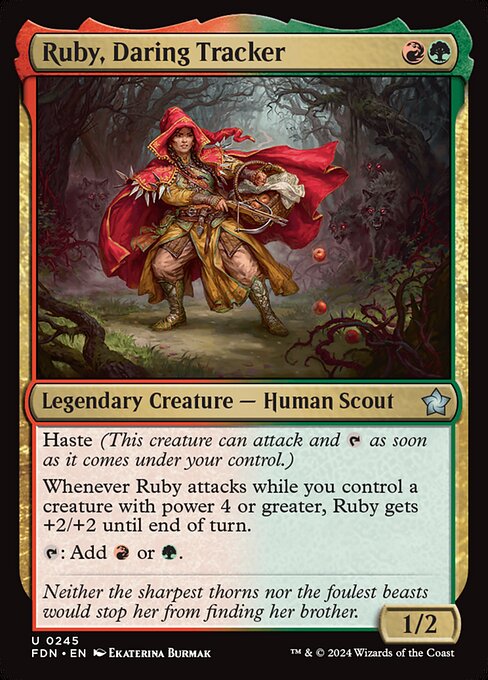
Ruby, Daring Tracker
A cascade-centered deck built around explosive mana generation and chaining cascade spells to generate overwhelming mana and board presence.

Yuna, Grand Summoner
A Bant deck utilizing +1/+1 counters and token synergies to build a resilient board, leveraging creatures entering with counters and redistributing counters upon death.
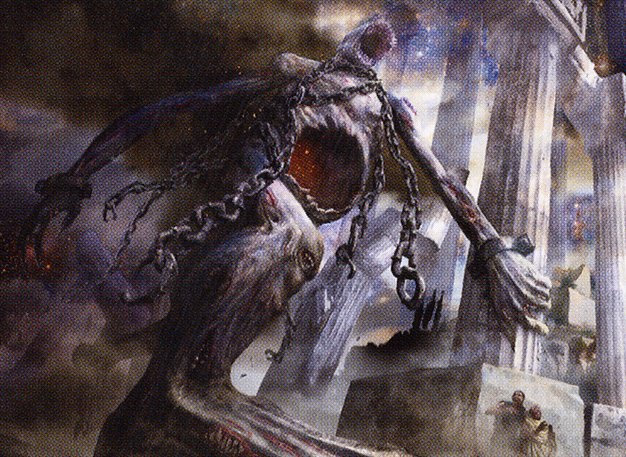
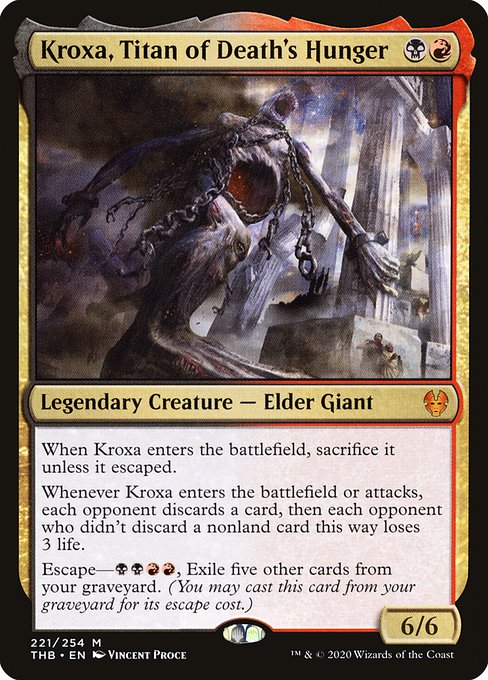
Kroxa, Titan of Death's Hunger
A Rakdos commander focused on hand disruption and dealing damage to all opponents by forcing discards and life loss, applying early pressure with haste and discard triggers.
Gameplay Insights
- 1
Early deployment of mana ramp and mana rocks was critical to accelerate into powerful plays and maintain tempo.
- 2
Goblin Welder was used strategically to manipulate artifacts, enabling reuse of key artifact effects or disruption.
- 3
Cascade spells allowed the Ruby deck to chain multiple spells together, generating large mana advantage and threatening to overwhelm opponents quickly.
- 4
The Bant deck's synergy with +1/+1 counters and redistribution upon death helped maintain board presence despite removal or combat losses.
- 5
Rakdos commander’s discard effects effectively disrupted opponents’ hands while dealing incremental damage, forcing reactive plays.
- 6
Players balanced ramp and aggression carefully, with some choosing to become the archenemy and others focusing on disrupting or stabilizing the board.
Notable Cards
-
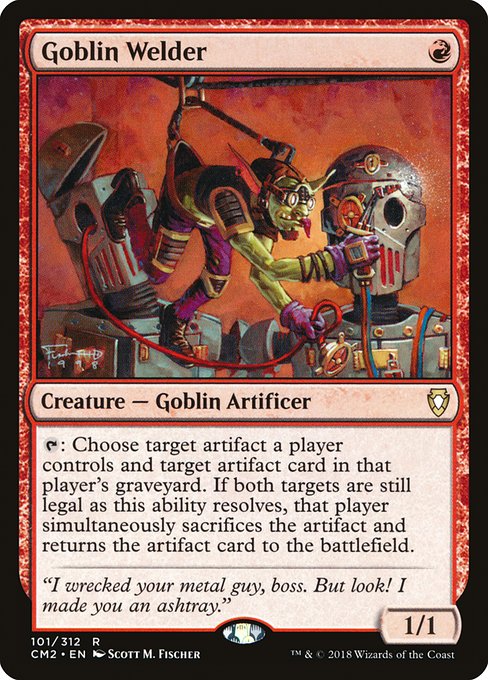
Goblin Welder
-
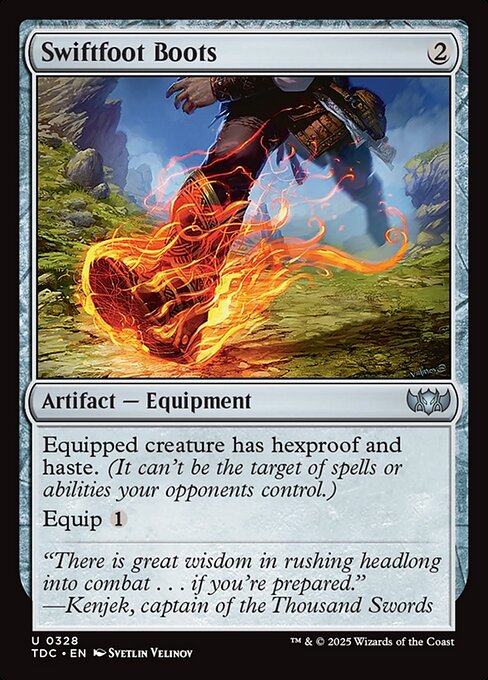
Swiftfoot Boots
-
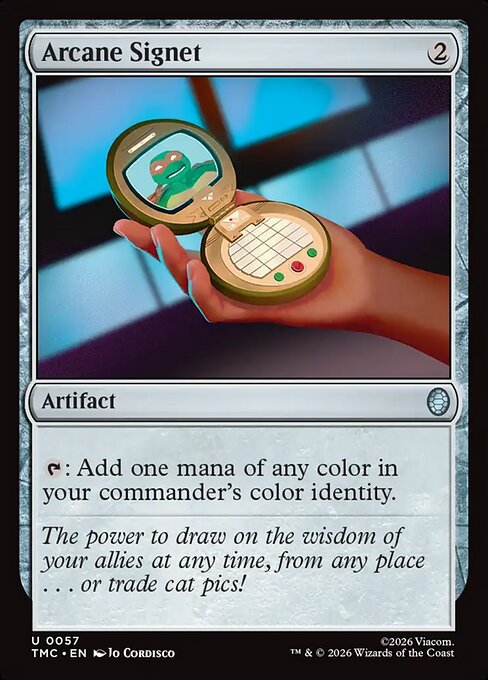
Arcane Signet
-
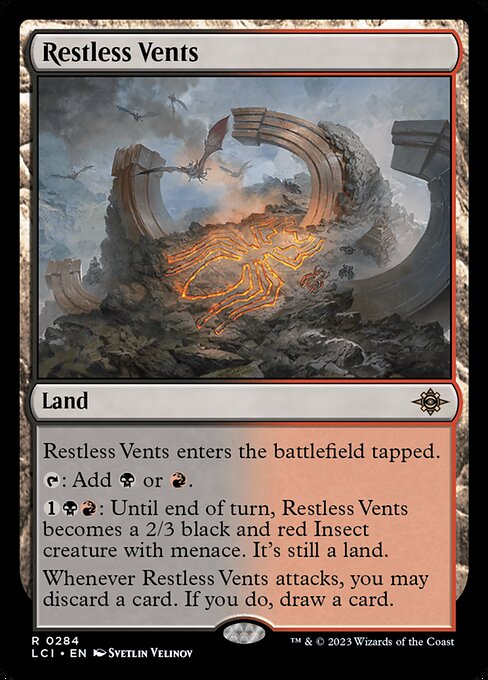
Restless Vents
Gameplay Summary
The game featured four players piloting distinct decks with varied strategies, setting the stage for a dynamic Commander match.
Early turns focused heavily on mana ramp and board development, with players deploying ramp spells, mana rocks, and creature lands to accelerate their game plans.
The mono-red Tron deck aimed to quickly assemble its lands and dominate with big threats, while the cascade-centered deck sought explosive mana generation and value through consecutive cascade spells.
The Bant deck leveraged +1/+1 counters and token synergies to build a resilient board state, and the Rakdos commander applied pressure by forcing opponents to discard cards and lose life, disrupting their hands and plans. Key turning points included the deployment of Goblin Welder to manipulate artifacts, and early aggressive plays that tested defenses, such as the Rakdos commander attacking with haste.
The cascade deck's ability to chain into spells created significant mana advantage, while the Bant deck's counter redistribution effects helped sustain its creatures.
The game unfolded as a contest between ramp acceleration and disruptive aggression, with players jockeying for control through resource management and tactical plays.
Ultimately, the interaction between continuous ramp, cascade sequences, and hand disruption defined the pace, with the match’s outcome hinging on who could best leverage their board presence and mana development.


![Commander VS S6E1: Vorel vs Ghost Council of Orzhova vs Bosh vs Varolz [MTG] thumbnail](https://i.ytimg.com/vi/mFRQJMI6GOc/sddefault.jpg)
![Commander VS S4E5: Rakdos vs Geist vs Bosh vs Wrexial [MtG: Multiplayer] thumbnail](https://i.ytimg.com/vi/u4s3IlCLlpk/sddefault.jpg)


