

Deck & Commander Strategies

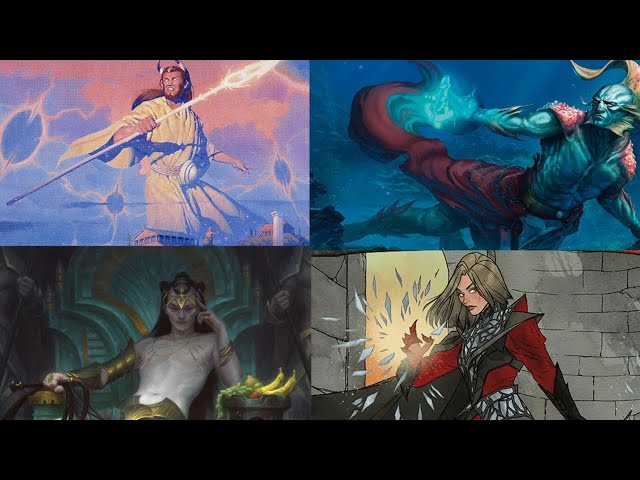
Oswald Fiddlebender
Uses artifact flicker to repeatedly reuse enter-the-battlefield effects on artifacts, generating card advantage and assembling combos to overwhelm opponents.
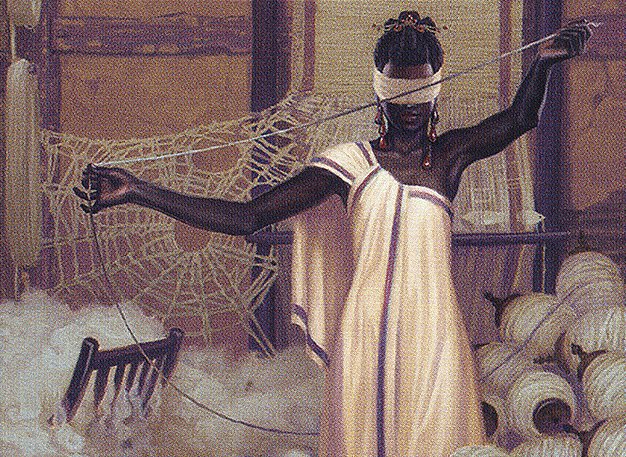
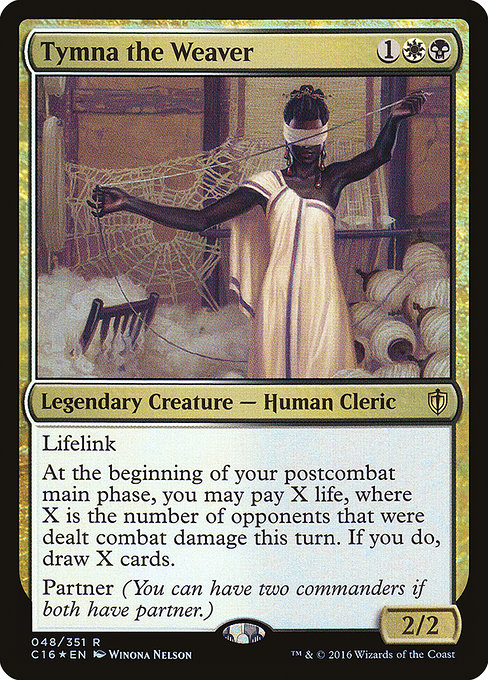
Tymna the Weaver
Leverages evasive creatures and card draw from combat damage to maintain hand advantage and apply pressure.
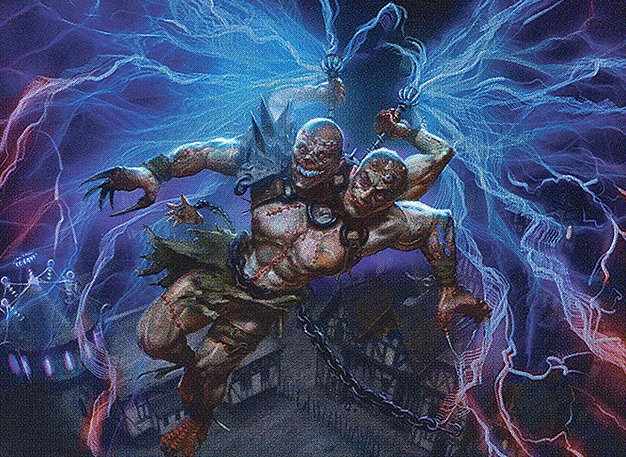
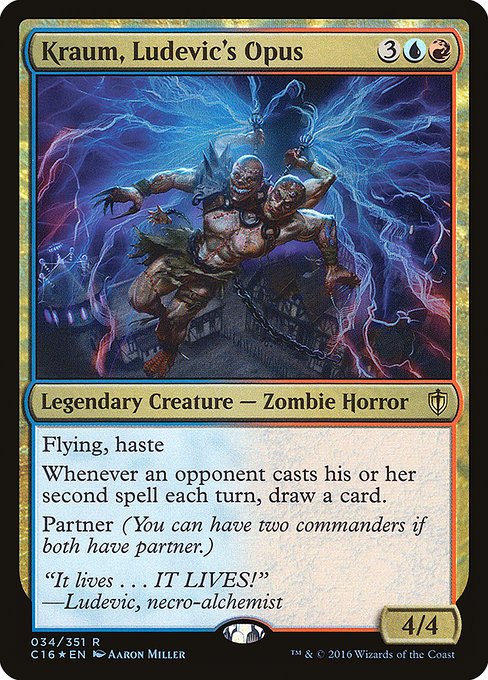
Kraum, Ludevic's Opus
Combines card draw and damage dealing through combat damage triggers while supporting aggressive tempo plays.

Nick Fury, Agent of S.H.I.E.L.D.
Utilizes artifact synergies and disruptive plays to control the board and generate incremental advantage.

Heliod, the Radiant Dawn // Heliod, the Warped Eclipse
Focuses on efficient creature deployment and enchantment synergies to control the board and gain incremental value.
Gameplay Insights
- 1
Oswald’s strategy to flicker Soul Ring multiple times in a single turn to draw several cards was a key turning point that accelerated his game plan.
- 2
Players used early disruption such as Swan Song and Ethersworn Canonist to slow down artifact combos, but Oswald managed to maintain momentum through artifact recursion.
- 3
The political dynamics included players choosing when to intervene or hold back, especially wary of Oswald’s artifact combos gaining too much traction.
- 4
The use of Intuition to search for critical cards like Savines, Cursed Totem, and Deadly Rollick showed the emphasis on disruption and control to manage opponents’ strategies.
Notable Cards
-

Oswald Fiddlebender
-
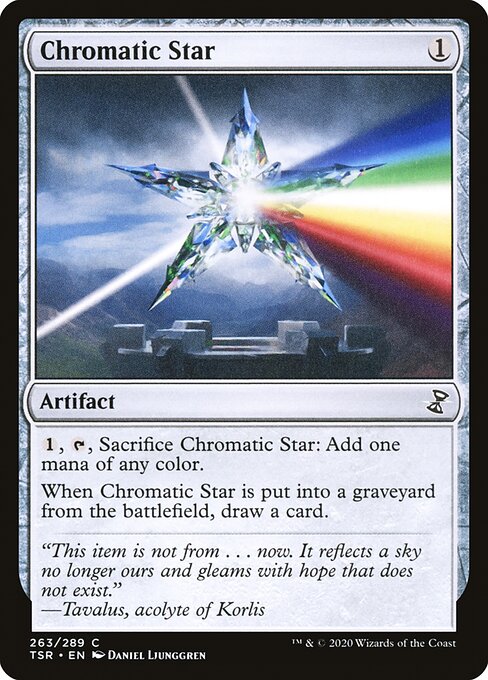
Chromatic Star
-

Lightning Greaves
-

Metalworker
-

Ethersworn Canonist
-
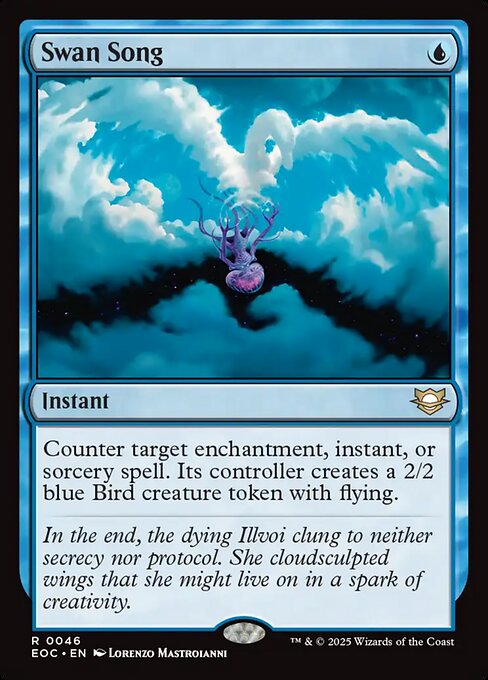
Swan Song
-

Intuition
-

Archivist
-
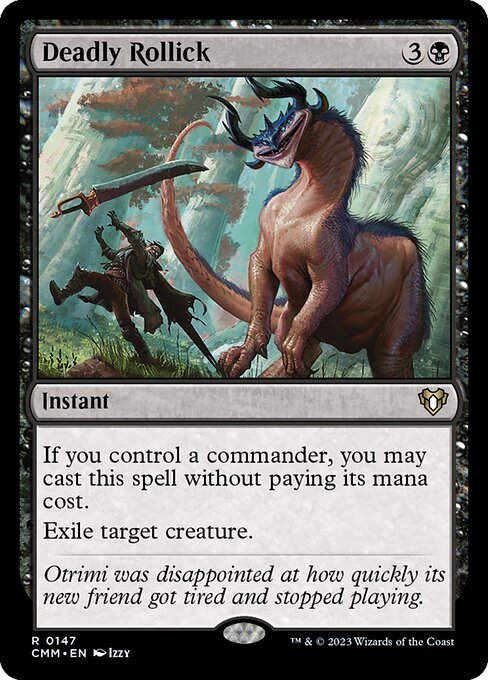
Deadly Rollick
-

Cursed Totem
Gameplay Summary
The game began with a relatively slow early development, with players focusing on ramp and setting up their board states.
Oswald Fiddlebender quickly established his presence by casting his commander and leveraging his ability to flicker artifacts like Soul Ring, generating significant card advantage early on.
This put pressure on the other players, especially as he assembled artifact-based combos with cards like Metalworker and Lightning Greaves attached to creatures like Murderous Mimic.
Meanwhile, the other players tried to stabilize and develop their boards, with Nick Fury and Heliod deploying efficient creatures and artifact synergies.
Tymna and Kraum also contributed to the dynamic by generating card draw and applying pressure through evasive creatures and disruption. A pivotal moment came when Oswald successfully copied his Soul Ring’s effect multiple times in a turn, drawing four cards and enabling him to assemble a threatening board state quickly.
The other players attempted to slow Oswald down with counterspells and disruption like Swan Song and Ethersworn Canonist, but Oswald’s artifact recursion and flicker effects proved resilient.
The game featured notable political tension, with players wary of Oswald’s growing advantage, but also balancing aggression among each other.
The match continued with players carefully choosing their plays to manage threats, culminating in Oswald advancing towards a combo finish leveraging his artifact synergies and flickering ability to overwhelm opponents with card advantage and board presence.