

Deck & Commander Strategies
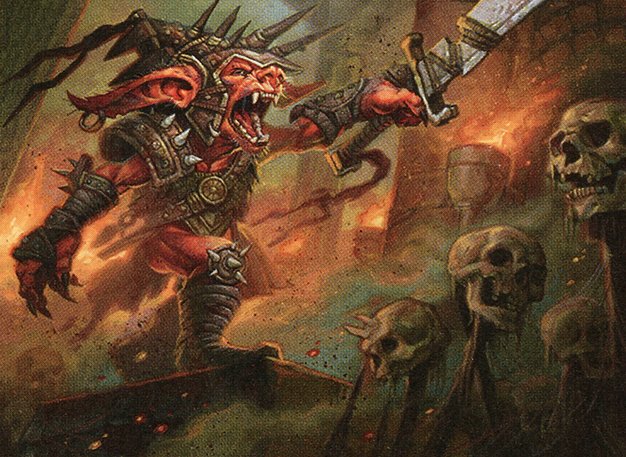
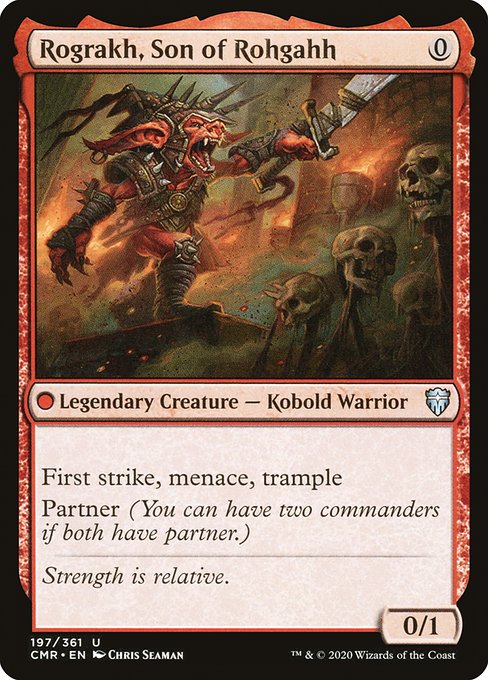
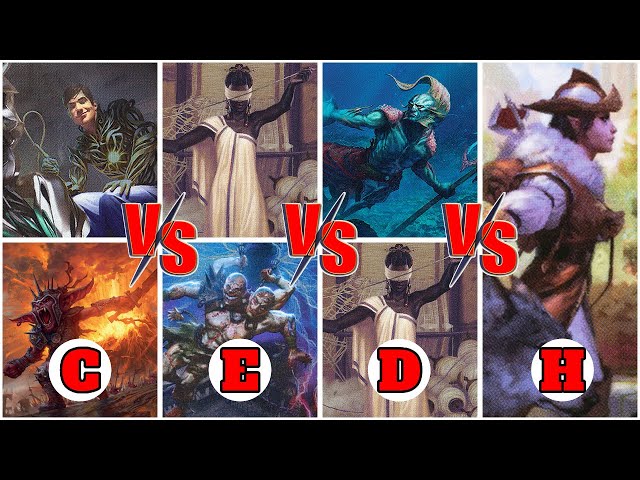
Rograkh, Son of Rohgahh
A Gruul-based aggro-combo deck focusing on efficient creature-based damage and leveraging Rograkh's ability to generate value through combat and sacrifice effects.

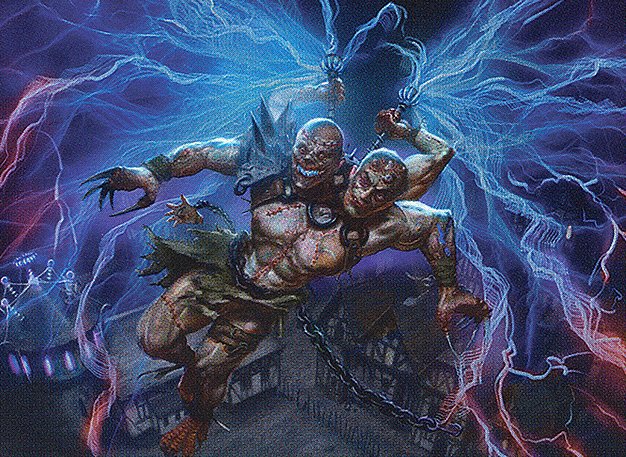
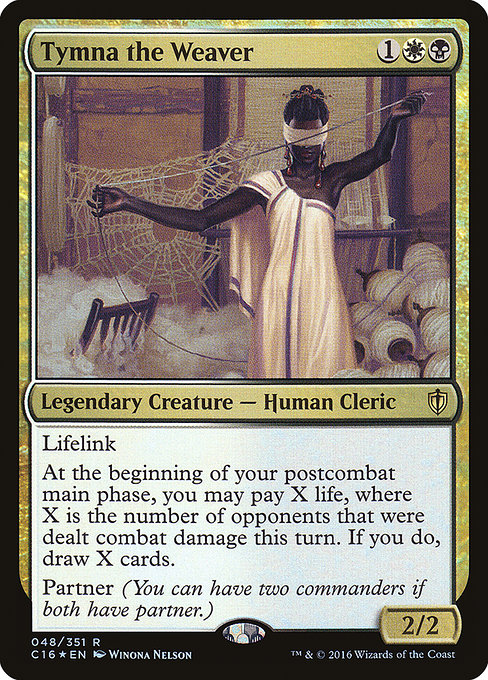
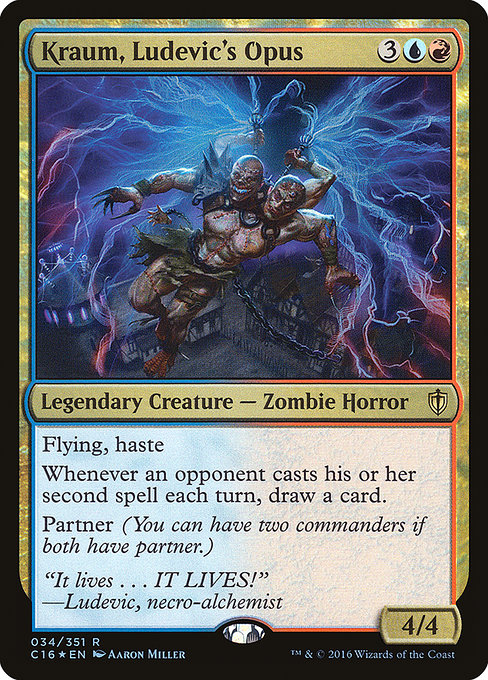
Tymna the Weaver / Kraum, Ludevic's Opus
A Grixis midrange/control deck that uses card draw and disruption to control the board while leveraging Tymna's card advantage and Kraum's aggressive abilities to close the game.

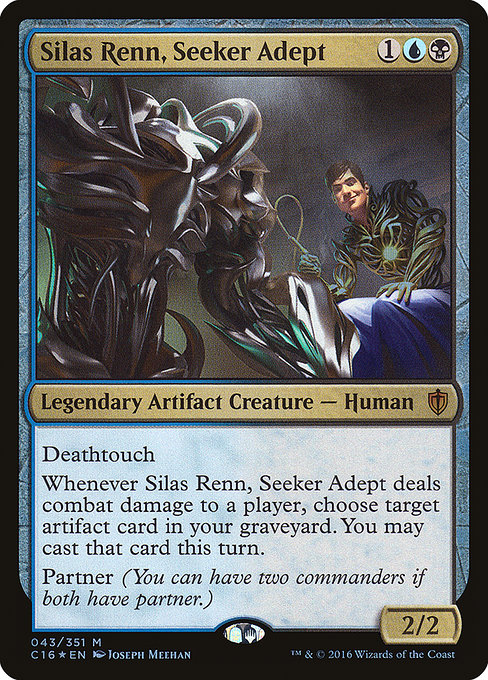
Silas Renn, Seeker Adept
A artifact-centric deck focused on recursion and value generation through Silas Renn's ability to reanimate artifacts and generate board presence.
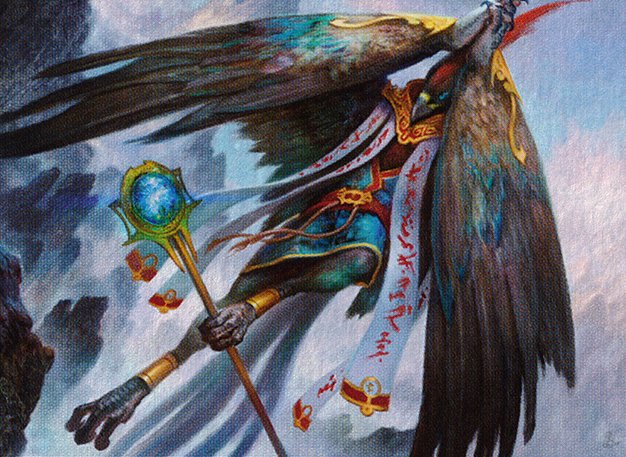
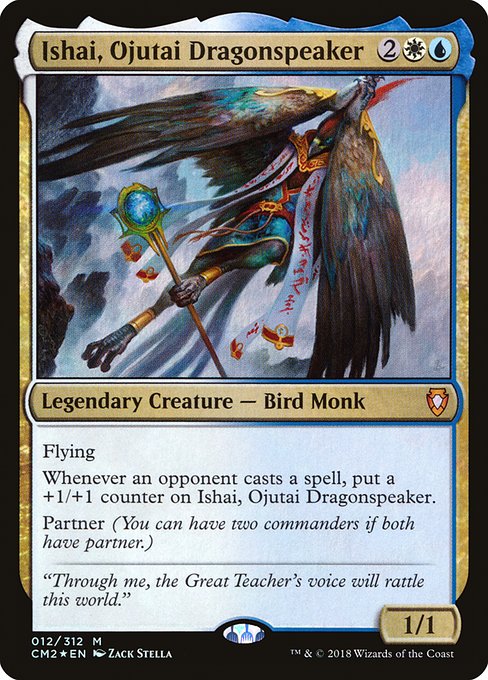
Ishai, Ojutai Dragonspeaker
A Bant-style pillow fort or voltron deck that uses Ishai as a growing threat through combat experience and protection elements to outlast opponents.

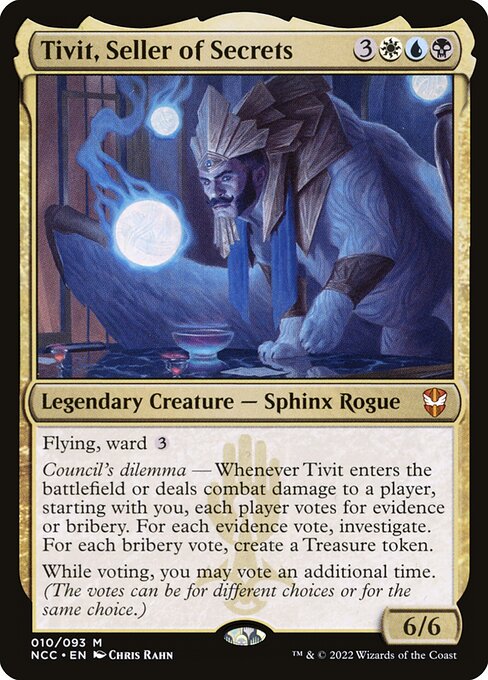
Tivit, Seller of Secrets
A blue control/value deck that leverages Tivit's ability to generate card advantage and disrupt opponents through spells and interaction.
Gameplay Insights
- 1
Allowing a Rhystic Study to resolve early granted significant card advantage that shaped midgame decisions.
- 2
Negotiating to let a player draw five cards in exchange for holding back non-creature spells was a key moment to manage board state and tempo.
- 3
Bluffing about having Mental Misstep influenced opponents' responses and counterspell usage.
- 4
Players used mana acceleration artifacts like Mana Vault and Soul Ring effectively to increase casting options and pressure.
- 5
Priority passing and clear communication about spell resolution helped maintain game flow and strategic interactions.
Notable Cards
-
Rograkh, Son of Rohgahh
-
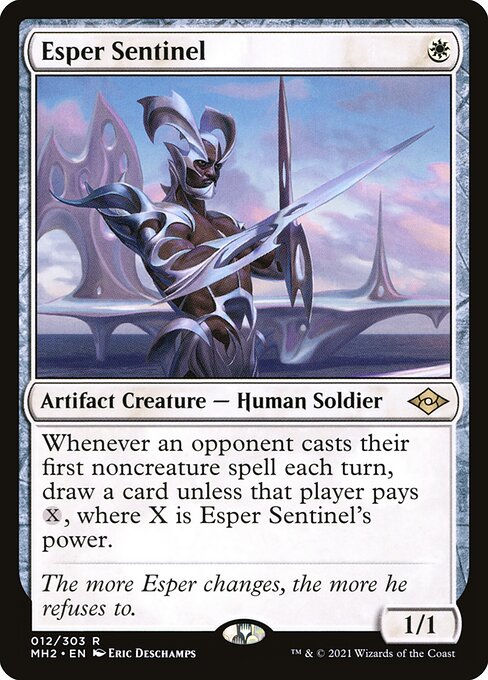
Esper Sentinel
-
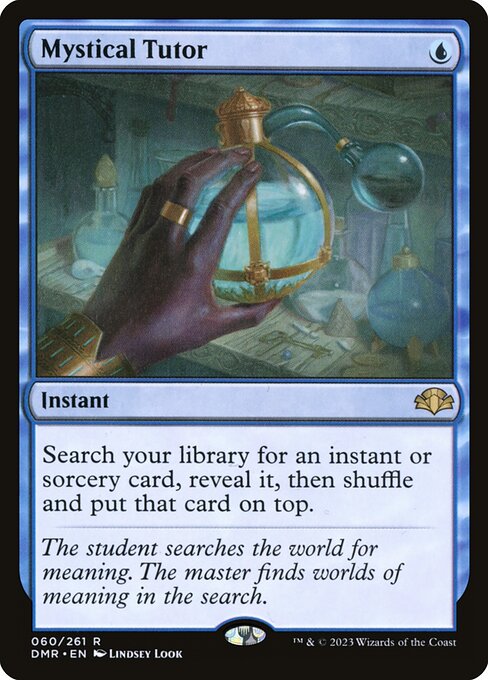
Mystical Tutor
-
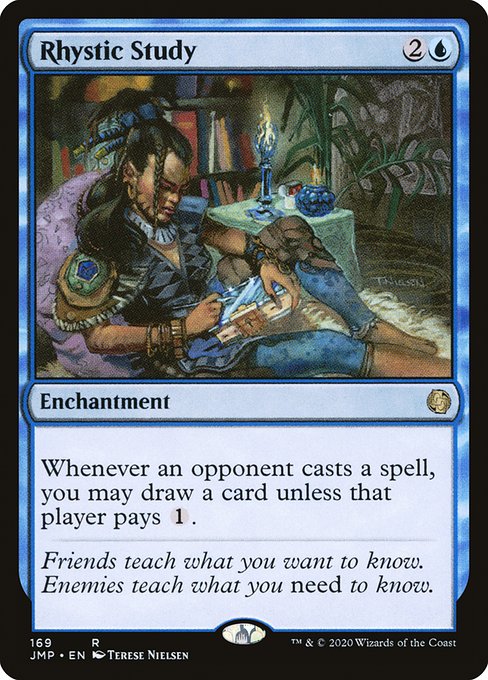
Rhystic Study
-
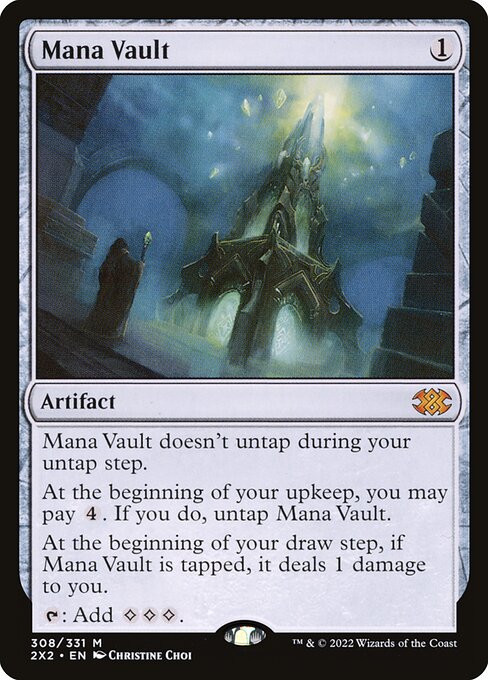
Mana Vault
-
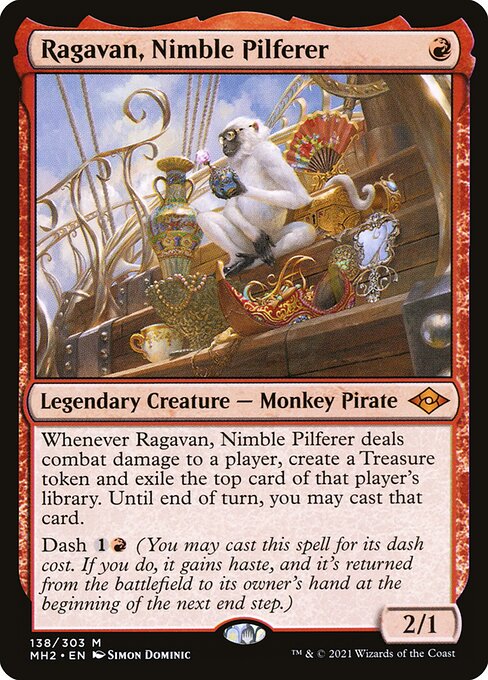
Ragavan, Nimble Pilferer
Gameplay Summary
The game began with players establishing their mana bases and early board presence, featuring key plays such as casting Rograkh and deploying creatures like Chromox and Esper Sentinel to set up their strategies.
Early interaction included counter spells and tutors, with a significant moment revolving around a Mystical Tutor and a refusal to counter a subsequent Rhystic Study, which allowed one player to build card advantage.
Another pivotal moment was a negotiation to allow a player to draw five cards in exchange for not casting additional non-creature spells that turn, which helped them refill their hand and maintain pressure.
Throughout the midgame, players carefully managed resources like Mana Vault and Soul Ring to accelerate mana and card draw, while facing threats like Ragavan and Bowmaster that demanded careful combat and removal decisions.
The game involved bluffing and strategic priority passes that shaped the flow of spells and counters, with the players balancing aggression and resource development.









![Necropotence v One Ring: who needs life? [S2G2] TIVIT v NAJEELA v ROG/SI v KRARKASHIMA thumbnail](https://i.ytimg.com/vi/AbWVe3oZO5Q/sddefault.jpg)