

Deck & Commander Strategies

Princess Yue
Leverages complex layering rules by transforming into a land named Moon upon dying, enabling recursion and unique interactions that disrupt opponents and generate long-term value.
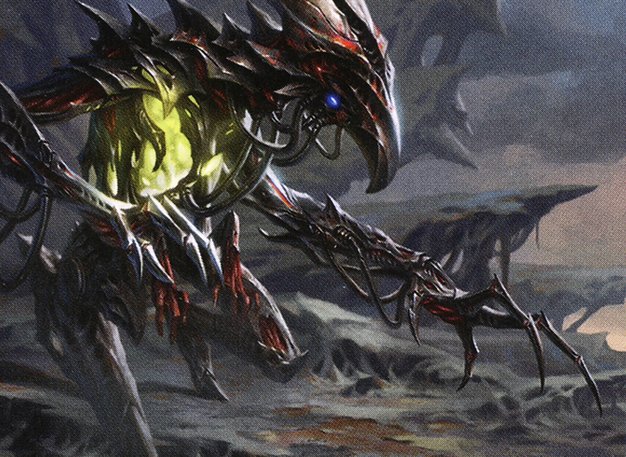
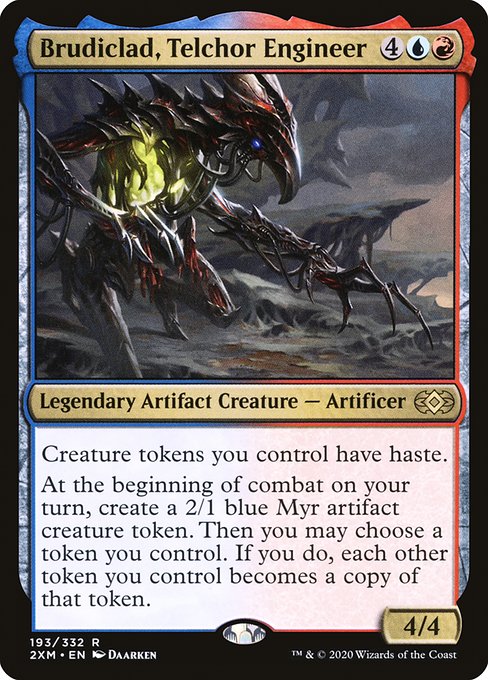
Brudiclad, Telchor Engineer
Focuses on creating and transforming tokens, turning lizards into auras and then equipment, confusing opponents with unusual layering and incremental board development.
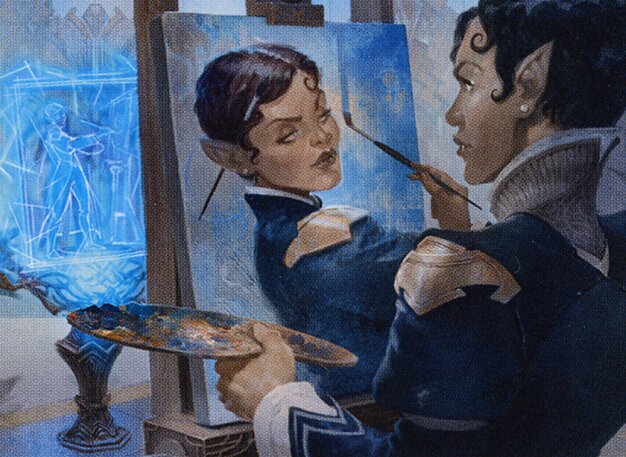
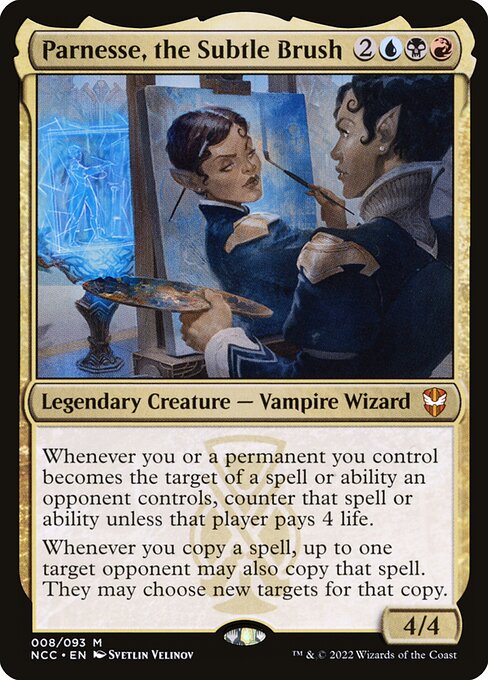
Parnesse, the Subtle Brush
Copies spells played by all players to create awkward game states and potential combos, aiming to leverage these interactions for advantage without a straightforward win condition.
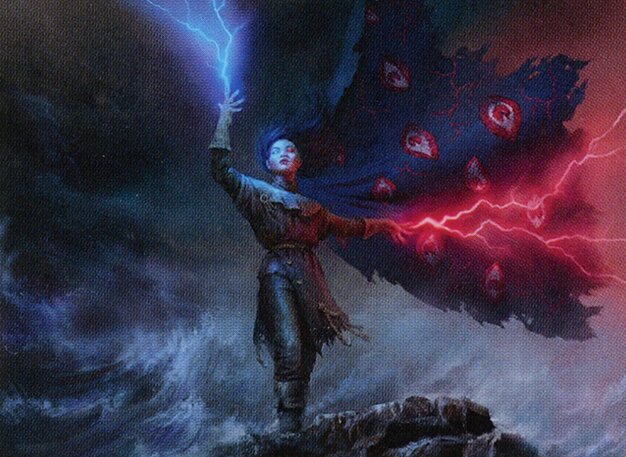
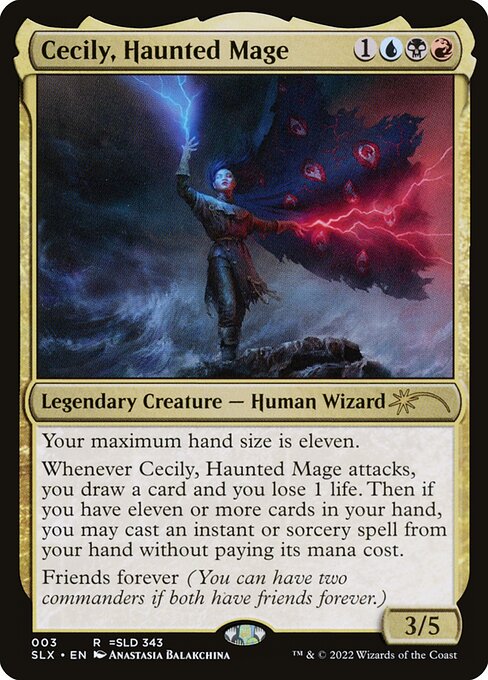
Cecily, Haunted Mage
Utilizes clues and investigating mechanics to draw cards and control the board, with a slower but value-oriented approach that pressures opponents incrementally.
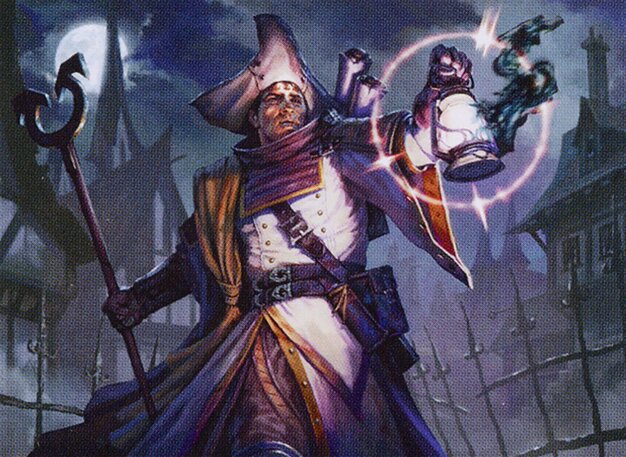
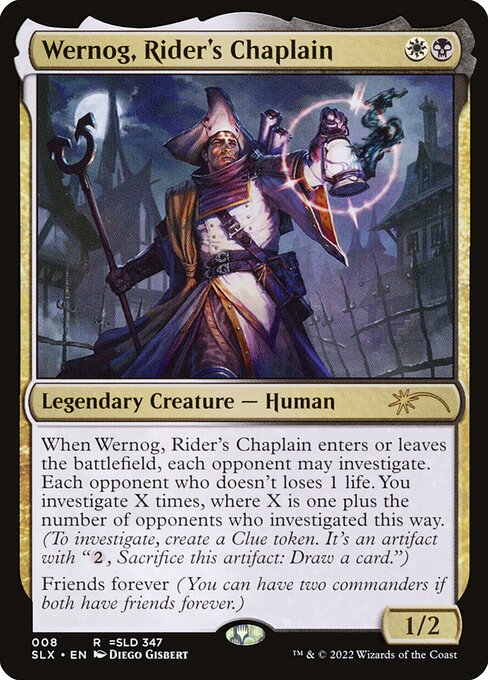
Wernog, Rider's Chaplain
Generates clues and life loss triggers on entering and leaving the battlefield to draw cards, supporting a janky but card-advantage focused plan.
Gameplay Insights
- 1
Utilizing Princess Yue’s transformation into a land creates unique layering interactions that can generate long-term board advantage and complicate rules enforcement.
- 2
Generating and cracking clues multiple times helped players maintain card advantage and incremental value throughout the game.
- 3
Playing Geomancer's Gambit as land destruction that replaces itself with card draw allowed tempo maintenance while disrupting opponents’ mana bases.
- 4
The use of Wernog, Rider's Chaplain to force opponents to investigate or lose life created a subtle but effective card draw engine.
- 5
The strategic choice to not block certain creatures to preserve tempo demonstrated careful risk assessment in a multiplayer environment.
- 6
Fable the Mirror Breaker’s token and treasure generation supported mana acceleration and board presence, making it a strong value card in the mid-game.
Notable Cards
-
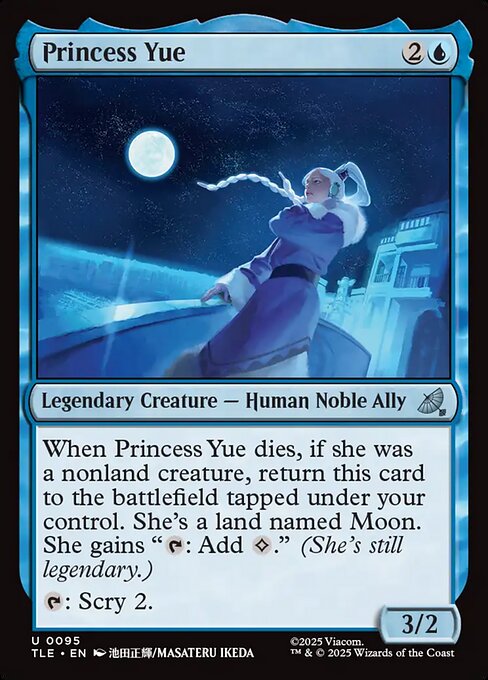
Princess Yue
-
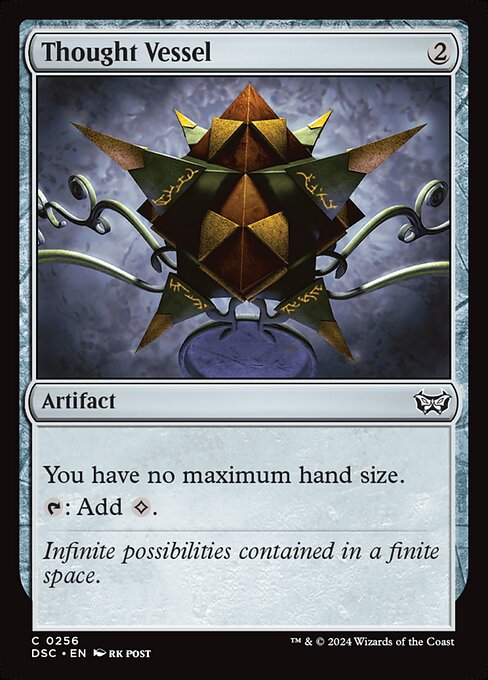
Thought Vessel
-

Command Tower
-
Wernog, Rider's Chaplain
-
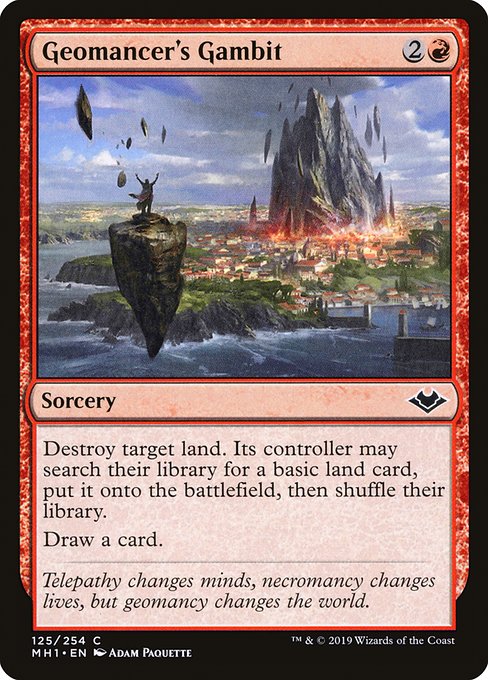
Geomancer's Gambit
-
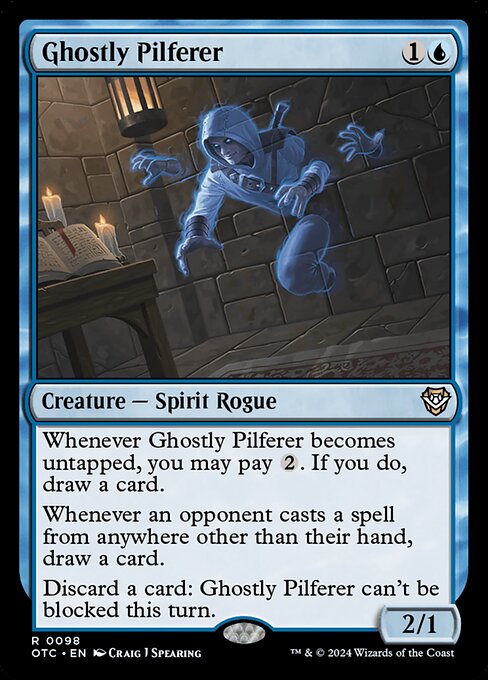
Ghostly Pilferer
-
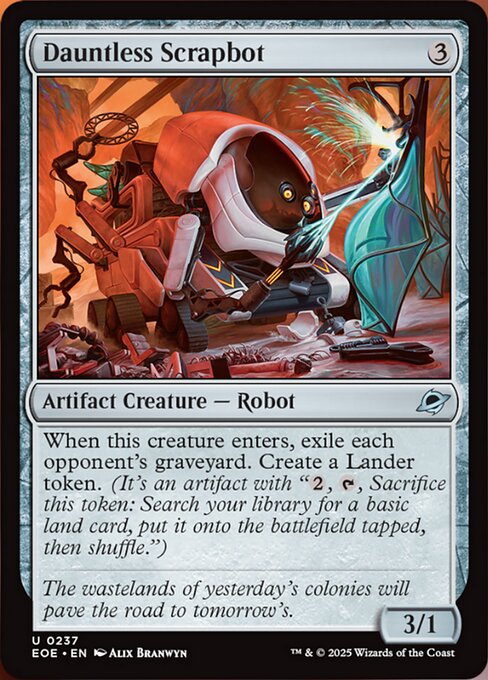
Dauntless Scrapbot
Gameplay Summary
The game began with players establishing their mana bases and setting up early ramp and utility pieces such as Thought Vessel, Command Tower, and various lands that interact with their decks’ strategies.
Early turns were marked by cautious plays, with some players generating clues and investigating mechanics to set up card draw engines.
A significant turning point came when Princess Yue was played, a unique card that transforms into a land named Moon when it dies, showcasing layered and unusual interactions that created complex board states.
This card’s recursion and utility set the tone for the game’s intricate interactions. Throughout the mid-game, players leveraged their commanders and synergistic cards to generate tokens, ramp mana, and draw cards.
Wernog, Rider’s Chaplain was notably used to generate clues and life loss to opponents, providing card advantage.
The deck piloted by Seth aimed to confuse opponents by turning lizards into auras and then equipment, exploiting layers and card types in a novel way.
Morgan’s deck focused on copying spells to create awkward board states and potential game-breaking combos.
The game featured strategic land destruction spells like Geomancer's Gambit that functioned similarly to Ramp Growth but with added card draw, maintaining tempo while disrupting opponents. The gameplay was rich with unusual layering interactions, including artifact cloning, land transformation, and complex recursion.
Players navigated these interactions with careful timing, using clues and investigating to gain incremental advantages.
The game also highlighted the power of cards like Fable the Mirror Breaker to generate tokens and treasures, supporting mana acceleration and board presence.
Ultimately, the game revolved around exploiting these layered effects and incremental advantages to outvalue opponents, with the unique commanders driving highly interactive and judge-challenging board states.


![Juri Aristocrats vs. Eleven & Will [Duel Commander-EDH] - Magic: The Gathering thumbnail](https://i.ytimg.com/vi/7s_bqTkh8x4/sddefault.jpg)


![Commander VS S14E4: Hallar VS Kambal VS Brudiclad VS Ob Nixilis [EDH] thumbnail](https://i.ytimg.com/vi/jRld6Avk_R0/sddefault.jpg)


