

Deck & Commander Strategies

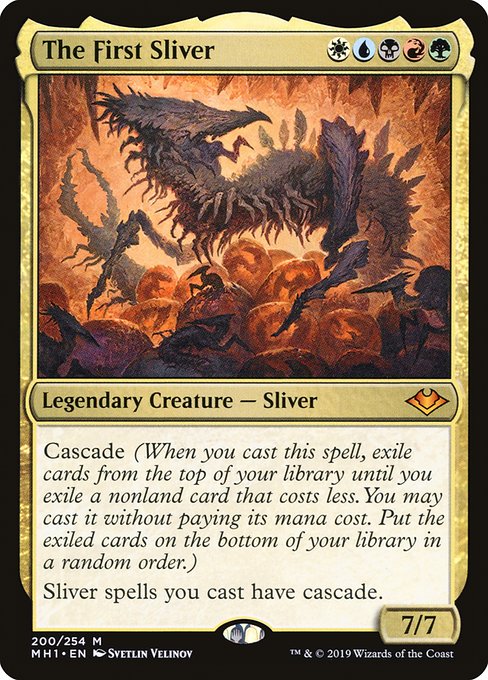
The First Sliver
Utilize cascade on sliver spells to chain cast multiple creatures and spells for value, creating a wide board of synergistic slivers that overpower opponents.

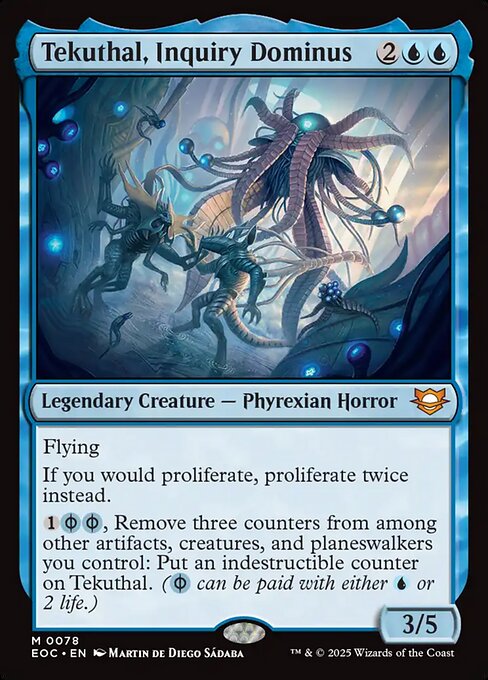
Tekuthal, Inquiry Dominus
Focus on proliferate to accumulate charge, loyalty, and counter types on permanents, generating incremental advantage and control through counters.

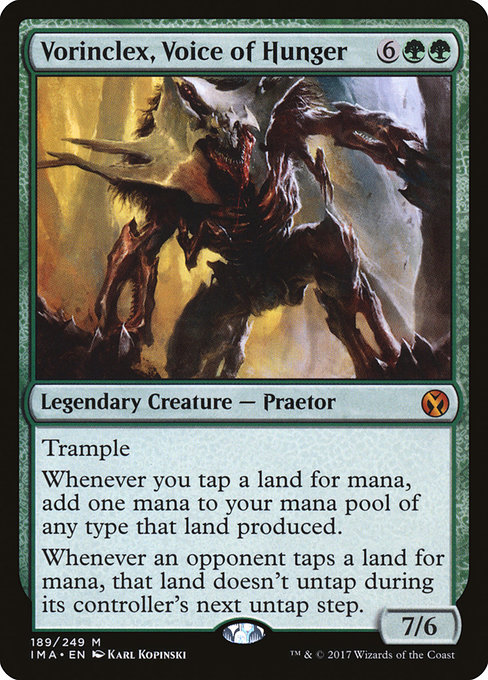
Vorinclex, Voice of Hunger
Stun opponents' lands to disrupt their mana while generating extra mana for explosive plays, supported by a phasing creature that protects own lands from being stunned.

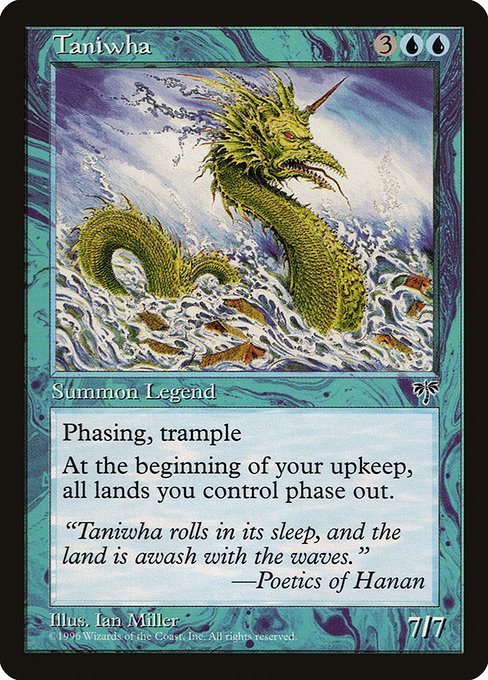
Taniwha
Leverage phasing permanents to evade removal and control the board tempo, using phased-out lands and creatures to maintain pressure and protect key resources.
Gameplay Insights
- 1
Vorinclex’s combination with a seven-seven phasing creature created a unique challenge where lands phased out every other turn, making it difficult for opponents to target or respond to his mana base.
- 2
The First Sliver’s cascade mechanic enabled explosive turns by casting multiple spells off a single card, emphasizing the importance of sequencing and deck composition.
- 3
Tekuthal’s proliferate strategy required careful timing to maximize counters on various permanents, balancing between aggressive growth and board control.
- 4
Using Leyline of Transformation naming Slivers synergized well with The First Sliver’s tribal theme, turning all creatures into slivers and enhancing tribal synergy.
- 5
Players invested in mana ramp early with artifacts and lands that enter tapped to prepare for mid-to-late game impactful plays despite slower starts.
Notable Cards
-
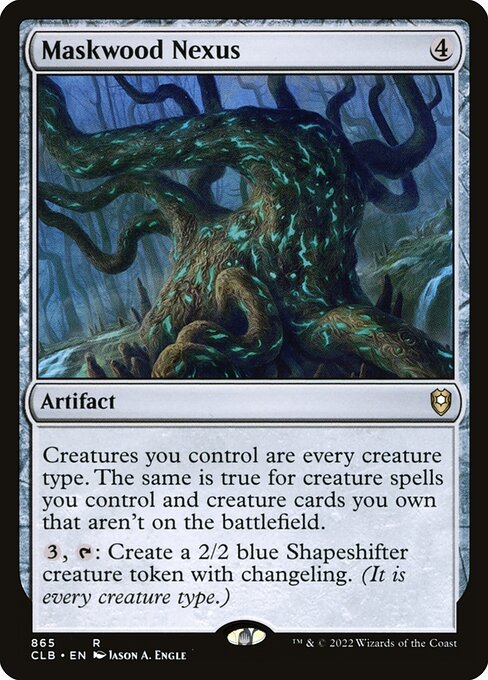
Maskwood Nexus
-
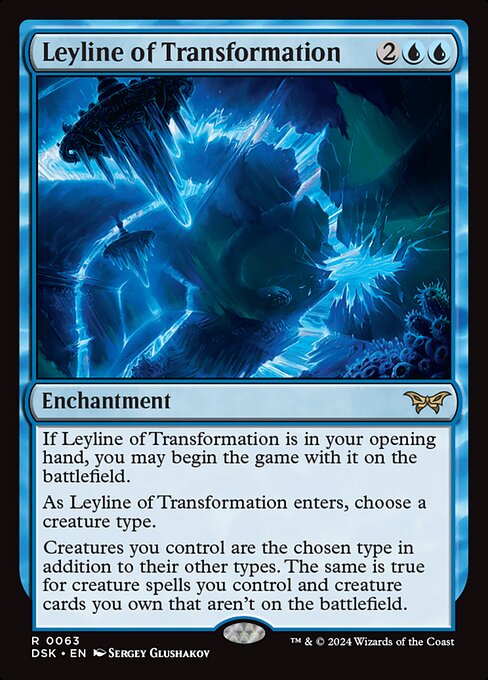
Leyline of Transformation
-

Fellwar Stone
-
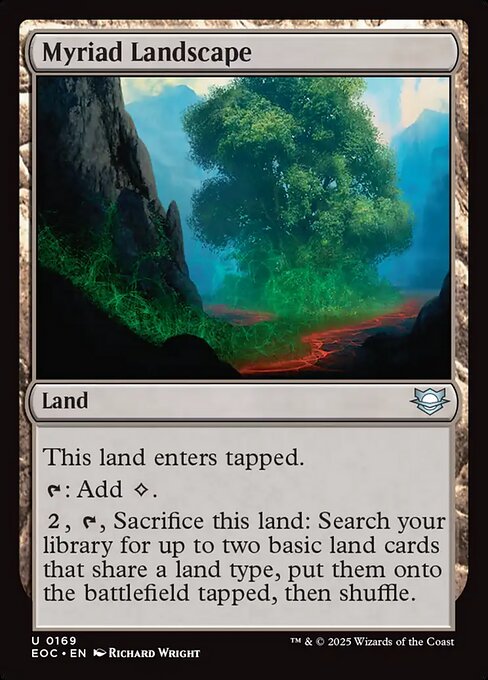
Myriad Landscape
-
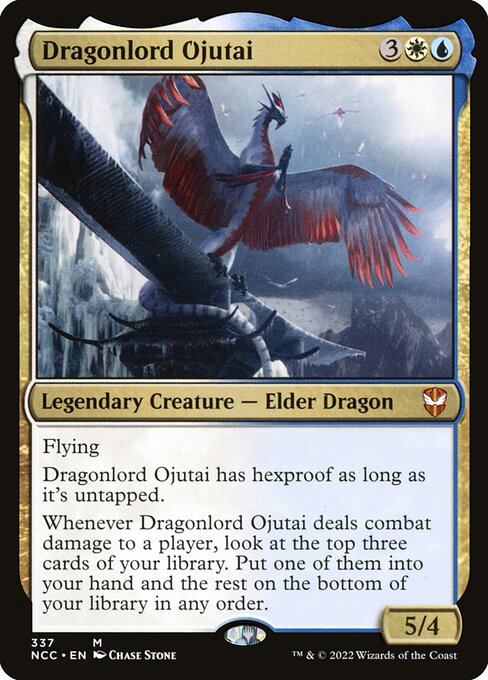
Dragonlord Ojutai
Gameplay Summary
The game began with the players randomly selecting their commanders through a memory-based concentration game, revealing a diverse and challenging lineup including The First Sliver, Vorinclex, Voice of Hunger, Tekuthal, Inquiry Dominus, and Taniwha.
The players quickly acclimated to their unique commanders' mechanics, such as Vorinclex's land-stunning ability combined with a seven-seven phasing creature that complicated land management, and The First Sliver's cascade-centric five-color tribal strategy.
Early turns involved cautious mana development, with players playing basic lands and ramp artifacts like Fellwar Stone and Myriad Landscape to prepare for their mid-game plans.
As the game progressed, players showcased their decks' distinctive strategies: The First Sliver aimed to leverage cascade triggers to chain-cast sliver spells, enhancing board presence through tribal synergies.
Tekuthal focused on proliferate mechanics to build multiple counter types, controlling the board with incremental advantage.
Vorinclex's deck sought to punish opponents by denying their mana resources while generating explosive mana for itself.
Meanwhile, Taniwha's deck capitalized on phasing lands and creatures to evade removal and maintain pressure.
The interplay of these strategies created dynamic board states where timing of land phases, proliferate triggers, and cascade spells were crucial turning points.
The game’s outcome hinged on these layered interactions, with players having to carefully manage resources and threats amid the complex effects of their commanders.





![Random Deck Roulette Part 2 [Commander VS 292] | Magic: The Gathering Commander Gameplay thumbnail](https://i.ytimg.com/vi/hLpAcqwvWD0/sddefault.jpg)
![Commander VS S16E1: Ayula VS Urza VS The First Sliver VS Yawgmoth [EDH] thumbnail](https://i.ytimg.com/vi/tkuMVsCr0s4/sddefault.jpg)


![Commander VS S7E2: Elesh Norn vs Vorinclex vs Jin-Gitaxias vs Sheoldred [MTG] thumbnail](https://i.ytimg.com/vi/T_rCVwy5InQ/sddefault.jpg)

