Deck & Commander Strategies
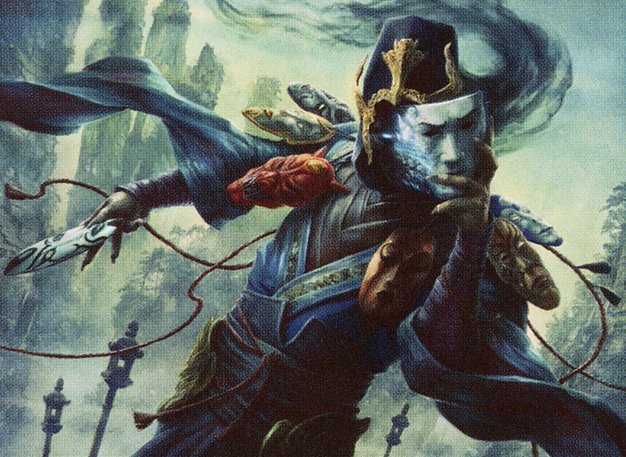
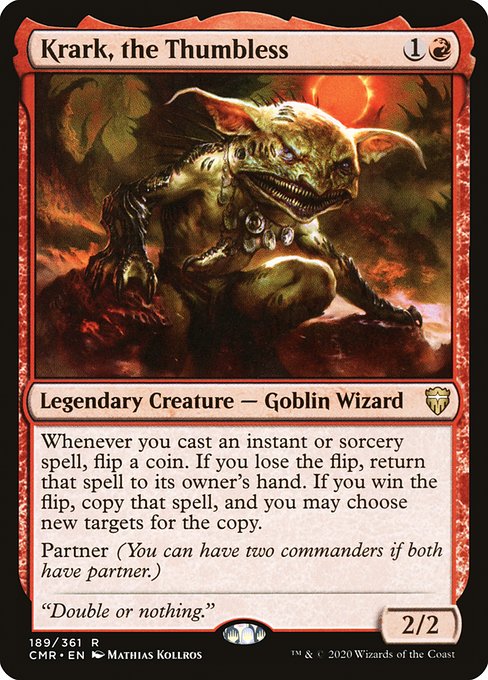
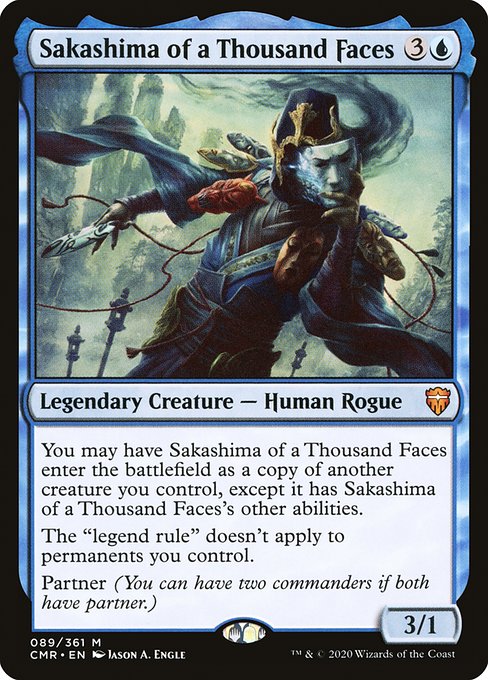
Krark, the Thumbless / Sakashima of a Thousand Faces
A storm combo deck that uses cantrips, mana generators, and treasure tokens to fuel spells and coin flip effects, aiming to win through Twinflame or Underworld Breach combos.
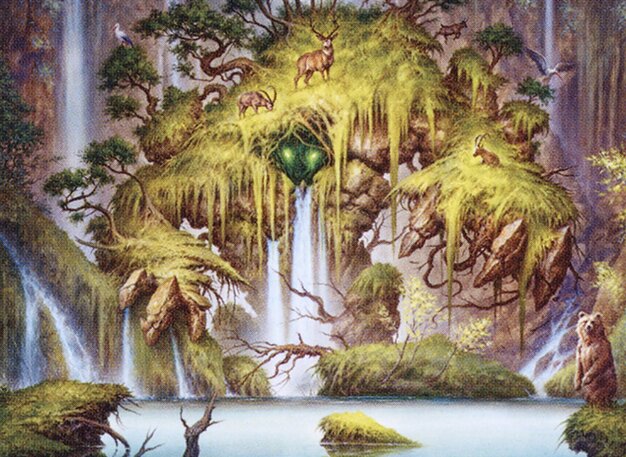
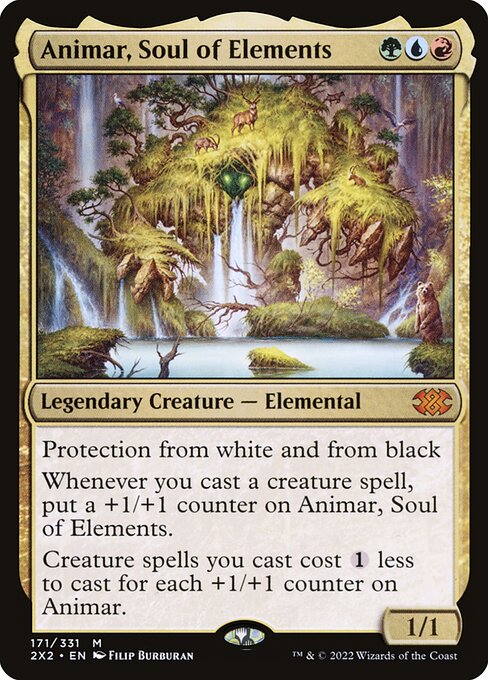
Animar, Soul of Elements
A creature-centric deck that casts cheap creatures to grow Animar, reducing future creature costs and enabling combos with cards like Ancestral Statue and Walking Ballista for a quick finish.

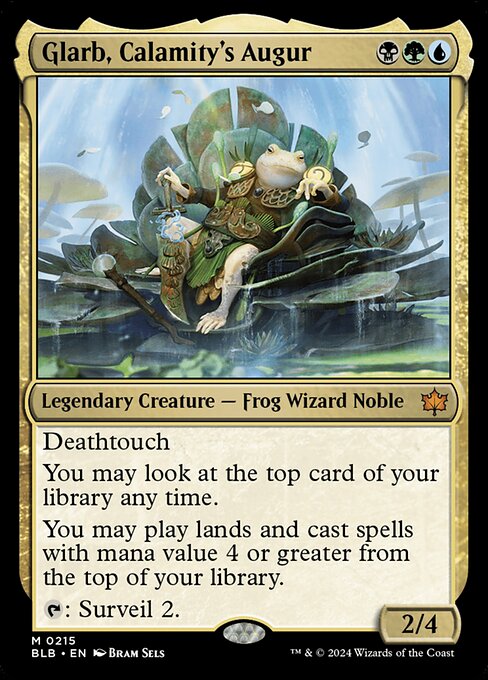
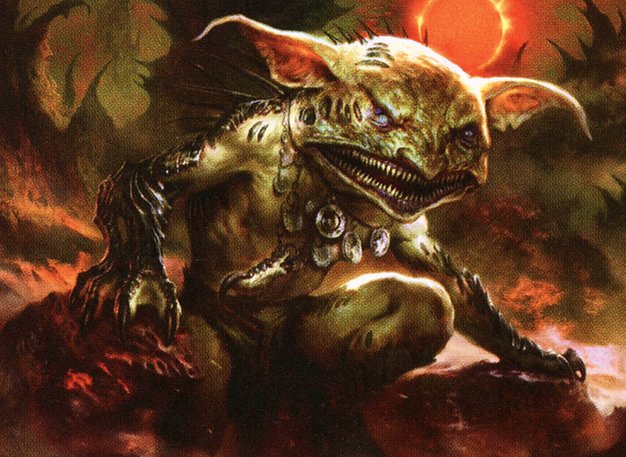
Glarb, Calamity's Augur
A deck focused on top-deck manipulation and card advantage through surveil mechanics, aiming to piece together a winning combination by controlling draws and board state.
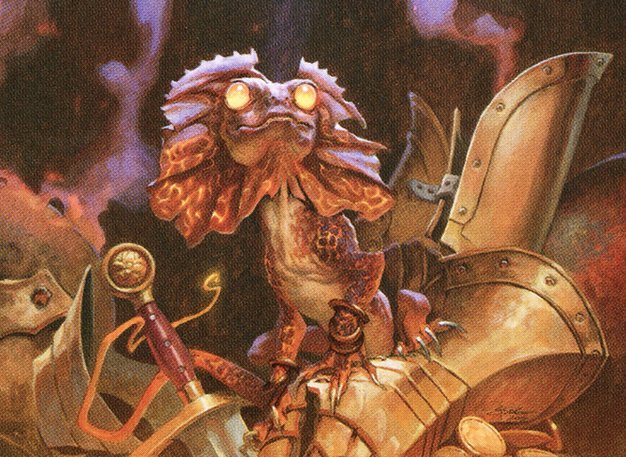
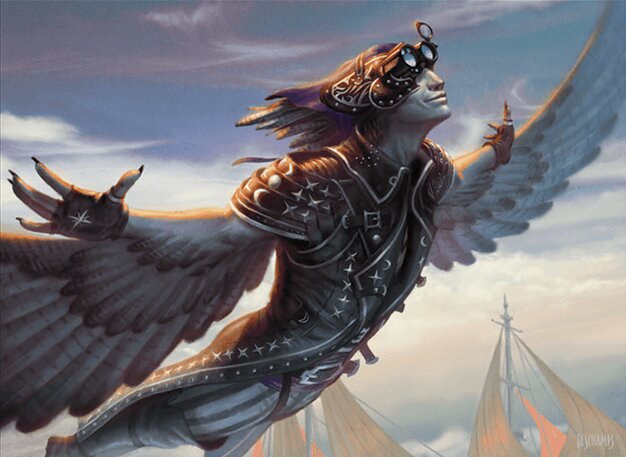
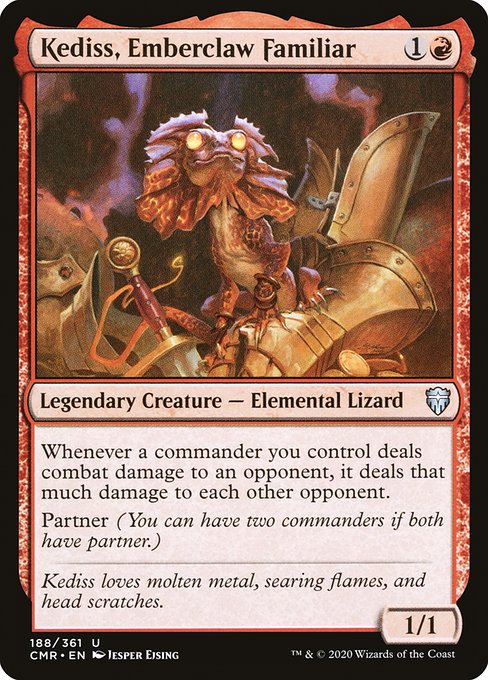
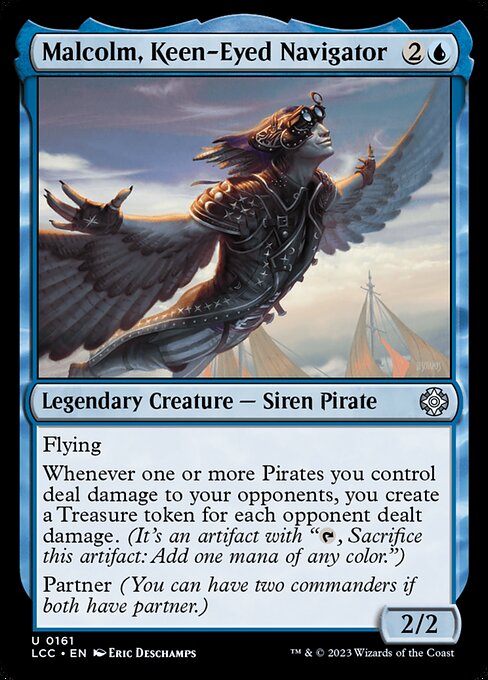
Malcolm, Keen-Eyed Navigator / Kediss, Emberclaw Familiar
A partner combo deck that leverages treasure synergy and discard loops to generate mana flexibility and explosive turns, winning through combos involving Flinthorn Buccaneer or Reckless Fireweaver.
Gameplay Insights
- 1
Krark/Sakashima's use of treasure token sacrifice to counter spells allowed them to maintain combo potential despite disruption.
- 2
Glarb's constant surveil allowed for effective top-deck manipulation, smoothing draws and enabling precise plays to advance their game plan.
- 3
Malcolm/Kediss maximized treasure generation in combat to fuel discard loops and maintain mana open for interaction until the final combo turn.
- 4
The chaotic coin flip interactions from Krark/Sakashima created unpredictable tempo swings, forcing opponents to carefully time their counterspells and blockers.
- 5
Players made strategic decisions around when to trigger or pass on triggers, like choosing when to copy spells or activate abilities, impacting the flow of the game.
Notable Cards
-

Twinflame
-
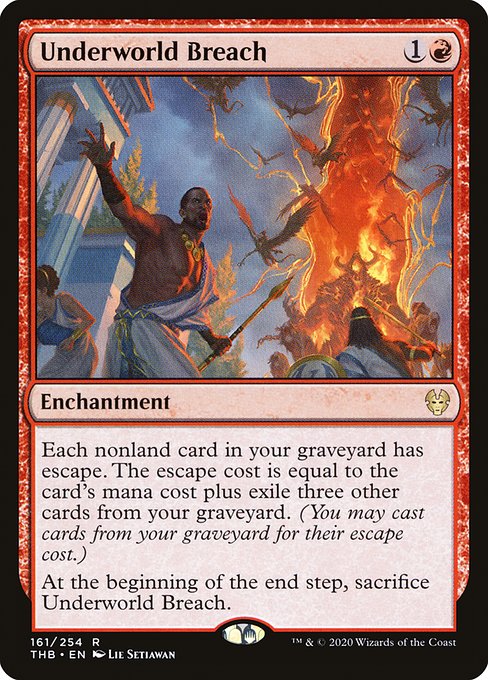
Underworld Breach
-
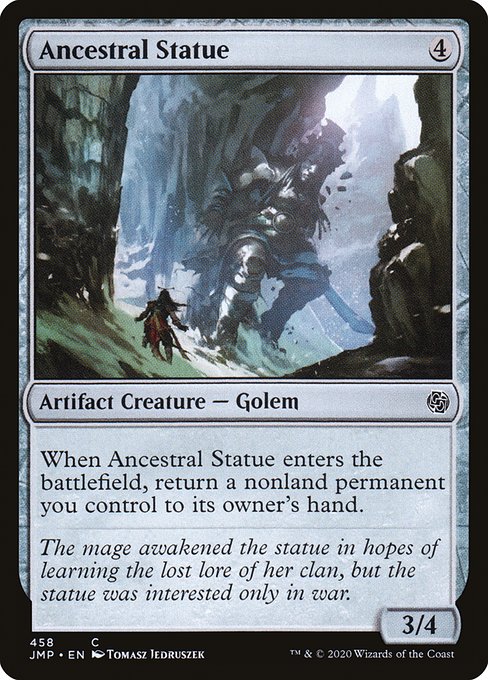
Ancestral Statue
-
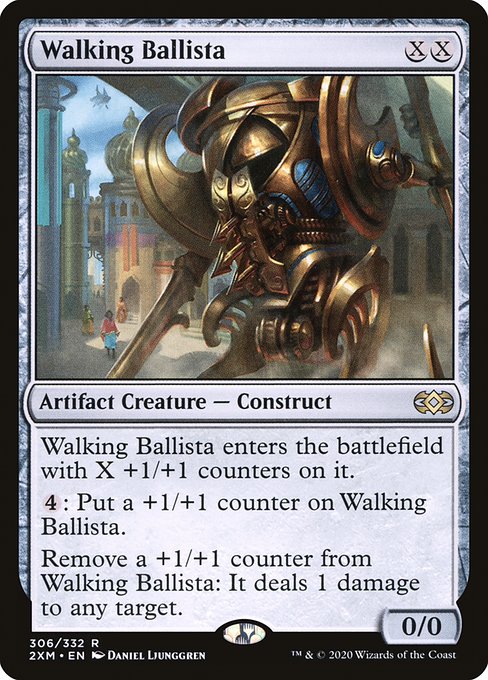
Walking Ballista
-
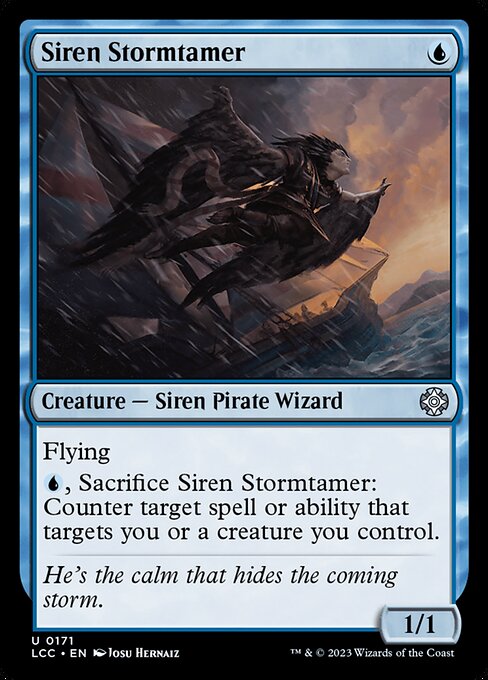
Siren Stormtamer
-
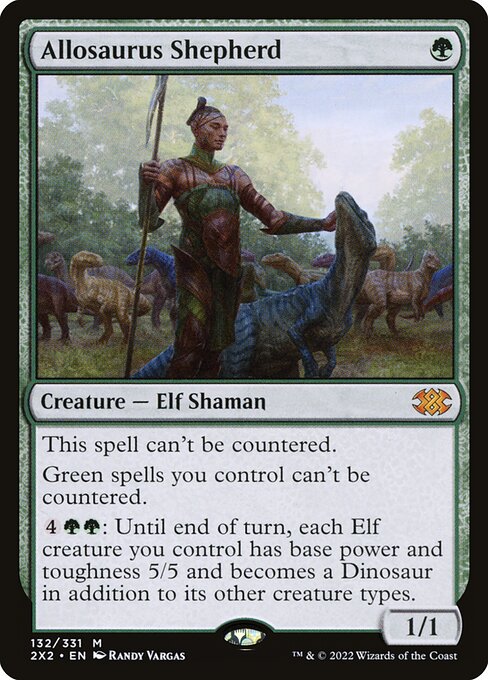
Allosaurus Shepherd
-
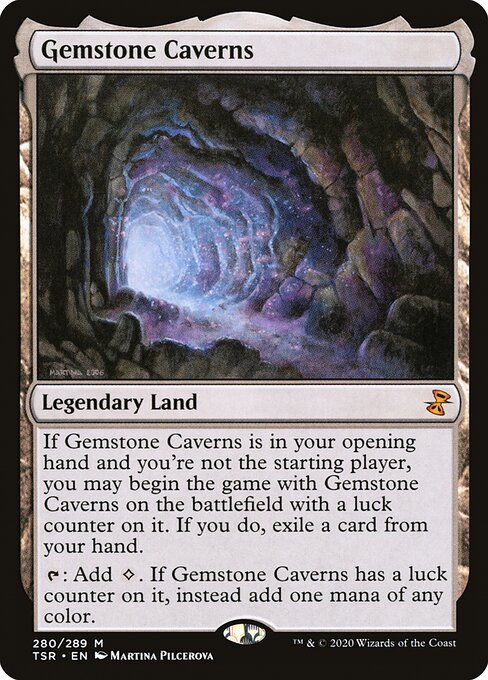
Gemstone Caverns
-
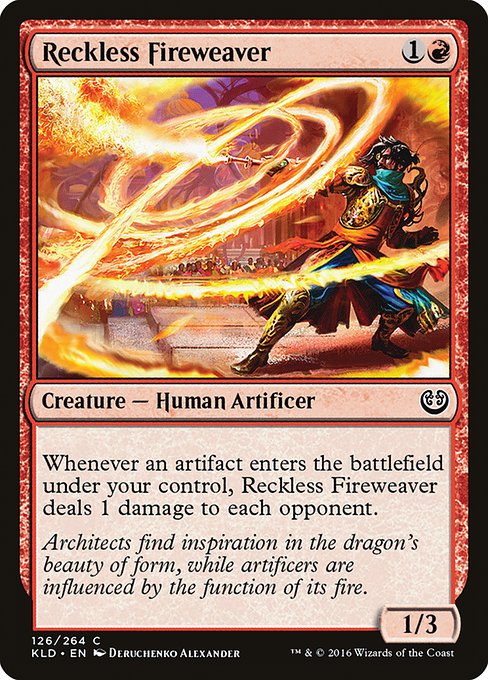
Reckless Fireweaver
-
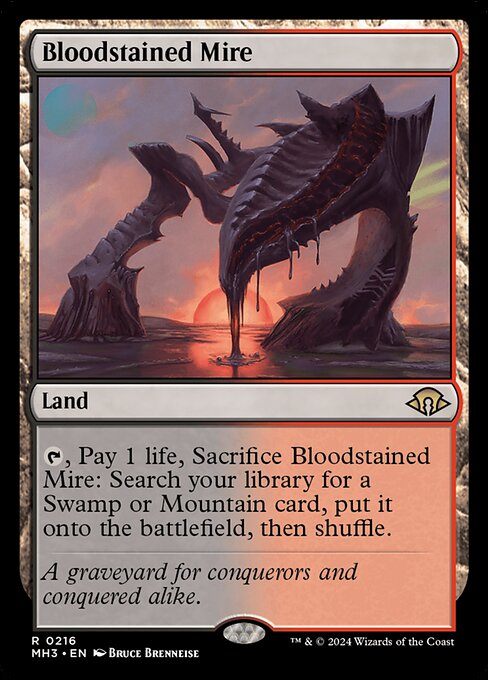
Bloodstained Mire
-
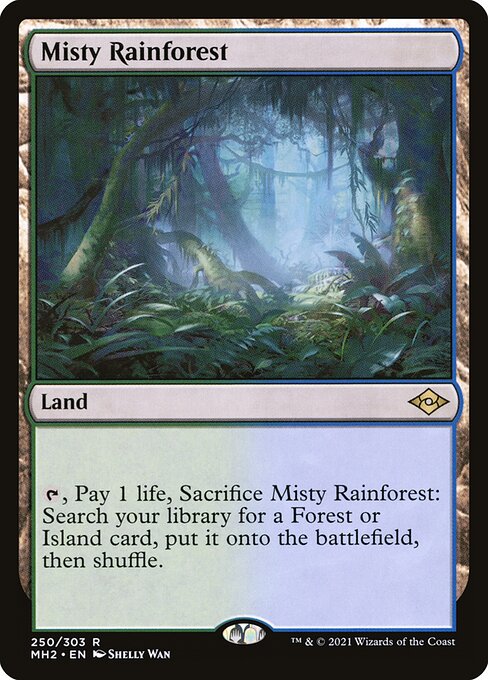
Misty Rainforest
Gameplay Summary
The game began with all four decks establishing their early board states and mana bases, with Krark/Sakashima leading a storm-style combo deck focused on coin flips and generating treasures to fuel their spells.
Animar aimed to cast a growing number of creatures cheaply and assemble efficient combos, while Glarb leveraged top-deck manipulation and card advantage through surveil effects.
Malcolm/Kediss prioritized treasure synergy and discard loops to enable explosive turns and combo finishers like Flinthorn Buccaneer. Early turns saw players developing mana and applying pressure, with key interactions around artifact and treasure tokens shaping the board.
The coin flip chaos from Krark/Sakashima created unpredictable tempo swings, which they used to storm out with twinflame or underworld breach combos.
Meanwhile, Animar's creatures steadily grew, threatening to overwhelm opponents unless disrupted.
Glarb's top-deck manipulation helped smooth draws and enabled precision plays, while Malcolm/Kediss generated treasures and discarded cards to maintain mana and board presence. A pivotal moment came when Glarb cast multiple spells to surveil and dig for key combo pieces, while Malcolm triggered treasure generation in combat, setting up his partner's synergy.
Krark/Sakashima successfully countered some disruption using treasure sacrifices, maintaining combo potential.
The game featured multiple layers of interaction involving mana denial, card advantage, and combat damage triggers.
Ultimately, the game revolved around managing the chaos of coin flips and treasure tokens while executing powerful combos that could end the game in a single turn.


![Interaction can really be a DRAIN [S1G13] cEDH LEAGUE FIRST SLIVER v ANIMAR v KRARKASHIMA v TIVIT thumbnail](https://i.ytimg.com/vi/Yc770YqKUx0/sddefault.jpg)