
Deck & Commander Strategies

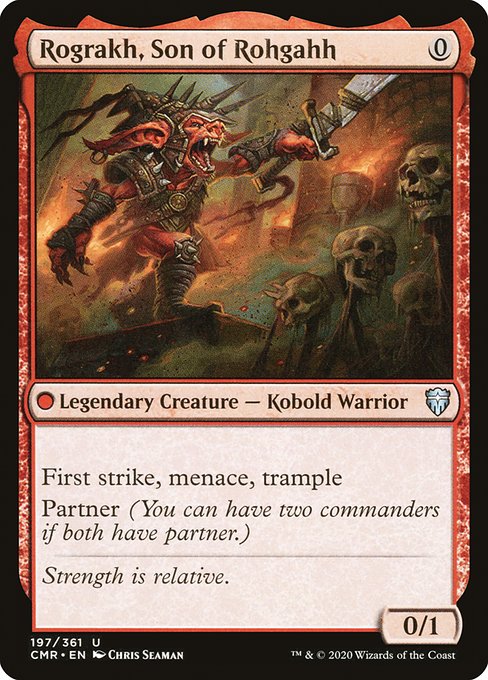
Rograkh, Son of Rohgahh
Midrange deck focused on fighting creatures to generate card draw and value, leveraging incremental combat advantages to out-resource opponents.
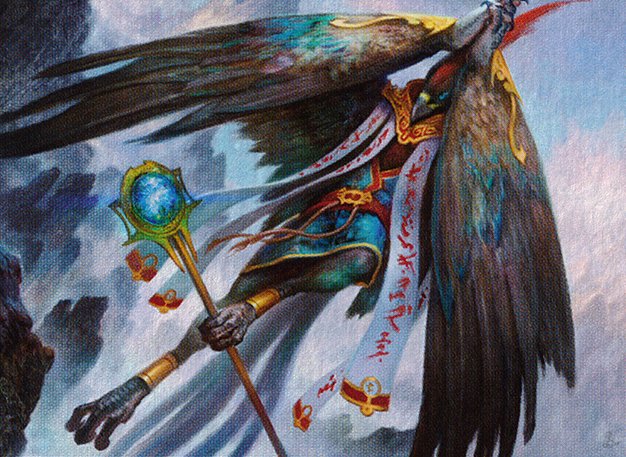
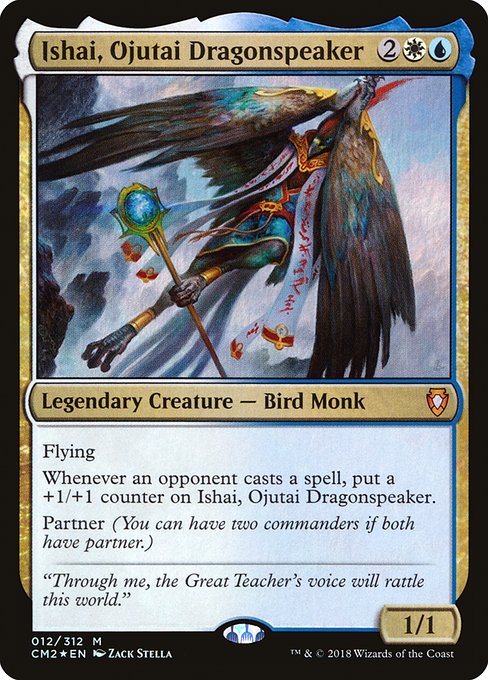
Ishai, Ojutai Dragonspeaker
Aggressive value generation through combat triggers; grows stronger as opponents play spells, enabling a snowball effect of card advantage.
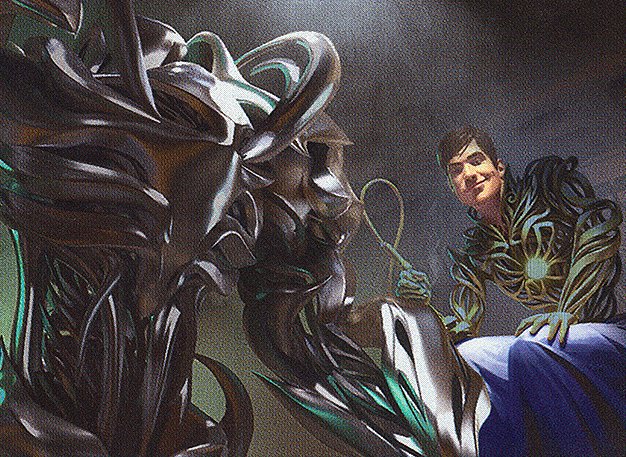
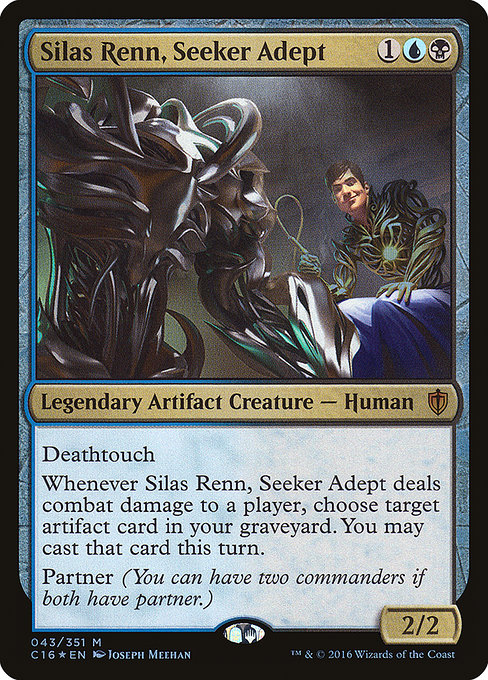
Silas Renn, Seeker Adept
Combo-oriented deck that utilizes artifact synergies and tutors to assemble powerful interactions and control the board.

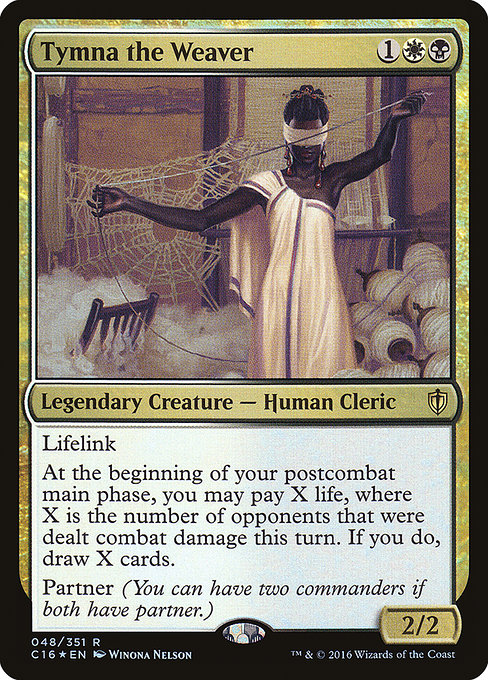
Tymna the Weaver
Card draw and incremental advantage through combat damage, combined with partner commanders to enable synergy and efficient resource generation.

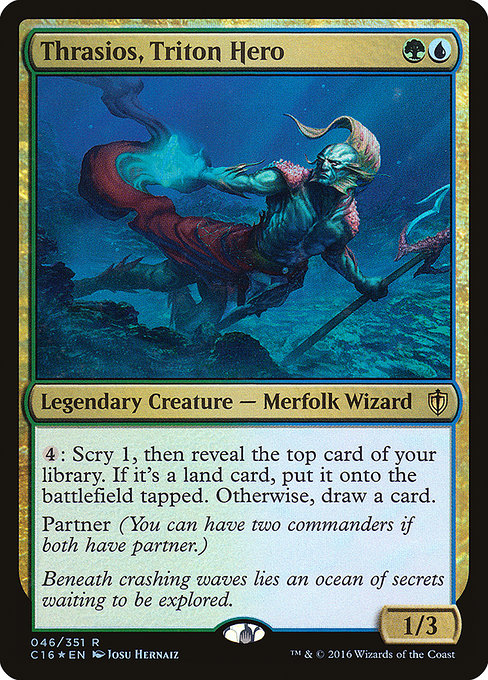
Thrasios, Triton Hero
Value engine with mana ramp and card selection, typically paired with a partner commander to enable combo or control plays.
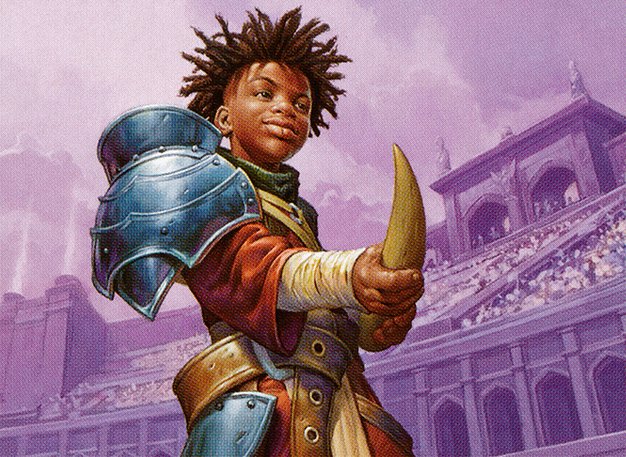
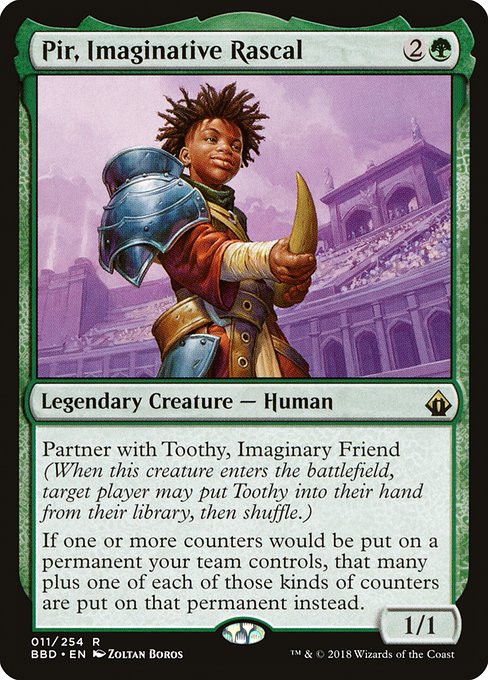
Pir, Imaginative Rascal
Aggressive low-cost commander that enables infinite combos with Toothy by drawing and discarding cards repeatedly.
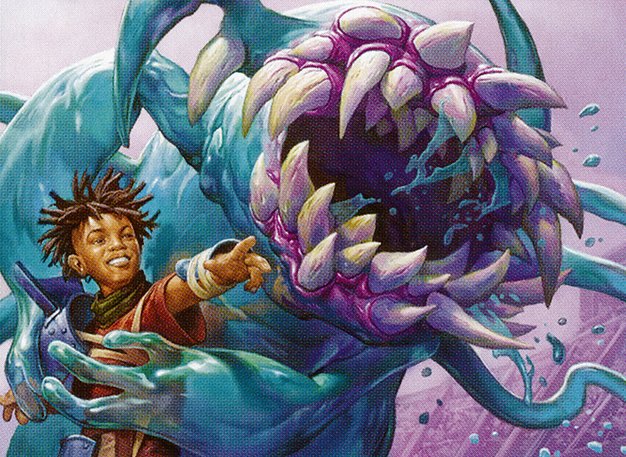
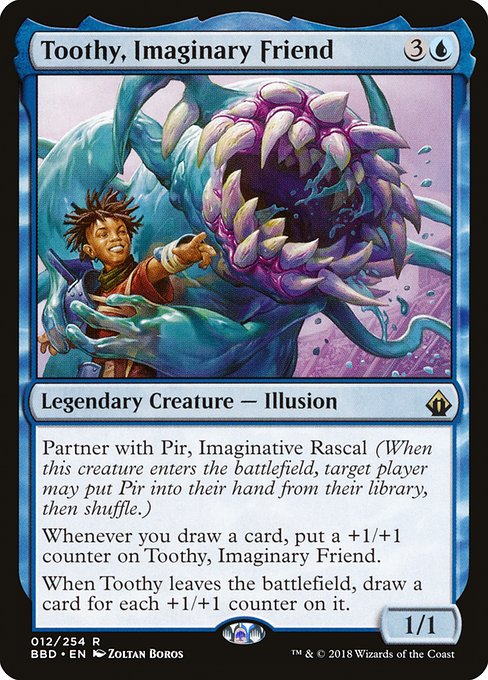
Toothy, Imaginary Friend
Draw engine that grows larger with each card drawn, synergizing with Pir to enable infinite or large combos for overwhelming board presence.
Gameplay Insights
- 1
Players leveraged early ramp and mana acceleration to quickly establish Rhystic Study and other card draw engines, creating a high-paced game state dominated by card advantage.
- 2
Repeated combat triggers from Rograkh and Ishai created a feedback loop of card draw and board presence, forcing opponents to respond or fall behind.
- 3
The use of tutors like Vampiric Tutor and Gamble allowed players to consistently find key pieces and maintain pressure through targeted disruption and combo assembly.
- 4
Interaction spells were held in reserve to counter critical plays, demonstrating the importance of timing in a high-interaction cEDH environment.
- 5
Despite the rapid card draw and resource flow, players had to carefully manage their hands and board state to avoid feeding opponents too much advantage, highlighting a delicate balance between aggression and caution.
Notable Cards
-
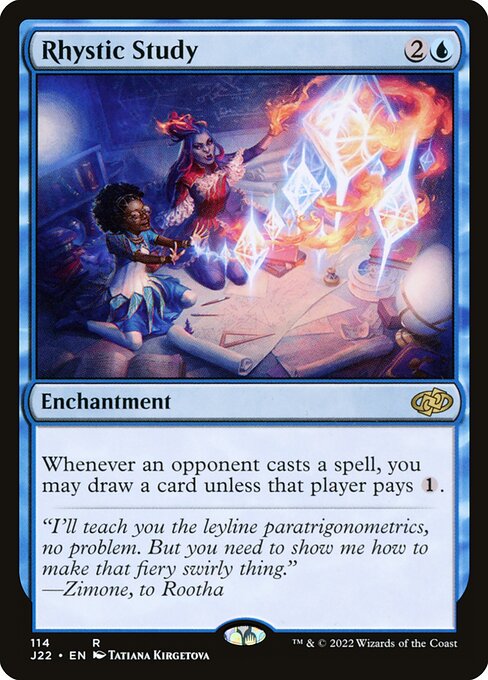
Rhystic Study
-
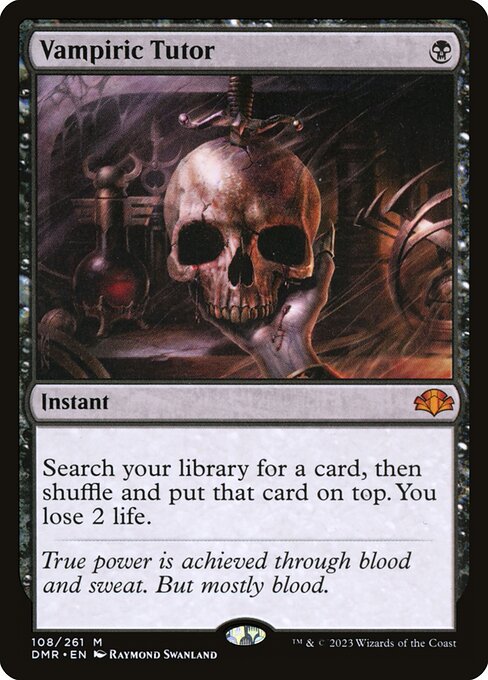
Vampiric Tutor
-
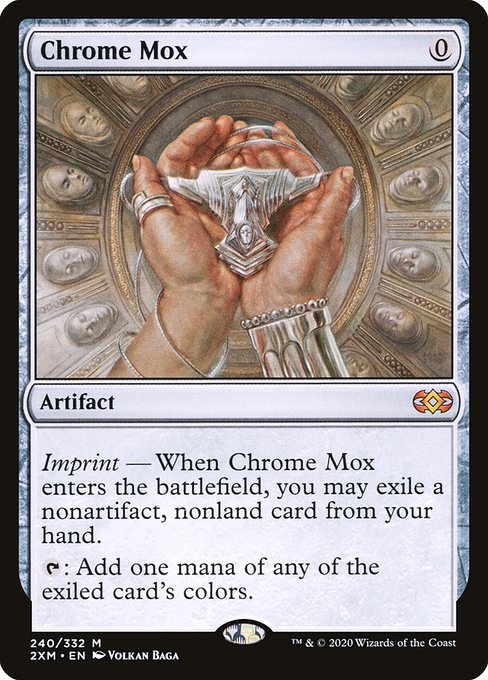
Chrome Mox
-
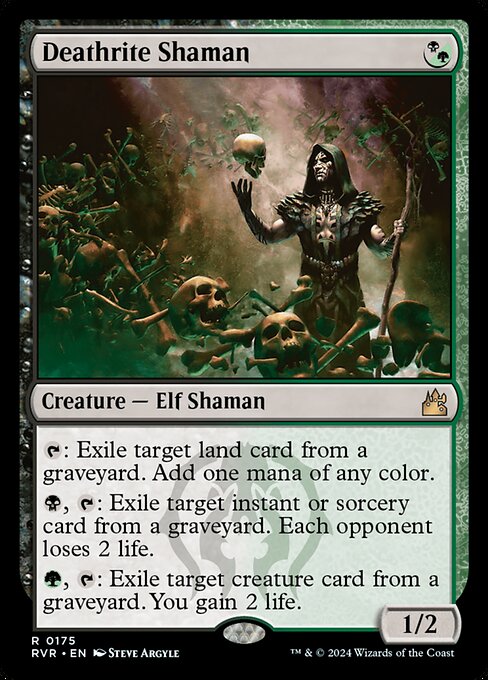
Deathrite Shaman
-
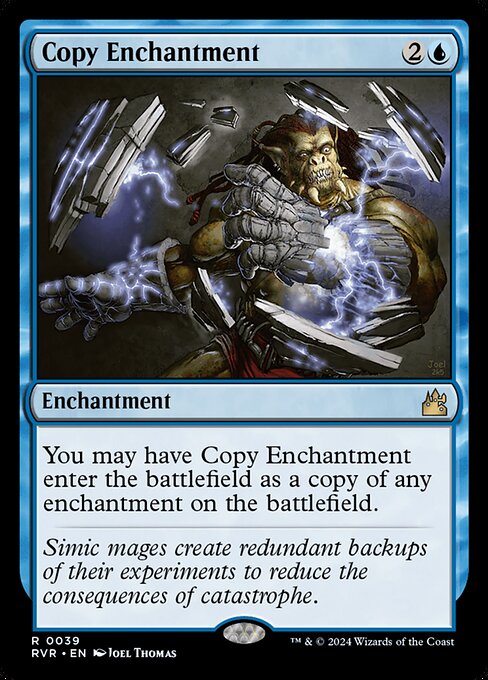
Copy Enchantment
-
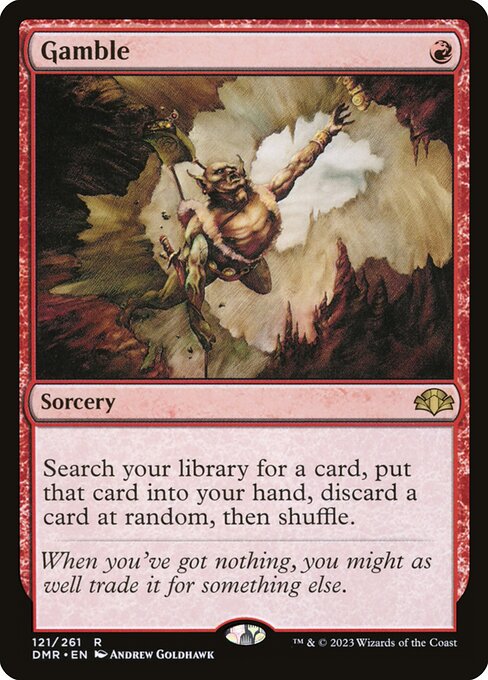
Gamble
-
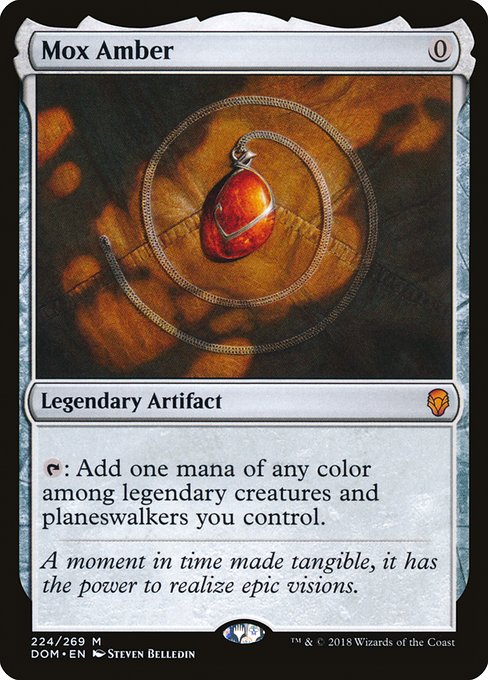
Mox Amber
-
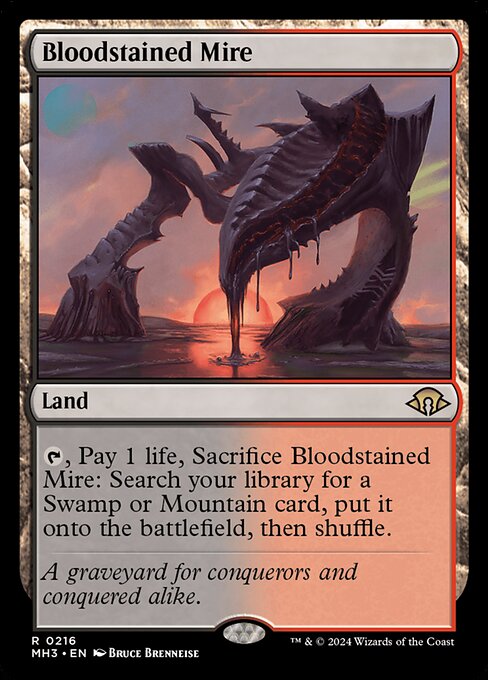
Bloodstained Mire
-
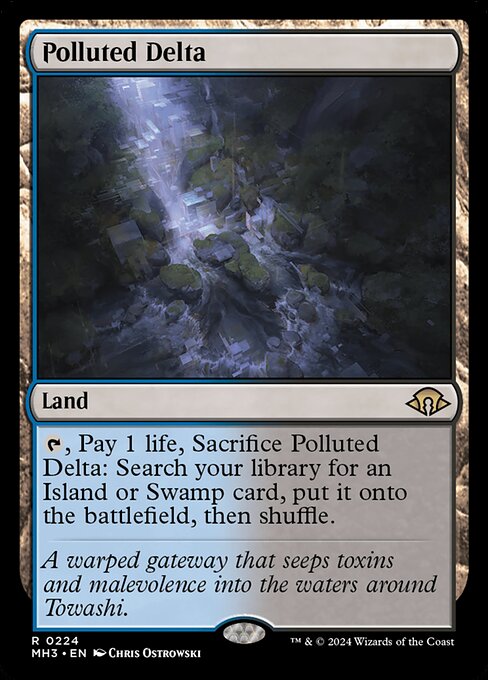
Polluted Delta
-
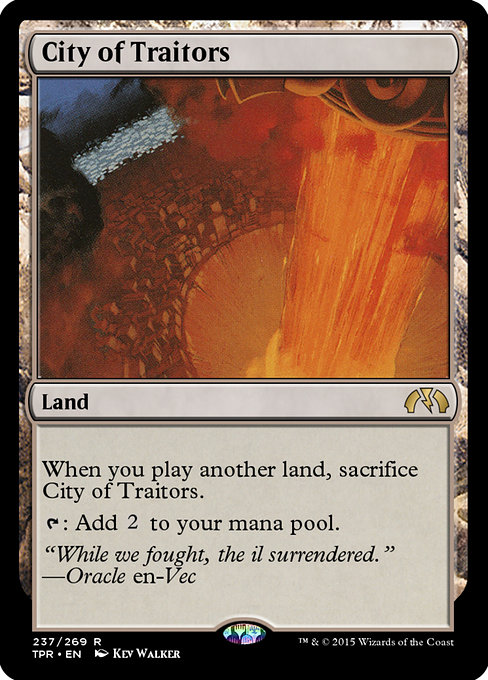
City of Traitors
Gameplay Summary
The game began with players quickly establishing their mana bases and deploying early threats while setting up card draw engines.
Rograkh and Ishai decks focused on generating incremental value through fighting and drawing cards with creatures like Fish and leveraging Rhystic Study for continuous card advantage.
Early plays involved key tutors and interaction spells, with players exchanging resources and carefully managing their hands to maintain tempo and control.
A critical moment unfolded when multiple Rhystic Studies and card draw triggers flooded the board, escalating the card advantage war.
The interaction between Rograkh's fighting abilities and the card draw from Fish and Rhystic Studies became a defining aspect of the mid-game, as players struggled to keep pace with the overwhelming card flow.
Throughout the game, aggressive use of tutors, interaction spells, and resource denial shaped the board state, pushing towards a slow but inevitable attrition victory.
The win condition centered on leveraging incremental value from repeated combat triggers and card draw engines to out-resource and outlast opponents.