
Deck & Commander Strategies
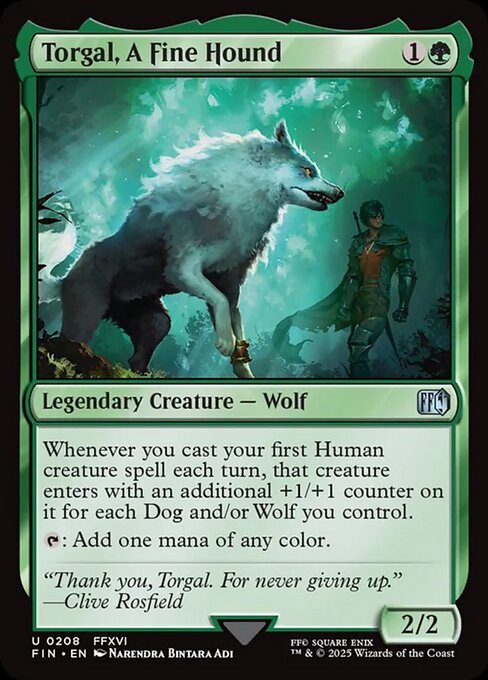
Togal, A Fine Hound
Builds a synergistic board of humans, dogs, and wolves, growing creatures bigger for each dog or wolf on the battlefield to overwhelm opponents with tribal synergy and efficient creatures.

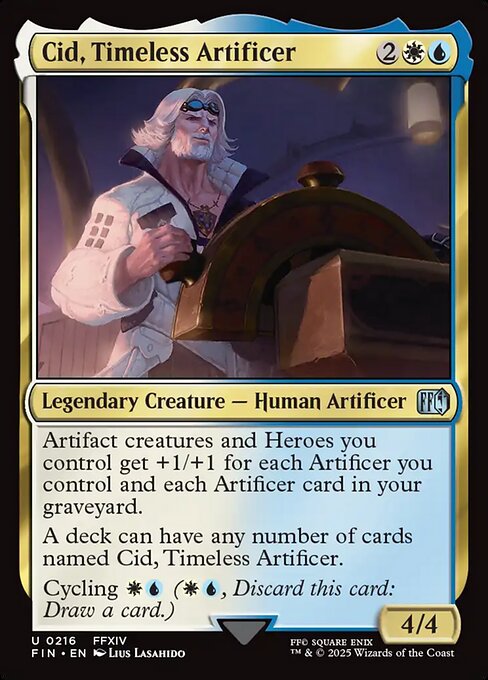
Cid, Timeless Artificer
Focuses on artifact creatures and artificers, using graveyard synergy and artifact token generation to control the board and leverage powerful artifact interactions for incremental advantage.

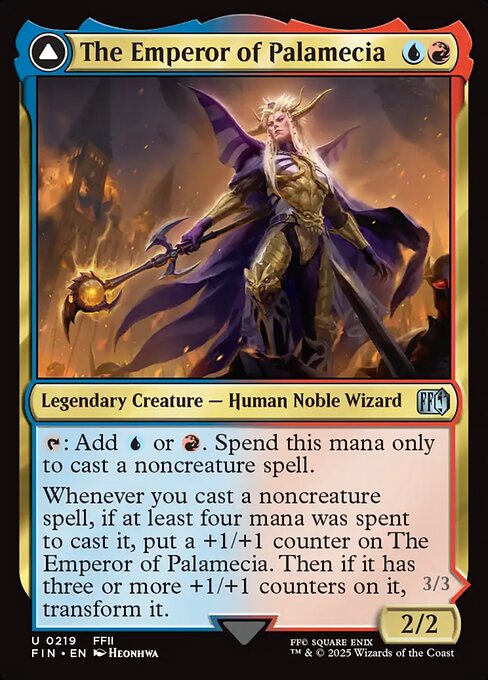
The Emperor of Palamecia // The Lord Master of Hell
Ramp quickly with mana and cast high-cost noncreature spells to grow the commander with +1/+1 counters, flip it to a powerful form, and deal damage to all opponents based on cards in the graveyard.
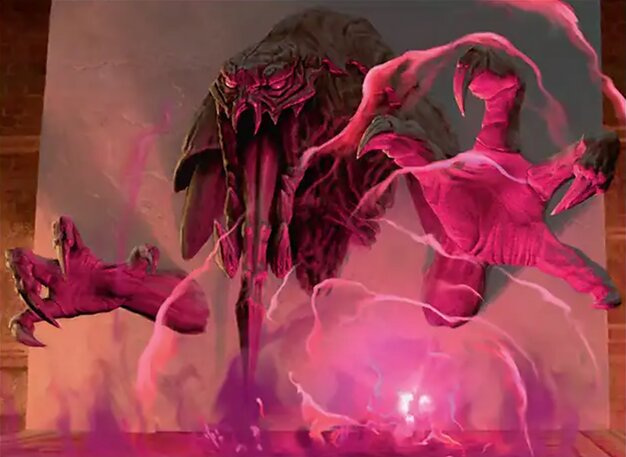
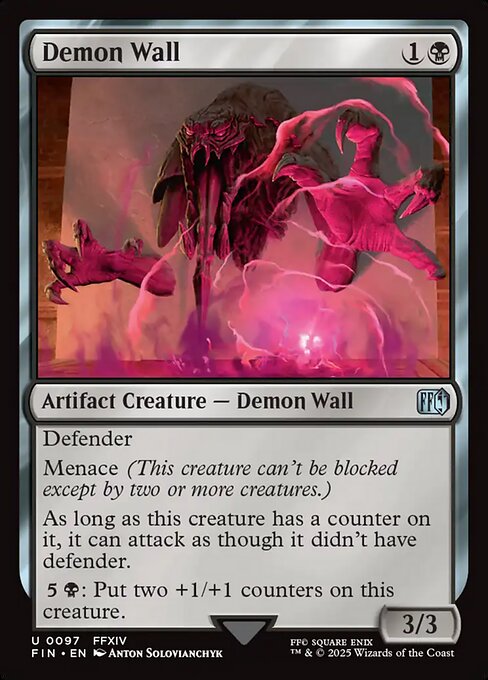
Demon Wall
Play defensively with a high-toughness wall that gains counters and can attack once empowered, using walls and counter synergies to stall the game and eventually break through with a large, threatening Demon Wall.
Gameplay Insights
- 1
Using Curse Marauder early to force mass creature sacrifices disrupted opponents’ development and shifted tempo in favor of the caster.
- 2
Sid’s artifact synergies combined well with token generators like Mirror-Smith, enabling steady board presence and scrying value.
- 3
Emperor of Palamecia's ability to flip into the Lord Master of Hell provided a strong late-game threat, punishing opponents with direct damage tied to graveyard size.
- 4
Demon Wall’s defensive approach was vulnerable early but aimed to capitalize on counter accumulation to become a late-game powerhouse.
- 5
Aggressive attacks with menace and lifelink creatures from the Emperor deck pressured opponents and gained life advantage, influencing combat dynamics.
- 6
Careful timing of noncreature spells to maximize Emperor's counters showed strategic resource management and threat development.
Notable Cards
-
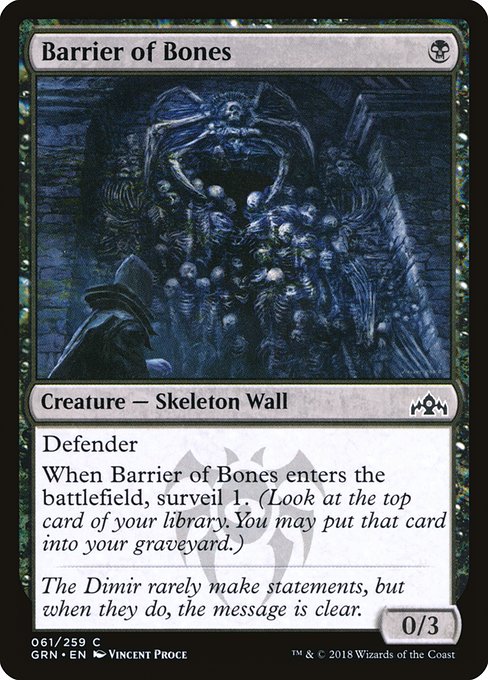
Barrier of Bones
-
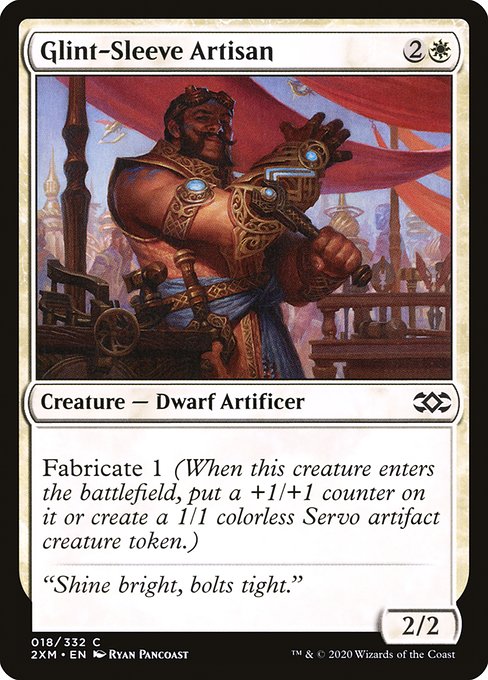
Glint-Sleeve Artisan
-
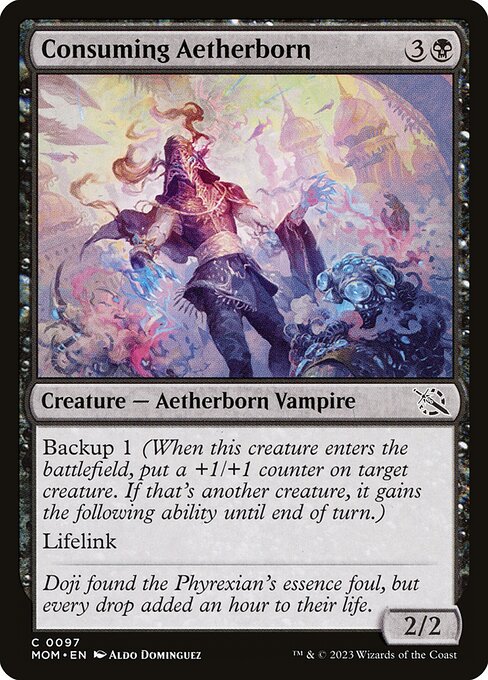
Consuming Aetherborn
-

Path of Ancestry
Gameplay Summary
The game featured a dynamic and interactive Pauper Commander match with four distinct Final Fantasy-themed decks.
Early turns saw players setting up their mana bases and deploying synergistic creatures, such as the artifact-centric creatures supporting Sid, Timeless Artificer, and the dog and wolf tribal synergies around Togal, A Fine Hound.
The Demon Wall player focused on defense early, leveraging walls and counters to eventually enable attacking with a large Demon Wall.
The Emperor of Palamecia deck ramped quickly and used noncreature spells to grow the commander and flip it to its powerful form, threatening direct damage to opponents.
A notable turning point occurred when a Curse Marauder forced opponents to sacrifice creatures, disrupting board development and tempo.
Combat engagements began with the Emperor’s menace-lifeline backed creatures dealing consistent damage.
The artifact synergy decks combined servo tokens and artifact creatures, leveraging scry effects and graveyard interactions for incremental advantage.
The game was marked by tactical use of counters, creature buffs, and well-timed attacks, with players jockeying for board control and leveraging their commanders' unique abilities to push for victory.