

Deck & Commander Strategies

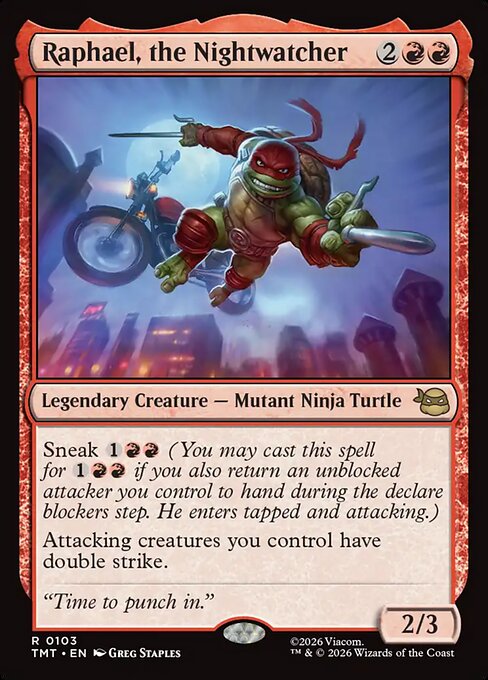
Raphael, the Nightwatcher
Utilizes double strike to maximize combat damage and leverages vampire tribal synergies that place +1/+1 counters on creatures whenever they deal combat damage, enabling aggressive board presence.

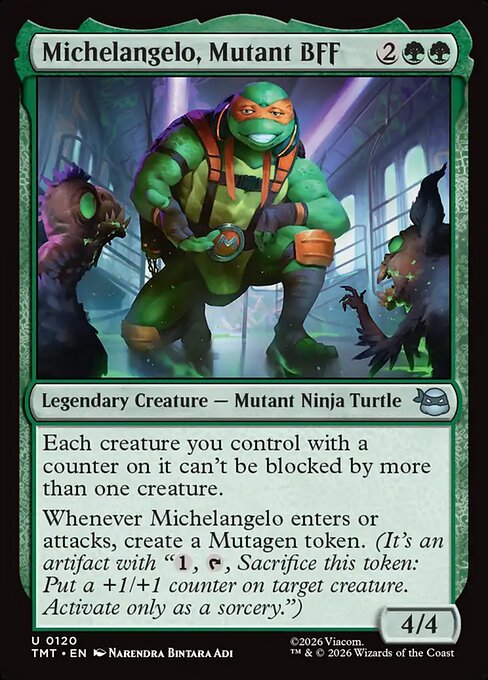
Michelangelo, Mutant BFF
Focuses on +1/+1 counters and mutagen tokens to make creatures unblockable by multiple creatures, ensuring efficient damage through combat and maintaining board control with creatures that are hard to block.

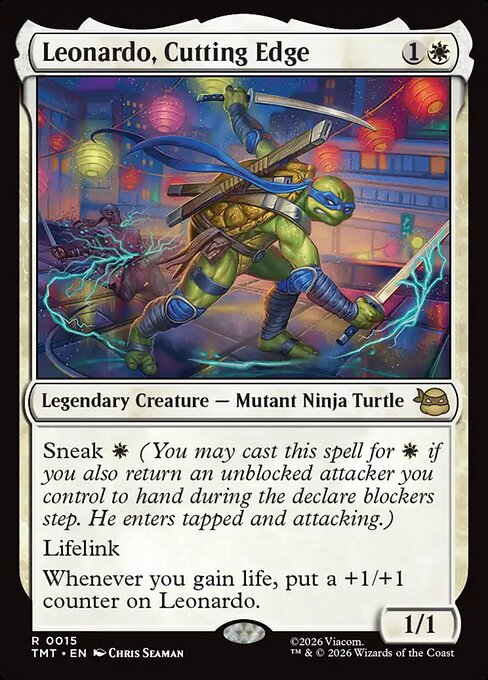
Leonardo, Cutting Edge
A Soul Sisters lifegain deck that gains life incrementally to put +1/+1 counters on the commander, aiming for steady growth and resilience through repeated small lifegain triggers and synergy with life-gain creatures.
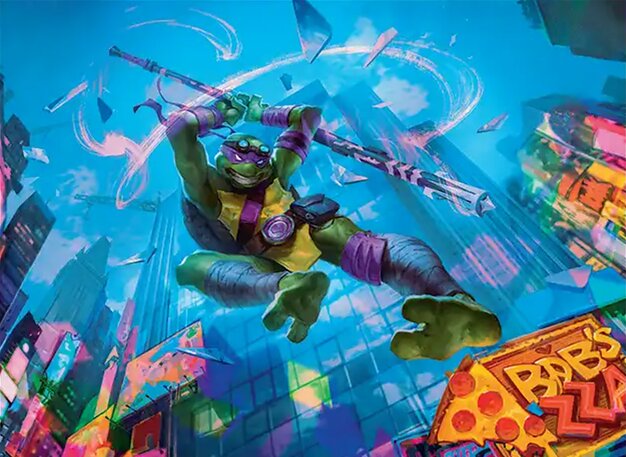
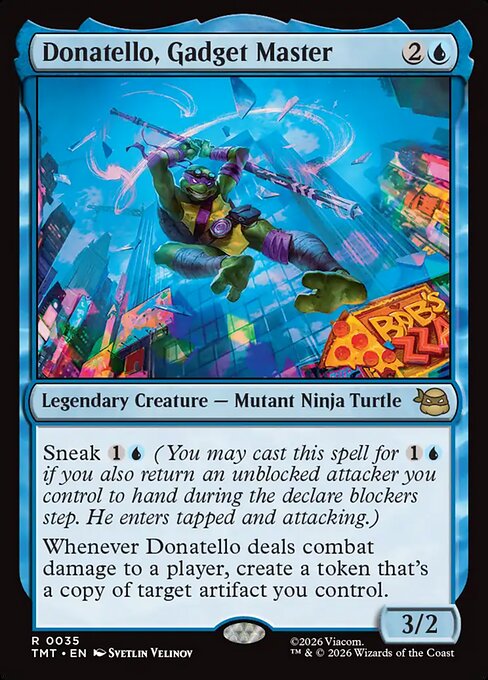
Donatello, Gadget Master
Centers around artifact synergies, particularly creating token copies of artifacts after dealing combat damage with his sneaky ninjutsu ability, combining artifact replication with evasive creatures to generate value and board presence.
Gameplay Insights
- 1
Raphael’s choice to attack Donatello early was a strategic decision to slow down artifact synergy development, recognizing Donatello’s potential to snowball with artifact tokens.
- 2
Michelangelo’s mutagen tokens and unblockable ability forced opponents into unfavorable blocks, effectively reducing their defensive options and enabling consistent damage output.
- 3
Leonardo’s incremental lifegain and counter accumulation rewarded a patient playstyle that synergized well with multiple small life gains rather than burst effects.
- 4
Donatello’s artifact token copying demanded opponents hold artifact removal spells or board wipes to prevent exponential value gain, influencing how aggressively others approached combat and resource deployment.
Notable Cards
-
Raphael, the Nightwatcher
-
Michelangelo, Mutant BFF
-
Leonardo, Cutting Edge
-
Donatello, Gadget Master
-
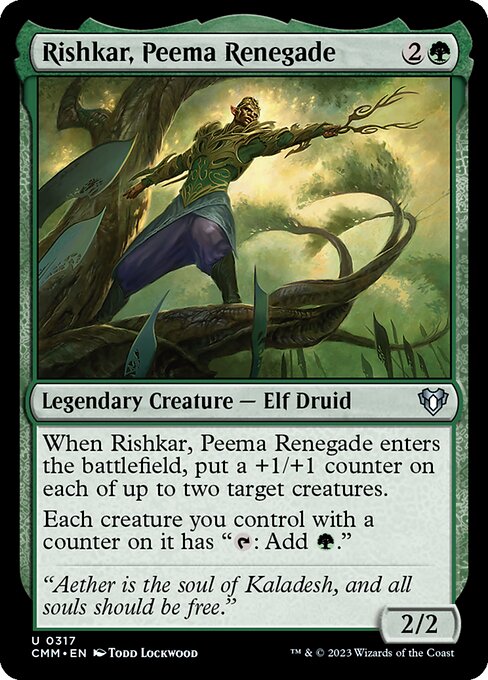
Rishkar, Peema Renegade
-
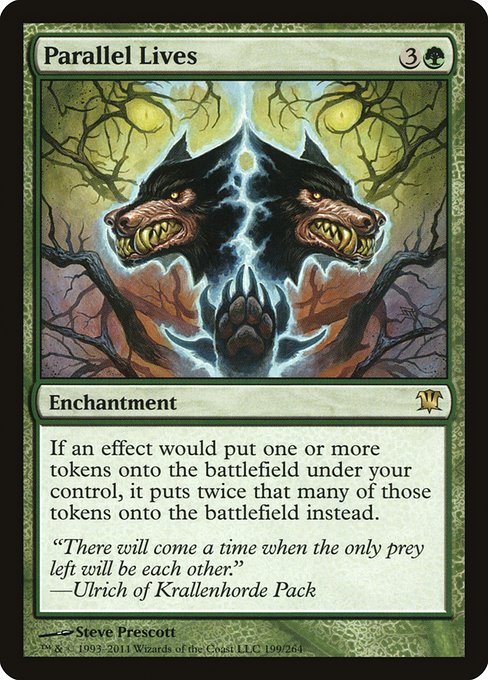
Parallel Lives
-

Arcane Signet
-
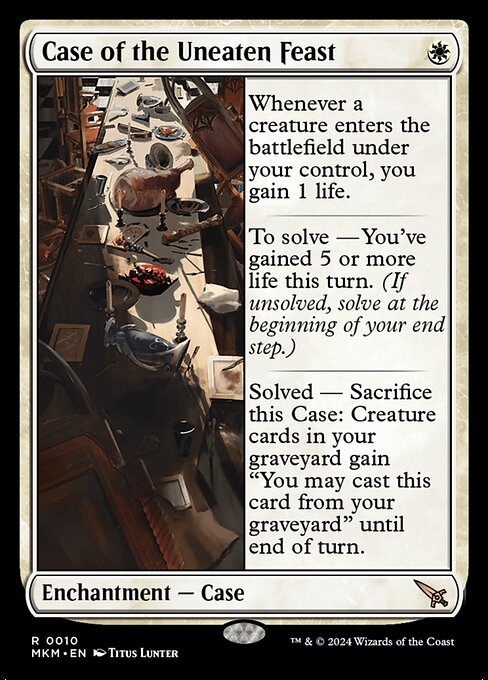
Case of the Uneaten Feast
Gameplay Summary
The game featured four players each piloting a mono-colored Teenage Mutant Ninja Turtles-themed commander deck, each with a distinct strategy reflecting their chosen Turtle.
Raphael’s deck focused on leveraging double strike and vampire tribal synergies, aiming to grow creatures through combat damage triggers.
Michelangelo’s deck centered around plus one plus one counters and mutagen tokens to make creatures unblockable by multiple blockers, enabling efficient combat damage.
Leonardo’s deck was a Soul Sisters variant, utilizing lifegain triggers to incrementally put counters on the commander and other creatures, steadily growing board presence.
Donatello’s deck employed a unique artifact-copying mechanic, generating token copies of artifacts after dealing combat damage and combining this with artifact synergies and evasive creatures to gain incremental advantage and value. Early turns saw players setting up their mana and board states, with Raphael aggressively chipping damage to Donatello due to the latter’s artifact synergy potential.
Leonardo established a life-gain engine with Soul Sisters, while Donatello began deploying artifacts and evasive creatures to enable his cloning abilities.
Michelangelo focused on building a board of creatures with counters to capitalize on his unblockable effect.
Key turning points revolved around Donatello’s artifact token creation and the threat it posed, prompting opponents to consider artifact removal.
Combat phases were influenced by Michelangelo’s ability to restrict blockers, Raphael’s double strike boosting damage output, and Leonardo’s incremental growth through lifegain.
The interplay of tribal synergies, counters, and artifact replication shaped the evolving board dynamics, with players needing to balance aggression with interaction to prevent Donatello’s artifact engine from overwhelming the table.


![Mono Color Madness | Herumkommandiert #21 | EDH [Deutsch] thumbnail](https://i.ytimg.com/vi/CRQPe4c2oXY/sddefault.jpg)
![Svenja ist zurück! | Herumkommandiert #24 | EDH [Deutsch] thumbnail](https://i.ytimg.com/vi/etaxdOp98Is/sddefault.jpg)