

Deck & Commander Strategies
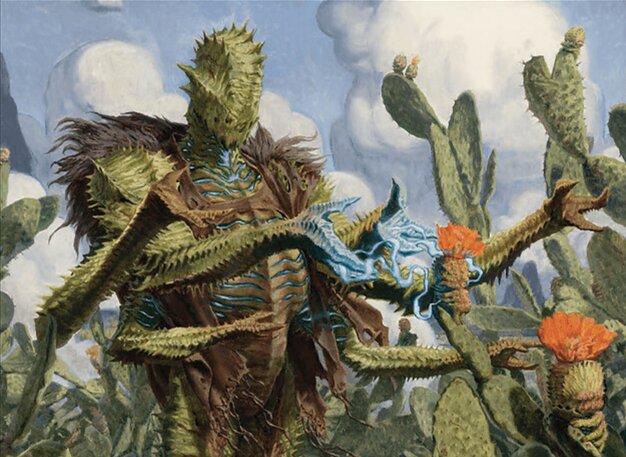
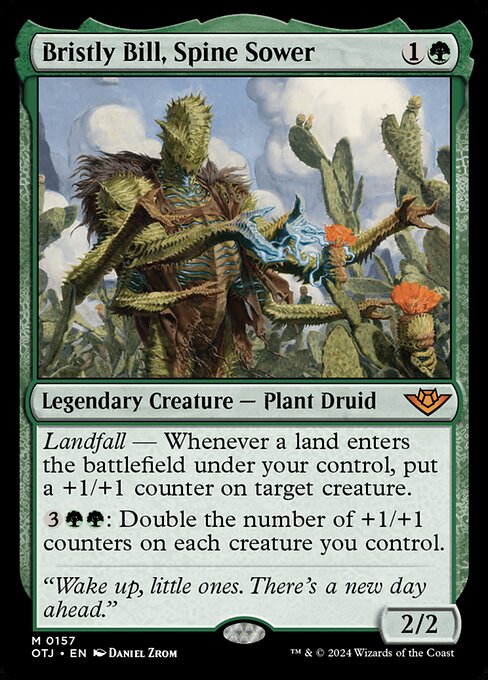
Bristly Bill, Spine Sower
Uses +1/+1 counters and token generation to build a resilient board, focusing on incremental growth and board presence to overwhelm opponents.
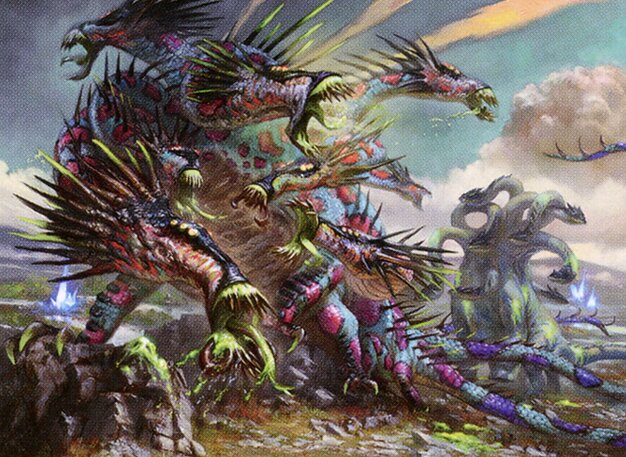
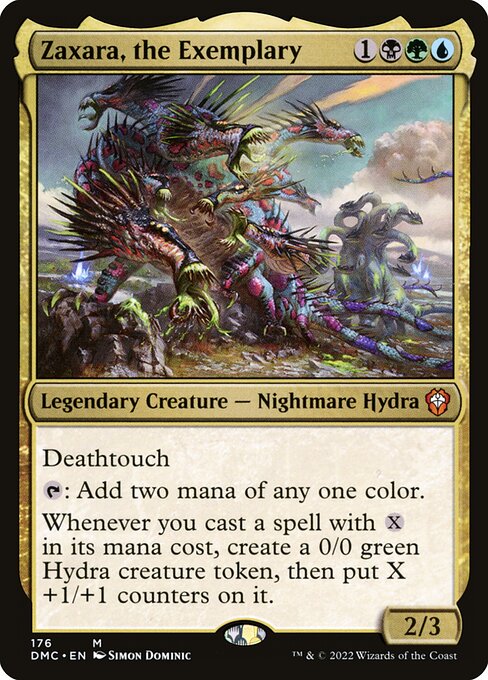
Zaxara, the Exemplary
Ramp and card advantage-focused deck that leverages Eldritch Evolution and powerful creatures like Consecrated Sphinx to generate massive card draw and tokens for defense and offense.

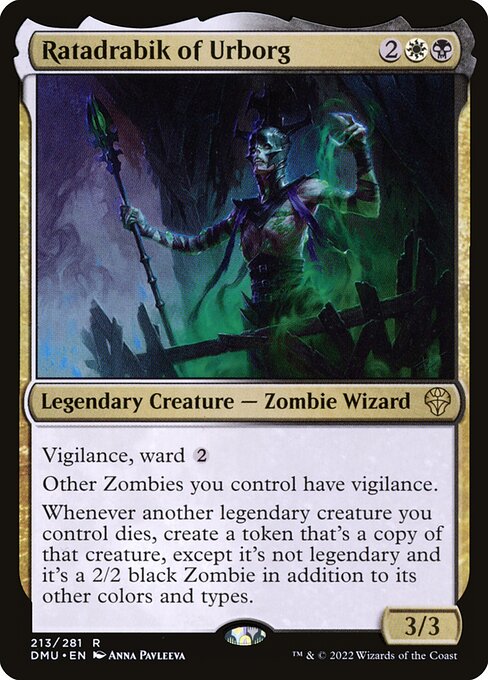
Ratadrabik of Urborg
Mono-green counter-based strategy focusing on growing creatures and controlling the board through incremental value and pressure while managing resources carefully.

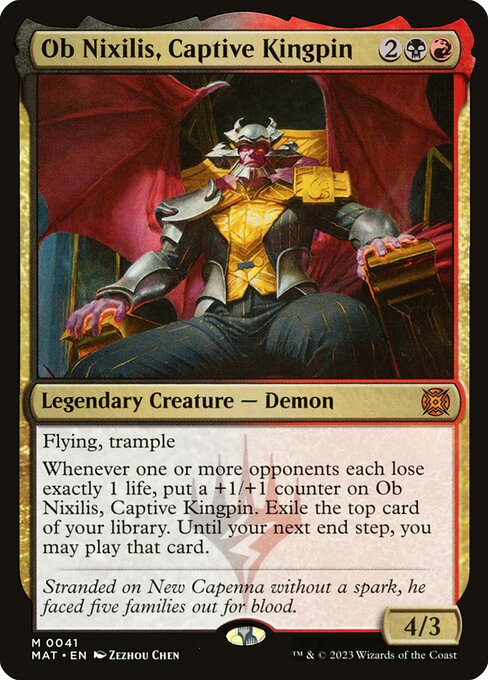
Ob Nixilis, Captive Kingpin
Control and attrition deck that uses incremental damage pings, Rhystic Study for card advantage, and life-drain effects to pressure opponents and maintain board dominance.
Gameplay Insights
- 1
Players heavily leveraged Rhystic Study triggers combined with mana acceleration to generate continuous card advantage, significantly influencing pacing.
- 2
The decision to target certain players with incremental damage pings shaped the flow of the game, as players balanced between removing threats and avoiding empowering others.
- 3
Zaxara's use of Eldritch Evolution to find flying blockers such as Consecrated Sphinx was a key defensive and value play, making it harder for opponents to close out the game quickly.
- 4
Ob Nixilis's incremental damage and life-drain effects pressured opponents effectively, while the interaction with Orcish Bowmaster allowed for selective removal on opponents’ creatures.
- 5
Resource management and timing of key spells like rituals and card draw were crucial, as players tried to build advantage without overextending and becoming vulnerable to board wipes or combat damage.
Notable Cards
-
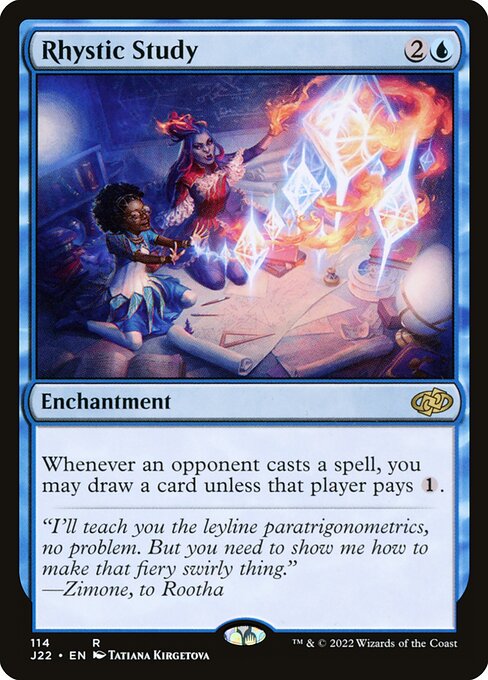
Rhystic Study
-
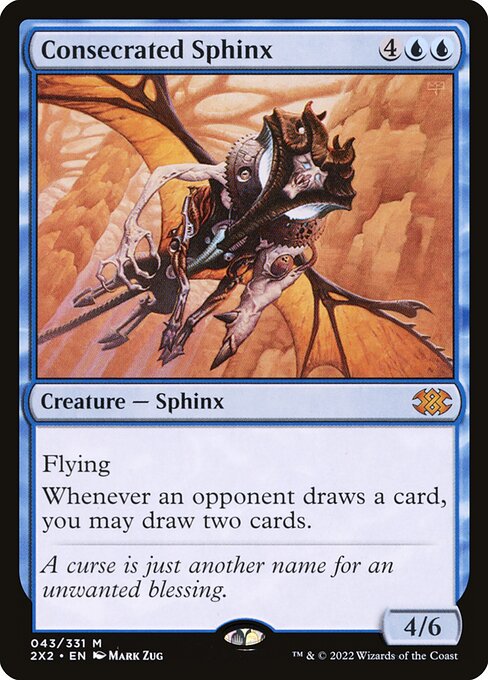
Consecrated Sphinx
-
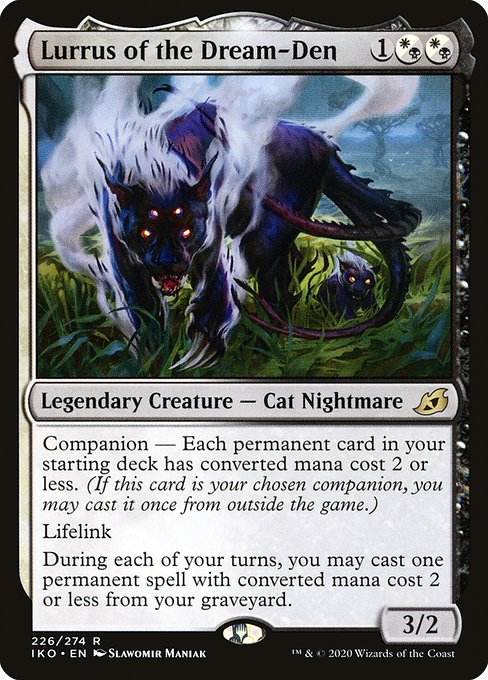
Lurrus of the Dream-Den
-
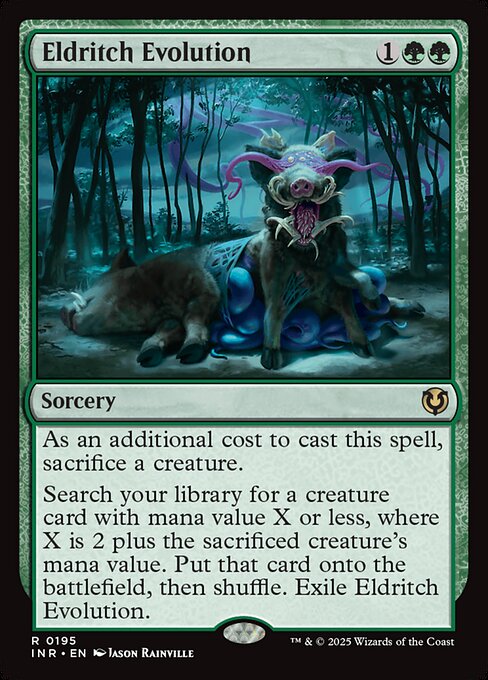
Eldritch Evolution
-
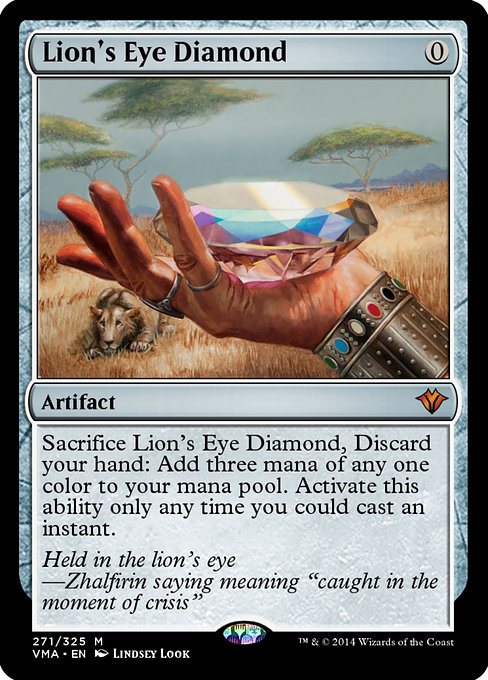
Lion's Eye Diamond
-
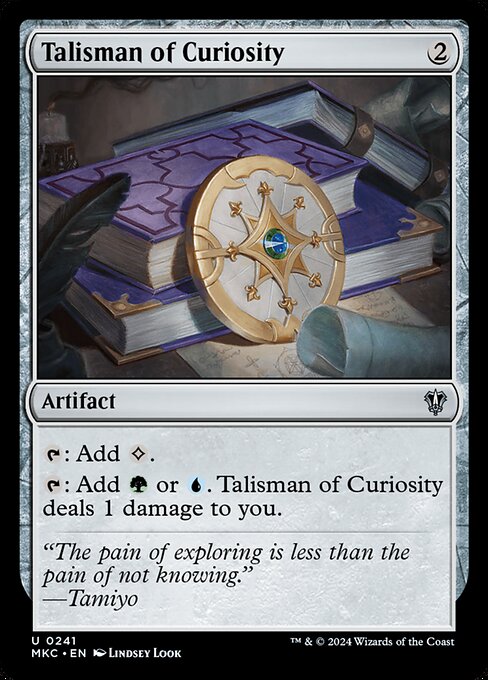
Talisman of Curiosity
-
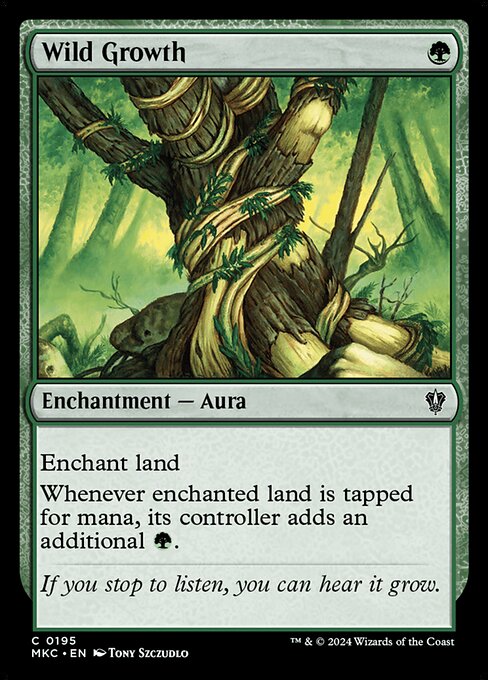
Wild Growth
-
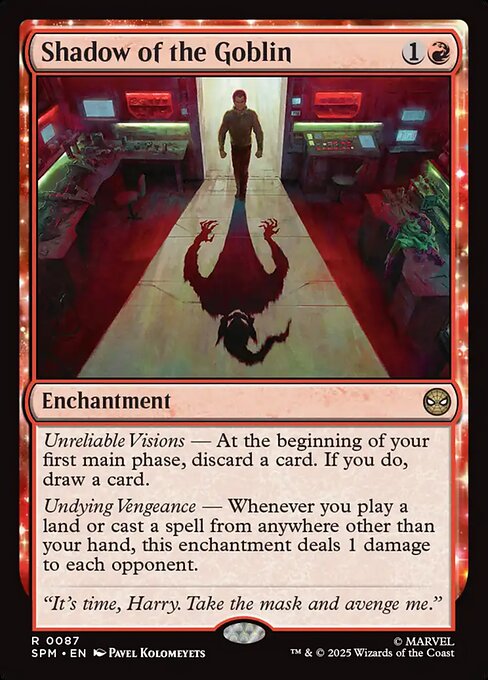
Shadow of the Goblin
Gameplay Summary
The game started with players setting up their mana bases and early plays, with a focus on ramp and card draw.
Ratadrabik and Ob Nixilis established early board presence and card advantage through cards like Lotus Pedal, Lurrus of the Dream-Den, and Rhystic Study, leading to a rapid acceleration in resources.
Bristly Bill and Zaxara also developed their boards, with Zaxara utilizing ramp and Eldritch Evolution to find impactful creatures like Consecrated Sphinx, aiming to generate overwhelming card advantage.
A key turning point was the heavy card draw and incremental damage pings from Ob Nixilis and the Orcish Bowmaster, which pressured opponents and forced difficult decisions about when to block or trade off creatures.
The interaction between Rhystic Study and multiple mana artifacts created substantial card advantage, allowing some players to hold significant hands, while others struggled to keep pace. As the game progressed, strategic targeting and damage distribution became critical.
Players debated which threats to prioritize, with some opting to leave certain players alone to avoid empowering others.
The synergy between the commanders and their supporting creatures shaped the board state, with Zaxara's token and flying blockers providing defense, while Ob Nixilis grew larger and continued to ping opponents.
The game leaned heavily on resource management and timing, with the eventual win condition revolving around overwhelming opponents with value from card draw engines and commander damage, particularly leveraging Zaxara's ability to generate tokens and Ob Nixilis's incremental life drain and board control.







![This Time, It's Personal! [Commander VS] | Magic: the Gathering Commander Gameplay thumbnail](https://i.ytimg.com/vi/VibCoKEPrWU/sddefault.jpg)


