

Deck & Commander Strategies
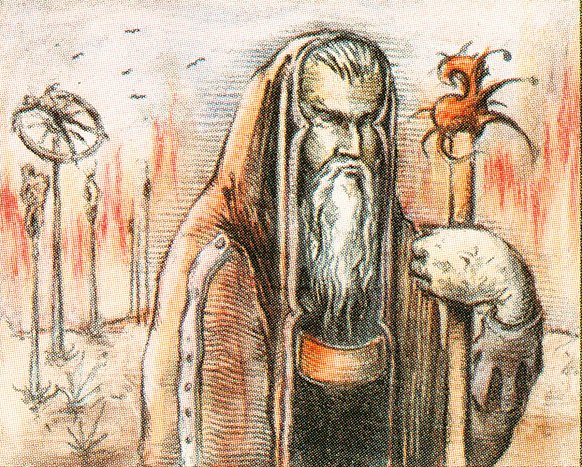
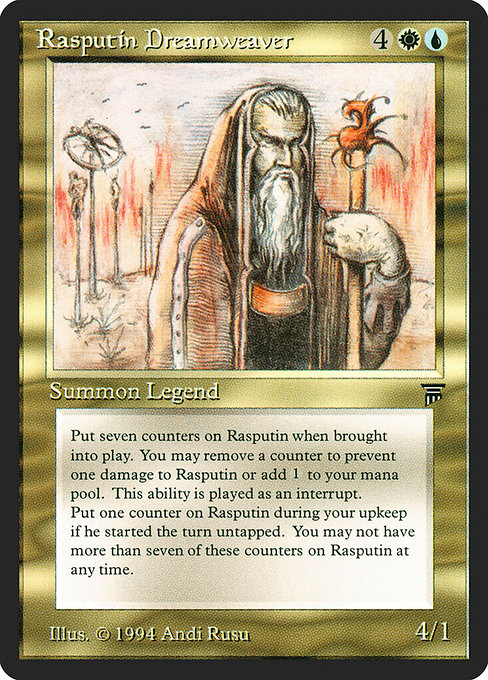
Rasputin Dreamweaver
Uses dream counters to generate mana or prevent damage, focusing on resource accumulation and survivability to enable casting big threats.
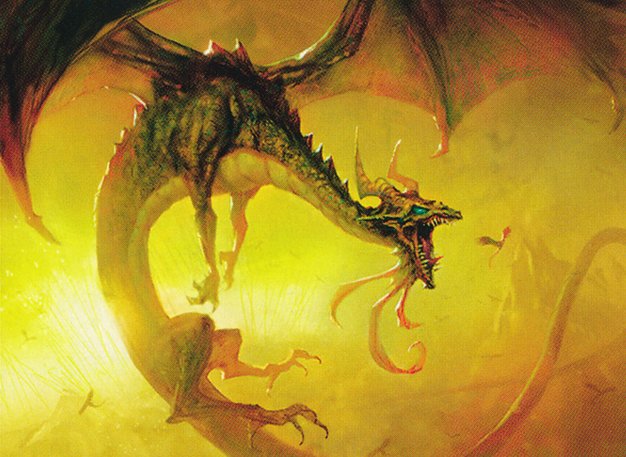
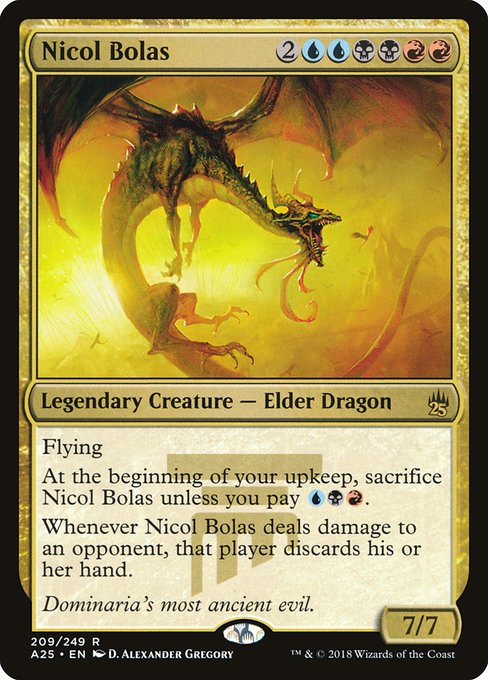
Nicol Bolas
A flyer that forces opponents to discard entire hands upon damage, aiming to disrupt opponents' resources and control the game through hand depletion.
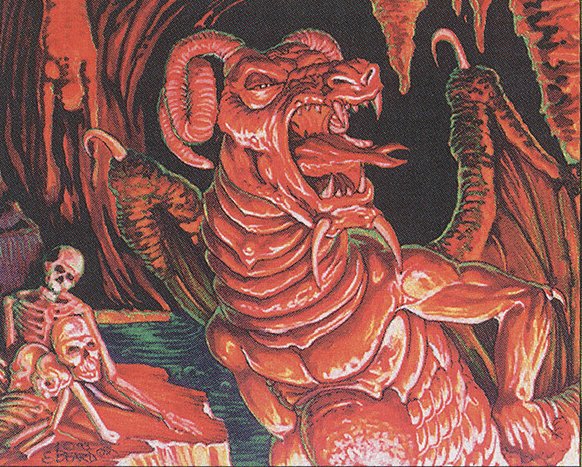
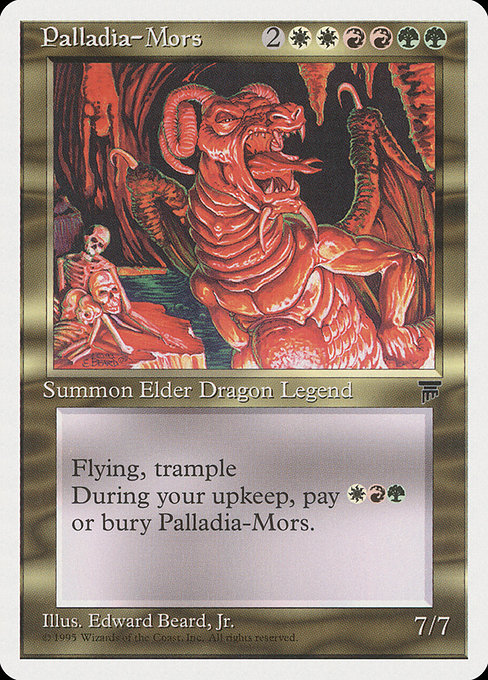
Palladia-Mors
A flying trample Elder Dragon requiring upkeep payments, focusing on brute force through flying trample damage, supported by spells and creatures that control the board.
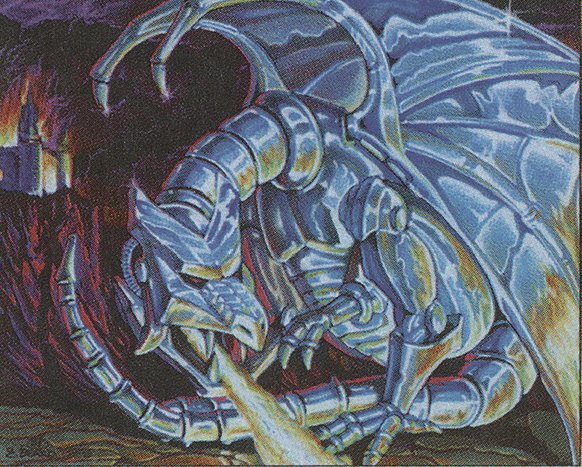
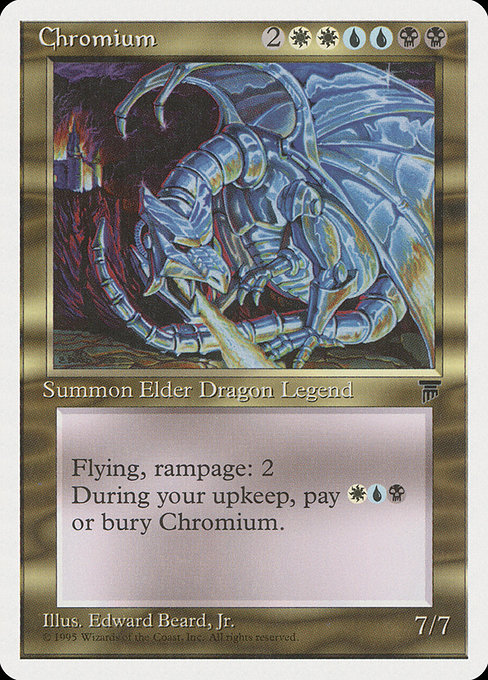
Chromium
A flying rampage Elder Dragon with upkeep costs, emphasizing aggressive flying combat and maintaining pressure on opponents while managing resource upkeep.
Gameplay Insights
- 1
The inclusion of four copies of Karakas in the decks hinted at key interactions revolving around bouncing legendary creatures to disrupt combat and protect commanders.
- 2
Players carefully managed the upkeep costs of their Elder Dragons, which created tension between maintaining board presence and preserving life totals.
- 3
Blazing Effigy’s chain reaction damage provided a unique board control tool that could punish aggressive creature plays and potentially trigger multiple damage events.
- 4
The use of poison counters via Pit Scorpion introduced an alternate win condition besides combat damage, adding strategic layers to targeting decisions.
- 5
Arcane Signet from the Legends set offered flexible mana acceleration and resource management, showcasing the power of old artifacts in enabling big spells.
- 6
The game emphasized classic Legends-era mechanics such as flying vigilance creatures and limited card draw, influencing tempo and decision-making throughout.
Notable Cards
-
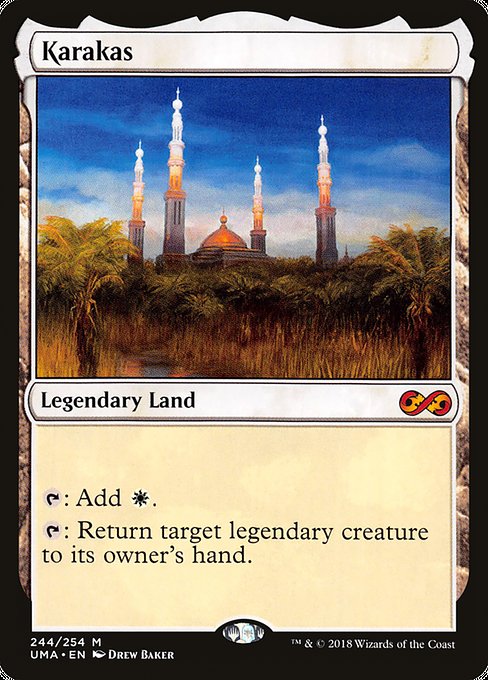
Karakas
-
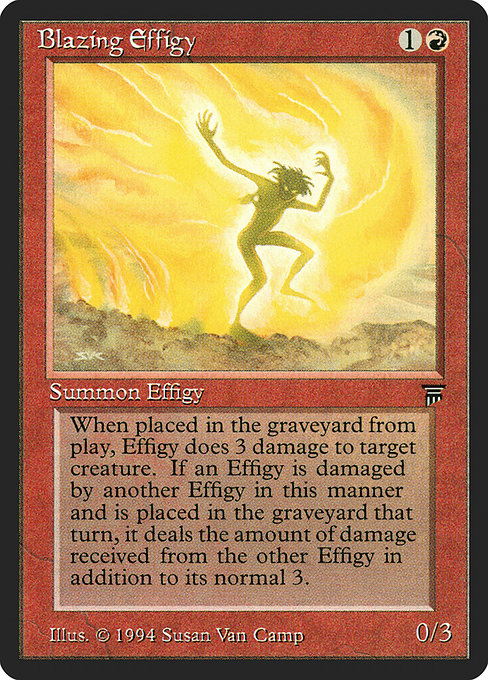
Blazing Effigy
-
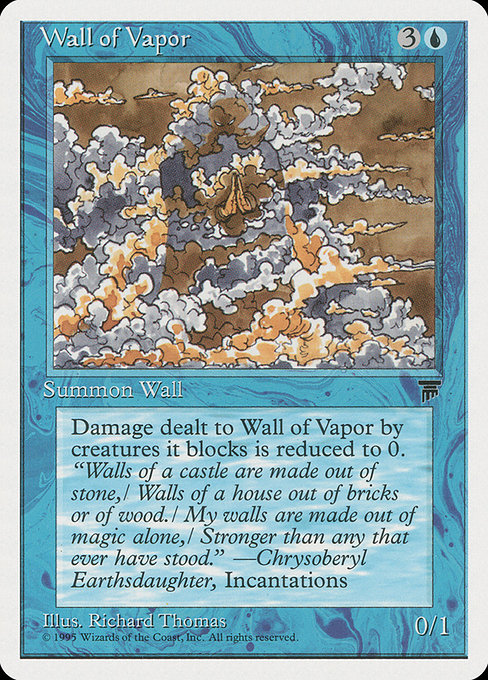
Wall of Vapor
-
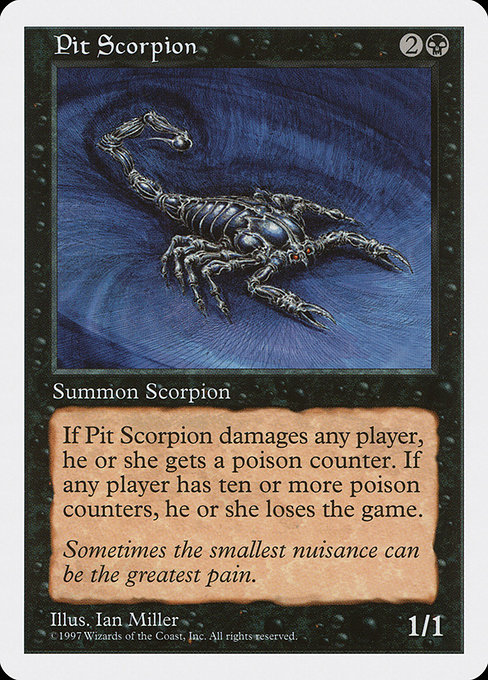
Pit Scorpion
-
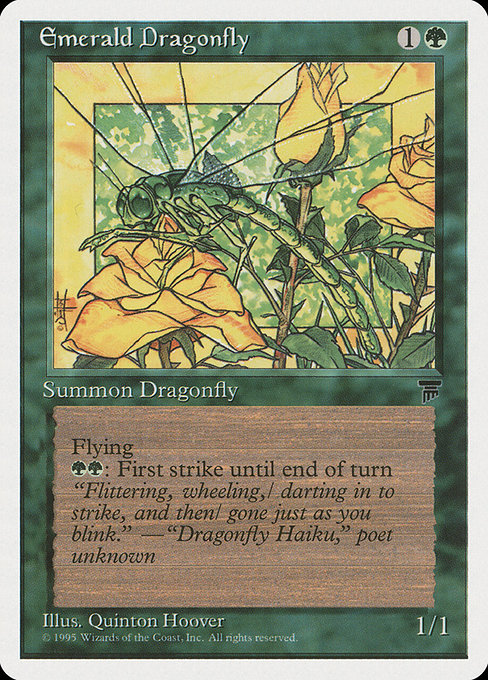
Emerald Dragonfly
Gameplay Summary
The game featured four players piloting iconic Elder Dragon commanders from the Legends set: Rasputin Dreamweaver, Nicol Bolas, Palladia-Mors, and Chromium.
Early turns involved slow ramping and deploying small creatures and mana artifacts, with players cautiously building their boards while managing the upkeep costs of their powerful commanders.
A notable early play was the casting of Karakas, a key legendary land that could bounce creatures, creating tension around board control and tempo.
Players exchanged initial damage and setup plays, with some focusing on flyers and others on poison counters, setting up multiple potential win conditions. Mid-game saw players leveraging old-school synergy cards like Blazing Effigy that could chain damage reactions, and Deavenant Archer for targeted removal, shaping combat interactions and board presence.
The game maintained a classic Legends-era feel, emphasizing the importance of resource management and the threat of losing commanders to upkeep costs.
Although no decisive win was shown in the excerpt, the dynamics suggested a battle between aggressive flying threats and slow-building control elements, with poison counters and combat damage as tangible paths to victory.


![EDH VS S1E3: Vaevictis v. Nicol Bolas v. Arcades v. Chromium [MTG Multiplayer] thumbnail](https://i.ytimg.com/vi/I8yA7J2GMrE/sddefault.jpg)


