

Deck & Commander Strategies
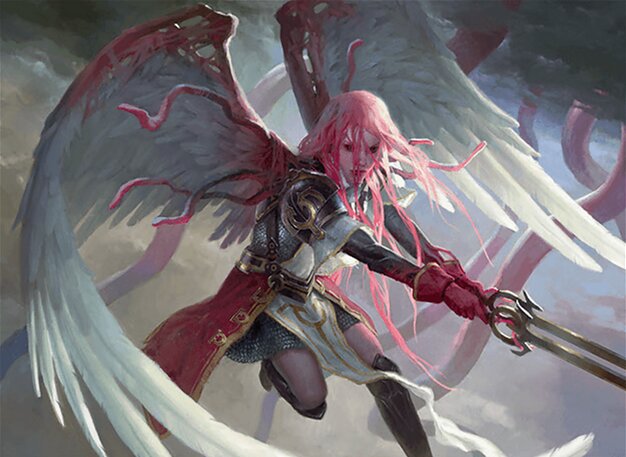
Gisela, the Broken Blade
Angel tribal focused on gaining life and using flying creatures to pressure opponents, supported by life gain triggers and equipment to enhance combat effectiveness.
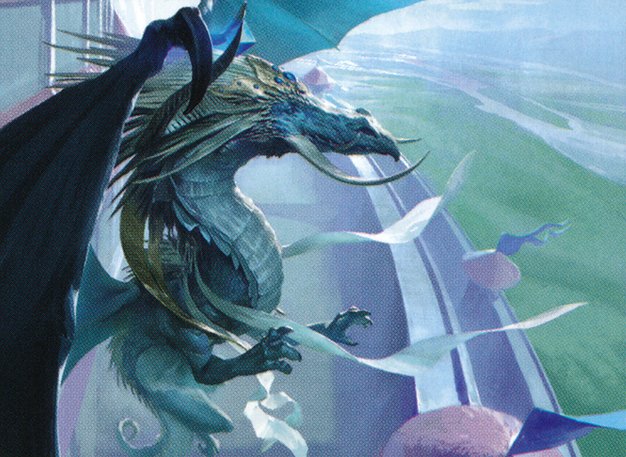
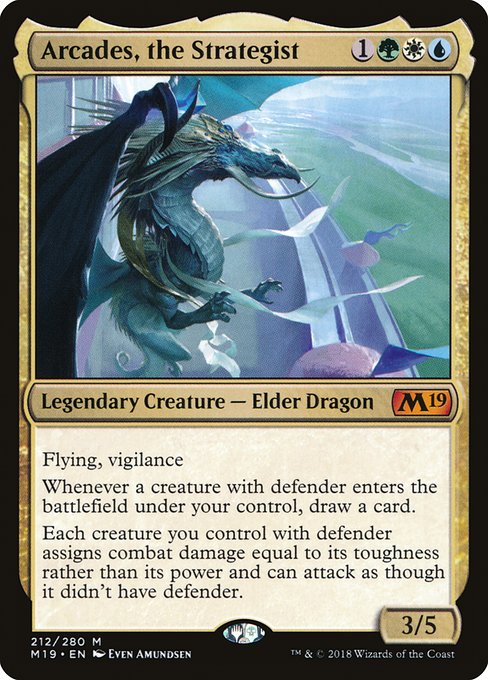
Arcades, the Strategist
Wall tribal that capitalizes on drawing cards when walls enter the battlefield and uses walls defensively while accumulating card advantage to control the board.
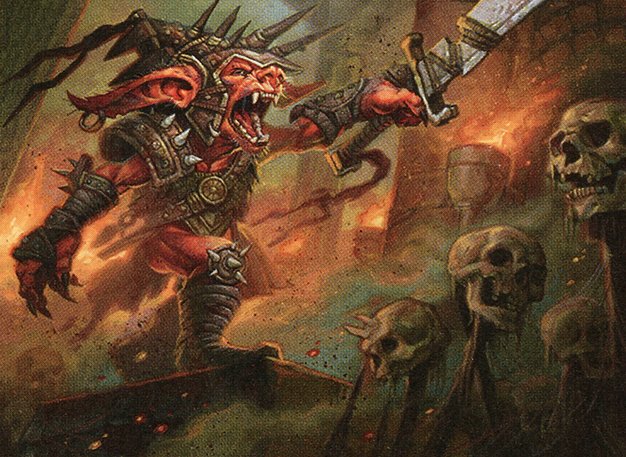

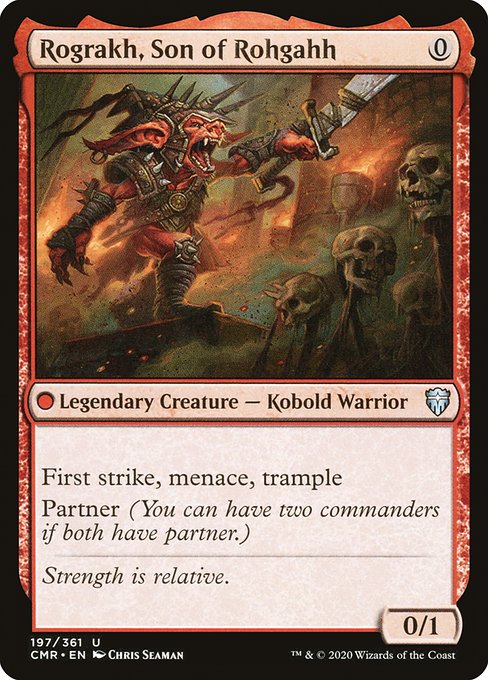
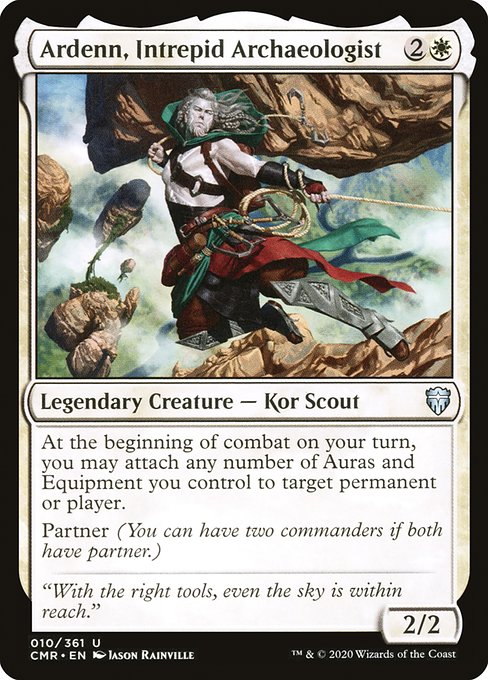
Rograkh, Son of Rohgahh / Ardenn, Intrepid Archaeologist
Voltron strategy that equips Rograkh or Ardenn with multiple equipment to quickly grow in power and deal lethal damage, drawing cards through combat damage triggers.
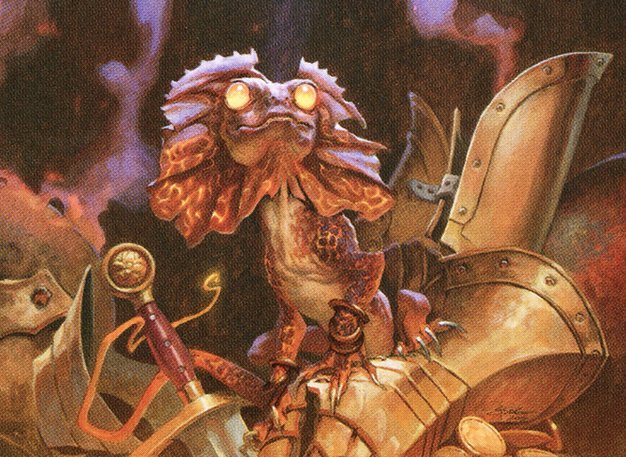
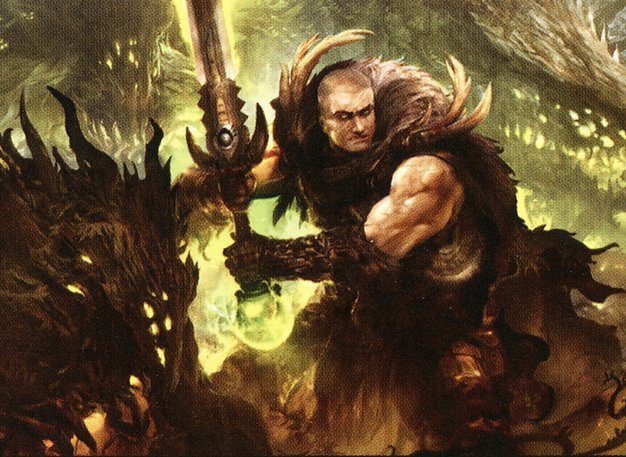
Kamahl, Heart of Krosa / Kediss, Emberclaw Familiar
Landfall-based ramp deck that grows creatures and gains value by playing multiple lands per turn, leveraging counters and landfall triggers to overwhelm opponents.
Gameplay Insights
- 1
Rograkh’s aggressive equipment play early in the game pressured opponents and generated card advantage through damage triggers, making him a primary threat.
- 2
Arcades’ wall tribal deck used its defensive creatures not only to stall damage but also to consistently draw cards and maintain board presence.
- 3
Kamahl’s landfall strategy focused on ramping lands and accumulating counters on creatures to grow threats quickly, using spells like Cultivate to accelerate land drops.
- 4
Use of Return to Dust to remove problematic enchantments disrupted opponents’ strategies and helped regain board control.
- 5
Players targeted the highest life totals and biggest threats first, with Rograkh’s Voltron and Gisela’s lifegain decks drawing the most aggression early on.
- 6
Equipping creatures with multiple swords and haste-granting equipment accelerated damage output and card draw, creating a snowballing effect.
Notable Cards
-
Rograkh, Son of Rohgahh
-
Ardenn, Intrepid Archaeologist
-
Arcades, the Strategist
-
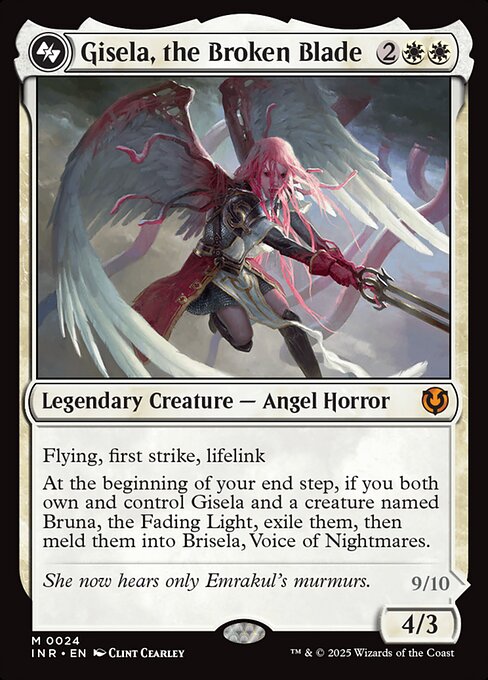
Gisela, the Broken Blade
-
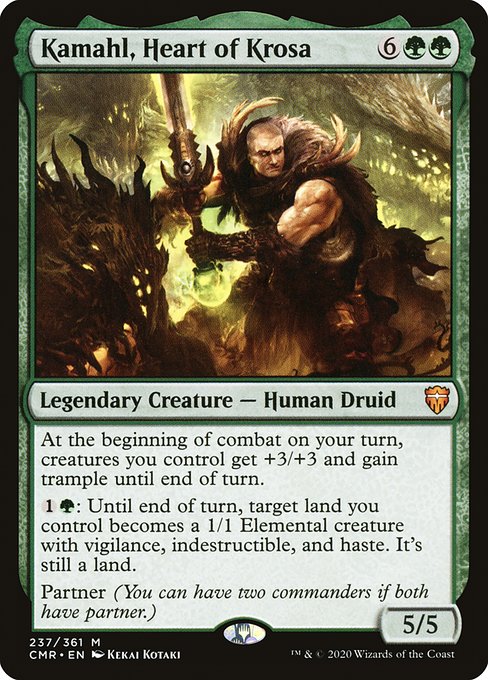
Kamahl, Heart of Krosa
-
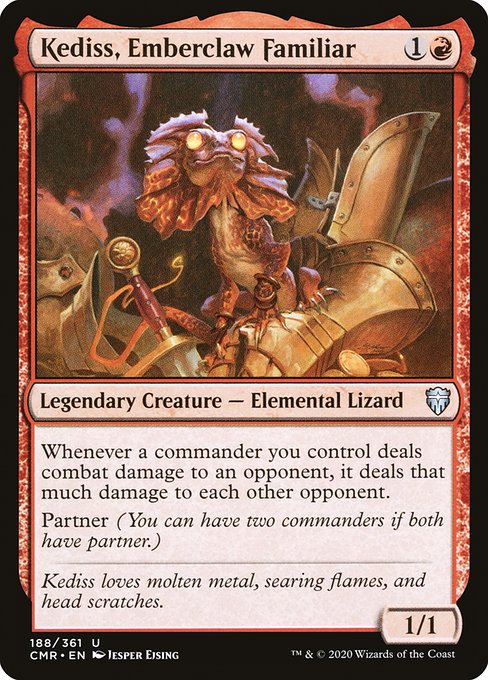
Kediss, Emberclaw Familiar
-
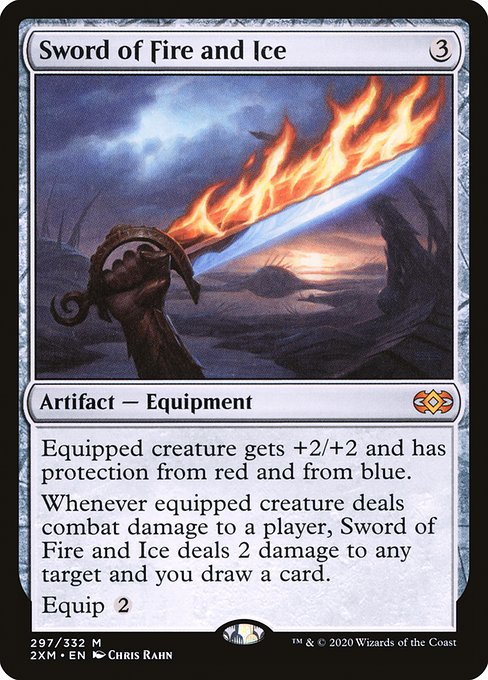
Sword of Fire and Ice
-
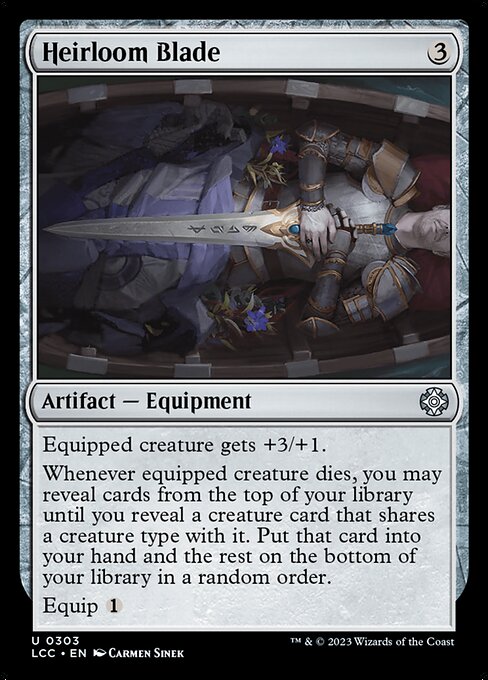
Heirloom Blade
-
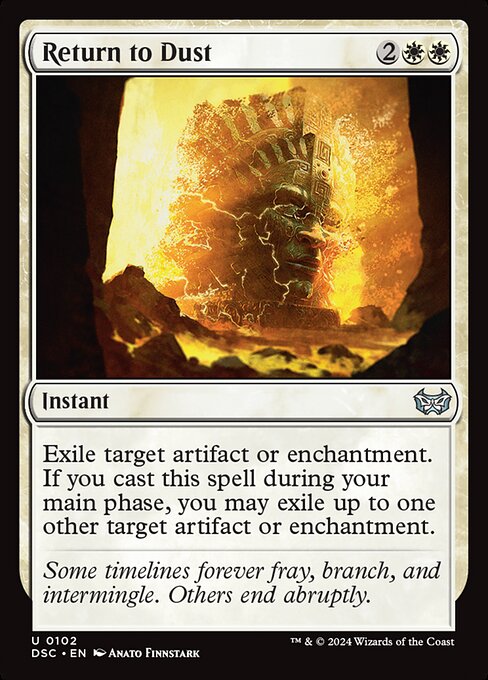
Return to Dust
-
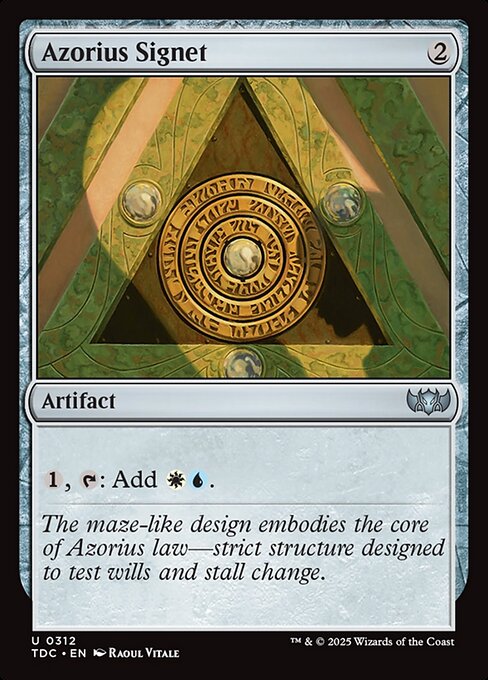
Azorius Signet
-
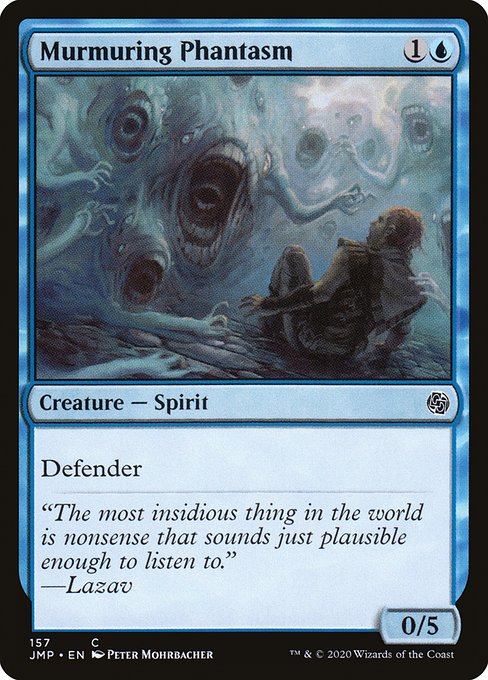
Murmuring Phantasm
-
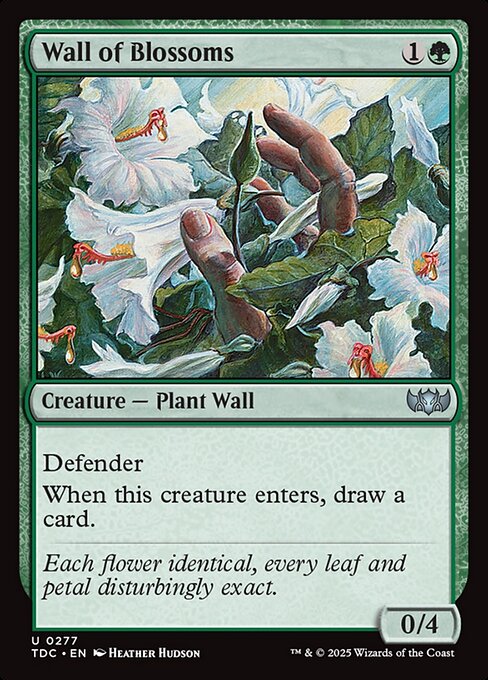
Wall of Blossoms
-
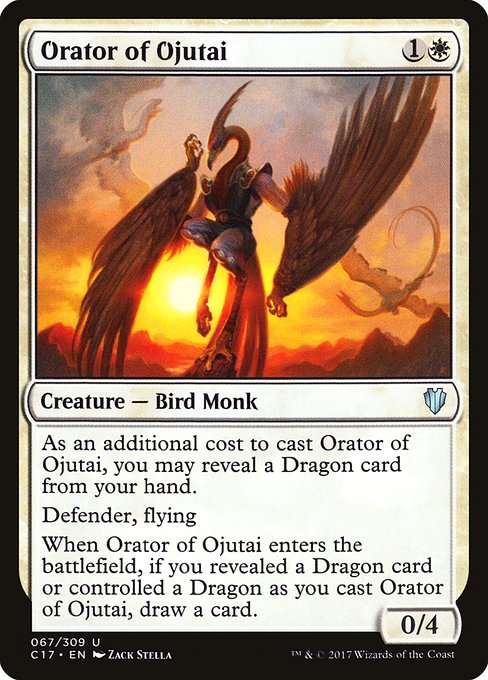
Orator of Ojutai
-
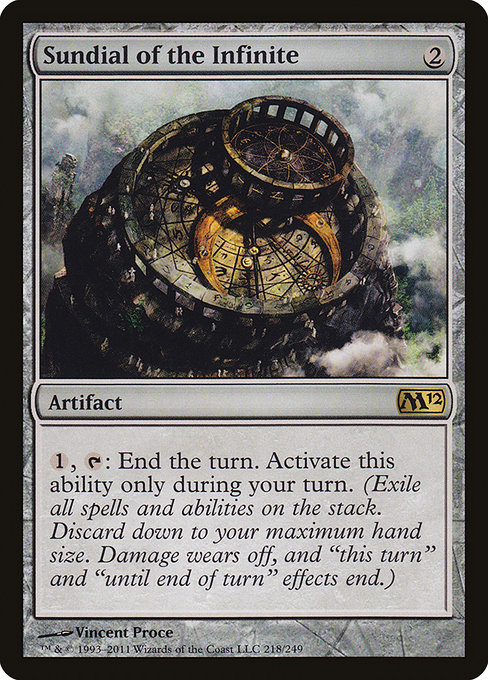
Sundial of the Infinite
-

Cultivate
Gameplay Summary
The game opened with a variety of thematic decks: mono-white Angel tribal, a Voltron deck focused on Rograkh and Ardenn, a wall tribal led by Arcades, and a landfall strategy with Kamahl and Kediss.
Early turns featured typical ramp and setup plays, with players deploying key equipment and ramp spells to accelerate their strategies.
Rograkh’s Voltron package became threatening quickly with multiple swords and equipment, enabling aggressive attacks that pressured opponents and drew cards via damage triggers.
Meanwhile, Arcades’ wall tribal leveraged defensive creatures and card draw to maintain board presence and card advantage.
Kamahl’s landfall deck steadily accumulated counters on key creatures and generated additional lands to fuel powerful landfall triggers, while Gisela’s angel tribal aimed to gain life and build a flying offense supported by life gain synergies.


![All Cards Under $5 [Commander VS] | Magic: The Gathering Commander Gameplay thumbnail](https://i.ytimg.com/vi/Xi9iE_MQZu8/sddefault.jpg)




![Commander VS S12E1: Nicol Bolas vs Arcades vs Vaevictis Asmadi vs Chromium [EDH] thumbnail](https://i.ytimg.com/vi/gtfErgL6f9U/sddefault.jpg)


