

Deck & Commander Strategies

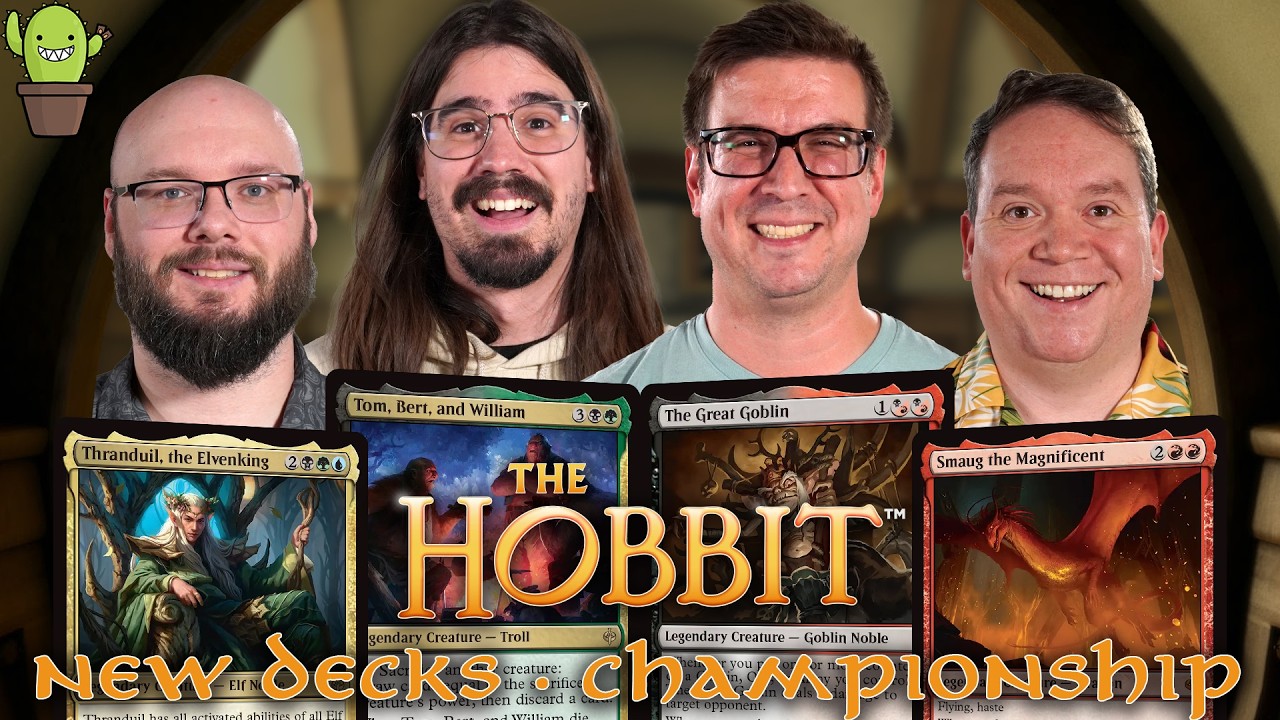
Smaug the Magnificent
Generate treasure tokens each upkeep to fuel Smaug's attack trigger, dealing damage to any target and applying pressure through flying haste and repeated treasure generation.

Tom, Bert, and William
Sacrifice creatures to draw cards and discard strategically, while recurring as an artifact upon death to maintain board presence and outvalue opponents over time.

The Great Goblin
Build +1/+1 counters on goblins and trigger damage to opponents and permanents through Great Goblin's ping ability, controlling the board and applying incremental pressure.

Thranduil, the Elvenking
Utilize legendary elves and activated abilities by putting elves in the graveyard to use Thranduil's ability, drawing cards and gaining value from elf synergies and graveyard interactions.
Gameplay Insights
- 1
Smaug's ability to generate treasures each upkeep and use them to deal damage to any target allowed for versatile and efficient board control, exemplified by destroying Elvish Archdruid to hinder Thranduil's mana ramp.
- 2
The Great Goblin's strategy of spreading counters and pinging permanents and players leveraged incremental damage over time, which pressured opponents without relying on traditional aggressive combat.
- 3
Tom, Bert, and William's resilience through artifact recursion made it difficult to remove them permanently, enabling sustained card advantage through sacrificing creatures.
- 4
Thranduil's deck relied heavily on elf synergy and activated abilities, but losing key mana producers early to Smaug's attacks significantly disrupted its game plan.
- 5
Players carefully managed treasure token distribution to balance resource generation and enable impactful attacks, showing the importance of artifact and treasure synergy in this game.
Notable Cards
-

Smaug the Magnificent
-

Tom, Bert, and William
-

The Great Goblin
-

Thranduil, the Elvenking
-
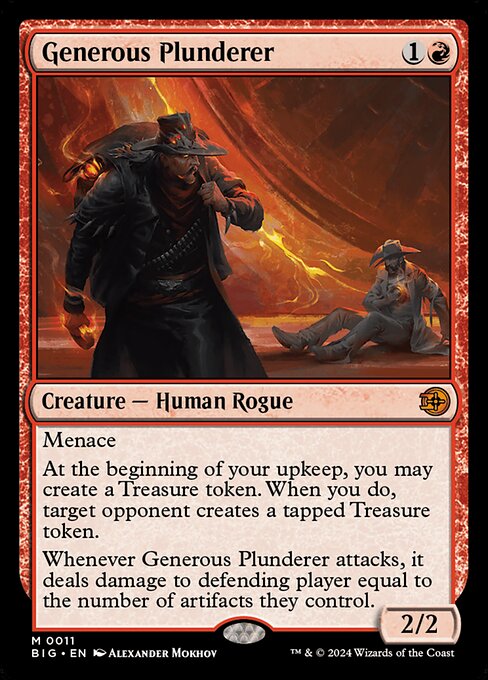
Generous Plunderer
-

Elvish Archdruid
-
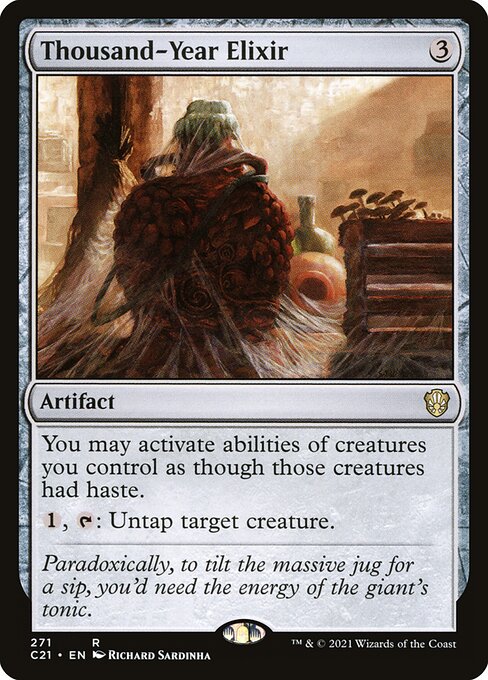
Thousand-Year Elixir
Gameplay Summary
The game features four unique Hobbit-themed Commander decks, each with distinct strategies.
Early turns saw the players developing their mana bases and setting up key pieces, such as treasure token generators and mana accelerants.
Smaug the Magnificent's deck focused on accumulating treasures to fuel powerful attack triggers that dealt damage to any target, swinging the game's tempo with high-impact aggression.
Meanwhile, Tom, Bert, and William's deck leveraged their unique ability to sacrifice creatures for card draw and recur as artifacts, aiming for resilience and incremental advantage. The Great Goblin deck emphasized spreading +1/+1 counters on goblins and using triggered damage to control the board and opponents, while Thranduil's elf-centric deck utilized legendary elves and graveyard synergies to gain value from activated abilities and card draw.
A key turning point occurred when Smaug used treasure-fueled damage to destroy a critical Elvish Archdruid, disrupting Thranduil's mana production and tempo.
The game showcased interactions between treasure production, artifact synergies, and targeted damage strategies, with Smaug's aggressive treasure utilization posing a significant threat to the table's balance.