

Deck & Commander Strategies

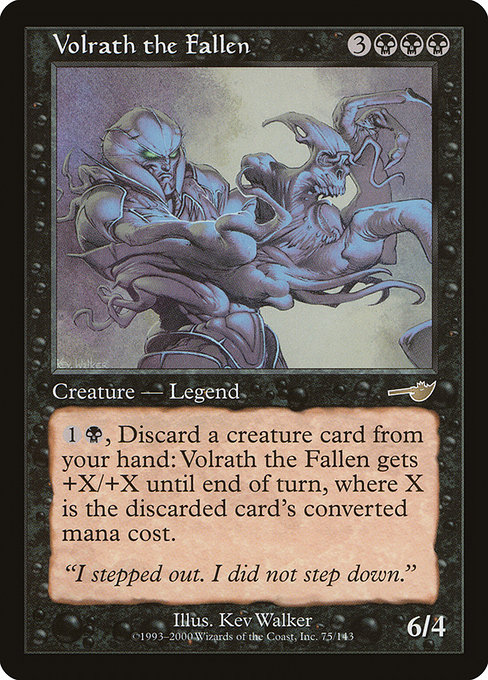
Volrath the Fallen
A monoblack deck centered on value creatures, graveyard recursion, and aggressive creature combat supported by artifacts and lands that generate extra mana or utility, aiming to overwhelm opponents with big threats and removal.
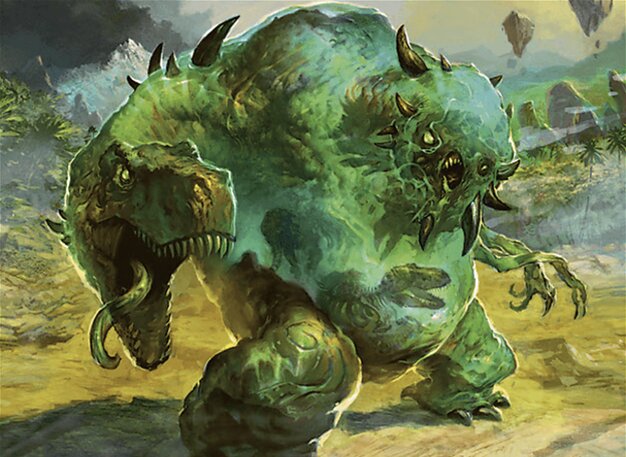
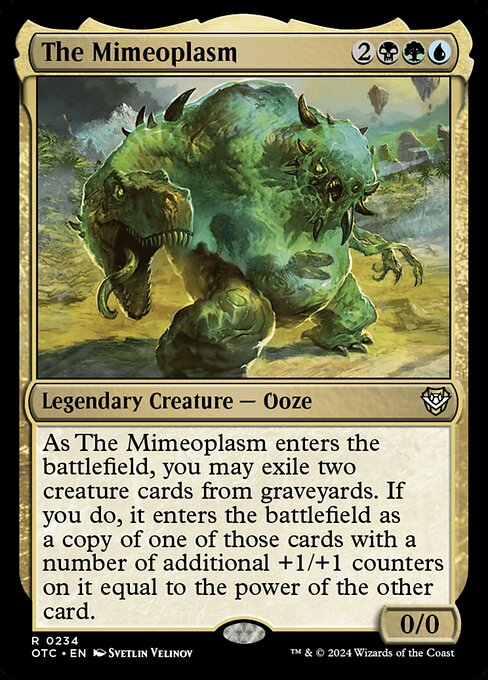
The Mimeoplasm
A graveyard-focused deck that fills the graveyard with large creatures, then animates The Mimeoplasm to become a copy with added +1/+1 counters, leveraging powerful creatures like Galta and Skithiryx for massive board presence and lethal attacks.
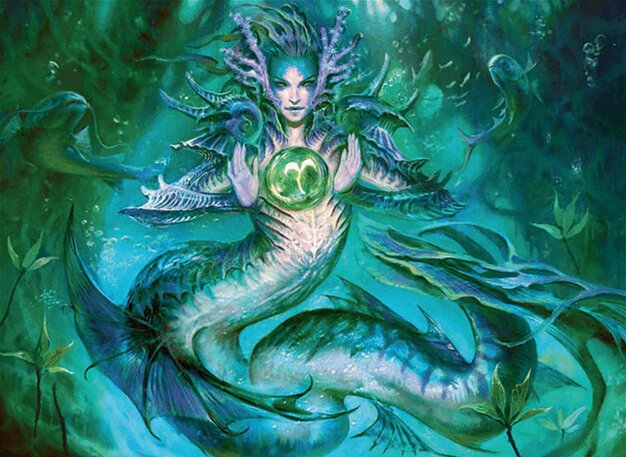
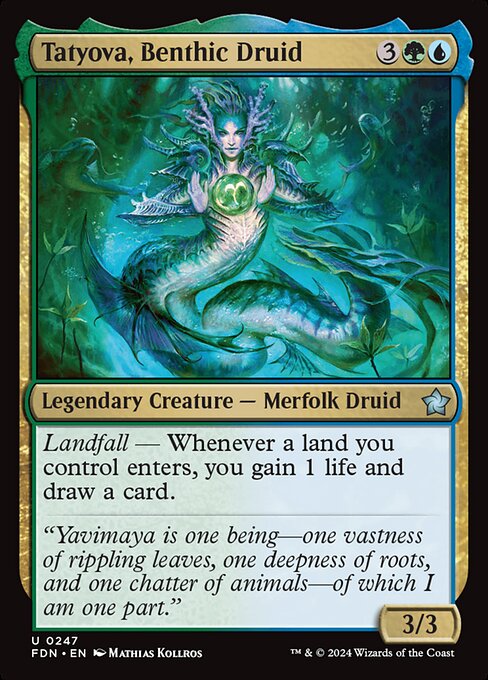
Tatyova, Benthic Druid
A landfall and ramp deck that gains incremental advantage by drawing cards and gaining life whenever a land enters the battlefield, using this engine to build a large board and outvalue opponents over time.

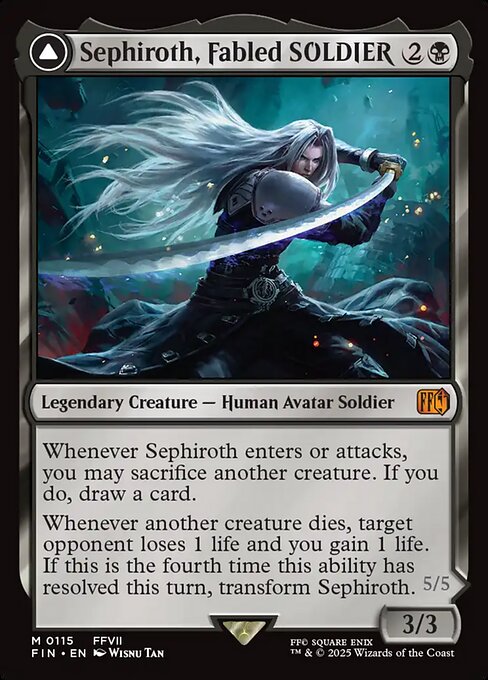
Sephiroth, Fabled SOLDIER // Sephiroth, One-Winged Angel
A controlling and combo-oriented deck that uses spells and creatures to gradually weaken opponents, refilling the hand and manipulating the library via cards like Scroll Rack, aiming to win through attrition and precise combo triggers.
Gameplay Insights
- 1
Using Buried Alive to stock the graveyard with high-impact creatures was a pivotal setup for The Mimeoplasm's power growth and threat development.
- 2
The timing of playing Bajuka Bog was crucial for disrupting opponents' graveyards and preventing recursion, demonstrating the importance of hate cards in the meta.
- 3
Volrath’s use of Blood Artist provided a form of protection by discouraging opponent attacks and rewarding creature deaths, reinforcing his aggressive board control strategy.
- 4
Scroll Rack was utilized effectively to reset the hand and dig for needed cards, showing strong card advantage techniques in play.
- 5
Players carefully managed their mana and lands, including utility lands like Pete Bog, to maximize resource availability and enable multiple spell casts per turn.
- 6
The interplay between incremental value engines (landfall, card draw on spells, creature triggers) and high-impact creatures dictated the flow and tempo of the game.
Notable Cards
-
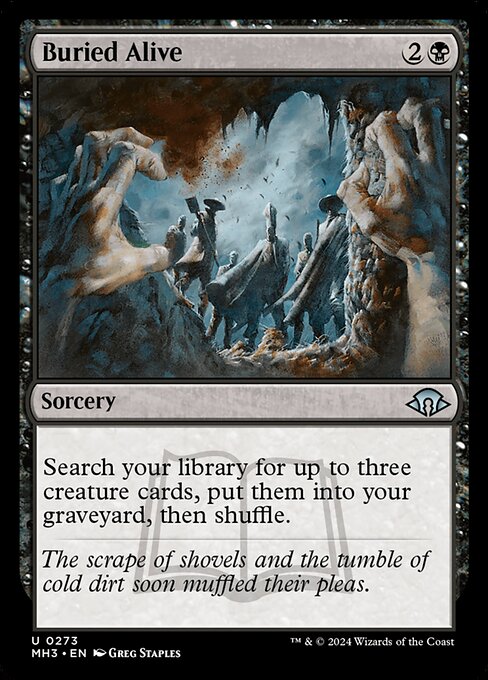
Buried Alive
-

Blood Artist
-
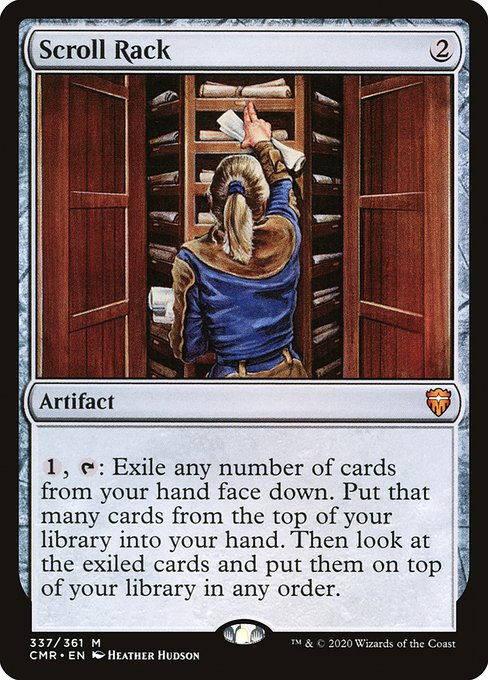
Scroll Rack
-
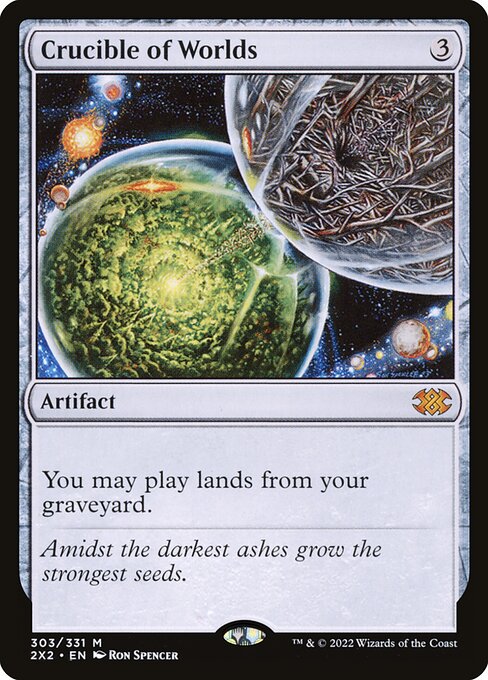
Crucible of Worlds
-
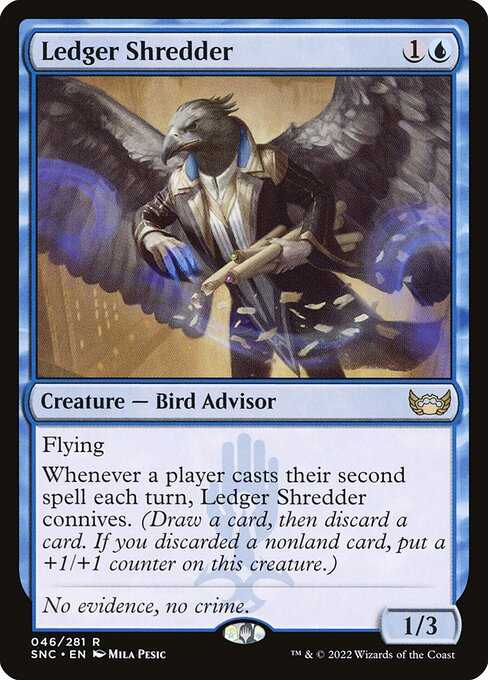
Ledger Shredder
-
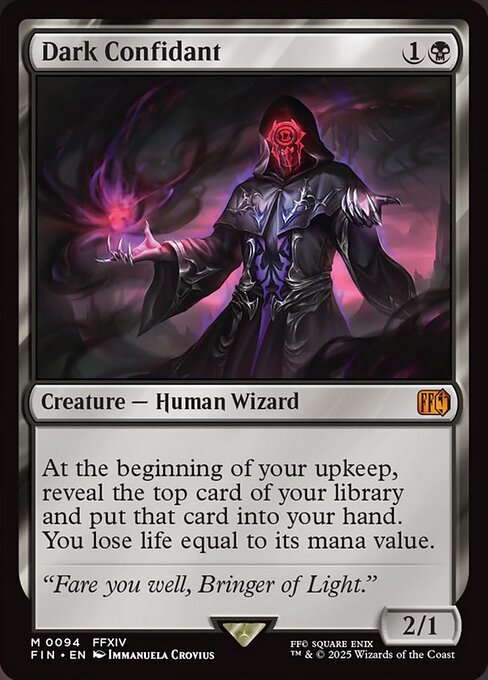
Dark Confidant
Gameplay Summary
The game began with players developing their mana bases and setting up early board presence.
Volrath the Fallen focused on a monoblack value and creature-based strategy, deploying utility lands and artifacts like Crucible of Worlds and Worn Power Stone to accelerate his game plan.
The Mimeoplasm player aimed to fill the graveyard with large creatures and then animate the Mimeoplasm to become a powerful threat.
Tatyova, Benthic Druid's player pursued a landfall strategy, ramping and drawing cards to gain incremental advantage.
Sephiroth’s deck executed a more controlling and combo-oriented approach, using spells and creatures to weaken opponents over time. Key moments included the Mimeoplasm player using Buried Alive to put big creatures like Galta, Primal Hunger and Skithiryx the Blight Dragon into the graveyard, setting up a potent graveyard-based threat.
Volrath made strong use of Pete Bog (a land that provides mana) and Blood Artist to pressure opponents and protect himself.
Tatyova leveraged land drops and card draw to steadily grow her board, while Sephiroth used spells like Scroll Rack to refill his hand and manipulate draws.
The game featured strategic interactions between graveyard hate, removal spells, and incremental value engines, ultimately revolving around the big creatures and combos brought back by The Mimeoplasm and Volrath’s aggressive kill potential.
The shifting board state and resource management highlighted the importance of timing key spells and maximizing value from graveyard recursion and landfall triggers.


![Commander VS S16E7: The Locust God VS Horde of Notions VS Tatyova VS Balan [EDH] thumbnail](https://i.ytimg.com/vi/yqrnU70Qx6I/sddefault.jpg)


![Commander VS S6E8: Surrak vs Rhys vs Volrath vs Sygg [MTG] thumbnail](https://i.ytimg.com/vi/GIpfeqeSY3Y/sddefault.jpg)


![Commander VS S5E1: Liliana vs Tasigur vs Kangee vs The Mimeoplasm [MTG Multiplayer] thumbnail](https://i.ytimg.com/vi/u35l-cgkQEY/sddefault.jpg)
![Commander Versus Series: Mimeoplasm v. Melek v. Maelstrom Wanderer v. Prossh [MTG Multiplayer] thumbnail](https://i.ytimg.com/vi/H3JROxdcaPo/sddefault.jpg)


![Descend into Damage💥 | Herumkommandiert #14 | EDH Commander [Deutsch] thumbnail](https://i.ytimg.com/vi/l8nlvGQG1Xs/sddefault.jpg)


