Deck & Commander Strategies

Vraska, Soul of Stone
Utilizes sacrifice outlets and token generation to cast spells repeatedly, aiming to control the board and deal incremental damage through pings and aggressive creatures.

Memnarch, the Warden
Focuses on artifact synergies and resilience, using indestructibility and artifact manipulation to generate value and control the battlefield.

Karn, Gilded Guardian
Leverages planeswalker support and a five-color mana base to flood the board with planeswalkers and maximize their loyalty abilities for control and advantage.

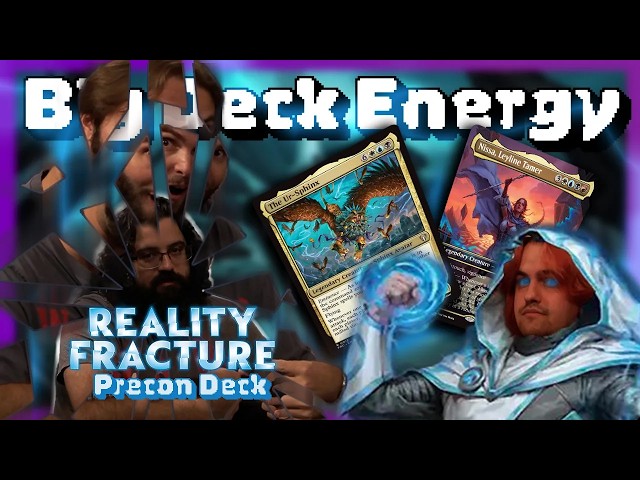
The Ur-Sphinx
Relies on eminence to reduce casting costs and generate flying threats early, aiming to dominate the air and capitalize on combat damage to win.
Gameplay Insights
- 1
Casting spells from the rift to empower Jace tokens was a pivotal mechanic that provided incremental loyalty counters and activated powerful abilities to influence the game.
- 2
Early mana acceleration via turn one Soul Ring enabled explosive starts for artifact-based strategies, putting pressure on opponents quickly.
- 3
Players had to balance the risk of empowering Jace tokens—since their death caused life loss—against the benefit of accessing strong loyalty abilities.
- 4
The shared nature of the rift spells introduced a meta layer where players could deny or capitalize on opponents’ key cards, affecting timing and resource management.
- 5
Using Jace the Mind Sculptor’s ability to rearrange the bottom of opponents' libraries synergized well with the rift mechanic, allowing manipulation of future rift cards.
Notable Cards
-
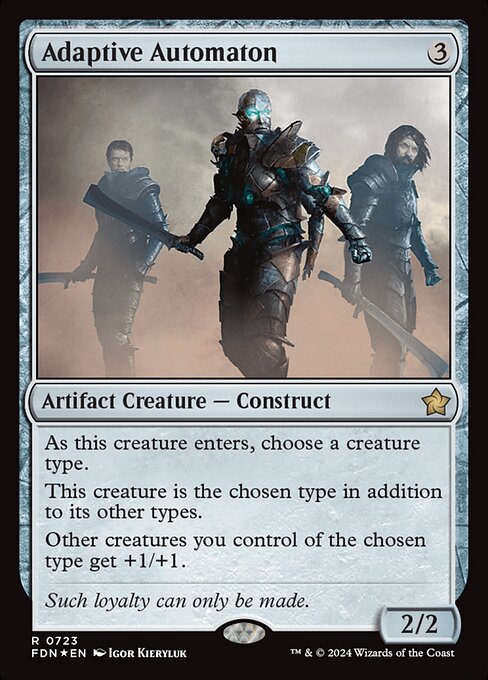
Adaptive Automaton
-
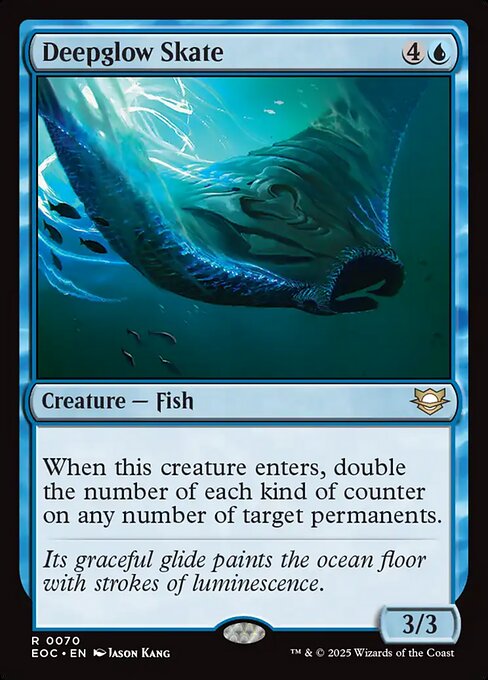
Deepglow Skate
-
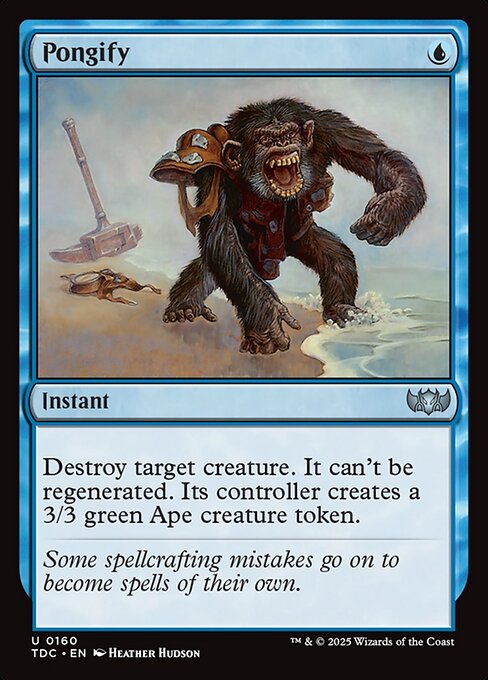
Pongify
-

Variable Chaser // Arc of Fortune
-
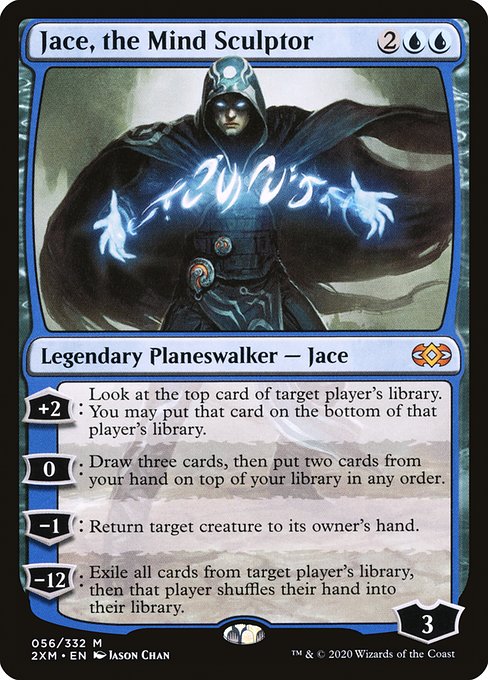
Jace, the Mind Sculptor
-
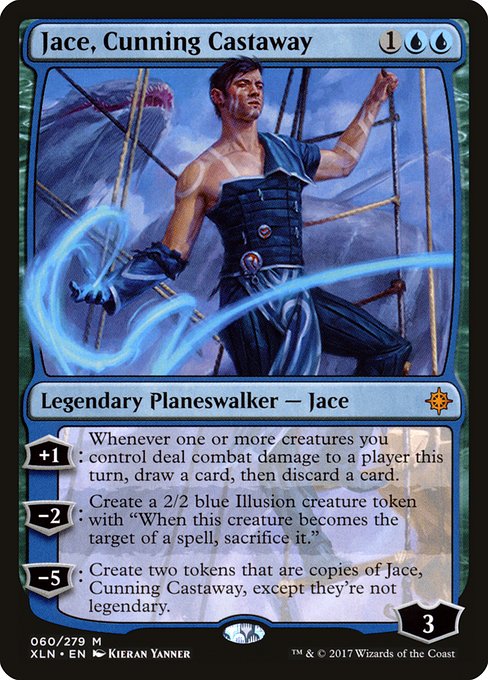
Jace, Cunning Castaway
Gameplay Summary
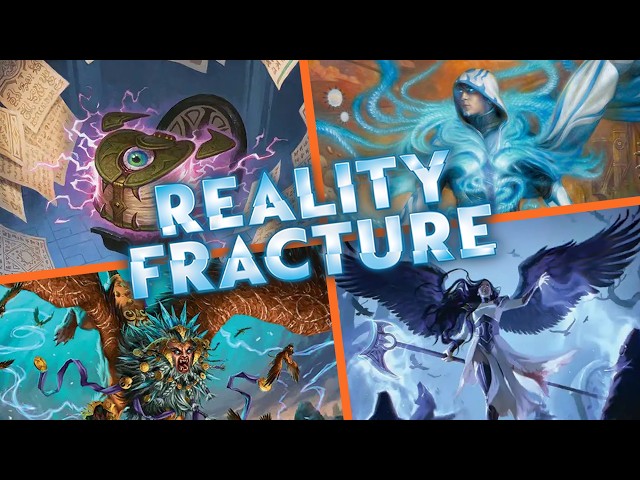
The game began with each player exiling a nonland card from the bottom of their deck into the shared rift, introducing a unique resource mechanic where any player could cast these exiled spells using mana of any color.
Casting spells from the rift empowered the shared Jace Planeswalker tokens, which provided various loyalty abilities that influenced the game state.
Early on, the artifact deck took advantage of a turn one Soul Ring to accelerate mana, setting a fast pace for deploying threats and enabling powerful artifact synergies.
The game showcased dynamic interactions driven by the fractured reality theme, including strategic spellcasting from the rift and manipulating the Jace tokens’ abilities.
Key moments involved players leveraging their commanders' unique strengths—Vraska’s sacrifice and spell recursion, Memnarch’s artifact manipulation and resilience, Karn’s planeswalker synergy, and The Ur-Sphinx’s eminence and flying prowess—to control the board and push for victory.
The interplay between casting rift spells and managing Jace tokens created shifting tempo and threat windows, culminating in players attempting to maximize their unique win conditions through combat damage, spell combos, and incremental advantage via Jace’s abilities.