
Deck & Commander Strategies
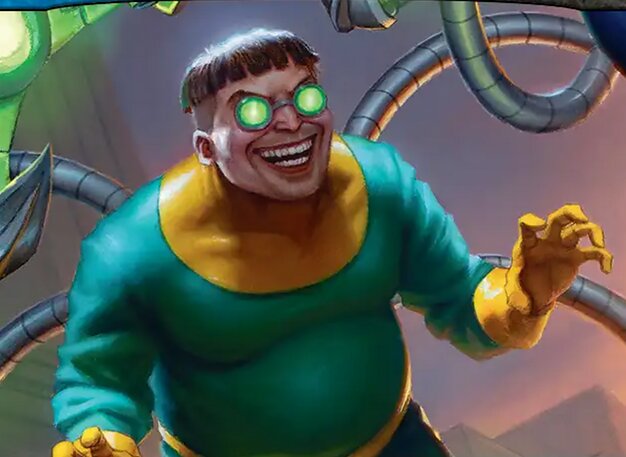
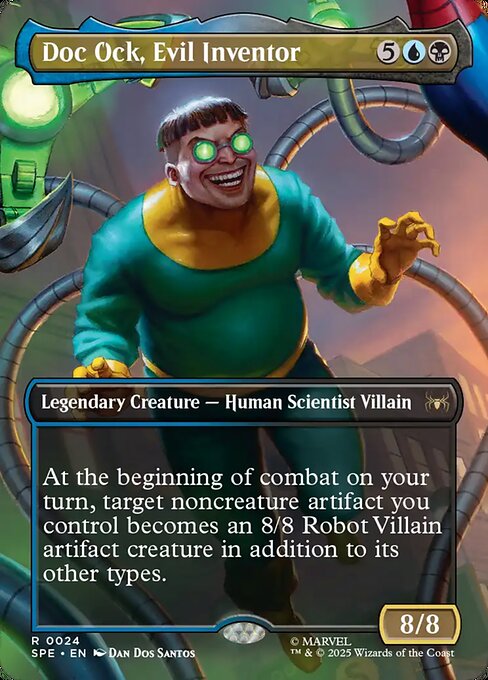
Doc Ock, Evil Inventor
Animate non-creature artifacts into large creatures to overwhelm opponents, using expendable one-drop artifacts and food tokens to generate a resilient army.
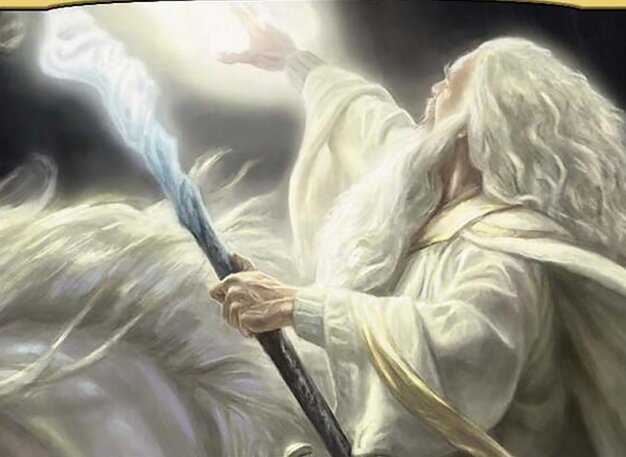
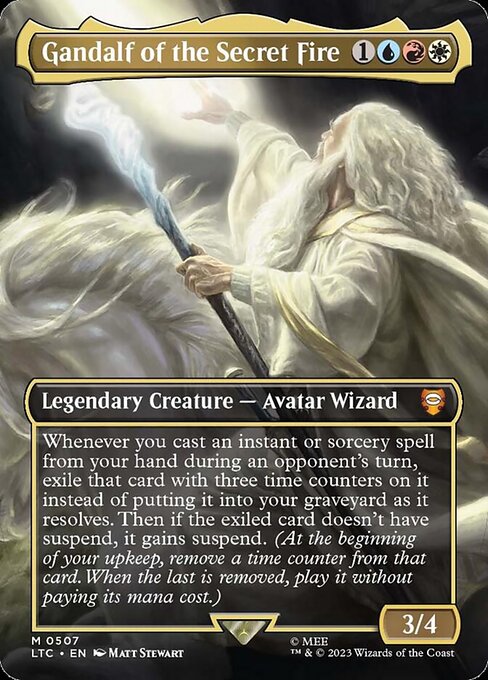
Gandalf of the Secret Fire
Control the game with instants and sorceries while creating value through clues and artifact transformations, adapting to threats with flexible timing.
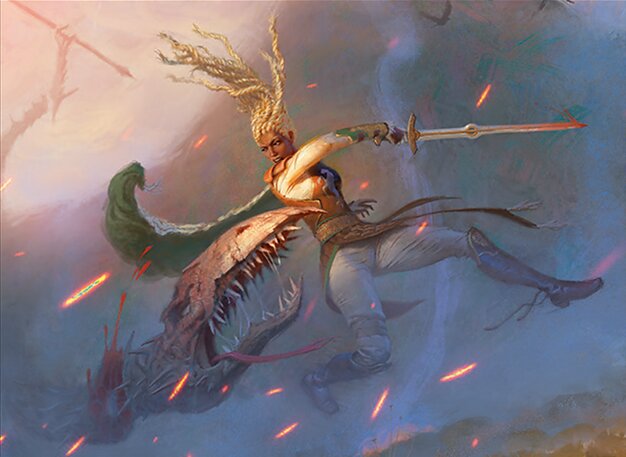
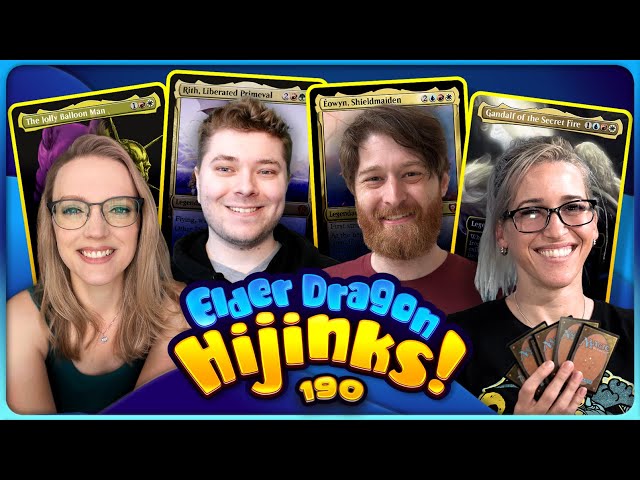
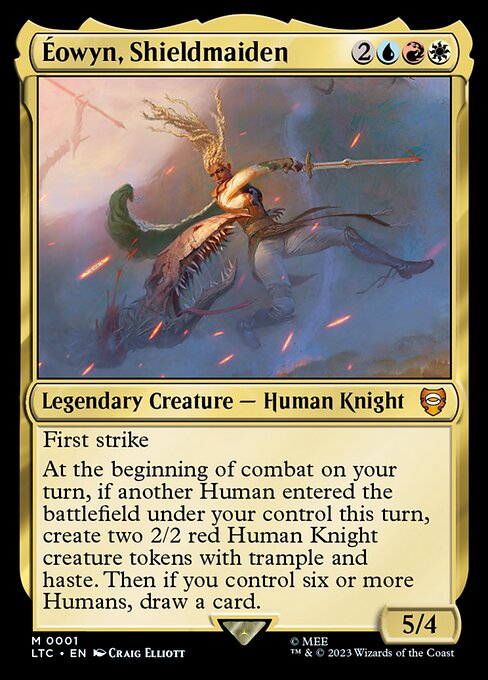
Éowyn, Shieldmaiden
Leverage synergy with allies and resilient creatures to maintain board presence and outlast opponents in combat-focused engagements.
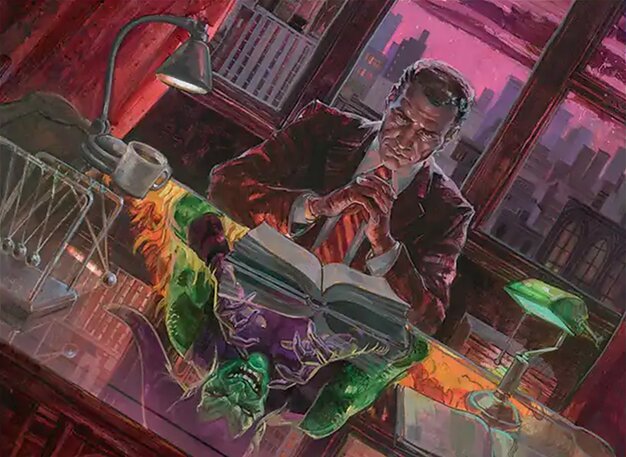
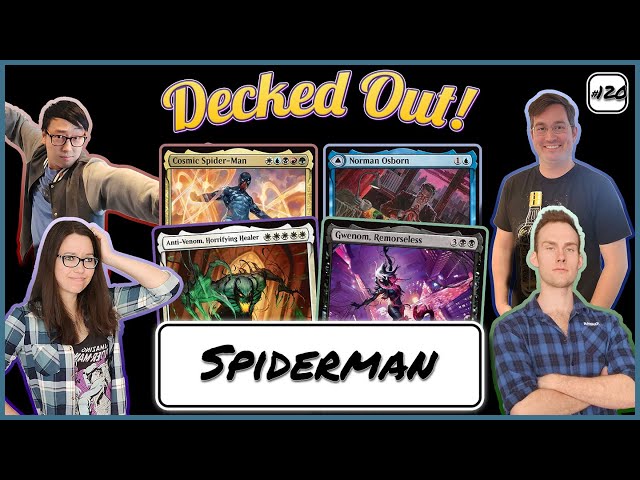
Norman Osborn // Green Goblin
Aggressively disrupt opponents and chip away life totals using direct damage and chaos effects, embodying a villainous and high-tempo playstyle.
Gameplay Insights
- 1
Doc Ock's strategy of animating low-cost artifacts into 8/8 creatures proved a pivotal way to establish board dominance without relying on traditional creatures.
- 2
Gandalf's use of clues and artifact transformations added both card draw and flying indestructible threats, creating resilience against board wipes.
- 3
Green Goblin's deployment of pingers like Airborn Flame Sniffer created constant pressure, forcing opponents to respond or take incremental damage.
- 4
Players utilized artifact lands and clue tokens effectively to ramp mana and generate value, emphasizing the synergy within artifact-based strategies.
- 5
Maintaining tempo through flexible instant-speed plays and artifact interactions allowed the players to control the flow and respond to threats dynamically.
Notable Cards
-
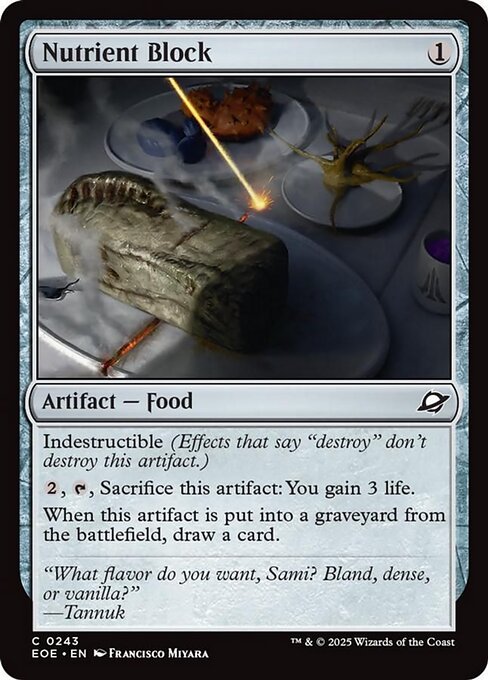
Nutrient Block
-
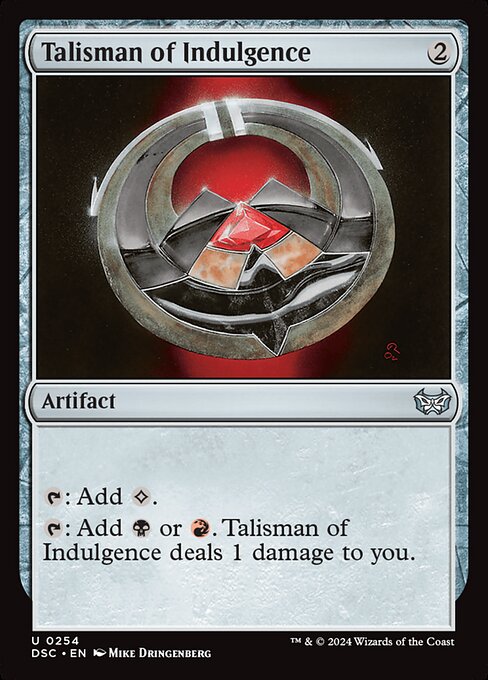
Talisman of Indulgence
-
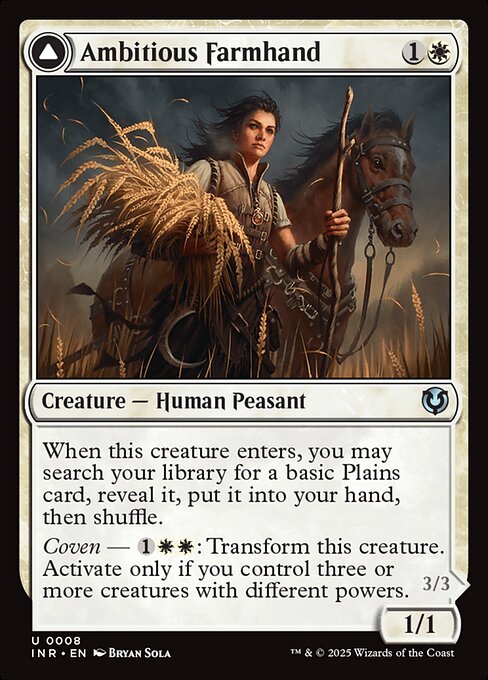
Ambitious Farmhand // Seasoned Cathar
Gameplay Summary
The game featured a competitive match among four players piloting Universes Beyond commanders, each bringing a unique thematic deck to the table.
Early turns were focused on establishing board presence and mana bases, with players deploying artifact lands, clues, and utility creatures to set up their strategies.
Doc Ock, Evil Inventor leveraged his ability to animate non-creature artifacts into formidable creatures, creating a board of resilient threats from otherwise expendable artifacts.
Gandalf of the Secret Fire took a control-oriented approach, casting instants and sorceries to manipulate the board and maintain flexibility in timing and responses.
Éowyn, Shieldmaiden emphasized a thematic, resilient midrange strategy, likely focusing on combat and synergy with allies, while Norman Osborn // Green Goblin embraced a villainous, aggressive style aiming to disrupt opponents and capitalize on direct damage and chaos effects like pumpkin bombs.
Key moments included Doc Ock transforming artifact tokens into 8/8 creatures, Gandalf solving clues to convert artifacts into flying indestructible creatures, and Green Goblin deploying aggressive pingers to pressure the table.
The game’s tension revolved around managing artifact synergies, token generation, and controlling the pace of combat, with each player vying to leverage their commander’s unique mechanics into a winning board state.
The match likely resolved through a combination of artifact animation and direct damage, showcasing the interplay of Universes Beyond design space in Commander.